
Einführung
Die Umwandlung von festen Strukturen in schwimmende Strukturen im Bereich der Meerestechnik ist nicht nur eine Änderung des Designs, sondern ein Paradigmenwechsel in der Art und Weise, wie wir mit der Wasserumgebung umgehen. Die Wahl der richtigen Bootsanlegestelle ist heute eine Priorität für Grundstückseigentümer in ganz Nordamerika, vor allem für diejenigen, die in einer rauen Salzwasserumgebung leben. Die traditionelle Methode für den Zugang zu Grundstücken am Wasser war der Holzsteg, der seit Jahrzehnten verwendet wurde. Mit der zunehmenden Variabilität der Umweltbedingungen und der Notwendigkeit einer wartungsarmen Anlegelösung - die weniger regelmäßige Wartung erfordert als feste Pfähle - sind Schwimmdocks jedoch die richtige Wahl für Wohnhäuser, gewerbliche Anwendungen und Industrieprojekte.
Dieser Leitfaden enthält eine ausführliche Erläuterung der verschiedenen Schwimmstegsysteme, die heute auf dem Markt erhältlich sind. Wir werden die Materialien, die Konstruktionen und die wichtigsten Entscheidungsfaktoren untersuchen, die eine Investition am Wasser für mehrere Jahrzehnte wertvoll machen. Sie sind Yachteigentümer, Resortmanager oder ein staatlicher Auftragnehmer, und um langfristig erfolgreich zu sein, sollten Sie verstehen, dass die technischen Details der schwimmenden Infrastruktur, wie Aluminiumrahmen oder Kunststoffmaterialien, für den langfristigen Erfolg entscheidend sind.
Warum ein schwimmendes Dock?
Im Gegensatz zu den traditionellen festen Stegen, die sich nicht mit den Gezeiten bewegen, wird das Wasser zum Heben und Senken eines Schwimmdocks genutzt. Dies schafft eine stabile Plattform, denn Sie müssen sich nie mit einem zu hohen oder im Falle einer Überschwemmung überfluteten Steg herumschlagen. Ihr Boot liegt nie höher als die optimale Einstiegshöhe, was eine leichte Zugänglichkeit ermöglicht, die mit der Unflexibilität fester Stege nicht zu vergleichen ist.
Die strukturelle Flexibilität ist der größte Vorteil eines Schwimmdocks. Ein festes Dock lässt sich nur schwer erweitern oder verändern, aber ein schwimmendes System ist vollständig modular und erfordert schwere Maschinen und feste Pfähle. Sie können verschiedene Formen verschieben oder neue Dockabschnitte hinzufügen, so einfach wie Sie mit Blöcken bauen können. So wird aus einem festen Stegprojekt ein skalierbares, individuelles Stegsystem.
Was die routinemäßige Wartung betrifft, so haben schwimmende Systeme, insbesondere solche aus hochwertigem Material wie HDPE, eine längere Lebensdauer als ihre festen Gegenstücke. Feste Docks sind außerdem sehr anfällig für Eisgang und Holzfäulnis, was kostspielige Reparaturen nach sich zieht. Ein Schwimmdock hingegen ist so konzipiert, dass es auf dem Eis installiert wird und nicht korrodiert, so dass keine häufigen Anstriche und Reparaturen an Unterwasserpfählen erforderlich sind. Das macht sie zu einer viel billigeren, einmaligen und langfristigen Investition.
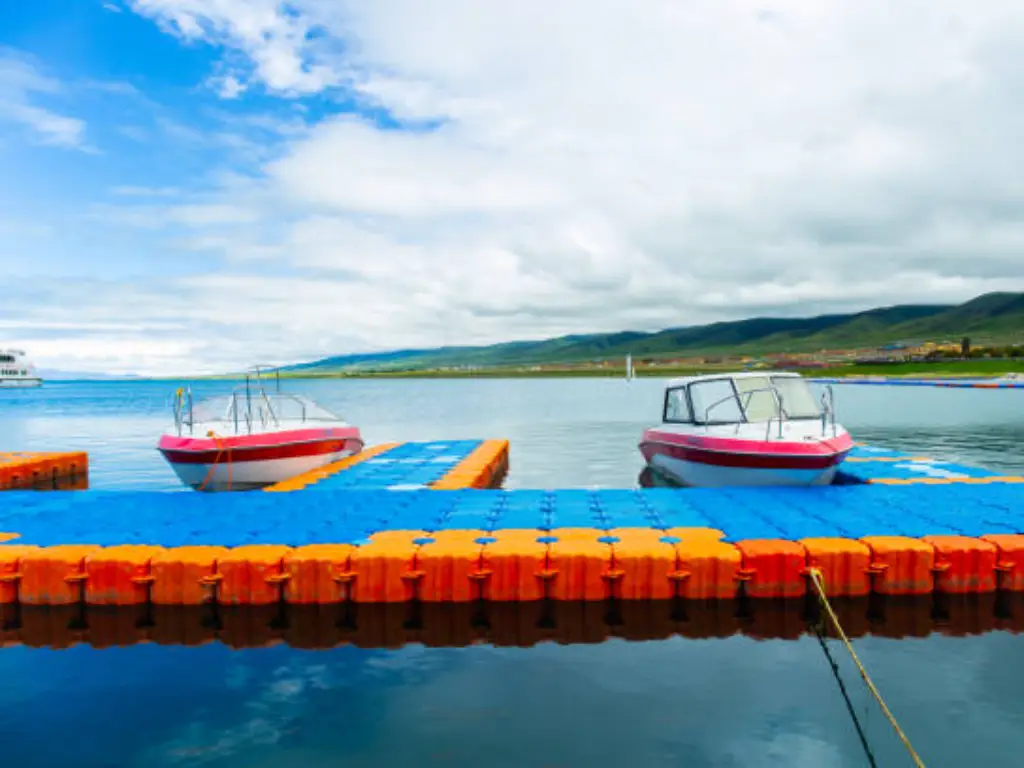
Schwimmendes Dock Detaillierte Zerlegung
Um das richtige System auszuwählen, muss man die verschiedenen Arten von Docks nach Material und Technik kategorisieren.
Nach Material
| Merkmal | HDPE (Kunststoffdocks) | Hölzerne Docks | Aluminium | Beton | Komposit |
| Langlebigkeit | 25-35+ Jahre | 8-12 Jahre | 20-30 Jahre | 40+ Jahre | 15-20 Jahre |
| Jährliche Instandhaltung | Nahe Null | Hoch | Niedrig | Niedrig | Mäßig |
| Einrichtung | DIY-freundlich | Professionell | Mäßig | Schwermaschinenbau | Professionell |
| Salzwasserbeständigkeit | Ausgezeichnet | Schlecht | Gut | Ausgezeichnet | Gut |
| Wärmeabsorption | Gering/Mäßig | Mäßig | Hoch | Hoch | Hoch |
| Am besten für | Vielseitig/Industriell | Traditionelle Ästhetik | Moderner Wohnbau | Schweres Gewerbe | Wohnen |
| Auswirkungen auf die Umwelt | Ungiftig/Recyclingfähig | Ausgelaugte Chemikalien | Wiederverwertbar | Hoher Kohlenstoff-Fußabdruck | Gemischt |
- HDPE(Kunststoff): HDPE ist die beste Wahl, wenn man ein modulares und sehr flexibles System wünscht. Diese Kunststoffe sind wartungsfrei und korrosionsbeständig und daher nicht der rauen Umgebung von Salz, Chemikalien und UV ausgesetzt. Aufgrund ihrer leichten Struktur sind sie in der Industrie und im Haushalt unglaublich vielseitig einsetzbar. Es ist einfach ein Plug-and-Play für jeden, der sich nicht mit der Wartung auf lange Sicht beschäftigen möchte.
- Holz: Holz ist ein relativ preiswertes Material für Terrassendielen, um ein traditionelles, klassisches Aussehen zu erzielen, das sich gut in die natürliche Umgebung einfügt. Eine angemessene Dichte des Holzes kann verwendet werden, um eine polierte Holzoberfläche zu erhalten. Es ist jedoch wichtig, daran zu denken, dass diese Schönheit mit der Notwendigkeit regelmäßiger Pflege verbunden ist. Ohne regelmäßiges Abschleifen, Beizen und Versiegeln neigt Holz zu Qualitätsproblemen wie Fäulnis, Verziehen und Insektenbefall, was seine Lebensdauer erheblich verkürzt.
- Aluminium: Sie bestehen aus Aluminiumrahmen und Beschlägen aus rostfreiem Stahl und werden in der Regel in Form von Rohrstegen oder Schienenrahmen hergestellt. Sie sind von Natur aus rostfrei und daher eine hervorragende langfristige Investition in Süß- und Salzwasser. Andere Premium-Modelle sind mit einem flachen Aluminium-Schienenrahmen ausgestattet, der ihnen ein schlankes und modernes Aussehen verleiht. Sie sind sehr stabil und können transportiert werden, allerdings sollte man bedenken, dass sie sehr wärmeleitend sind - in der Sonne kann es sehr heiß werden, und daher lohnt es sich, die richtige Liegefläche zu wählen, um sich wohlzufühlen.
- Beton: Beton ist der Standard in der Branche, in der es vor allem auf extreme Stabilität ankommt. Diese Systeme bieten eine betonähnliche, pflasterartige Oberfläche, die die Wellenenergie sehr effizient absorbiert und daher häufig in kommerziellen Jachthäfen eingesetzt wird, wo eine zuverlässige Stromversorgung und strapazierfähiges Jachtzubehör benötigt werden. Sie sind unübertroffen haltbar und können große Schiffe aufnehmen, aber ihre Verlegung ist ein logistischer Albtraum, der den Einsatz schwerer Maschinen und professionelle Aufsicht erfordert.
- Komposit: Terrassendielen aus Verbundwerkstoffen sollen das Beste aus beiden Welten sein, indem sie die Schönheit von Holz mit dem geringen Pflegeaufwand von Kunststoff kombinieren. Sie zerfallen nicht und sind dennoch von guter Qualität, die den Wert einer Immobilie erhöht. Es ist eine ideale Alternative für Hausbesitzer, die das luxuriöse Aussehen eines Holzstegs ohne den arbeitsintensiven Aufwand haben möchten. Ein weiterer Faktor, der bei der Verlegung zu berücksichtigen ist, ist die Tatsache, dass es sich bei Temperaturschwankungen ausdehnen und zusammenziehen kann und daher in den richtigen Abständen verlegt werden muss, um die strukturelle Integrität zu erhalten.
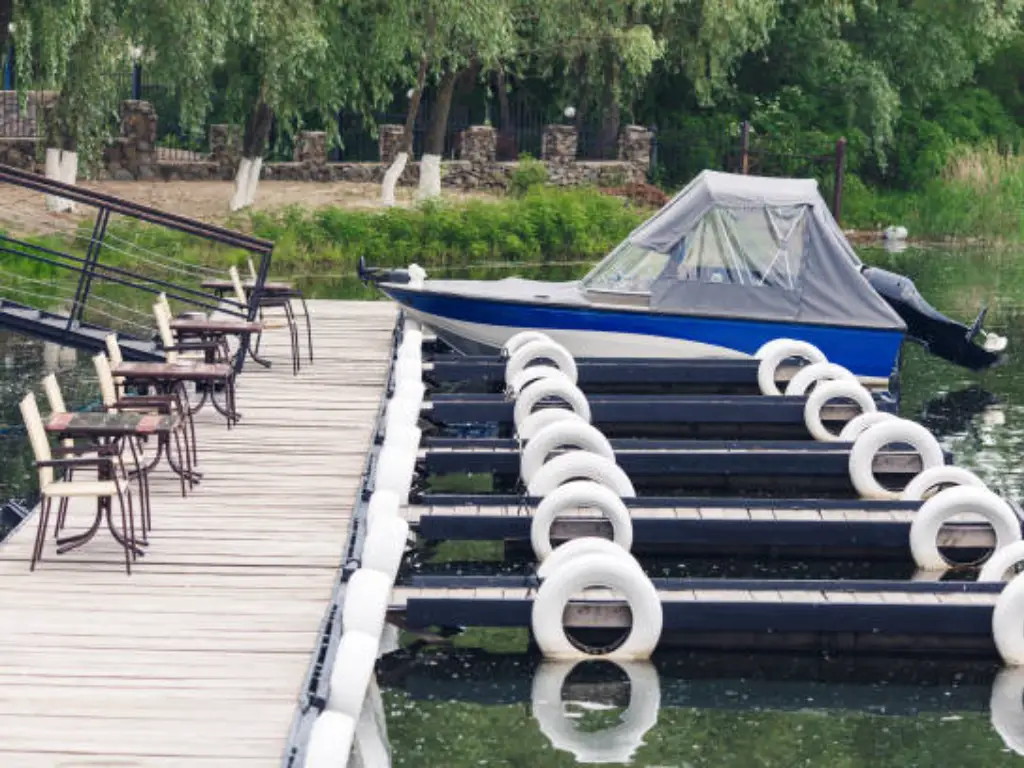
Nach Struktur
| Merkmal | Modulare Schwimmdocks | Ponton-Docks | Traversenrahmen-Docks | Aufblasbare Docks |
| Tragbarkeit | Hoch | Niedrig | Sehr niedrig | Extrem |
| Skalierbarkeit | Unendlich | Begrenzt | Schwierig | Keine |
| Stabilität | Hoch (Multi-Würfel) | Mäßig | Hoch | Niedrig |
| Handhabung von Wellen | Ausgezeichnet | Schlecht | Mäßig | Gut |
| Reparaturkosten | Minimal | Hoch | Hoch | Niedrig |
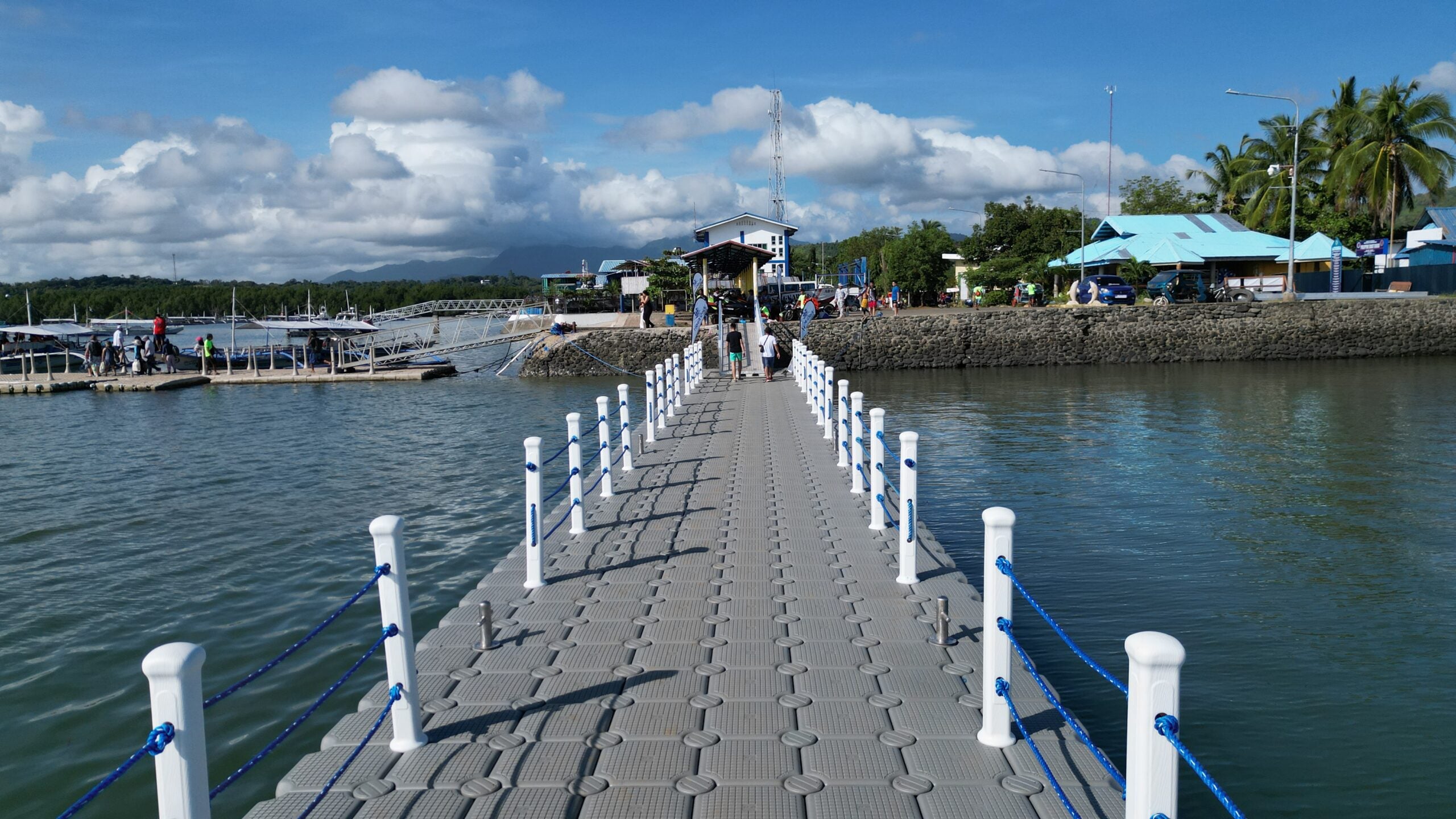
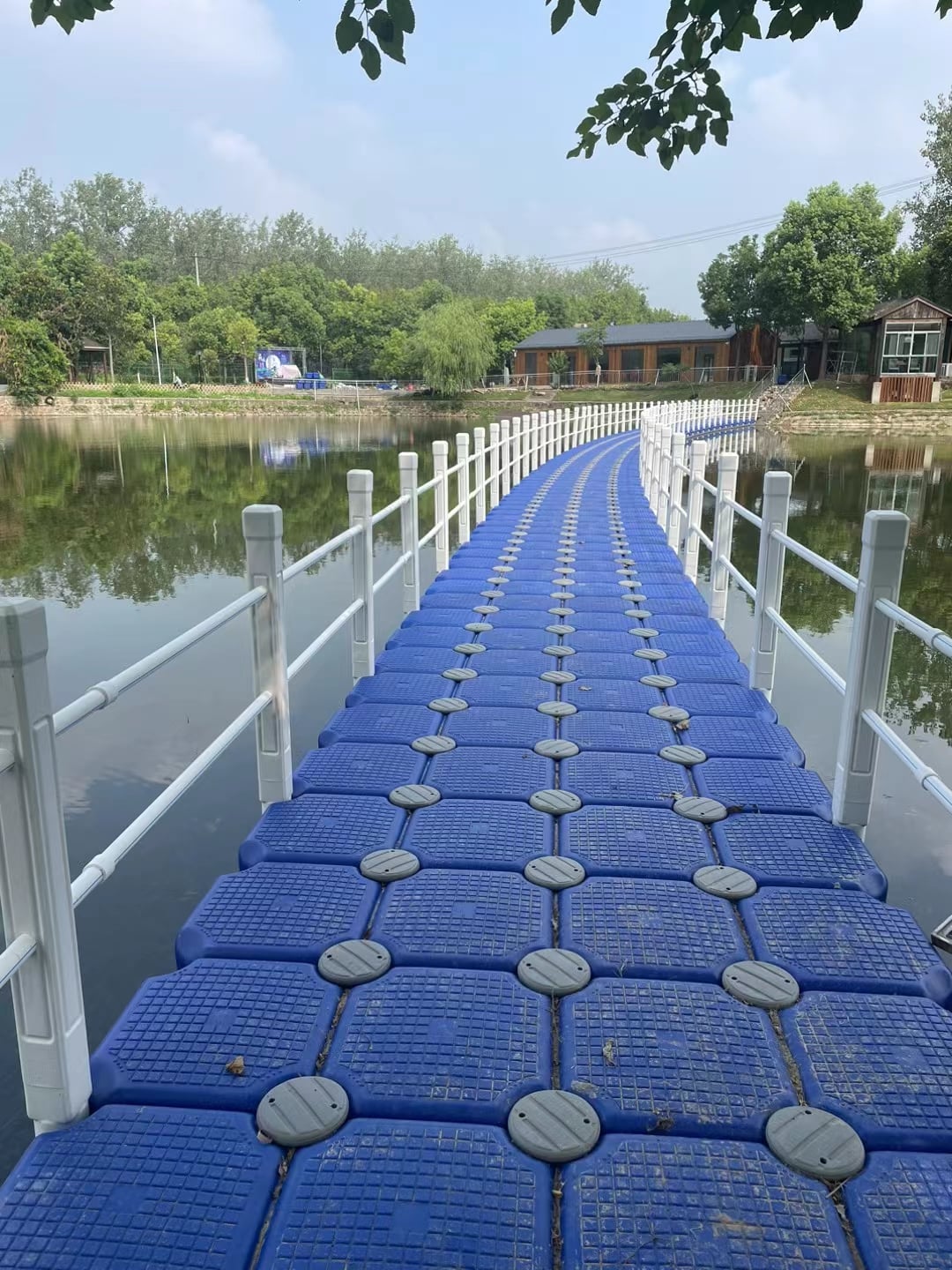
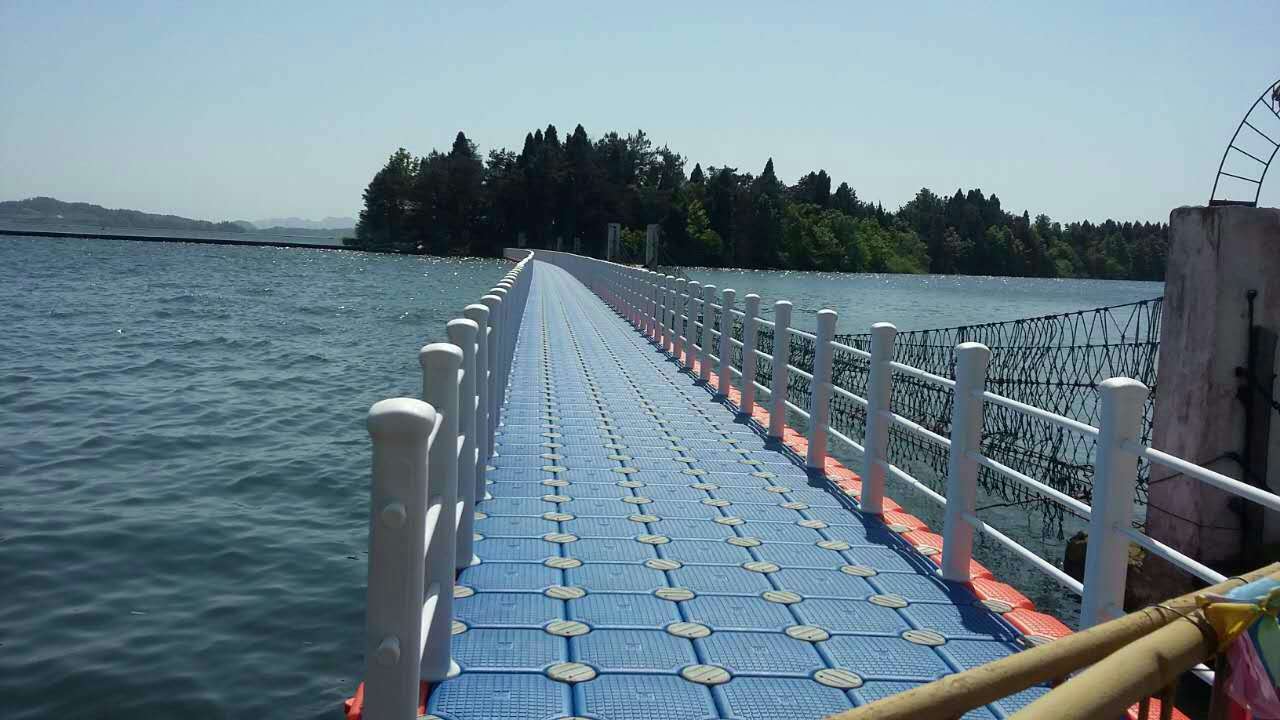
- Modulare Schwimmdocks: Diese HDPE-Würfelsysteme sind auch als das Lego des Hafengebiets bekannt, da Sie Ihre Steganlage jederzeit erweitern können. Diese Systeme verfügen über ineinandergreifende Stegabschnitte, die mit der Wellenenergie rollen, was die Belastung der Anker erheblich reduziert. Dies macht sie zu einem der anpassungsfähigsten Baumaterialien für Jetski-Häfen oder sich entwickelnde Uferbereiche.
- Ponton-Docks:Bei diesen Steganlagen werden schwimmfähige Steganlagen oder hohle Rohre verwendet, die lang sind, um einen hohen Freibord zu gewährleisten, so dass die Oberfläche der Deckplatten hoch und trocken über der Spritzwasserzone liegt. Sie bieten ein sauberes und stabiles Aussehen und eignen sich am besten für ruhige und geschützte Süßwasserseen. Sie eignen sich gut zum Schwimmen in Wohngebieten oder zum Anlegen leichter Boote, dürfen aber nicht in rauem, kabbeligem Wasser eingesetzt werden, wo ein einziges Loch den Auftrieb der gesamten Struktur zerstören kann.
- Traversenrahmen-Docks: Fachwerkstege bestehen aus einem starren Aluminium- oder Stahlskelett, das auf frei schwimmenden Stützen montiert ist, die dem Steg das solideste Gefühl eines Bürgersteigs geben, den man betreten kann. Es handelt sich um eine robuste Konstruktion, die dafür ausgelegt ist, konzentriertes Gewicht zu tragen, z. B. schwere Stege oder Menschenmassen. Sie eignen sich am besten für öffentliche Zugänge oder gehobene Wohngebiete am Wasser, bei denen ein solides, dauerhaftes Gefühl wichtig ist, müssen aber in Umgebungen mit geringerem Wellengang eingesetzt werden, um eine Metallermüdung im Laufe der Zeit zu vermeiden.
- Aufblasbare Docks: Diese Stege werden aus Hochdruck-PVC hergestellt, das am bequemsten und tragbarsten ist. Sie sind einfach zu installieren und können in der Nebensaison in der Garage aufbewahrt werden, wenn die Luft abgelassen wird. Sie können als schwimmende Badeinseln, Yoga-Plattformen oder schwimmende Arbeitsplätze zur Wartung von Booten verwendet werden. Sie sind überraschend steif, aber sie sind eher für den Freizeit- und Saisonbetrieb gedacht als für den langfristigen Bedarf im Bootsbau.
Kritische Überlegungen bei der Auswahl Ihres Schwimmdocks
Anpassung der Verankerung an die Lage des Gewässers
Der Grund des Gewässers und das Gefälle des Gewässers sind der Schlüssel zur Stabilität Ihres Stegs. Senkrechte Pfähle eignen sich am besten für flache Gewässer mit Sand oder Schlick, in denen sich der Steg mit dem Wasserstand auf und ab bewegen kann. Bei felsigen Böden oder tiefen Gewässern, in die keine Pfähle gerammt werden können, sind schwere Betongewichte und verzinkte Ketten üblich. Sie müssen sich Gedanken über die Festigkeit Ihrer Verankerung bei starken Stürmen und Gezeiten machen. Wenn die Docks in engem Kontakt mit einer festen Ufermauer oder einem Schott stehen, sind starre Arme ein sehr gutes Mittel, um einen festen Abstand zwischen dem Ufer und dem Dock einzuhalten, und es gibt keine Unterwasserausrüstung.
Umgehung von Compliance- und Größenbeschränkungen
Vor dem Kauf muss man die örtlichen Behörden wie das DNR oder die EPA konsultieren. Die meisten Gerichtsbarkeiten haben strenge Beschattungsvorschriften, um sicherzustellen, dass die Stege kein übermäßiges Sonnenlicht auf die Unterwasservegetation abstrahlen. Modulare HDPE-Systeme sind oft leichter zu genehmigen, da sie mit lichtdurchlässigen Lücken konstruiert werden können. Sie sollten auch die maximale Ausdehnung und die Gesamtquadratmeterzahl Ihrer spezifischen Uferlinie überprüfen, um sicherzustellen, dass Ihre Anlage nicht über die gesetzlichen Grenzen der Schifffahrt hinausgeht.
Pflege und UV-Beständigkeit (langfristig)
Achten Sie beim Vergleich der Materialien auf die Gesamtkosten in 15 Jahren und nicht nur auf die Anfangskosten. Holz ist kurzfristig billiger, erfordert aber ständiges Beizen und Auswechseln der Bretter, um Fäulnis und Splitterbildung zu verhindern. HDPE und Aluminium sind von höherer Qualität und praktisch wartungsfrei, was ihnen einen höheren langfristigen Wert und Wiederverkaufswert verleiht. Welches Material auch immer verwendet wird, es sollte hochwertige UV-Zusätze enthalten, da sonst selbst das stärkste Material nach einigen Jahren direkter Einwirkung spröde wird und Risse bekommt.
Eis-Management und Winterstrategie
Der Eisdruck kann einen starren Stegrahmen in eisigen Klimazonen leicht zerstören. Im Gegensatz zu Aluminium- und Holzstegen, die im Winter in der Regel herausgezogen werden müssen, sind modulare HDPE-Systeme flexibel genug, um über sich bewegende Eisflächen zu fahren und dort platziert zu werden. Ein Enteiser ist ein notwendiger Artikel für den Fall, dass Ihr Steg im Wasser bleiben muss, wenn es hart gefroren ist. Diese Pumpen treiben wärmeres Wasser an die Oberfläche, um eine eisfreie Pufferzone zu schaffen, die verhindert, dass das umgebende Eis Ihre Pfähle oder die Steganlage zerdrückt.
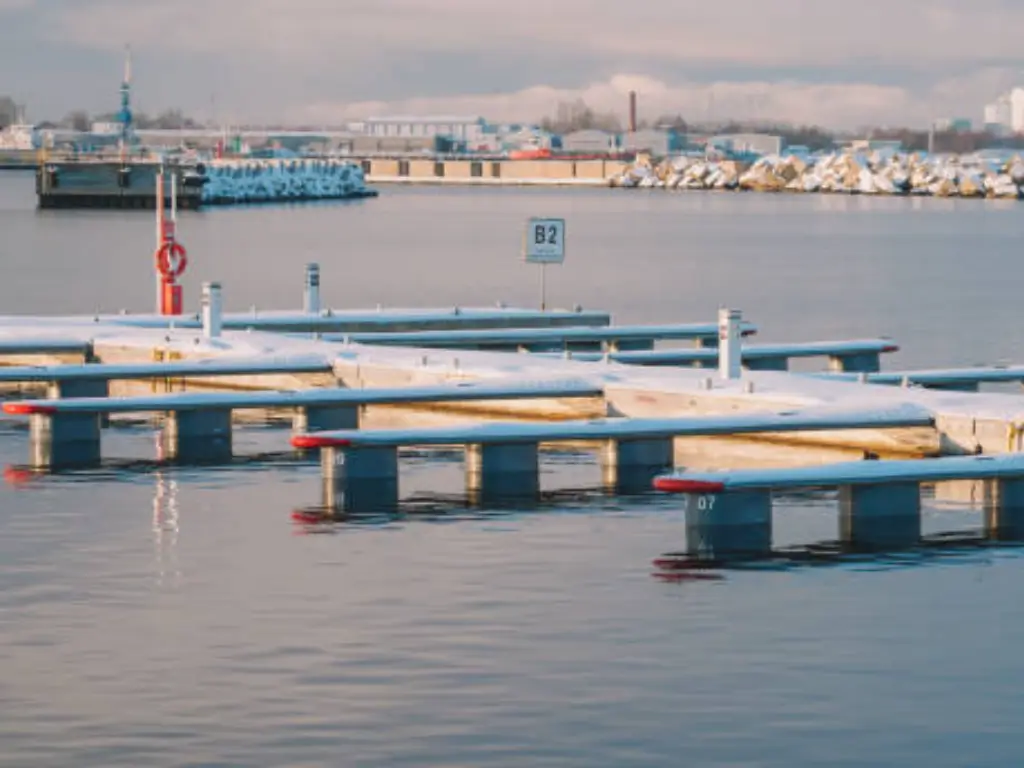
Schwimmdock-Typen nach Verwendung: Finden Sie die richtige Funktion für Ihren Lebensstil
- Familienfreizeit und Badeplattformen: Die bequemste Art von Steg für den heimischen See und einen persönlichen Steg sind die modularen Kunststoffstege. Sie splittern nicht wie Holz und werden in der Sonne nicht so heiß wie Aluminium. Sie bieten Kindern und Haustieren einen sicheren Schwimmsteg. Außerdem sind sie in verschiedenen Farben erhältlich, die zu Ihrem Haus passen. Sie sind außerdem modular aufgebaut, das heißt, Sie können mit einer kleinen Plattform beginnen und später Abschnitte, Leitern oder Rutschen hinzufügen. Das Beste daran ist, dass sie wartungsfrei sind, d. h. Sie müssen sich keine Gedanken über Abschleifen, Beizen oder Fäulnis machen.
- PWC- und Jetski-Lagerung: Ein Drive-on-Port schützt Ihr Wasserfahrzeug vor Osmose am Rumpf und ist ein hochwertiges Produkt, das seinen Wiederverkaufswert behält. Diese Form des Trockendocks benötigt auch keine Winden oder Anhänger und kann daher in wenigen Sekunden zu Wasser gelassen oder angedockt werden. Das harte Kunststoffmaterial wirkt wie ein Polster und schützt den Bootsrumpf vor Kratzern, die normalerweise durch die harten Kanten der Docks verursacht werden.
- Kajak und Paddelsport: Herkömmliche Docks sind in der Regel zu hoch und es ist schwierig, ein Kajak oder Paddelbrett zu besteigen, ohne umzufallen. Low-Profile Modular Docks lösen dieses Problem, indem sie nicht mehr als 8-10 Zoll über der Wasserlinie liegen. Das senkt die Höhe und sorgt für einen stabilen Schwerpunkt, so dass der Ein- und Ausstieg für Anfänger und ältere Paddler viel sicherer ist. Diese Systeme sind oft mit Startrutschen oder Haltegriffen ausgestattet, um beim Wechsel vom Land zum Wasser zusätzliche Stabilität zu gewährleisten.
- Kommerzielle Yachthäfen und öffentliche Gehwege: Stabilität und Tragfähigkeit sind in stark frequentierten Bereichen wie Resorts oder Yachtclubs am wichtigsten. Die Norm in diesem Fall sind Docks aus Beton oder Heavy-Duty-Fachwerkrahmen. Sie vermitteln ein Gefühl von festem Boden, auf dem sich die Menschen sicher fühlen, auch wenn sie in Massen unterwegs sind. Sie erfordern eine hochwertige Leistung und robustes Yachtzubehör, um den Anlegebedürfnissen Ihres Wasserfahrzeugs und den kommerziellen Sicherheitsstandards gerecht zu werden. Ihre Fähigkeit, den Anlegekräften großer Schiffe standzuhalten und die hohen Sicherheitsnormen zu erfüllen, ist kurzfristig kostspieliger, aber langfristig sind sie die kostengünstigste Lösung für Geschäftsinhaber.
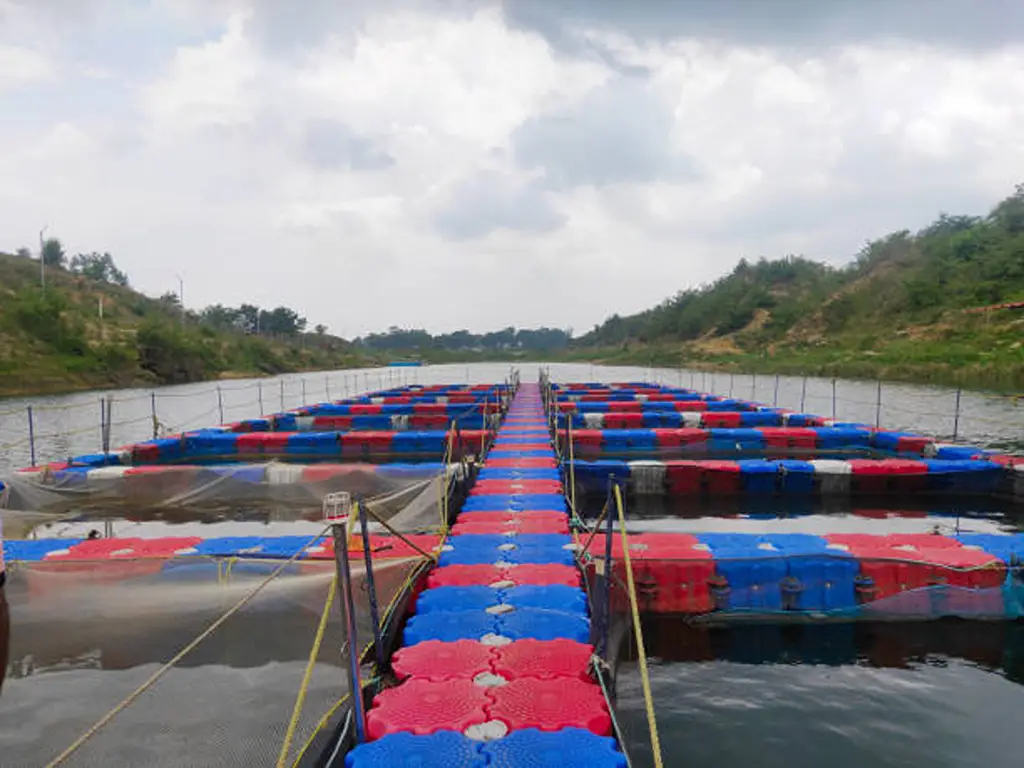
- Industrie- und Arbeitsbühnen: Das Dock ist ein Bau- oder Baggerwerkzeug, das sehr strapazierfähig ist. Verstärkte modulare HDPE-Plattformen werden gewählt, weil sie tragbar und chemikalienbeständig sind. Sie werden nicht durch auslaufendes Öl oder Gas beeinträchtigt, das andere Materialien zerstören würde. Die Stapelbarkeit ist einer der größten Vorteile in dieser Branche. Die Module können gestapelt werden, um schwere Geräte wie Generatoren leichter zu machen. Wenn ein Projekt abgeschlossen ist, kann das gesamte System mit einem normalen Lkw zum nächsten Zielort transportiert werden.
Einkaufsführer: 5 Schritte zur Auswahl Ihres Schwimmdocks
Schritt 1: Testen Sie die physikalischen und chemischen Anforderungen an Ihr Wasser
Bestimmte Umweltfaktoren Ihres Standorts, wie der Salzgehalt des Wassers oder die Wellenhäufigkeit, bestimmen die Materialien, die versagen werden. Salzwasser sollte nicht mit Holz oder herkömmlichem Aluminium verwendet werden, da Salz die Korrosion beschleunigt und holzfressende Organismen anzieht, die das Holz innerhalb von Jahren aushöhlen können. Installieren Sie Beschläge aus rostfreiem Stahl und HDPE, um sich in Zukunft eine Menge Ärger zu ersparen. Abgesehen von der Chemie ist auch die Wellenbewegung zu berücksichtigen. Ein hartes Dock wird dem Wasser nicht gewachsen sein und in Gebieten mit hohem Wellengang schließlich unter struktureller Ermüdung leiden. In dieser Situation ist ein flexibles modulares System sicherer, da es mit der Wellenenergie mitrollt statt gegen sie anzukämpfen und das Dock und Ihre Festmacherleinen schützt.
Um Ihre Beobachtungen aus Schritt 1 in eine konkrete Entscheidung umzuwandeln, wenden Sie diese Matrix an, um die Variablen Ihres Standorts auf die beste Konfiguration abzustimmen:
| Wassergeschwindigkeit und Wellen | Eis-Präsenz | Tidenhub / Schwankungen | Wassertiefe | Empfohlener Docktyp | Empfohlene Verankerung |
| Ruhig / Wenig wach | Kein Eis | Niedrig (< 3ft) | Untiefe (< 10ft) | Ponton / Holz | Vertikale Pfähle |
| Mäßig wach | Gelegentliches Eis | Mäßig (3-6ft) | Mittel (10-25ft) | HDPE Modular | Deadweights & Ketten |
| Hochstrom / Grob | Strenges Eis | Hoch (> 6ft) | Tief (> 25ft) | HDPE Modular | Seaflex / Schwere Verankerungen |
| Schweres Gewerbe | Kein Eis | Mäßig | Tief | Beton / Fachwerk | Schwere Stahlpfähle |
| Intermittierender Einsatz | Saisonales Eis | Jede | Jede | Aufblasbar / Modular | Temporäre Uferlinien |
Schritt 2: Teilen Sie Ihr Gewicht nicht einfach durch Ihr Boot
Der häufigste Fehler besteht darin, den Auftrieb allein auf der Grundlage der Ausrüstung zu berechnen und die Nutzlast, d. h. das bewegliche Gewicht der Personen, die die Oberfläche passieren, außer Acht zu lassen. Berücksichtigen Sie das Gewicht des Stegs und das Gewicht der Personen, um Qualitätsprobleme zu vermeiden. Die 50-Prozent-Regel besagt, dass ein Steg nicht über die Hälfte seines Nennauftriebs hinaus belastet werden darf. Angenommen, Ihr Steg hat einen Auftrieb von 2000 lbs, sollten Sie nur 1000 lbs Nutzlast berechnen, um sicher zu sein, dass die Oberfläche trocken ist. Bei großen Menschenansammlungen oder schweren Yachten benötigen Sie eine größere Aufstandsfläche, damit der Schwerpunkt niedriger liegt und der Steg nicht kippt, wenn die Leute zum Einsteigen zur Seite gehen.
Schritt 3: Seien Sie realistisch in Bezug auf Ihre langfristigen Wartungsziele
Jedes Material ist mit einer Zeitsteuer verbunden. Bei traditionellem Holz müssen Sie es jedes Jahr abwaschen, abschleifen und beizen, um Fäulnis und Splitter zu vermeiden. Besser geeignet sind HDPE- oder Verbundwerkstoffe, wenn Sie Ihre Wochenenden lieber am Wasser als auf dem Wasser verbringen möchten. Die modularen Würfel sind von hervorragender Qualität, UV-stabilisiert und chemisch inert, was bedeutet, dass sie nur regelmäßig abgespritzt werden müssen, um jahrzehntelang in bestmöglichem Zustand zu bleiben. Die Verwendung von HDPE anstelle von Holz bedeutet, dass man sich am wenigsten Sorgen um Fäulnis machen muss.
Schritt 4: Finden Sie den Weg zu rechtlichen Genehmigungen und Erlaubnissen
Vor dem Kauf müssen Sie herausfinden, ob Ihre örtlichen Behörden Ihr Projekt als vorübergehende oder dauerhafte Konstruktion betrachten. Für Schwimmdocks gelten weniger strenge Auflagen, da die meisten Umweltbehörden keine Unterwasserpfähle verlangen, die den Meeresboden stören. Dieser vorläufige Status führt normalerweise zu einem viel schnelleren und günstigeren Genehmigungsverfahren. Vergewissern Sie sich auch, dass Ihr maßgeschneidertes Docksystem mit den örtlichen Beschattungs- und Schifffahrtsgesetzen übereinstimmt.
Schritt 5: Betrachten Sie die Gesamtbetriebskosten für verschiedene Budgets
Der billigste Preis auf dem Markt muss nicht unbedingt der beste auf lange Sicht sein. Um die wahren Kosten zu berechnen, sollte man den Kaufpreis und die zehn Jahre der erwarteten Wartung und des möglichen Austauschs addieren. Ein Dock von minderer Qualität kann eine Lebensdauer von fünf Jahren haben, während ein professionelles HDPE eine Lebensdauer von 20 Jahren oder mehr hat. Darüber hinaus sind modulare Docks die einzige Art von Docks, die zu einem hohen Preis weiterverkauft werden können, da sie demontiert und an einen anderen Ort gebracht oder bei Bedarf verkauft werden können.
Um mit dem Mythos aufzuräumen, dass Holz billig und Kunststoff teuer ist, werden wir die realen Zahlen untersuchen. Im Falle eines typischen 200 m² großen Wohnstegs in 20 Jahren zeigt die Finanzanalyse einen schockierenden Sieger:
| Kostenfaktor | Traditionelles Holzdock | Professionelles modulares HDPE-Dock |
| Erstkauf & Installation | $2.500 – $3.500 | $5.000 – $6.500 |
| Wartung (alle 3 Jahre) | $400 (Waschen, Schleifen, Beizen) | $0 (Gelegentliche Spülung) |
| Größere Reparaturen (Jahr 10) | $1,200+ (Austausch der Platine/Reparatur) | $0 |
| Wiederbeschaffungskosten (Jahr 15-20) | Vollständiger Austausch wahrscheinlich erforderlich | $0 (Verbleibende Lebensdauer: 10+ Jahre) |
| 20-Jahres-Gesamtinvestition | $6.500 – $7.500+ | $5.000 – $6.500 |
| Wiederverkaufswert im Jahr 20 | $0 (Häufig eine zu entfernende Verbindlichkeit) | 40-60% des ursprünglichen Wertes |
UV-stabilisiertes HDPE verrottet nicht und wird durch Sonneneinstrahlung nicht beschädigt, so dass es in 20 Jahren um 30-40 % billiger ist als Holz, da es nicht immer wieder repariert werden muss. Diese modularen Systeme sind im Gegensatz zu traditionellem Holz ein liquider Vermögenswert, der auch nach Jahrzehnten noch einen hohen Wiederverkaufswert hat und transportiert werden kann.
Die Lösung für einen sorgenfreien Hafen liegt in der Wahl eines Systems, das all diese Kriterien erfüllt. Entdecken Sie, wie Hisea Dock Ihnen diese Entscheidung leicht machen kann, indem es fortschrittliche Technik in eine leistungsstarke Realität auf Ihrem Grundstück verwandelt.
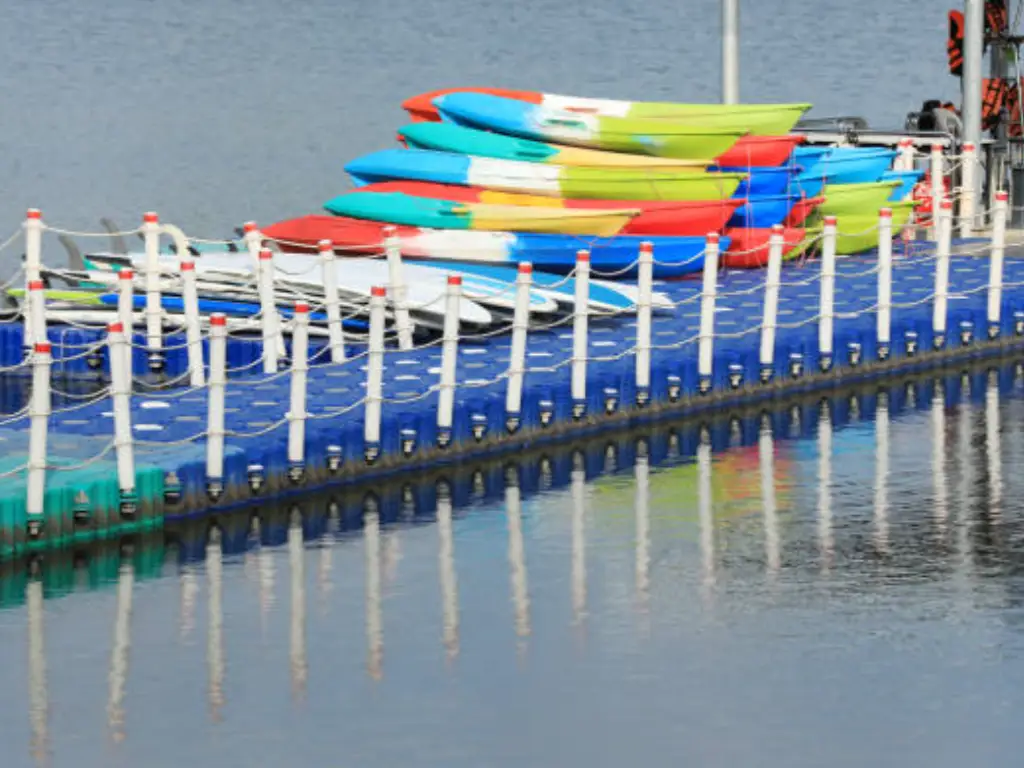
Das Geheimnis einer perfekten Übereinstimmung: Warum ist Hisea Dock der Marktführer in der Schwimmdock-Industrie?
Seit 2006 ist Hisea Dock in der Lage, die Standards der modularen Systeme und der hergestellten Produkte neu zu definieren, indem es den unglaublich hohen technischen Standards folgt. Auch wenn es den meisten Käufern um den ersten Eindruck geht, liegt der eigentliche Wert in der Langlebigkeit des Materials. Wir arbeiten mit einer neuen Generation von UV-stabilisiertem HDPE, das eine 20- bis 30-fache Lebensdauer im Vergleich zu den Wettbewerbern aufweist und auch bei Frost noch funktionsfähig ist, wo andere Kunststoffe versagen.
Hisea Dock bietet die vielseitigsten Baumaterialien auf dem Markt, ganz gleich, ob Sie ein Hafendock suchen, das Sie Ihr Zuhause nennen möchten, oder ob Sie heute einen Schiffshändler für ein großes Projekt benötigen. Wir haben es sicher und strukturell solide gemacht. Hisea Docks sind rutschfest und an den Ecken abgerundet, um den Benutzer zu schützen, und verfügen über 19 mm dicke Verbindungslaschen, die das Rückgrat für extreme Stabilität bilden. Unsere Stege sind so gebaut, dass sie Stürmen und schweren Stößen standhalten, die andere Systeme zerstören würden. Die Zugfestigkeit des Industriestandards beträgt in der Regel etwa 8.000 N. Hochleistungssysteme (wie Hisea Dock) bringen es auf 14.000+ N. Wenn Sie bereit sind, Ihr Projekt zu beginnen, rufen Sie unser professionelles Team noch heute an und lassen Sie sich persönlich beraten.
Hisea ist nicht nur langlebig, sondern auch operativ agil. Wir schließen die Lücke zwischen der kundenspezifischen modularen Flexibilität und der Zuverlässigkeit auf Industrieniveau mit vier hochwertigen Produktionslinien und 7-10 Tagen Vorlaufzeit. Hisea Dock wird durch eine 5-Jahres-Garantie und internationale Standards (ISO-9001, CE, TUV) unterstützt und ist eine hochfeste, wartungsfreie Anlage, die in jedem Hafengebiet installiert werden kann und Ihre Investition ist ebenso dauerhaft wie flexibel.
Schwimmdock-Wartung 101: Der Leitfaden für Langlebigkeit
Eine ordnungsgemäße Wartung vermeidet teure Reparaturen. Ihr erster Gedanke im Frühling sollte die Verankerung sein, und Sie müssen sicher sein, dass die Seile und Ketten während der Winterstürme nicht gelockert oder verschoben worden sind. Bei Frost müssen Sie entscheiden, ob Sie Ihr Dock an Land ziehen oder eine Enteisungsanlage installieren wollen. Die sicherste Methode, um strukturelle Beschädigungen zu vermeiden, ist die Vermeidung von Eisblockaden an Ihren Schwimmern.
Beobachten Sie jeden Monat die Beschläge. Das Wackeln von Bolzen und Befestigungselementen, die sich mit der Zeit lockern, ist normal, da Schwimmdocks immer in Bewegung sind. Eine schnelle Begehung zieht diese Verbindungen fest, um langfristig strukturelle Ermüdung zu verhindern. Prüfen Sie bei dieser Gelegenheit auch die Oberfläche des Decks, um festzustellen, ob sie verschmutzt ist oder Algen aufweist. Sie sind nicht nur unansehnlich, sondern auch eine sehr gefährliche Quelle für Rutschen, die durch eine schnelle Hochdruckreinigung beseitigt werden können.
Schließlich sollten Sie auch Ihr Zubehör nicht vergessen. Bei schwerem Wetter lastet das gesamte Gewicht Ihres Bootes auf den Klampen, und diese müssen steinhart sein. Überprüfen Sie auch Ihre Leitern und Fender, um festzustellen, ob sie UV-geschädigt oder biologisch verschmutzt sind. Herkömmliche Holzstege müssen gebeizt und die Bretter ausgetauscht werden, aber der Austausch gegen ein hochwertiges HDPE-Modulsystem macht den gesamten Prozess einfacher. Mit den richtigen Materialien ist es nur eine Abwaschung von Zeit zu Zeit und Sie können mehr Zeit auf dem Wasser verbringen.
Schlussfolgerung
Bei der Wahl des richtigen Schwimmdocks geht es darum, ein Gleichgewicht zwischen Umweltfreundlichkeit und langfristiger Funktionalität zu finden. Trotz der Tatsache, dass weiterhin traditionelle Materialien verwendet werden, haben modulare HDPE-Systeme einen neuen Standard in Bezug auf Haltbarkeit und Flexibilität geschaffen. Es handelt sich um ein Gebäude am Wasser, das über Jahre hinweg stabil, sicher und praktisch wartungsfrei sein wird, da der Schwerpunkt auf einer qualitativ hochwertigen Produktion und einem ausgeklügelten Design liegt.
FAQS
F: Was sind die Nachteile eines Schwimmdocks?
A: Ein Schwimmdock kann bei starkem Kielwasser oder rauem Wasser für vertikale Bewegungen anfällig sein, erfordert spezielle Verankerungssysteme, um seitliche Bewegungen zu begrenzen, und hält möglicherweise nicht so lange wie modernere modulare HDPE-Systeme.
F: Was machen die Abwässer eines schwimmenden Hauses?
A: Die Abwässer von schwimmenden Häusern werden in der Regel in einen speziellen Fäkalientank (Schwarzwassertank) an Bord der Plattform entleert, an einer Marina-Pumpstation abgepumpt oder durch eine eingebaute Marine-Sanitäreinrichtung (MSD) behandelt und sicher entleert.
F: Wie kann man ein Schwimmdock verankern?
A: Die beste Art der Verankerung eines Schwimmdocks ist ein System, das speziell auf die Wasserbedingungen abgestimmt ist, d. h. Pfähle in stark befahrenen Gebieten, beschwerte Kabel- und Kettensysteme in tiefem Wasser oder steife Arme, die das Dock in einem festen Abstand zur Uferlinie halten.
F: Wie kann man ein Schwimmdock stabilisieren?
A: Um ein Schwimmdock zu stabilisieren, müssen Sie die Gesamtoberfläche der Plattform maximieren, sicherstellen, dass die Verbindungen zwischen den Moduleinheiten eine hohe Festigkeit aufweisen, um die Last zu verteilen, für einen angemessenen Unterwasserballast sorgen, wo der Schwerpunkt hoch liegt, und ein Verankerungssystem vorsehen, das das Abdriften und Schwanken minimiert.

 English
  Thai
Thai  Spanish
  French
  German
  Dutch
Dutch  Italian
  Arabic
  Indonesian
  Portuguese
  Turkish