
La precisión no sólo es deseable en el contexto de la logística marítima y la navegación de recreo, sino que también es una condición de seguridad y eficacia. El peso de un barco no suele ser tan fácil de comprender como un simple número en la hoja de especificaciones de un fabricante. Implica una complicada combinación de variables de masa estructural y dinámica de fluidos hasta equipos auxiliares e infraestructura de tránsito.
Los números cuentan tanto si se está asegurando de que la transmisión de su vehículo remolcador sobrevivirá a un remolque por carretera como si está determinando la flotabilidad necesaria de un sistema de muelle de arrastre. Comprender el impacto del peso es crucial. Esta discusión desglosará los elementos del peso de las embarcaciones de pontones, lo que proporcionará una estructura estricta de cálculo y uso.

Peso medio en seco de un barco pontón
Para realizar cualquier cálculo significativo, es necesario tener un punto de partida. En la industria náutica, esto se conoce como peso en seco de un barco pontón. Se trata, en sentido estricto, del peso de la embarcación cuando sale de fábrica, con el depósito de gasolina vacío, las baterías, el equipo, los pasajeros y, en muchos casos, incluso el propio motor (según las normas de información del fabricante).
En el caso del mercado contemporáneo de pontones, el peso medio en seco de una embarcación de este tipo suele oscilar entre 1.800 y 2.500 libras en las configuraciones estándar. Sin embargo, esto forma una curva de campana que se estira en ambos extremos.
Los datos históricos muestran que hay una tendencia importante: las embarcaciones son cada vez más pesadas. Un pontón típico de 20 pies de finales de los 90 podía pesar unas 1.600 libras. Hoy en día, un barco de eslora similar, como los pontones modernos, suele pesar más de 2.200 libras. Este crecimiento no se atribuye a la ineficacia, sino a la evolución estructural. Los pontones contemporáneos tienen tubos de aluminio de mayor diámetro (sustituyendo los estándares de 23 pulgadas por los de 25 o 27 pulgadas), calibres de aluminio más pesados para reforzarlos y muchos más elementos de lujo. El cambio de las sencillas barcazas de pesca a pontones de lujo ha exigido un aumento de la masa.
Marca y modelo Ejemplos de peso
Para demostrar la diferencia de desplazamiento en todo el mercado, tendremos que considerar ciertos puntos de datos en los distintos tamaños. El peso de la embarcación está estrechamente relacionado con su finalidad: los modelos de alto rendimiento necesitan un refuerzo estructural que aumente su peso, mientras que los modelos de iniciación a la pesca deben ser ligeros.
La tabla siguiente es una muestra de los fabricantes más conocidos con una comparación de la eslora y el peso en seco con la capacidad de pasajeros. Registre el cambio de peso de un perfil de barco cuando se añade un tercer tubo (tritoon).
| Marca | Modelo | Longitud (pies) | Configuración del tubo | Peso en seco aprox. | Max Capacidad (Personas) |
| Rastreador solar | Bass Buggy 16 DLX | 18′ 5″ | 2 Tubos | 1,535 | 7 |
| Rastreador solar | Barcaza Party 22 RF DLX | 24′ 2″ | 2 Tubos | 2,188 | 11 |
| Bennington | 20 SVL | 21′ | 2 Tubos | 1,954 | 10 |
| Bennington | 25 Q Swingback | 27′ | Tritoon | 3,854 | 16 |
| Harris | Crucero 210 | 22′ 3″ | 2 Tubos | 2,308 | 11 |
| Godfrey | Sweetwater 2286 | 23′ 11″ | 2 Tubos | 2,150 | 12 |
| Sylvan | Crucero Mirage 8520 | 20′ 10″ | 2 Tubos | 1,875 | 9 |
| Manitou | Explora 24 Max | 24′ 4″ | Tritoon | 3,675 | 13 |
Análisis de los datos: La función de escalón de peso es discernible entre una disposición normal de doble tubo y un tritoon de rendimiento. A título indicativo, una embarcación pontón Bennington como la 25 Q, que utiliza un paquete de rendimiento tritoon, casi duplica el peso de la 20 SVL base. Esto implica que, en los modelos más grandes, cada pie de eslora supondrá un aumento de entre 100 y 150 libras en los modelos normales, pero mucho más en los cascos de alto rendimiento.
Los principales factores que influyen en el peso de las embarcaciones de pontón
El peso en seco no es más que el esqueleto; los órganos y los músculos unidos al armazón son los que hacen realidad la operación. Hay factores adicionales que se suman a la masa final.
Configuración del pontón (cantidad de tubos)
Un importante factor multiplicador del peso es el número de tubos. Una embarcación típica de dos tubos (bitoon) utiliza dos troncos para determinar el desplazamiento. Sin embargo, el rendimiento actual requiere a menudo una disposición de tres tubos (tritoon). La adición de un tubo central no añade simplemente el peso del propio tronco de aluminio (unas 250-400 libras dependiendo de la eslora); casi siempre requiere un paquete de prestaciones. Normalmente, este paquete se compone de correas de elevación, revestimiento inferior de aluminio (para minimizar la resistencia del agua en los travesaños) y un espejo de popa reforzado más pesado para llevar motores más grandes, necesarios para velocidades más altas. Como resultado, la elección de un tritoon en lugar de un bitoon tiende a aumentar el peso del conjunto del casco entre 400 y 600 libras netas antes incluso de tener en cuenta el motor.
Material del casco y tipo de construcción
Aunque el estándar de la industria es el aluminio de calidad marina, la masa viene determinada en gran medida por el calibre (grosor) del metal. Los modelos de gama media y alta se mejoran con calibres 090 ó 100 para proporcionar rigidez estructural, y los de uso comercial en aguas bravas pueden ser de 0,125 mm.
- Calibre Standard.080: Más ligero, adecuado para calmar aguas interiores
- Calibre .100+: Esto proporciona una mayor durabilidad y aproximadamente un 15-20 por ciento de peso adicional a los propios tubos.
Además, la estructura interna es diferente. Algunos modelos antiguos o ciertas series comerciales utilizan pontones rellenos de espuma como flotabilidad redundante. Aunque son seguros, son mucho más pesados que los tubos huecos con deflectores, sobre todo cuando la espuma absorbe agua con el tiempo (un proceso llamado encharcamiento), lo que puede añadir cientos de kilos de peso invisible que dificulta el remolque y la elevación.
Arquitectura del casco y diámetro del tubo
Además del grosor, el diámetro influye en la cantidad de metal consumido. Un tubo de mayor diámetro (por ejemplo, 27 pulgadas) tendrá una mayor circunferencia de chapa que uno de 23 pulgadas. Los de mayor tamaño son necesarios para soportar las cubiertas más pesadas de las modernas embarcaciones de lujo, que forman un ciclo de masa creciente.
Configuración del motor
El sistema de propulsión es un enorme voladizo en la popa.
- Motores de 25-50 CV: Suelen pesar entre 150 y 250 libras.
- Motores de 115-150 CV: 350 a 480 libras.
- 300 CV+: Los fuerabordas V8 de alto rendimiento pueden pesar más de 600 libras.
- Configuraciones de doble motor: Esta cifra se duplica inmediatamente, y el peso de popa es ahora de más de 1.200 libras.
Carga accesoria y superestructura
La ligereza suele verse comprometida por características que aumentan el ocio. Un típico toldo bimini es insignificante, mientras que un techo rígido permanente o un sistema de tobogán de dos pisos son cientos de kilos de aluminio y fibra de vidrio.Los muebles fabricados con bases de plástico rotomoldeado y espuma densa también son muebles de gama alta que acumulan peso rápidamente. Añadir sillas de pesca giratorias o llenar los compartimentos de almacenamiento con aparejos y anclas aumenta aún más la carga en comparación con los simples asientos con estructura de aluminio.
Líquidos y baterías
La física dicta que los líquidos son pesados. Un galón de gasolina pesa alrededor de 6,1 libras. Un tanque típico de 30 galones pesa casi 183 libras con el depósito lleno. Los barcos con depósitos de 50 galones tienen un rendimiento y transportan más de 300 libras de combustible. Además, una batería marina pesa entre 40 y 60 libras; un sistema de motor de curricán con un banco de 24v o 36v puede aumentar las baterías de plomo-ácido en casi 200 libras. Cabe señalar que el peso excesivo también repercute negativamente en la eficiencia del combustible.
El factor remolque
Aunque el remolque no interviene en el movimiento de la embarcación en el agua, forma parte de la logística.
- Remolques de un eje: 800-1000 lbs (Embarcaciones de menos de 20 pies).
- Remolques de eje tándem: 1.200 -1.600 libras (embarcaciones de 20-26 pies).
- Remolques de triple eje: Más de 1.800 libras (grandes tritoons de lujo).

Definiciones Peso en seco, Peso en mojado y Peso de remolque
La precisión en el lenguaje elimina las costosas averías mecánicas. Estas tres métricas son importantes para diferenciar.
- Peso en seco: Se trata del peso anunciado por el fabricante, como se ha mencionado anteriormente. Normalmente no incluye el motor fueraborda, el combustible, las baterías ni las opciones instaladas por el concesionario. Es una cifra hipotética, un mínimo idealizado.
- Peso húmedo (peso operativo): Este es el barco en el agua, y está todo listo para girar la llave. Consta del motor, los depósitos de combustible y aceite llenos, las baterías, el equipo de seguridad (anclas, extintores) y los accesorios de a bordo. Este es el número que se necesita para calcular las capacidades de elevación y atraque.
- Peso de remolque (peso bruto del remolque): Este es el peso total del paquete que su vehículo tiene que mover. Incluye el peso húmedo y el peso real del propio remolque, así como cualquier equipo que se encuentre en la embarcación durante el tránsito (neveras, cubiertas, muebles desmontables).
- Capacidad: No confunda el peso de la embarcación con su Capacidad de Peso. Esta última es la capacidad legal del casco para transportar masa (personas, motor y aparejos) de forma segura sin hundirse, tal y como se define en la normativa de la Guardia Costera.
Cálculo del peso total de remolque
Para saber si tu vehículo puede mover tu barco, tienes que resolver el peso del paquete. La desigualdad debe ser siempre:
Capacidad de remolque del vehículo> Peso en mojado + Peso del remolque + Marcha
La fórmula de la estimación
Como no muchos propietarios poseen básculas industriales para camiones, calculamos el peso total sumando los componentes. Una buena regla general es sobrestimar el peso del engranaje para garantizar la seguridad.
Peso total del remolque = Wdry + Wengine + Wfuel + Wbatteries + Wtrailer + Wgear
Variable Estimaciones de las ponderaciones:
- Combustible: Galones × 6,1 libras
- Batería: ~50 libras por unidad
- Equipamiento: 200-400 libras (anclas, cuerdas, neveras, chalecos salvavidas)
- Trailer: 1.200 lbs (eje tándem medio)
Ejemplo de cálculo de hormigón
Tomaremos el caso típico de un Harris Cruiser de 22 pies.
- Peso en seco: 2.300 libras
- Motor (150CV): 460 libras
- Combustible (30 gal): 183 libras
- Pilas (2): 100 libras
- Equipo/Extras: 250 libras
- Remolque tándem: 1.200 libras
- Cálculo total: 2.300 + 460 + 183 + 100 + 250 + 1.200 = 4.493 libras
En tal caso, un coche que tiene una capacidad de remolque de 3.500 libras sería estructuralmente débil y esto podría causar la rotura de la transmisión o la falta de potencia de frenado del coche.
Comprobación de la capacidad del vehículo remolcador
Después de calcular la carga -el peso de su embarcación de pontones más el remolque-, debe compararla con las capacidades del vehículo.
Capacidad frente a carga útil
Es necesario diferenciar entre Capacidad de Remolque (lo que el vehículo puede arrastrar) y Capacidad de Carga Útil (el peso que el vehículo puede soportar sobre sus ejes, incluidos los pasajeros y el peso de la lengüeta). El peso de la lengüeta suele representar entre el 10% y el 15% del peso total del remolque. En nuestro caso (4.493 lbs), el peso de la lengüeta es de aproximadamente 450 lbs. Suponiendo que tu todoterreno tenga una carga útil de 1.200 lbs y que tengas 450 lbs de peso de la lengüeta, entonces te quedan 750 lbs de pasajeros y equipaje en el coche.
Consulta del Manual
El peso bruto nominal del vehículo (GVWR) y el peso bruto nominal combinado (GCWR) son valores no negociables que se encuentran en el manual del propietario. La violación de estos valores no negociables es responsable.
Compatibilidades típicas de los vehículos
| Clase de vehículo | Capacidad de remolque aprox. | Tamaño adecuado del pontón (aprox.) |
| Crossover / SUV pequeño | 1.500 - 3.500 libras | Normalmente insuficiente; sólo modelos pequeños de 16′. |
| SUV de tamaño medio (por ejemplo, Explorer) | 5.000 - 5.600 libras | Pontones estándar de 18′ - 22 |
| Camión de media tonelada (por ejemplo, F-150) | 7.000 - 13.000 libras | 22′ - 26′ Pontones y Tritoons |
| Camiones pesados (2500/3500) | 15.000+ libras | Cualquier pontón (incluidos los de dos pisos) |
Cálculo de la capacidad necesaria del elevador de barcos
La embarcación no debe mantenerse en el agua cuando no esté en tránsito, ya que es probable que se ensucie. El uso de cables y motores para elevar la embarcación se conoce como elevación estática de embarcaciones. Esta fórmula se basa únicamente en el peso húmedo (el peso total de la embarcación en el agua).
Capacidad de elevación requerida = Peso húmedo + Margen de seguridad (20%)
La necesidad de márgenes de seguridad
¿Por qué un tope 20%? Un elevador de barcos es un objeto fijo que suele estar expuesto a fuerzas dinámicas. La cantidad de agua de lluvia en la sentina o la tapicería puede aumentar en cientos de libras de la noche a la mañana. Además, los propietarios suelen dejar a bordo neveras o equipos adicionales. Un ascensor que funciona al 99% de su capacidad es un ascensor que está a punto de fallar desastrosamente.
Restricciones dimensionales
Además del peso, debe comprobarse la anchura de la manga. La mayoría de los pontones tienen 8,5 pies de ancho. La cuna de elevación debe ajustarse de modo que tome los troncos del pontón, y no la cubierta.
La alternativa del muelle de atraque
Los sistemas de accionamiento flotante son una mejor solución en situaciones en las que los elevadores mecánicos no son viables debido a cambios en la profundidad del agua o a problemas de mantenimiento. Aquí es donde fabricantes especializados como Hisea Dock demuestran ser muy útiles.
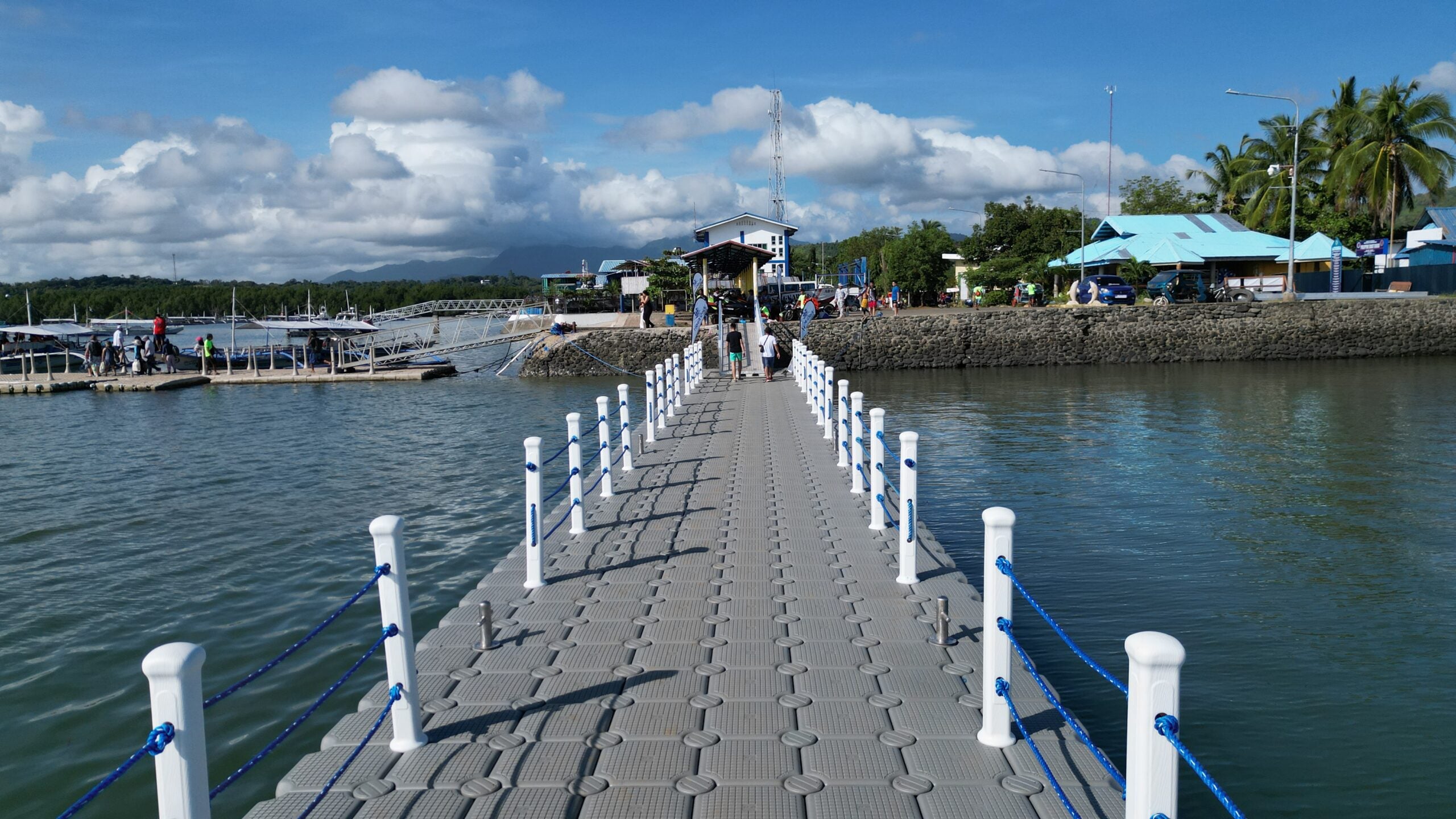
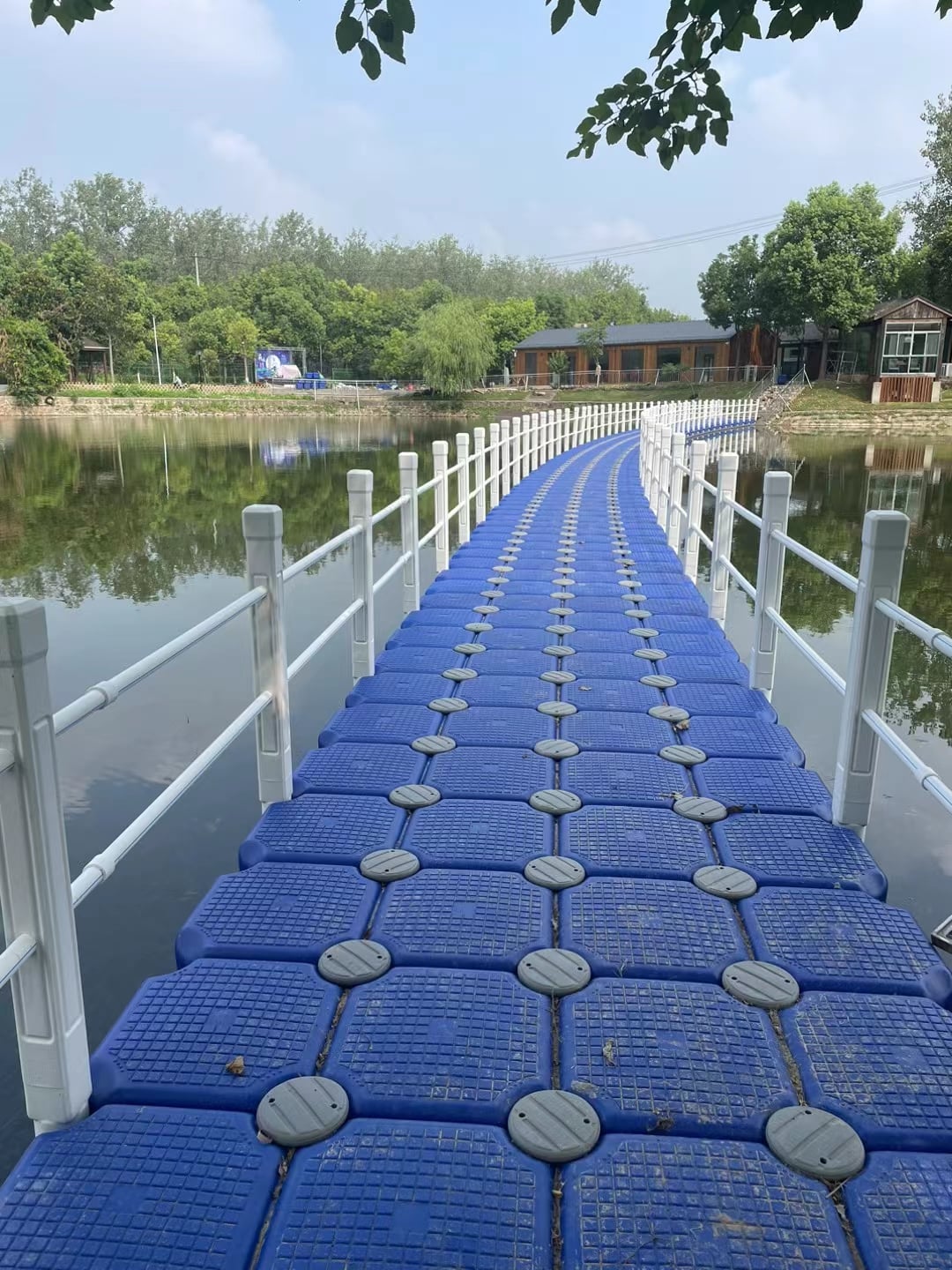
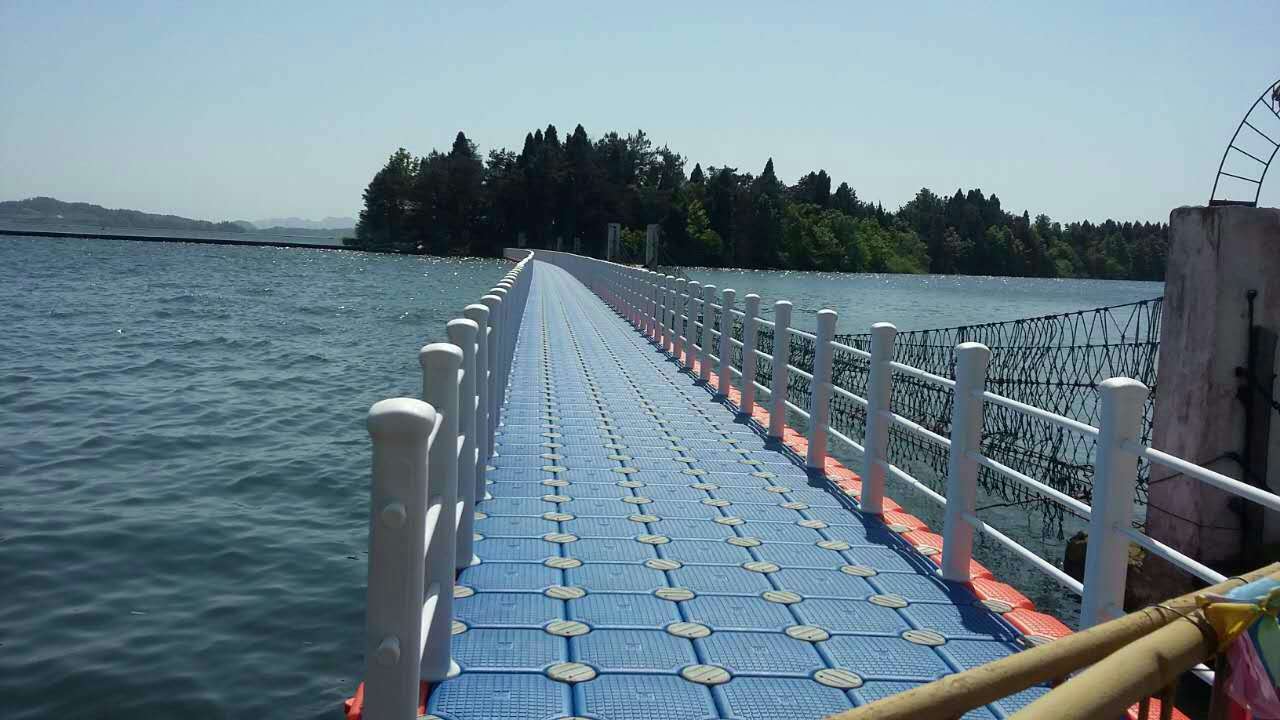
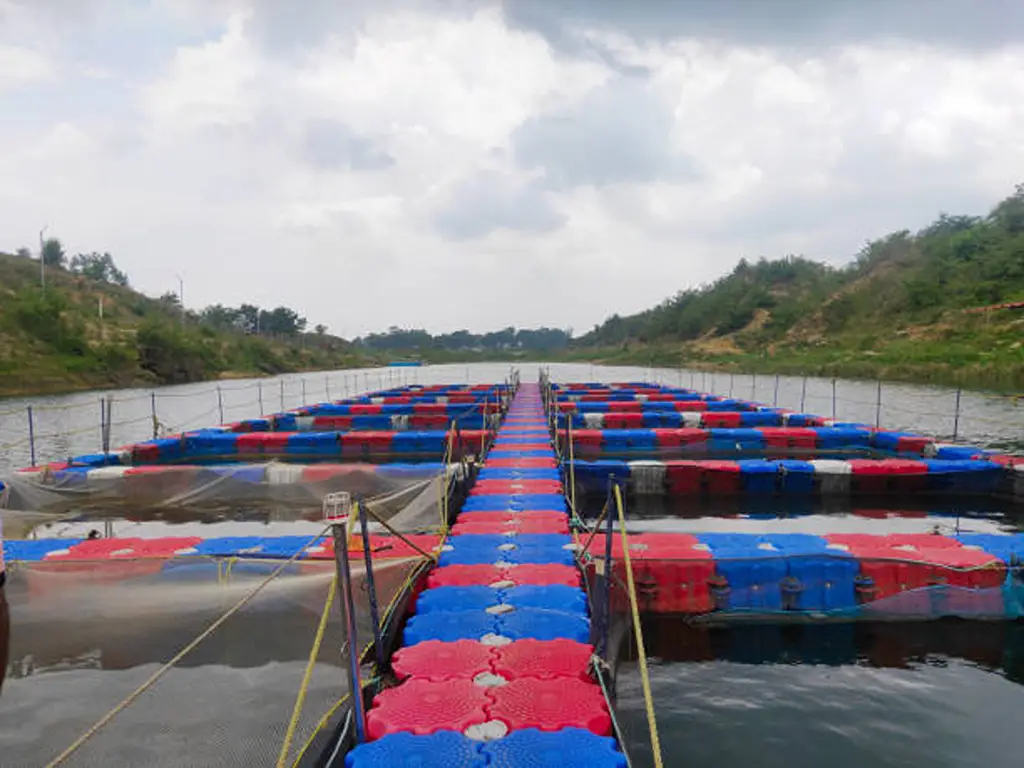
Los sistemas Hisea Dock utilizan polietileno de alta densidad (HDPE), a diferencia de los elevadores tradicionales de madera o acero. Se trata de un material estratégico; tiene una gran resistencia a la tracción y una resistencia específica al impacto (IZOD), lo que es importante para absorber la energía cinética del atraque de un barco. Estos sistemas son modulares, por lo que no tienen una capacidad fija en el sentido tradicional, sino que se ensamblan para adaptarse al desplazamiento concreto del barco. El diseño modular permite formar un atracadero en forma de U o de V que soporta directamente los tubos de los pontones, distribuyendo uniformemente la carga y eliminando los puntos mecánicos de fallo presentes en los elevadores de cable.

¿Cómo se calcula la capacidad necesaria de los muelles de acceso?
Los diques autopropulsados funcionan basándose en el concepto de desplazamiento por flotabilidad, en contraposición a la elevación mecánica. Para que el sistema funcione, hay que calcular la flotabilidad neta necesaria para garantizar que el buque esté completamente seco.
Mecánica de los sistemas de accionamiento
La planificación de la capacidad requiere comprender el principio de Drive-on. Un muelle drive-on es una grada especial, a diferencia de un elevador mecánico que levanta un peso fijo. El sistema aprovecha la propulsión de la embarcación (empuje del motor) para vencer la resistencia inicial de la flotabilidad y la fricción y permitir que la embarcación se deslice sobre la plataforma. El peso de la embarcación es sostenido completamente por la flotabilidad del muelle cuando está seco. Esta entrada dinámica exige que el muelle tenga una gran resistencia al impacto y un diseño que dirija la quilla hacia el centro para evitar cargas excéntricas que puedan inclinar el sistema durante el atraque.
Distribución de la carga y superficie
El volumen sumergido es un factor de flotabilidad, mientras que la superficie y la distribución de la carga son factores de estabilidad.
Superficie: Un muelle de mayor superficie hace que el agua sea empujada sobre un área mayor, lo que forma una plataforma más estable. En el caso de las embarcaciones pontón, que son de manga ancha (suelen tener 8,5 pies), el muelle debe ser lo bastante ancho no sólo para soportar el peso, sino también para contrarrestar el momento de balanceo en caso de que los pasajeros se concentren en un lado.
Distribución de la carga: Un barco pontón concentra la masa en la popa (motor, depósito de combustible, baterías) y a lo largo de los dos tubos paralelos. Un muelle de atraque debe ajustarse a esta huella. Un sistema modular puede apilarse dos veces en la popa con cubos para soportar el peso del pesado motor, pero dejar ligera la sección de proa. Cuando la superficie del muelle es demasiado pequeña en comparación con el centro de gravedad de la embarcación, el sistema puede soportar el peso, pero ser inestable (bascular) bajo los pies.
La lógica del cálculo
Flotabilidad requerida > Peso húmedo + Carga estática (personas caminando por el muelle) + Margen de seguridad.
El muelle debe poder soportar el peso de la embarcación y, al mismo tiempo, tener un francobordo suficiente para que los usuarios puedan caminar por el perímetro sin mojarse los pies.
Hisea Dock está obteniendo buenos resultados en esta aplicación gracias a su cadena de suministro y su ingeniería. Ofrecen una solución escalable con más de 10 años de experiencia en fabricación y una capacidad de producción diaria de 1.120 unidades flotantes.
- Integridad estructural: Los cubos Hisea Dock tienen orejetas de conexión de 19 mm de grosor y un sistema de enclavamiento cuádruple, que permite que los cubos se mantengan estables incluso cuando se desplaza el peso de un tritoon de 3.000 libras.
- Personalización: Dado que la distribución del peso es diferente en las distintas marcas de embarcaciones (como se muestra en nuestra tabla de marcas), la capacidad de Hisea Dock para personalizar los diseños en 10-15 días proporciona la huella del muelle que se ajusta perfectamente a la geometría del casco.
- Durabilidad: El HDPE estabilizado frente a los rayos UV se utiliza para que el muelle resista los mismos factores de estrés ambiental que la propia embarcación, y tiene una vida útil 20-30% superior a la de los competidores. Esta durabilidad, respaldada por una garantía de 5 años, transforma el cómputo económico de la propiedad del muelle en un activo de capital a largo plazo, en lugar de un coste consumible.
Conclusión
La variable más importante en todas las ecuaciones sobre la propiedad de un barco pontón es su peso. Determina el tamaño del motor necesario para rendir, el tipo de vehículo necesario para remolcarla y los requisitos de ingeniería del sistema de almacenamiento que se utilizará para sujetarla.
Tanto si es usted un propietario particular en busca de la embarcación pontón perfecta como un operador que gestiona una flota para Avalon Pontoon Adventures (o servicios de alquiler similares), comprender la masa es clave. Al ir más allá de la cifra de folleto del peso en seco y determinar el peso real de funcionamiento, el peso en húmedo y el peso de remolque, los propietarios se protegen contra los riesgos. A la hora de elegir una camioneta de gran tonelaje para realizar un transporte campo a través para sus próximas aventuras en pontones o para instalar un sistema modular Hisea Dock en una propiedad frente al mar, la precisión en estos cálculos hará que la inversión sea segura, práctica y agradable a largo plazo.
PREGUNTAS FRECUENTES
P: ¿Cuál es el peso de un barco pontón de 20 pies?
A: El peso en seco (sólo embarcación y motor) de una embarcación pontón de 20 pies suele oscilar entre 2.000 y 2.400 libras. Esta cifra puede variar en función del fabricante, los materiales y el tamaño del motor instalado.
P: ¿Cuál es el peso de un barco pontón de 20 pies (operativo)?
A: El peso de un barco pontón de 20 pies es de aproximadamente 2.000 a 2.400 lbs. en seco. Pero cuando se incluye el combustible (aproximadamente 6 libras por galón), el equipo y los pasajeros, el peso en funcionamiento será mucho mayor.
P: ¿Cuál es el peso de un barco pontón de 24 pies?
A: Un barco pontón más grande, de 24 pies, suele pesar entre 2.400 y 2.880 libras (peso en seco). Los barcos de esta categoría también pueden tener características más pesadas, como motores más grandes o modelos de pontón triple (tritoon), que pueden elevar el peso muy por encima de las 3.000 libras.
P: ¿Cuál es el peso de un barco pontón y su remolque?
A: El peso total de una embarcación de pontones y su remolque (el peso total que tienes que remolcar) suele ser de 3.000 a 4.500 libras o más. En este cálculo intervienen el peso de la embarcación (por ejemplo, 2.200 lbs), el peso del remolque (por ejemplo, 1.000-1.200 lbs) y el peso del combustible y los aparejos de la embarcación.

 English
  Thai
Thai  Spanish
  French
  German
  Dutch
Dutch  Italian
  Arabic
  Indonesian
  Portuguese
  Turkish