
Introducción
Disponer de una plataforma en la orilla para nadar, navegar o relajarse es una experiencia maravillosa, pero los antiguos muelles fijos suelen ser caros y están sujetos a las fluctuaciones del nivel del agua. Los muelles flotantes ofrecen una solución nueva y viable a estos problemas. Más de lo que pueda parecer, un muelle es un elemento vital de infraestructura que tiene que soportar la implacable física de la flotabilidad y las presiones ambientales.
Conocer la anatomía de un dique es un requisito previo para la seguridad, la prudencia financiera y la longevidad. Este blog aborda la estructura general de un dique y los sistemas de componentes particulares de las estructuras flotantes: desde los marcos estructurales y los flotadores de flotación hasta los herrajes de anclaje. Conociendo estos componentes y sus ventajas materiales, podrá mantener su inversión frente al mar como un activo seguro y operativo.
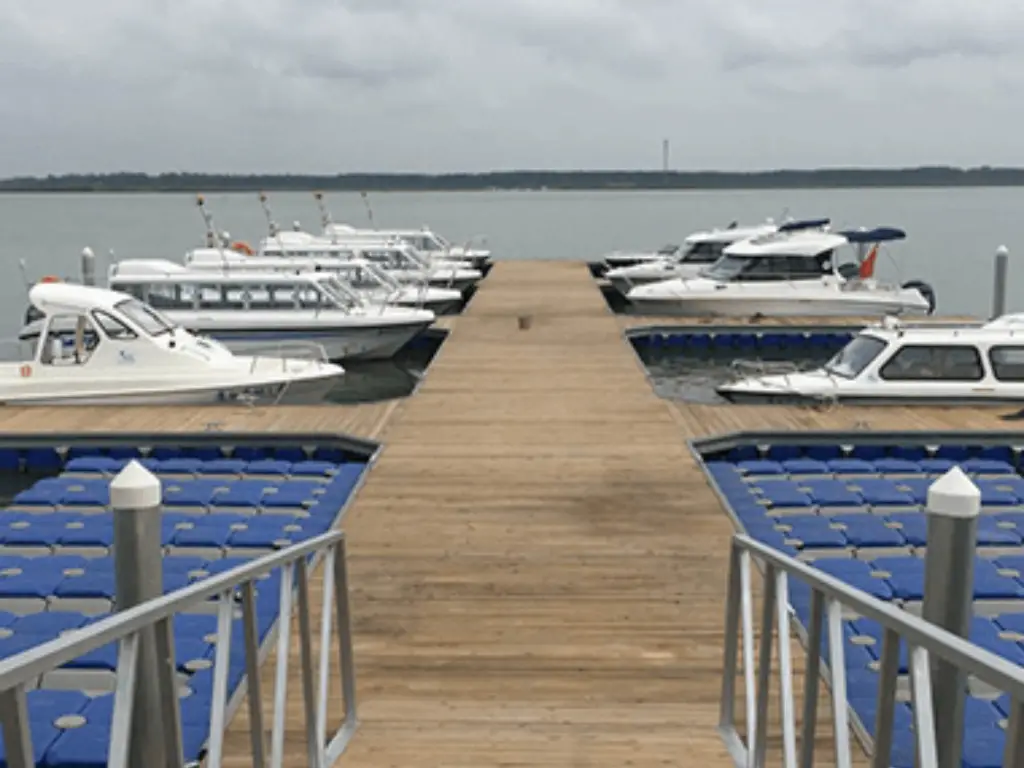
¿Por qué es importante conocer los componentes de un muelle?
El conocimiento de las piezas del muelle no es sólo una cuestión de ensamblaje, sino de fallo sistémico. Cada componente es un elemento de un ecosistema mayor y la plataforma sólo puede ser tan segura como su punto más débil. Ignorar aspectos técnicos como la integridad de los elementos de fijación o la flotabilidad de los flotadores no sólo acarrea problemas de mantenimiento, sino que plantea verdaderos riesgos estructurales y pone en peligro la seguridad de todas las personas que navegan.
La elección del material define directamente la duración de un muelle frente a los elementos. Como el agua es un factor de estrés continuo, la química adecuada, como el polietileno de alta densidad en lugar de la madera tratada, puede aumentar la vida útil de un muelle en más de 20 años en lugar de cinco. Con estas sutilezas metalúrgicas y químicas, podrá construir no sólo en la temporada actual, sino a largo plazo.
Además de la durabilidad, los herrajes adecuados son un amortiguador muy importante para su embarcación, ya que absorben la energía de las estelas y las tormentas en lugar de devolverla con fuerza bruta. Estos detalles también garantizan el cumplimiento de la normativa. La elección de las barandillas adecuadas y de materiales respetuosos con el medio ambiente puede ser la diferencia entre una instalación permanente y legal y el alto precio de las mudanzas forzosas por incumplimiento de los permisos.
Muelles Fijos vs. Flotantes: ¿Cuál es la diferencia entre los componentes?
La decisión de utilizar un embarcadero fijo o flotante depende exclusivamente de las características del agua en tu ubicación. Mientras que los embarcaderos fijos se construyen como estructuras permanentes y fijas con pilotes clavados directamente en el lecho, los embarcaderos flotantes son estructuras modulares montadas sobre flotadores o pontones.
Los elementos técnicos necesarios en cada sistema son fundamentalmente diferentes por la forma en que responden al estrés ambiental:
| Función / Componente | Muelle fijo | Dique flotante |
| Método de apoyo | Pilotes hincados en el lecho | Flotadores/pontones flotantes |
| Adaptabilidad al agua | Lo mejor para niveles de agua estables | Esencial para aguas mareales/fluctuantes |
| Componentes principales | Pilotes sumergidos, arriostramiento transversal | Pontones, pasarelas, guías de pilotaje |
| Estabilidad | Estática y rígida | Se mueve con ondas (puede ser "saltarina") |
| Facilidad de retirada | Muy difícil; permanente | Relativamente fácil; modular |
| Refuerzo | Travesaño submarino en forma de X | Chasis y bastidor internos de alta resistencia |
| Hardware de conexión | Pernos estructurales rígidos | Conectores flexibles (bisagras pivotantes/juntas articuladas) |
| Interfaz con la costa | Placas de transición fijas | Kits de rodillos o conjuntos de guías |
| Rodillos/guías de pilotaje | Atornillado directamente a la pila | Guías de pilotaje (a menudo con rodillos de polietileno) |
Ingeniería del entorno dinámico
Los diques flotantes se diseñan como sistemas dinámicos, que requieren un hardware fundamentalmente distinto al de los diques fijos. Mientras que los diques fijos se anclan mediante pilotes permanentes para sostenerlos y anclarlos, un sistema flotante no debe fijarse al lecho marino para permitir que suba y baje con el nivel del agua. Para ello, emplea sistemas de anclaje especiales y conectores flexibles.
Los pernos rígidos en un entorno flotante están sujetos a la fractura rígida debido a la energía cinética de las olas que siempre está presente. La estructura es capaz de respirar con el agua utilizando bisagras flexibles y juntas articuladas que esencialmente absorben y liberan energía para evitar el fallo estructural. Además, el entorno químico determina la durabilidad del material; en agua salada, es necesario utilizar aluminio de calidad marina o acero galvanizado por inmersión en caliente para evitar la rápida corrosión electroquímica, lo que garantiza la integridad de todos los elementos de fijación y del armazón a largo plazo.
Eficiencia operativa y versatilidad funcional
Los conocimientos de ingeniería de los diques flotantes se convierten en una amplia capacidad funcional. Además del amarre convencional, estas plataformas estables pueden utilizarse en una amplia variedad de aplicaciones: navegación y baño recreativos, puertos deportivos comerciales y restaurantes frente al mar. Incluso durante la respuesta a emergencias, su flexibilidad es fundamental, ya que ofrece un acceso rápido a lugares que han quedado bloqueados por inundaciones u otras calamidades naturales.
Una de las principales ventajas de los diques flotantes es su facilidad de desmontaje y reposicionamiento. A diferencia de los diques fijos tradicionales, los diques flotantes no están anclados permanentemente a la costa o al lecho marino. Esto significa que pueden retirarse o reposicionarse fácilmente según sea necesario, lo que proporciona una mayor flexibilidad y versatilidad. Los diques flotantes pueden desmontarse rápida y fácilmente, lo que resulta especialmente útil en zonas en las que el nivel del agua fluctúa o en las que hay que reubicar los diques por necesidades cambiantes. Además, el diseño ligero de la mayoría de los diques flotantes permite transportarlos fácilmente a otros lugares, lo que los hace ideales para su uso en aplicaciones temporales o estacionales.
Por último, los diques flotantes son modulares, lo que significa que son fáciles de instalar rápidamente y con un impacto mínimo. Los sistemas flotantes pueden erigirse e instalarse en una fracción del tiempo en comparación con los diques fijos, que necesitan maquinaria pesada de construcción y causan una importante alteración del lecho marino. Esta eficacia los ha convertido en la mejor opción en lugares remotos, zonas sensibles desde el punto de vista medioambiental o proyectos urgentes que requieren una interfaz funcional frente al mar de forma inmediata.
Anatomía del muelle: Cuatro sistemas de componentes básicos
Para lograr esta versatilidad y fiabilidad, cada componente debe estar bien diseñado. Un dique flotante es un sistema complejo de componentes combinados, como el armazón estructural, los soportes flotantes, las guías de pilotaje, las cubiertas, las pasarelas, las placas de transición, las barandillas de seguridad, las cornamusas de amarre y los sistemas de anclaje. Todos estos elementos se combinan para formar una plataforma estable y funcional. Los dividimos en cuatro grandes sistemas funcionales para comprender mejor el papel mecánico de cada pieza:
Sistema y estructura de apoyo
Este sistema sirve como base del muelle, que soporta el peso y la integridad estructural.
- Marco principal: El chasis estructural del muelle. Sirve de base principal, que reparte el peso y se opone a las fuerzas posteriores del viento y las olas. El armazón debe estar diseñado para proporcionar un equilibrio entre rigidez y flexibilidad, ya sea de aluminio de calidad marina, acero galvanizado o madera tratada a presión. El armazón de un sistema flotante debe ser lo bastante rígido para mantener la cubierta en su sitio sin que se hunda, pero lo bastante flexible para soportar la torsión provocada por el movimiento del agua.
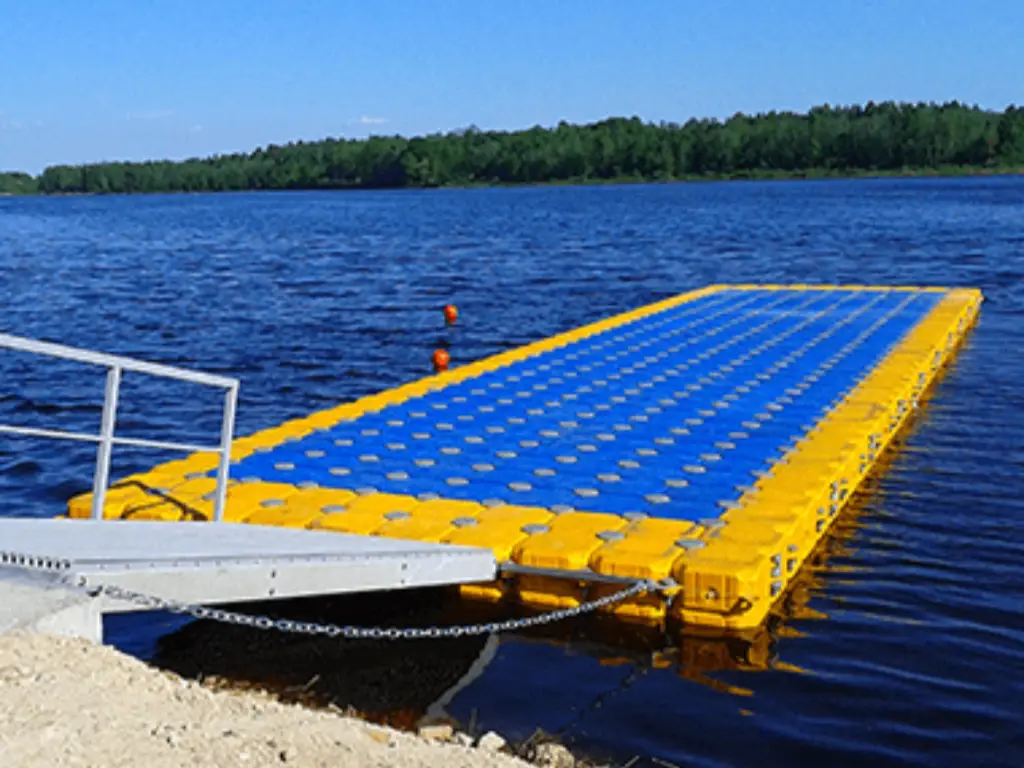
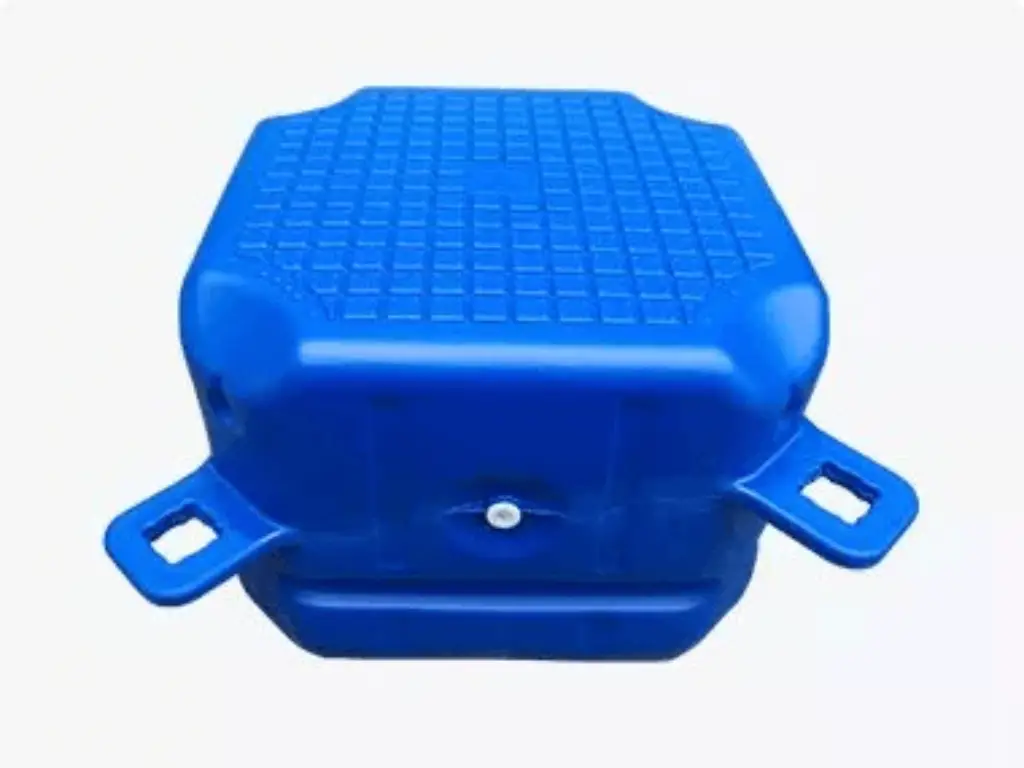
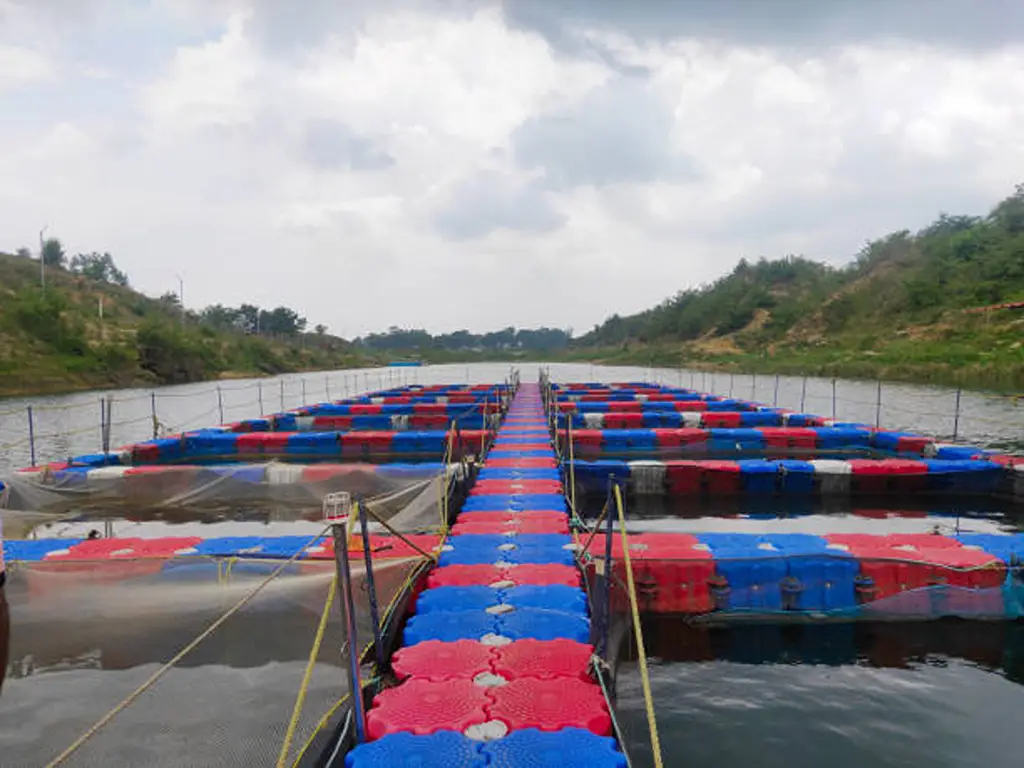
- Flotadores/Pontones (Soportes flotantes): Los soportes de flotación son componentes de los muelles para embarcaciones que proporcionan flotabilidad y apoyo al muelle flotante. Los soportes flotantes tienen varias formas y tamaños y pueden configurarse para adaptarse a los requisitos específicos del muelle. Existen varios tipos de soportes flotantes. Los flotadores rellenos de espuma suelen utilizarse para muelles más pequeños y están fabricados con espuma de célula cerrada envuelta en un armazón duradero. Los muelles más grandes pueden necesitar varios soportes flotantes rellenos de aire para mantener la estabilidad. Los flotadores de aire están fabricados con materiales hinchables y pueden modificarse fácilmente para adaptarse a los cambios del nivel del agua. Los flotadores rellenos de aire están fabricados con materiales hinchables y pueden ajustarse fácilmente para adaptarse a los cambios del nivel del agua. Los tambores de plástico son componentes de muelles flotantes que se utilizan como soportes flotantes y pueden fijarse a la parte inferior del muelle mediante abrazaderas u otros mecanismos de fijación. El rendimiento de un dique flotante se basa en el diseño de estos flotadores; el diseño define la estabilidad total y la carga de peso. Estos soportes dependen directamente de su desplazamiento volumétrico para rendir. La huella es constante, pero la altura del flotador tiene un efecto importante en la capacidad y la altura sobre el agua del dique:
| Dimensiones del flotador (mm) | Flotabilidad máxima (kg por unidad) | Calado (carga vacía) | Calado (carga estándar) | El mejor caso de uso |
| 500 x 500 x 400 | Aprox. 85 - 95 kg | ~5 - 8 cm | ~25 - 30 cm | Pasarelas peatonales estándar y muelles para motos acuáticas. |
| 500 x 500 x 500 | Aprox. 115 - 125 kg | ~6 - 10 cm | ~30 - 35 cm | Plataformas para cargas pesadas, muelles comerciales o zonas con equipos de gran peso. |
- Elevar la altura a 500 mm proporciona aproximadamente 30 kg de flotabilidad adicional por unidad. Este movimiento adicional es esencial para plataformas de uso intensivo o comercial; es necesario asegurarse de que, incluso con una carga completa, el muelle tenga un calado seguro, con suficiente francobordo para mantener la cubierta seca y estable cuando se utiliza intensivamente.
- Rodillos/guías de apilamiento: Se trata de dispositivos mecánicos que sujetan el dique flotante a pilotes fijos o raíles. Se utilizan principalmente para permitir que el dique se mueva hacia arriba y hacia abajo con las mareas y la subida y bajada del embalse y para evitar la deriva horizontal. Las guías de pilotaje garantizan que la estructura no choque contra la costa u otros barcos en caso de fuertes marejadas o vientos huracanados, asegurando que el dique permanezca en la huella asignada.
Sistema de acceso y superficie
Este sistema determina la experiencia del usuario, lo que facilita el desplazamiento entre la orilla y el agua.
- Tarima: La cubierta es la superficie superior del dique flotante y es donde se estacionan los barcos y otras embarcaciones. Es la plataforma donde se atracan y amarran las embarcaciones. La cubierta puede estar hecha de diversos materiales, como madera, materiales compuestos, aluminio o plástico. La elección del material de la cubierta depende de factores como el coste, la durabilidad y los requisitos de mantenimiento. Las cubiertas de madera son muy populares por su aspecto natural, su precio asequible y su facilidad de sustitución. Los suelos compuestos son más caros, pero requieren menos mantenimiento y duran más. A la hora de elegir, compare los materiales en términos de comodidad para los pies (retención del calor), propiedades de disipación y texturas antideslizantes.
- Rampas y pasarelas: Las rampas y pasarelas son componentes esenciales de un dique flotante, ya que proporcionan acceso al muelle y desde el mismo. Las rampas y pasarelas son elementos que suelen encontrarse a lo largo de la costa. Las rampas se utilizan preferentemente cuando la distancia entre el muelle y la costa es corta. Por otro lado, las pasarelas son adecuadas cuando la distancia de la orilla al muelle es larga. Las rampas y pasarelas suelen estar fabricadas con los mismos materiales que la cubierta y pueden ser fijas o ajustables en longitud. Las pasarelas ajustables son especialmente útiles en zonas con niveles de agua variables. Pueden elevarse o bajarse para proporcionar un acceso seguro y cómodo al muelle. Una de las consideraciones de diseño más importantes es la relación de inclinación; la pasarela debe ser lo suficientemente larga para garantizar que los peatones puedan caminar por ella con seguridad incluso con marea baja.
- Placas de transición: Las placas de transición son las partes de un muelle que se utilizan para salvar la distancia entre el muelle y la orilla o el dique. Están hechas de un material resistente, como aluminio o acero, y están diseñadas para soportar el peso de los vehículos y equipos que tienen que cruzar entre el muelle y la orilla. Las placas de transición son un importante elemento de seguridad que evita accidentes y daños al muelle y a las estructuras circundantes. Estas placas rellenan el pequeño hueco existente entre la rampa y la superficie del muelle, eliminando el problema de la accesibilidad de las sillas de ruedas y evitando que se produzcan accidentes por tropiezos y caídas.
Sistema de protección y defensa
Estos elementos protegen el muelle y la embarcación contra el medio ambiente y el funcionamiento.
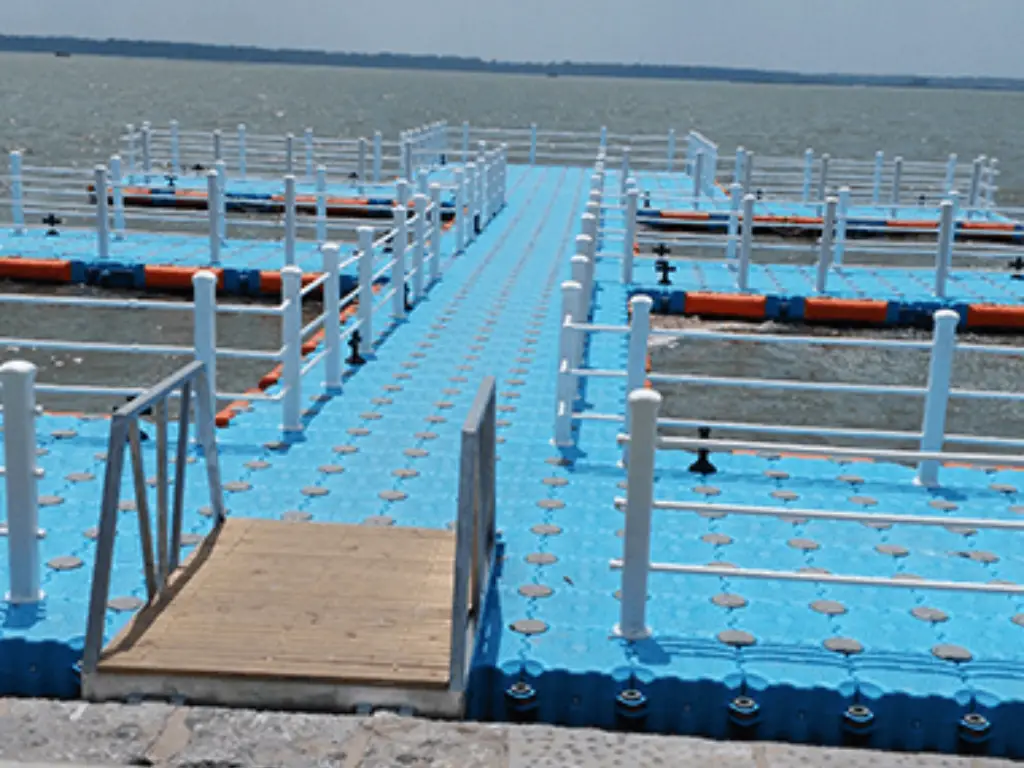
- Barandillas: Las barandillas forman parte de los muelles de embarcaciones y cumplen una función tanto funcional como estética. Además de proporcionar seguridad y estabilidad, las barandillas de los muelles pueden ayudar a definir el espacio, realzar su atractivo visual y crear una sensación de cerramiento. La altura de la barandilla y la separación de los balaustres deben cumplir los códigos de construcción y las normas de seguridad locales. La elección de los materiales para las barandillas de los muelles dependerá de los requisitos específicos del proyecto. Las barandillas de madera pueden ser una buena opción por su aspecto natural y su bajo coste, pero requieren un mantenimiento regular para evitar la putrefacción y el deterioro. Las barandillas metálicas son resistentes y duraderas, pero pueden ser más caras. Las barandillas de vinilo requieren poco mantenimiento, pero pueden no tener el mismo atractivo estético que la madera o el metal. Además de la seguridad, las barandillas contemporáneas pueden incluir iluminación LED y proporcionar un mayor cumplimiento de la ADA (Acceso Universal).
- Escaleras: Se trata de los elementos de seguridad más importantes para los rescates de emergencia. Una buena escalera marina dará una salida rápida a cualquiera que caiga al agua accidentalmente. Se aconsejan los modelos abatibles, que pueden levantarse cuando no se utilizan; de este modo, los peldaños no se vuelven resbaladizos por las algas ni se cubren de percebes puntiagudos (crecimiento marino), por lo que cuando se necesitan son seguros para agarrarse.
- Parachoques y cantoneras: La protección del muelle es necesaria para evitar daños al muelle y a las embarcaciones amarradas a él. La protección puede ofrecerse mediante una serie de accesorios como defensas, parachoques y barandillas de protección. Los parachoques son materiales de goma dura que se fijan al muelle y amortiguan el impacto de las embarcaciones cuando están estacionadas. Los guardabarros son tiras de plástico o caucho que se colocan alrededor de los bordes del muelle y amortiguan el impacto de las embarcaciones.
- Guardabarros: Las defensas son materiales hinchables que se colocan en el muelle y amortiguan el muelle y la embarcación. Para que sean eficaces, las defensas deben ajustarse al calado y tamaño de la embarcación amarrada.
Sistema de amarre y estabilización
Este sistema hace que el muelle y las embarcaciones estén a salvo de la corriente, el viento y las olas.
- Tacos: Son los principales puntos de anclaje para fijar su embarcación. Su instalación es importante porque tienen que ser capaces de soportar grandes cargas de tracción, sobre todo cuando una embarcación pesada tira contra ellos en una tormenta. Los constructores profesionales siempre sugerirán que se instalen con pernos pasantes, en los que los herrajes se taladran a través del armazón y se fijan con una placa de apoyo, en lugar de meros tornillos superficiales que pueden arrancarse fácilmente de la cubierta.
- Embarcaderos: Los slips son los espacios designados en el muelle donde se aparcan las embarcaciones y otras motos acuáticas. Son como plazas de aparcamiento para distintas embarcaciones. Los pantalanes pueden configurarse en varios tamaños y formas para acomodar distintos tipos de embarcaciones. Pueden ser fijos o ajustables para adaptarse a las diferentes esloras y anchuras de las embarcaciones. La ubicación y orientación de los amarres en el muelle son consideraciones importantes para aprovechar al máximo el espacio y facilitar el acceso a los navegantes.
- Sistema de anclaje: Además, la protección del dique implica mantener el dique en su sitio para evitar que el dique flotante se aleje flotando. El peso y el tamaño de un dique flotante influyen en el tipo de sistema de anclaje que será eficaz para mantener el dique flotante en su sitio. De ahí la importancia de elegir un sistema de anclaje adecuado para evitar el efecto adverso de las olas y el viento y los daños que pueden causar en el dique flotante. Para lograr esta estabilidad, suelen desplegarse pesos muertos en los lechos blandos de los lagos con el fin de proporcionar una base estática gracias a la pura masa. En aguas más profundas o en zonas de mareas, las cadenas de anclaje son la opción preferida, ya que permiten que el muelle suba y baje mientras su peso sumergido actúa como amortiguador natural. En entornos con fuertes corrientes, como ríos o canales estrechos, los brazos rígidos actúan como puntales mecánicos rígidos que mantienen una distancia fija y precisa de la línea de costa para evitar el balanceo lateral.
Guía de selección de materiales para muelles: Encontrar el equilibrio adecuado
La elección del material adecuado es un compromiso entre la inversión de capital inicial y los gastos de mantenimiento a largo plazo. Lo siguiente que hay que tener en cuenta antes de elegir un muelle por su estética es cómo se comportará el material en la próxima década.
| Tipo de material | Coste inicial | Vida útil | Mantenimiento | Seguridad y confort | Lo mejor para... |
| Madera tratada a presión | Bajo | 5-10 años | Alta: Teñido y lijado anual | Alto riesgo de astillas; calor moderado | Proyectos de agua dulce con un presupuesto ajustado. |
| Compuesto (WPC) | Medio-Alto | 15-20 años | Bajo: Limpieza ocasional | Puede ser resbaladizo cuando está mojado; mantiene el calor | Muelles residenciales con tráfico peatonal ligero. |
| Aluminio | Alta | Más de 30 años | Muy bajo | Excelente agarre; puede calentarse mucho | Instalaciones permanentes en lagos interiores. |
| HDPE modular | Medio | Más de 20 años | Cero | Antideslizante; resistente a los rayos UV; se mantiene fresco | Agua salada, construcciones de bricolaje y zonas de gran agitación. |
Aunque el precio inicial de la madera tratada a presión es el más bajo, tiene un elevado coste oculto, que corresponde a la mano de obra y a los tratamientos químicos anuales. Para aquellas personas que busquen una opción que no requiera mantenimiento, los módulos de HDPE y aluminio serán una mejor opción, aunque resulten más caros a corto plazo. El HDPE, en concreto, es la opción más segura, ya que no se calienta con el sol y no presenta riesgo de astillas ni óxido, por lo que es la opción más adecuada para instalaciones familiares y comerciales.
Selección de piezas específicas para el emplazamiento: Adaptación del muelle al entorno
La elección del material adecuado para la superficie no es el final de la batalla. Para que su muelle sea una inversión a largo plazo, debe adaptar el hardware y los componentes del muelle a la química y la energía de su paseo marítimo.
Control de la corrosión en agua salada
El agua salada es un agente oxidante muy fuerte, por lo que las fijaciones de acero ordinarias tenderán a deshacerse en menos de 24 meses, socavando la integridad estructural de todo el muelle. En tales entornos marinos, los herrajes de acero inoxidable 316 o galvanizados en caliente (HDG) son absolutamente imprescindibles en términos de seguridad.
Además de las fijaciones, los armazones metálicos de los muelles en agua salada se ven afectados con frecuencia por la electrólisis, el llamado efecto batería, que acelera la corrosión. Por eso, los sistemas modulares de HDPE son la nueva norma del sector en las zonas costeras. Son químicamente inertes y, por tanto, resistentes a la corrosión del agua salada y no necesitan ánodos de sacrificio ni mantenimiento periódico para mantenerse intactos.
Ingeniería de estabilidad de aguas de alta energía
Si su instalación se encuentra en una zona de fuerte oleaje, un canal con mucho tráfico de embarcaciones o un lugar donde es probable que se produzcan tormentas estacionales, sus herrajes deben diseñarse para absorber energía en lugar de resistirla. El muelle debe actuar como un amortiguador en esos entornos de alta energía.
Con la ayuda de los pasadores de conexión flexibles y los anclajes de peso muerto pesado, permite que el muelle se doble y ruede con las olas. Esto se debe a que permite que las juntas se doblen sin la tensión mecánica que normalmente provoca la rotura de las juntas rígidas. Por otro lado, cuando se construye en un lago interior sereno, puede permitirse centrarse en materiales de aluminio ligeros y en el diseño, ya que no hay carga mecánica que considerar y, por tanto, puede construirse una estructura más rígida y ornamental.
Navegar entre mareas y embalses
Un muelle fijo es un inconveniente en lugares donde el nivel del agua varía mucho, como en zonas de mareas o detrás de presas hidroeléctricas, y puede ser arrastrado o despedazado por la acción de la flotación. En estos lugares, todo el sistema debe diseñarse para ser verticalmente móvil.
La instalación debe centrarse en componentes como los aros de pilotaje y las guías deslizantes que permiten que el muelle suba y baje por sus pilotes. Estos componentes concretos garantizan que el muelle se encuentre a una altura constante y segura con respecto a la superficie del agua en todo momento. En ausencia de este equipo especial, una marea entrante puede generar una fuerza ascendente suficiente para arruinar el armazón de un muelle o incluso arrastrar sus pilotes completamente fuera del agua.
Maniobrar estas variables ambientales es una ciencia complicada, y Hisea Dock la domina con la ayuda de una ingeniería sofisticada para garantizar que su inversión en el frente marítimo resista la prueba del tiempo.
¿Por qué los sistemas modulares de Hisea Dock son la opción más inteligente frente a las piezas de muelle tradicionales?
Estas variables medioambientales son una ciencia que Hisea Dock domina desde 2006. Convertimos el problema de la selección de piezas en una solución modular que se integra a su energía frente al mar.
Nuestros sistemas están fabricados con polietileno de alta densidad estabilizado a los rayos UV, que tiene una vida útil entre un 20% y un 30% superior a la de los materiales convencionales. Disponemos de tres opciones de flotabilidad flexibles que pueden utilizarse para adaptarse a sus necesidades de carga individuales: un flotador de perfil bajo de 250 mm que puede utilizarse de forma económica, un flotador estándar de 400 mm (nuestro más popular) y un flotador reforzado de 500 mm capaz de alcanzar una gran capacidad.
Cada componente está diseñado para proporcionar superioridad técnica, como orejas de conexión reforzadas de 19 mm y ranuras de cuatro lados para garantizar la máxima estabilidad, y una resistencia a la tracción diagonal de 14.389 N, diseñada para disipar la energía de las olas y emerger con seguridad en hielo congelado, estos sistemas prácticamente no requieren mantenimiento. Hisea Dock está respaldado por una garantía de 5 años y certificaciones ISO/CE, lo que ofrece el asesoramiento profesional y los elementos de alto rendimiento necesarios para dominar cualquier entorno.
¿Listo para construir un sistema con estos elementos de alto rendimiento? Explora nuestra gama completa de bloques modulares de muelles flotantes productos para tu proyecto o consulta nuestra exhaustiva guía de costes de instalación de bloques para muelles para planificar tu presupuesto.
Accesorios esenciales para muelles: Guía de seguridad y utilidades
Aunque los elementos estructurales básicos son los cimientos, el hardware especializado que hace que el muelle sea seguro para el usuario y eficiente es lo que hace que un muelle sea realmente funcional. Estos accesorios fundamentales se suman al armazón y la flotación básicos, que convierten una simple plataforma en un activo de alto rendimiento frente al agua.
| Categoría | Nombre del componente | Material/características recomendados | Función clave y finalidad |
| Núcleo de seguridad | Escaleras de muelle | Aluminio de alta calidad o acero inoxidable. | Actuar como "escalera de incendios" del paseo marítimo, proporcionando una ruta de salida crítica para cualquier persona que caiga al agua. |
| Iluminación del muelle | Luces LED alimentadas por energía solar. | Marque el perímetro del muelle por la noche para evitar accidentes de navegación y proporcionar un camino seguro. | |
| Estaciones de Life Ring | Naranja resistente a los rayos UV y de alta visibilidad. | Proporciona acceso inmediato y sin herramientas a los dispositivos de flotación para rescates acuáticos de emergencia. | |
| Servicios y utilidades | Pedestales eléctricos | Materiales industriales resistentes a la corrosión. | Suministra electricidad y agua dulce directamente a la grada para embarcaciones grandes. |
| Servicios y utilidades | Cajas de muelle | Fibra de vidrio resistente a los rayos UV o HDPE. | Actúa como un "armario" resistente a la intemperie para organizar chalecos salvavidas, aparejos de pesca y artículos de limpieza. |
| Enrolladores de manguera | Carcasas marinas resistentes a la corrosión. | Mantiene las mangueras de agua perfectamente enrolladas para evitar peligros de tropiezo y mantener limpia la superficie de la cubierta. | |
| Apoyo a la actividad | Estaciones de limpieza de pescado | HDPE de calidad alimentaria o acero inoxidable. | Espacio de trabajo dedicado e higiénico para procesar las capturas, normalmente equipado con desagüe integrado. |
| Portakayaks/SUP | Soportes acolchados de aluminio o acero. | Ahorra espacio en cubierta al proporcionar un almacenamiento vertical seguro para tablas de paddle y kayaks. | |
| Amarre y protección | Fustas de amarre | Fibra de vidrio de alta resistencia. | Postes flexibles que utilizan una tensión constante para mantener las embarcaciones alejadas del borde del muelle, evitando que las olas dañen el casco. |
| Ocio y confort | Bancos de muelle | Composite o aluminio con recubrimiento de polvo. | Ofrece asientos integrados para ver; los diseños suelen incluir huecos para evitar que el agua se estanque y se pudra. |
| Cuidados avanzados | Descongeladores de muelles | Motores sumergibles de alta velocidad. | Evita que se forme hielo alrededor del muelle en invierno, protegiendo la estructura flotante de la presión de aplastamiento. |
La elección de las piezas adecuadas de un muelle es un compromiso táctico entre la preparación para emergencias y la utilidad. Los elementos de seguridad, como las escaleras abatibles y la iluminación solar, son accesorios innegociables que ofrecen vías de escape instantáneas y visibilidad en situaciones de poca luz. Mientras tanto, los elementos de servicio, como los pedestales eléctricos y las cajas de muelle, transforman una plataforma fija en un completo varadero de servicio, que puede utilizarse para mantener una embarcación a largo plazo y almacenarla de forma organizada.
Por último, estos accesorios están destinados a salvaguardar sus dos activos más importantes, las personas que utilizarán el muelle y las embarcaciones que estarán amarradas a él. Con los látigos de amarre de alta resistencia a la tracción y las cajas de muelle protectoras, minimizará las posibilidades de dañar el entorno y maximizará la superficie que puede utilizar en su cubierta.
Ampliación y cumplimiento de la normativa Su muelle a prueba de futuro
Para asegurarse de que su inversión en muelles será útil a medida que cambien sus necesidades, es necesario tener en cuenta la flexibilidad a largo plazo de los elementos de su muelle. A prueba de futuro es la elección de piezas que puedan ampliarse físicamente, tengan servicios públicos integrados y cumplan estrictamente los requisitos medioambientales.
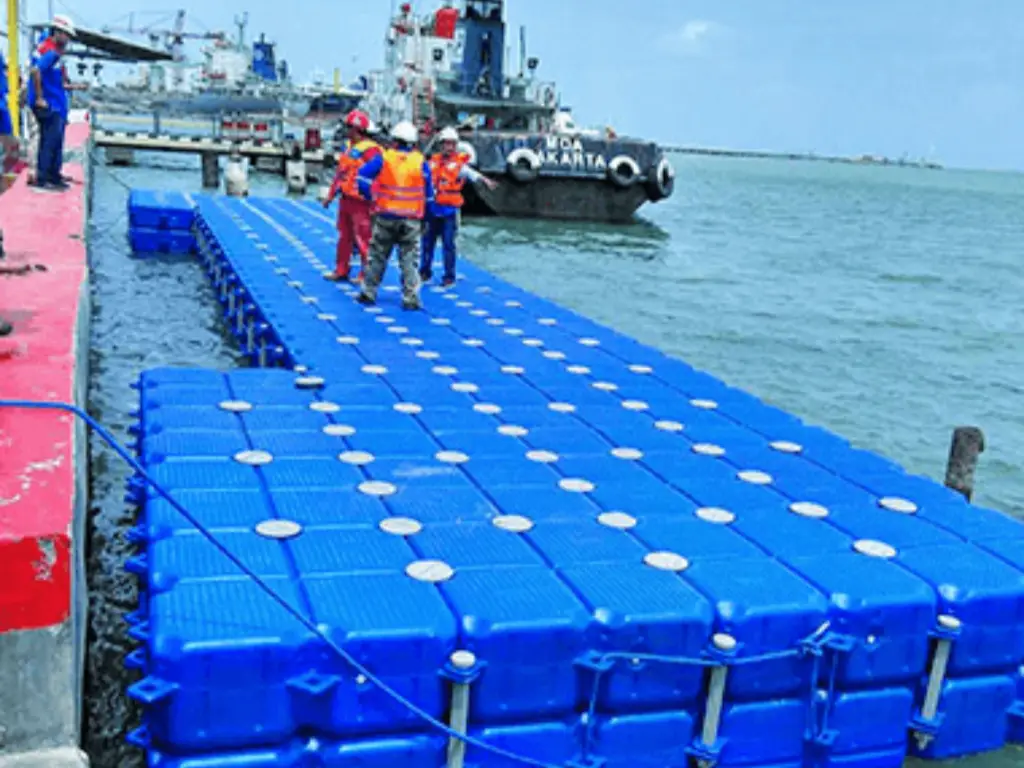
- Escalabilidad modular: La evolución, al estilo LEGO. Con la ayuda de sistemas modulares y pasadores de conexión estandarizados, puede considerar la construcción de su muelle como un proyecto tipo LEGO que puede ampliarse con el tiempo. Este diseño le permitirá añadir fácilmente más secciones de cubierta o nuevos amarres a medida que crezca su flota acuática. Le garantiza que podrá aumentar el tamaño de su muelle sin los costosos retos logísticos que suponen los equipos pesados o los contratistas especializados.
- Planificación proactiva de los servicios públicos: Es importante planificar el suministro eléctrico y de agua cuando se empieza a construir la cubierta; de lo contrario, tendrá que desembolsar una enorme cantidad de dinero para derribar lo que ha construido y adaptarlo. La elección de componentes de muelle con canales preformados o vías de conductos incorporadas ofrece una base preparada para los servicios públicos. Esta planificación a largo plazo le permite colocar en el futuro pedestales de electricidad y conductos de agua dulce sin tener que pasar por una remodelación estructural invasiva o una costosa construcción secundaria.
- Cumplimiento legal y gestión medioambiental: El mundo de los permisos es complicado, sobre todo porque la instalación de componentes como pilotes para aguas profundas puede requerir ciertas autorizaciones medioambientales y el cumplimiento de la normativa local sobre construcción. Cabe mencionar que, en la mayoría de las jurisdicciones, la madera tratada químicamente está prohibida en hábitats sensibles. Por eso, los reguladores suelen preferir los diques modulares de HDPE, por su inercia química y su cumplimiento de las estrictas normas medioambientales de no lixiviación.
Consejos para alargar la vida útil de las piezas del muelle
Es necesario un plan de mantenimiento proactivo de todos los componentes para que su inversión en muelles dure mucho tiempo. Las revisiones frecuentes garantizan que los pequeños desgastes no se conviertan en fallos estructurales y que su plataforma siga siendo segura tanto para los clientes como para las embarcaciones.
Frecuencia de mantenimiento de los componentes del muelle
| Sistema funcional | Nombre del componente | Acción de mantenimiento e inspección | Frecuencia sugerida |
| Estructura y apoyo | Marco principal | Compruebe si hay hundimiento, deformación o aflojamiento; inspeccione si hay grietas en la soldadura o signos de fatiga del metal. | Anualmente |
| Flotadores / Pontones | Inspeccione si hay daños en el caparazón o entrada de agua; limpie las superficies de acumulación de algas para mantener el equilibrio de flotabilidad. | Estacionalmente | |
| Guías de pilotaje | Verificar que los mecanismos de deslizamiento sean flexibles; asegurar un movimiento vertical suave con los niveles de agua sin deriva horizontal. | Trimestral | |
| Acceso y superficie | Tarima | Inspeccione si hay podredumbre (madera) o alabeo (materiales compuestos); verifique que las texturas antideslizantes estén intactas y seguras. | Trimestral |
| Rampas y pasarelas | Compruebe la seguridad de la pendiente; lubrique y pruebe las bisagras para garantizar un movimiento vertical suave. | Estacionalmente | |
| Placas de transición | Asegúrese de que las placas estén enrasadas y fijas para eliminar los peligros de tropiezo y mantener la accesibilidad. | Mensualmente | |
| Protección y defensa | Barandillas | Inspeccione la estabilidad y los signos de corrosión o putrefacción; confirme que la separación entre balaustres cumple las normas de seguridad. | Trimestral |
| Escaleras | Pruebe las funciones de abatimiento/plegado; limpie los peldaños de algas resbaladizas o percebes afilados. | Mensualmente | |
| Parachoques y guardabarros | Inspeccione los niveles de desgaste del caucho; refuerce cualquier perno de montaje suelto. | Estacionalmente | |
| Amarre y estabilidad | Calas | Comprobar la estanqueidad de los herrajes pasantes y las placas de refuerzo; confirmar la capacidad para soportar cargas de alta resistencia. | Trimestral |
| Sistema de anclaje | Inspeccionar la tensión y el desgaste de la cadena de anclaje; confirmar que los brazos rígidos impiden eficazmente el balanceo lateral. | Anualmente |
Procedimientos de mantenimiento críticos para el rendimiento y la seguridad
Los herrajes se aflojan de forma natural por la acción del oleaje y los cambios de temperatura. Compruebe todos los pasadores de conexión y tornillos estructurales cada temporada, con especial atención a las guías de pilotaje en zonas de fuerte oleaje, donde la tensión lateral es mayor. Cualquier elemento de fijación oxidado debe sustituirse por acero inoxidable 316 para evitar fallos estructurales localizados.
Los crecimientos marinos, como las algas y los percebes, también perjudican la flotabilidad y añaden mucho peso al muelle, haciéndolo más bajo en el agua. Para mantener los flotadores estables y con el calado adecuado, es importante limpiar la superficie subacuática de los flotadores al menos una vez al año con un rascador no abrasivo o un pulverizador de agua a alta presión.
Para preservar sus equipos en climas helados, desmonte los que no sean fijos, como las escaleras abatibles y las bombas sumergibles, antes de la helada inicial. En zonas de alta energía, los muelles deben desescarcharse para mantener el perímetro despejado y evitar que la estructura quede aplastada o desplazada por el hielo creciente.
Conclusión
Un muelle es mucho más que la suma de sus componentes; es una armonía bien afinada de ciencia de los materiales y ajuste medioambiental. Conociendo la anatomía de su muelle, la flotabilidad oculta de los pontones, la sujeción aparente de la cubierta, tendrá la certeza de contar con una estructura segura, conforme y duradera.
No es sólo en el corrosivo entorno de un puerto de agua salada donde los elementos que utilice hoy determinarán su experiencia en los años venideros, sino también en la búsqueda de una plataforma estable en un lago de montaña. Creemos que en Hiseadock estamos dando los ladrillos de ese futuro.
FAQS
P: ¿Qué son las tablas de un muelle?
A: El entarimado de un muelle son las tablas de la parte superior del muelle, y es la superficie para caminar y la plataforma sobre la que se amarran las embarcaciones.
P: ¿Cuál es la estructura de una placa de muelle?
A: Una placa de muelle (también conocida como placa de transición) consiste en una pesada placa metálica (de aluminio o acero) destinada a rellenar el espacio entre el muelle y la orilla y soportar el peso de vehículos y equipos.
P: ¿Cuáles son las 15 terminologías marítimas?
A: Los 15 términos marítimos son cubierta, pasarela, placa de transición, pontón, guía de pilotes, barandilla, guardabarros, cornamusa, grada, peso muerto, cadena de ancla, brazo rígido, francobordo y calado.
P: ¿Qué es un borde de muelle?
A: Un borde de muelle es el borde que está cubierto por barandillas de protección o parachoques que se instalan para amortiguar el impacto y proteger el muelle y los cascos de los buques.

 English
  Thai
Thai  Spanish
  French
  German
  Dutch
Dutch  Italian
  Arabic
  Indonesian
  Portuguese
  Turkish