
Préface
La stabilité est la condition sine qua non d'un quai de bateau sûr et fonctionnel. Le principal problème auquel sont confrontés les propriétaires riverains et les opérateurs maritimes est de savoir comment réduire le balancement et le roulis constants de l'eau dus au sillage des bateaux, à la charge du vent et aux courants changeants.
Il ne suffit pas d'ajouter un poids supplémentaire pour obtenir une plate-forme solide comme le roc ; il s'agit d'une combinaison calculée de physique hydrostatique et de géométrie structurelle. Ce manuel est une feuille de route technique sur l'art de la stabilisation des quais, de la simple répartition des charges à l'ingénierie modulaire sophistiquée, afin que chaque pas sur l'eau se fasse en toute confiance et sécurité.
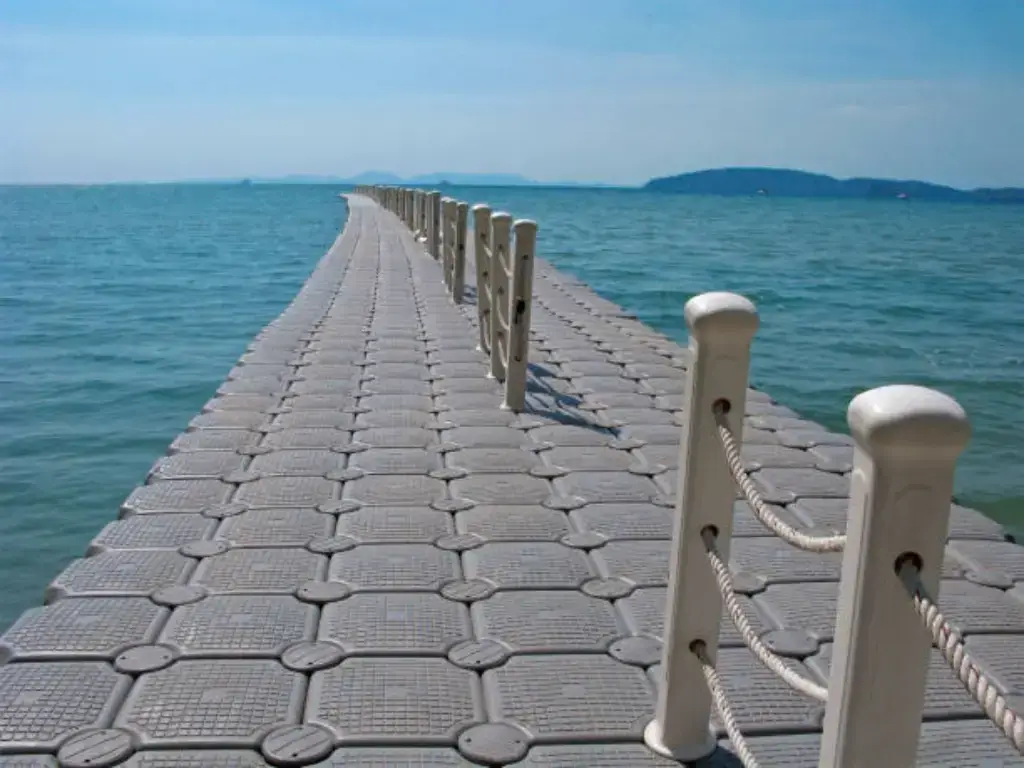
Qu'est-ce qu'un quai flottant ?
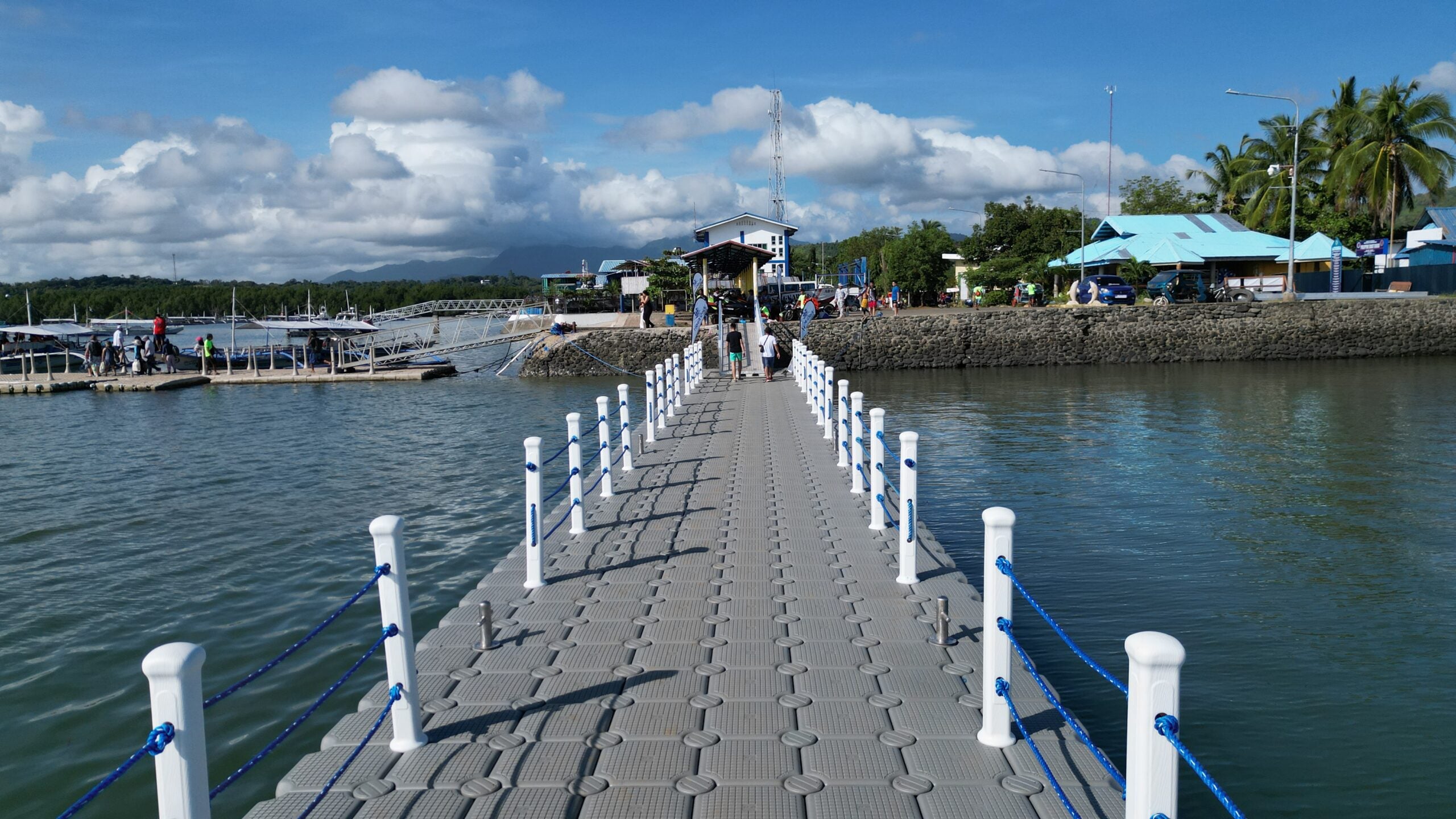
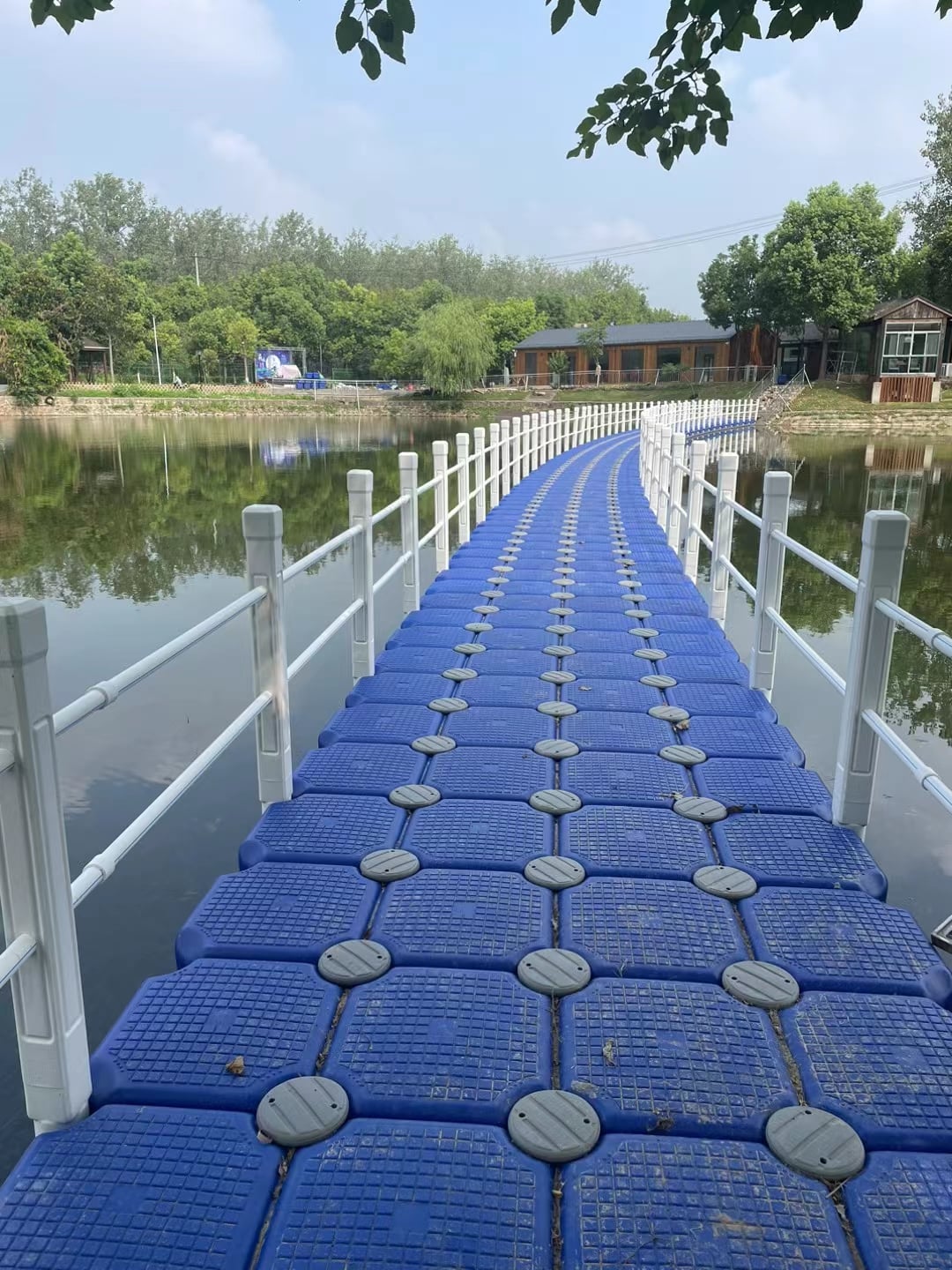
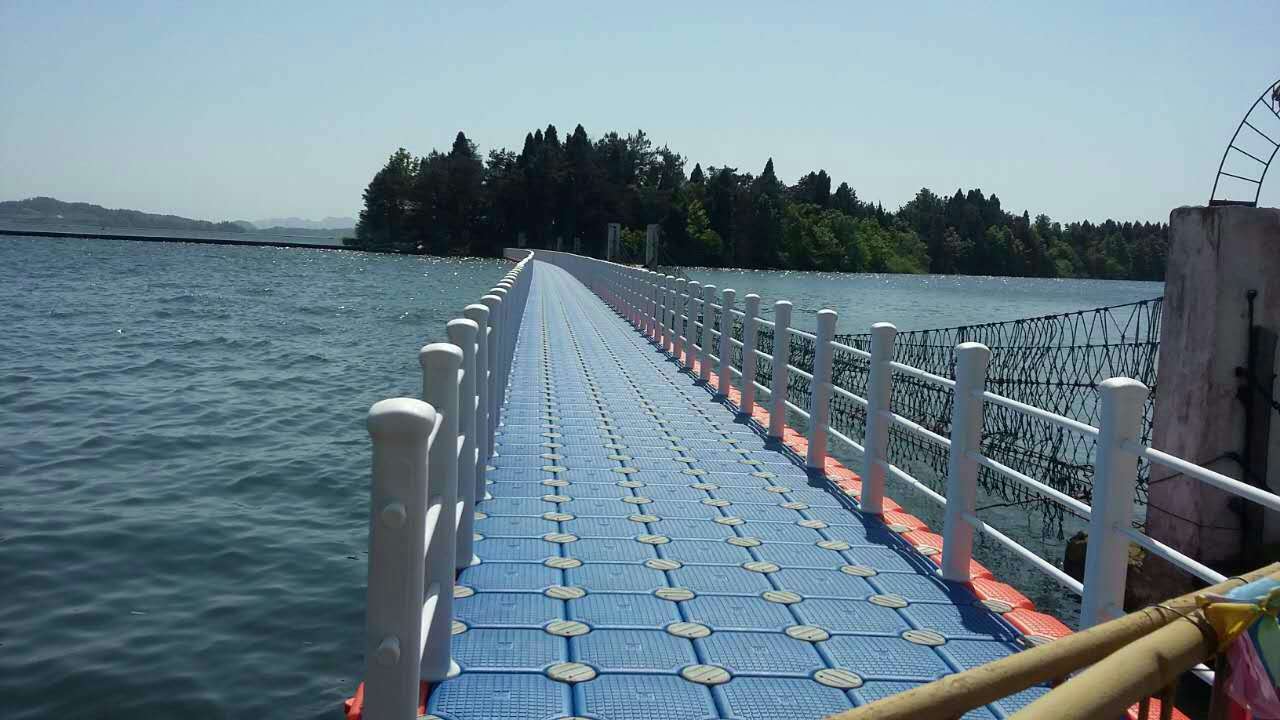
Un quai flottant est une construction conçue pour être placée sur l'eau et ancrée au rivage ou immergée dans l'eau. Il s'agit de quais construits sur l'eau et qui ont la capacité de changer de hauteur en fonction du niveau de l'eau dans le plan d'eau, ce qui permet aux bateaux d'y accéder facilement. Les quais flottants peuvent être fabriqués à partir de planches de bois, de métaux légers et de plastique, et peuvent être équipés d'accessoires en fonction de leur utilisation.
Les quais flottants sont préférés dans les marinas et les postes d'amarrage privés, car ils sont plus faciles à construire et à entretenir que les quais fixes. Ils peuvent être utilisés en eau calme, en rivière ou en mer.
Pourquoi les quais flottants oscillent-ils ? Diagnostic technique
Pour résoudre l'instabilité, il est nécessaire d'aller au-delà des solutions superficielles et d'effectuer une analyse technique des forces environnementales, géométriques et physiques particulières qui déterminent la réponse d'une plate-forme à l'eau.
Les forces extérieures
La stabilité ne fonctionne généralement pas car le quai n'est pas en mesure de dissiper l'énergie. Les brusques poussées d'énergie cinétique sont provoquées par le sillage des bateaux, et la pression latérale causée par les courants fluviaux peut entraîner la queue des poissons. Les structures métalliques à profil élevé, telles que les garde-corps ou les auvents, sont soumises à la charge du vent, qui provoque un moment d'inclinaison, et la tension dans le système d'amarrage varie en fonction des changements de marée, ce qui entraîne une instabilité temporaire.
Géométrie structurelle
La taille d'un quai détermine sa stabilité. Un mauvais rapport d'aspect, comme un arrangement long et étroit, est un quai dont la base est suffisamment large pour créer un moment de repos. En outre, la répartition de la flottaison ajoutée est essentielle ; une flottabilité excessive des quais peut les rendre instables, tandis qu'une flottaison insuffisante laisse des zones mortes qui s'enfoncent lorsque l'utilisateur se déplace d'un côté.
La physique de l'interaction G-B
La relation entre le centre de gravité (G) et le centre de flottabilité (B), à savoir la hauteur métacentrique (GM), définit la véritable stabilité.
- GM positif : Le quai produira automatiquement le couple nécessaire pour se repositionner à niveau.
- La formule :

KG est la hauteur du centre de gravité, KB est la hauteur du centre de flottabilité et BM est le rayon métacentrique calculé par la largeur du quai.
Le paradoxe de la flottabilité : l'effet liège
L'une des erreurs les plus fréquentes consiste à penser que plus la flottabilité est élevée, plus la stabilité est grande. Dans la pratique, les quais surchargés sont affligés de l'effet liège, c'est-à-dire qu'ils n'exercent aucune prise sur le fluide et réagissent violemment à la moindre ondulation. Pour obtenir un amortissement hydrodynamique, il faut trouver le bon équilibre entre une masse légère et un tirant d'eau suffisant pour permettre la construction d'un quai stable. La quantité de poids que vous pouvez transporter est déterminée par la flottabilité, et le degré de stabilité est déterminé par le tirant d'eau (profondeur sous la ligne de flottaison).
Facteurs affectant la stabilité des quais flottants
Lors de la conception des quais flottants, plusieurs facteurs peuvent influencer leur stabilité dans l'eau :
- Profondeur de l'eau
La profondeur de l'eau à l'endroit où le quai est placé est un facteur qui influe le plus sur la stabilité du quai. Par exemple, les quais construits dans des eaux plus profondes peuvent nécessiter des poteaux d'ancrage plus longs et des flotteurs plus solides pour empêcher la structure de basculer.
- Action des vagues
L'énergie et la fréquence à laquelle les vagues frappent le quai. Des vagues plus importantes et plus fréquentes provoquent un mouvement plus important et peuvent nécessiter un soutien plus important, tel que des ancres plus solides ou des brise-lames.
- Modifications du niveau de l'eau
Des facteurs tels que les marées, les changements de saison ou même les changements météorologiques sont quelques-uns des facteurs qui entraînent des variations du niveau de l'eau. Les fluctuations du niveau de l'eau peuvent exercer une force supplémentaire sur les systèmes d'ancrage et de flottaison du quai et exigent donc des composants qui peuvent être modifiés.
- Qualité des matériaux
Le type de construction et le type de matériau utilisé pour la construction du quai. Le plastique est préférable pour les quais flottants car il est léger, ne se corrode pas et ne pourrit pas facilement. Il est plus durable, ne nécessite pas d'entretien fréquent et peut supporter des conditions défavorables par rapport à des matériaux tels que le bois ou le métal.
- Répartition du poids
La répartition du poids sur la surface du quai. Un déséquilibre de poids peut provoquer des basculements et des vacillements. Pour ce faire, le poids doit être réparti uniformément afin de ne pas exercer de pression d'un côté ou de l'autre.
- Système d'ancrage
Le type de système d'ancrage utilisé pour sécuriser le quai et la qualité du système utilisé. Un système d'ancrage comprenant des poteaux d'ancrage, des ancres de poids propre et des pieux doit être utilisé pour réduire les mouvements et améliorer la stabilité.
- Conception des quais
La conception générale et la construction du quai en particulier. Un bon quai est celui qui a une base stable, une bonne flottabilité et un poids bien réparti rendront le quai plus stable. D'autres caractéristiques peuvent également être utilisées pour améliorer la stabilité, notamment des stabilisateurs ou des passerelles.
- Conditions environnementales
Les conditions de l'environnement dans lequel le quai est situé ; le vent, le débit d'eau et la température. Les facteurs environnementaux peuvent également affecter le quai et le rendre plus vulnérable à l'usure. Il est donc nécessaire de choisir les bons matériaux et les bonnes conceptions qui conviennent à ces conditions afin de parvenir à la stabilité.
- Entretien et inspection
L'entretien et l'inspection du quai et de ses parties de manière correcte et régulière. L'entretien implique également des contrôles réguliers du quai pour voir s'il est usé, corrodé ou endommagé de quelque manière que ce soit, afin qu'il puisse être réparé ou remplacé pour éviter qu'il ne devienne un danger pour les utilisateurs.
- Réglementations locales
Les exigences légales sont respectées pour s'assurer que la construction du quai répond aux normes de sécurité et de stabilité établies, réduisant ainsi le risque d'effondrement de la structure.
Les kits de stabilisation pour quais flottants
| Composant | Fonction | Caractéristiques |
| Poteaux d'ancrage | Fixer le quai au fond du lac ou de la mer, afin d'éviter tout mouvement excessif. | Fabriqué à partir de matériaux durables tels que l'acier inoxydable ou le bois traité. Réglable en fonction de la profondeur de l'eau. |
| Dispositifs de flottaison | Fournir une flottabilité supplémentaire au quai. | Fabriqué en polyéthylène haute densité. Léger, durable et facile à installer. |
| Ancres de quai | Fixer le quai en place, en minimisant les mouvements latéraux. | Différents types, y compris des blocs de béton et des ancres à vis. Forte capacité de maintien. |
| Stabiliser les stabilisateurs | Augmentent la largeur du quai, ce qui accroît la stabilité. | Fabriqué en aluminium ou en bois traité, il est léger, solide et réglable. |
| Voies d'accès | Fournir une connexion stable entre le quai et le rivage. | Fabriqués en aluminium ou en acier galvanisé ; surfaces antidérapantes et construction durable. |
| Ancres à poids mort | Ajoute du poids au quai, améliorant ainsi la stabilité. | Lourd et durable ; stabilisation simple mais efficace. |
| Supports réglables | Fixer divers composants au quai, ce qui permet de les personnaliser. | Fabriqué à partir de métaux résistants à la corrosion. Réglable pour différentes conceptions de quais. |
| Pilotis | Fournir un point d'ancrage solide en étant enfoncé dans le fond marin ou le lit d'une rivière. | Construit en bois traité ou en acier. Conçus pour résister à des forces importantes. |
Comment choisir un kit de stabilisation de quai flottant approprié?
Pour déterminer le kit de stabilisation le mieux adapté à un quai particulier et à son environnement, il faut tenir compte de plusieurs facteurs. Tout d'abord, il est nécessaire d'évaluer la profondeur de l'eau et les conditions de vagues typiques de la région. Pour les eaux plus profondes, vous aurez peut-être besoin de poteaux d'ancrage plus longs et de dispositifs de flottaison plus solides pour soutenir la structure. Les pièces en acier inoxydable sont utilisées parce qu'elles sont solides et qu'elles peuvent résister à un environnement difficile en cas de problème.
Il est également important d'examiner les réglementations en vigueur dans une région donnée concernant l'installation de stabilisateurs. Certains endroits ont des lois spécifiques concernant le type d'ancrages ou de piliers qui peuvent être enfoncés dans le sol. Enfin, il est recommandé de consulter un expert ou les fabricants pour obtenir les meilleures recommandations en fonction du type de quai utilisé. Un bon kit de stabilisation fera une différence significative dans la stabilité de votre quai et donc dans son utilisation.
Comment rendre un quai flottant plus stable ?
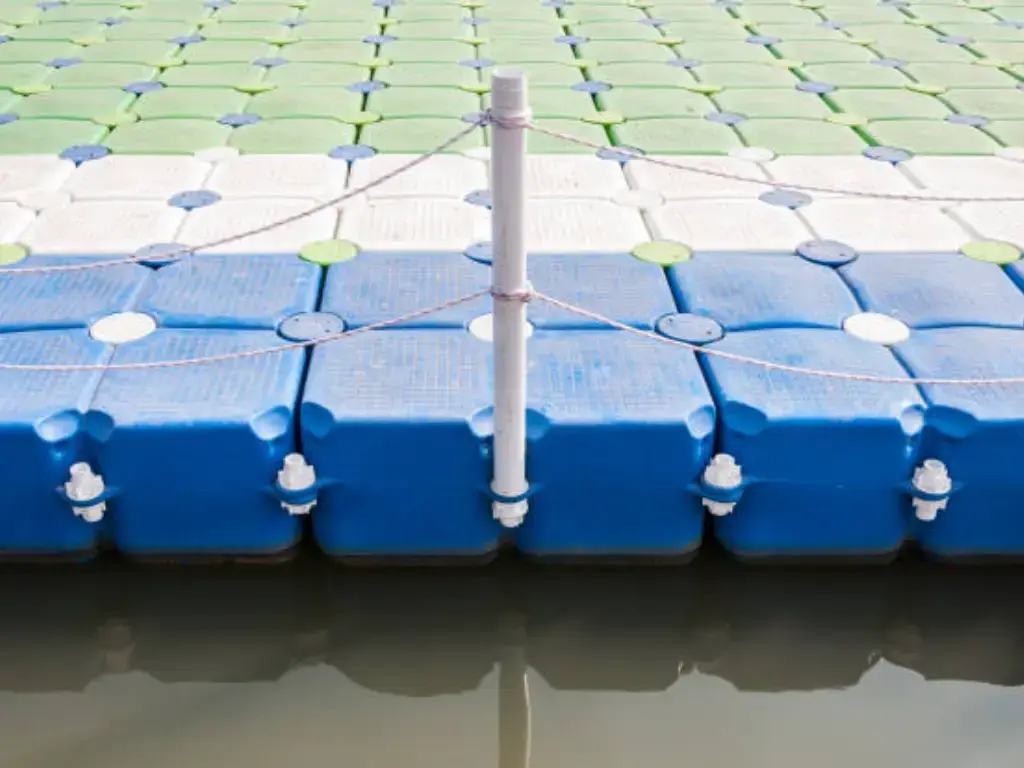
La stabilisation d'un quai nécessite une approche à plusieurs niveaux. Vous trouverez ci-dessous huit méthodes éprouvées pour améliorer l'équilibre de votre plate-forme aquatique.
Avec l'utilisation d'un kit de stabilisation de quai flottant
Les kits de stabilisation sont utilisés pour garantir la stabilité de votre quai en lui apportant un soutien et une flottaison supplémentaires. Ils sont généralement constitués de poteaux d'ancrage et de mécanismes de flottaison que vous pouvez fixer à votre quai. Les poteaux verticaux utilisés pour soutenir le quai sont ancrés au fond du lac afin de minimiser les mouvements du quai dus à l'action des vagues. Ces kits constituent une amélioration complète de votre système d'ancrage et intègrent souvent du matériel spécialisé qui s'adapte aux fluctuations du niveau de l'eau tout en maintenant un alignement vertical rigide. Un ensemble de stabilisateurs est relativement simple à installer et peut grandement améliorer la stabilité de votre quai.
Amélioration du système d'ancrage
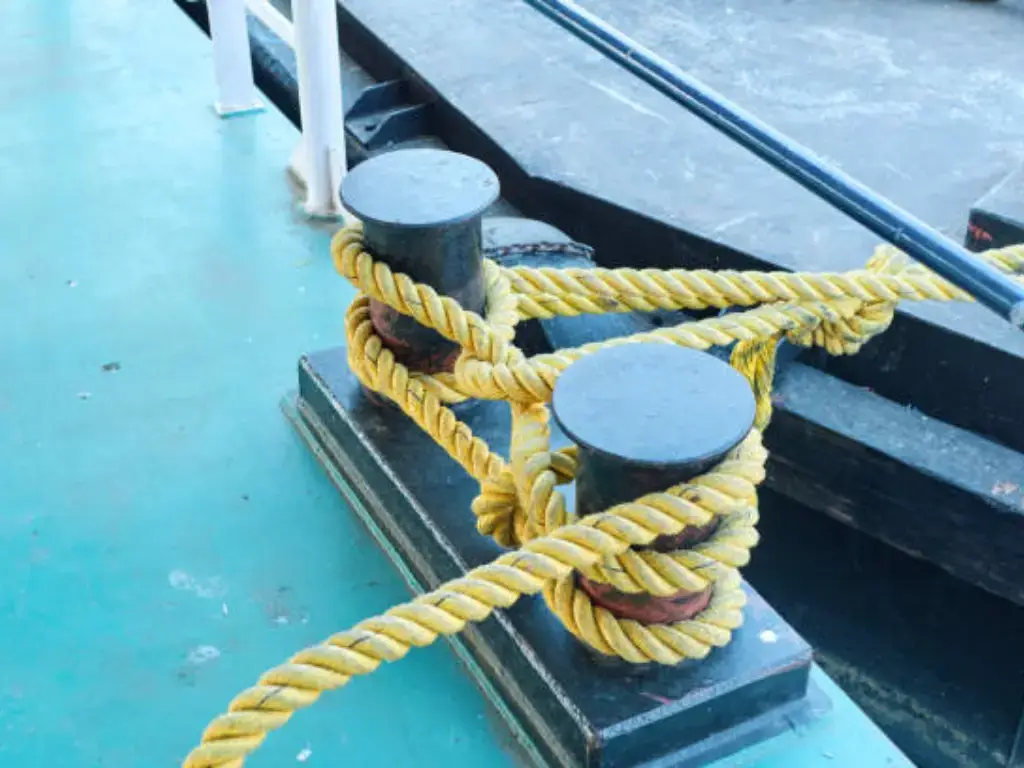
Les pieux enfoncés dans le fond de la mer ou de la rivière peuvent fournir à votre quai flottant un bon point d'ancrage. Ces supports verticaux empêchent la translation latérale du quai et ajoutent un soutien supplémentaire. Pour améliorer encore le système, envisagez d'utiliser des ancres à vis pour une meilleure tenue dans les fonds sablonneux ou vaseux, ou de mettre en œuvre des techniques de chaînage croisé. Le chaînage croisé consiste à faire passer les lignes d'ancrage en diagonale à travers la sous-structure pour créer un système de tension "triangulé" qui minimise la dérive horizontale. Les ancrages de poids mort peuvent être des blocs de béton ou des ancrages en béton qui peuvent être placés à certains endroits spécifiques du quai pour augmenter la stabilité du quai. Ces ancrages aident à contrecarrer les forces développées par les vagues et les courants qui peuvent affecter le quai, réduisant ainsi sa mobilité. En ce qui concerne les paramètres techniques spécifiques, il est fortement recommandé d'utiliser des chaînes galvanisées de 1/4″ ou 3/8″ pour garantir une durabilité à long terme et une résistance structurelle à la corrosion. En ce qui concerne le choix du poids, les ancres plus lourdes offrent une bien meilleure stabilité dans les eaux plus agitées ; par exemple, opter pour une ancre de 600 livres au lieu de 450 livres peut fournir l'inertie nécessaire pour résister à la dérive dans des environnements à fort courant ou à fort vent. Veillez à ce que les ancres soient d'une taille suffisante pour supporter les charges environnementales et qu'elles soient placées de manière à offrir une force de stabilisation équilibrée.
Contrepoids physiques et équilibre
Vous pouvez également placer des poids sur votre quai flottant pour vous assurer qu'il est bien ancré et stable sur l'eau. Afin d'améliorer le soutien, des blocs de béton ou tout autre matériau lourd peuvent être placés sur le quai de manière à offrir le soutien nécessaire. Pour maximiser l'efficacité, il faut se concentrer sur les contrepoids physiques et l'équilibre en ajoutant des poids spécifiquement au bas des flotteurs pour abaisser le centre de gravité de l'ensemble de la structure, ce qui permet d'empêcher le quai de se déplacer ou d'osciller d'un côté à l'autre. Cela permet de s'assurer que la structure n'est pas surchargée à certains endroits, ce qui pourrait l'endommager.
Installation de passerelles et de rampes
Les passerelles contribuent également à maintenir un lien solide entre le quai et le rivage, car elles répartissent le poids différemment et avec moins d'oscillations. Une passerelle bien conçue agit comme un levier structurel qui utilise la force du rivage pour limiter les mouvements latéraux. En fixant l'extrémité du quai à une cloison en béton, la passerelle agit comme un stabilisateur qui limite le balancement latéral du quai. Certaines des charges exercées par les vagues et les fluctuations du niveau de l'eau sont bien supportées par une passerelle bien construite, ce qui renforce la stabilité du quai. Veillez à ce que la passerelle soit bien ancrée et construite avec des matériaux qui ne seront pas affectés par les facteurs environnementaux dominants.
Renforcement structurel
Pour éviter que le cadre du quai ne se torde ou ne se déforme sous la forte pression des vagues, un renforcement structurel est essentiel. Il s'agit d'installer des supports de stabilisation et des renforts transversaux sous le platelage. En ajoutant des supports diagonaux en métal ou en bois entre les principaux éléments du cadre, le quai devient une structure "monocoque" rigide. Cette rigidité interne empêche les flotteurs individuels de se déplacer indépendamment, ce qui réduit considérablement la sensation d'ondulation lorsque l'on marche sur le quai.
En outre, vous pouvez ajouter des stabilisateurs. Il s'agit d'extensions fixes du tableau arrière montées sur les côtés du quai et qui augmentent la largeur du quai et sa flottabilité. Ils sont comme les stabilisateurs d'un canoë ; ils constituent une surface supplémentaire qui réduit le balancement et l'inclinaison. Elles peuvent être fabriquées à partir de planches de bois ou de métaux légers, selon le type de quai, et doivent être solidement fixées aux côtés du quai.
Ajout d'un toit
Il est également important de noter qu'un toit sur le quai flottant n'est pas seulement un ajout esthétique pour fournir de l'ombre et protéger de la pluie, du soleil et de la neige, mais qu'il augmente également le poids total de la structure. La charge supplémentaire du toit peut également réduire l'impact du vent et des vagues sur le quai en raison de l'inertie structurelle accrue - une masse plus lourde est plus difficile à mettre en mouvement par de petites vagues. Le toit agit comme une voile, de sorte que la conception de la structure doit garantir que la stabilité accrue due au poids l'emporte sur les forces latérales générées par les vents violents. De même, un toit peut améliorer la beauté et la fonctionnalité du quai en fournissant de l'ombre aux travailleurs.
Répartition correcte de la charge
Dans le contexte du quai flottant, la répartition du poids est cruciale pour la stabilité de la structure afin d'éviter qu'elle ne coule. Il est également important de ne pas surcharger le quai en plaçant des objets lourds d'un côté, car cela rendrait le quai instable et le ferait osciller fortement. Une répartition efficace des charges suit une "logique de contrepoids" : si un équipement lourd doit être placé du côté nord, un poids physique équivalent doit être ajouté du côté sud pour maintenir un plan horizontal. Mais il est nécessaire de répartir la charge uniformément sur la plate-forme afin que celle-ci ne soit pas déformée. Cela implique l'identification de la position de l'équipement, du mobilier et de toute structure à l'intérieur de la zone de quai.
Fixer le rivage
Pour plus de stabilité, il est conseillé d'ancrer votre quai flottant au rivage à l'aide de cordes ou de chaînes. Pour une solution plus robuste, utilisez des bras rigides. Contrairement aux cordes flexibles, ces bras métalliques rigides relient le quai à une assise sur le rivage, ce qui permet un mouvement vertical avec les marées tout en empêchant complètement le quai d'osciller vers la rive ou de s'en éloigner. Ils permettent également d'éviter que le quai ne se déplace de manière indésirable en raison des vagues et des courants. Pour les fixations, il est recommandé d'utiliser des matériaux qui ne se corrodent pas facilement, comme l'acier inoxydable, afin d'accroître la durabilité du produit.
Matrice de comparaison de l'amélioration de la stabilité des quais flottants
| Méthode d'amélioration | Niveau de coût | Difficultés d'installation | Durabilité | Meilleur cas d'utilisation |
| 1. Kit de stabilisation | Moyenne - Haute | Modéré | Haut | Quais commerciaux ou à forte fréquentation à la recherche d'une mise à niveau professionnelle tout-en-un. |
| 2. Amélioration du système d'ancrage | Moyenne - Haute | Haut | Excellent | Zones à fort courant, à fortes fluctuations du niveau de l'eau ou à sol mou. |
| 3. Contrepoids physiques | Faible | Faible | Haut | Solution économique pour les quais qui se sentent trop légers ou "sautillants" lorsqu'ils sont vides. |
| 4. Passerelles et rampes | Moyen | Modéré | Haut | Lorsque l'accès au rivage est nécessaire et qu'il peut être utilisé pour limiter le balancement latéral. |
| 5. Renforcement structurel | Moyen | Haut | Haut | Quais présentant des déformations du cadre ou des sensations d'ondulation dans les zones de fortes vagues. |
| 6. Ajout d'un toit | Haut | Haut | Moyenne - Haute | Besoins à double usage (ombre + inertie de la masse) où la résistance au vent est gérée. |
| 7. Répartition correcte de la charge | Minime | Minime | Perpétuelle | Logique opérationnelle quotidienne essentielle pour éviter l'inscription ou l'usure irrégulière. |
| 8. Bras raides (bras de soutien) | Moyen | Modéré | Excellent | Liaison permanente avec le rivage pour éliminer complètement le "swinging" ou la dérive d'amarrage. |
Des astuces professionnelles de haute technologie pour une meilleure stabilité
L'utilisation de lest d'eau dans les systèmes modulaires PEHD est une méthode spéciale pour réduire le centre de gravité. Vous pouvez faire en sorte que le système d'amarrage de bateau repose plus profondément et plus fermement dans l'eau en remplissant les flotteurs de quai périmétriques à environ 1/3. Néanmoins, la précision est essentielle pour éviter l'effet de surface libre. Les flotteurs à surface libre doivent être remplis exactement au même niveau et être hermétiquement fermés, sinon l'eau s'écoulera lors d'une inclinaison et générera un élan qui peut, en fait, rendre un navire - même un yacht de luxe - plus susceptible de chavirer.
Pour réduire le balancement violent du sillage des bateaux, vous pouvez installer des plaques verticales ou des ailettes sur la partie inférieure de la structure du quai. Ces ailettes n'offrent pas de flottabilité, comme les flotteurs de quai, mais servent d'amortisseurs visqueux. Ces quilles sous-marines doivent pousser à travers la colonne d'eau lorsque les vagues tentent de soulever le quai, et cette traînée ralentit le mouvement vertical et latéral du quai. Cette conception, inspirée des navires et des établissements navals, est particulièrement utile pour les quais situés dans des chenaux très fréquentés.
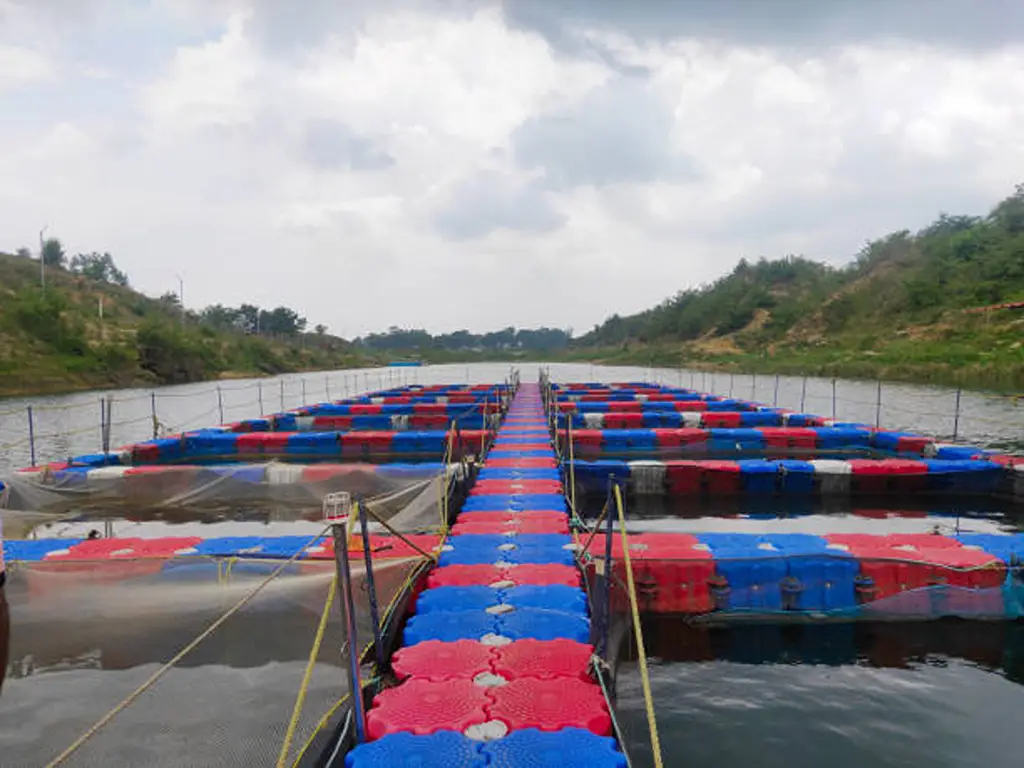
La meilleure méthode d'ancrage pour éliminer le roulis est sans doute de maximiser la surface du plan d'eau. La résistance à l'inclinaison d'un quai peut être considérablement accrue en augmentant la largeur du quai, par exemple en remplaçant un quai étroit en forme de I par un quai en forme de L, de U ou de T. La création de ces formes à l'aide de quais à doigts ou de stabilisateurs permet de tirer parti du deuxième moment de surface, ce qui tend à améliorer la résistance à l'inclinaison. La création de ces formes à l'aide de quais à doigts ou de stabilisateurs tire parti du second moment de la surface, qui tend à améliorer la stabilité globale de plus de la moitié de celle d'une simple passerelle linéaire. Néanmoins, ces modifications sophistiquées sont aussi sûres que la plate-forme elle-même, et elles nécessitent la précision et l'intégrité étanche à l'air de qualité industrielle que l'on trouve dans les systèmes Hisea Dock.
Hisea Dock Benefit : concevoir des systèmes modulaires pour atteindre une grande stabilité
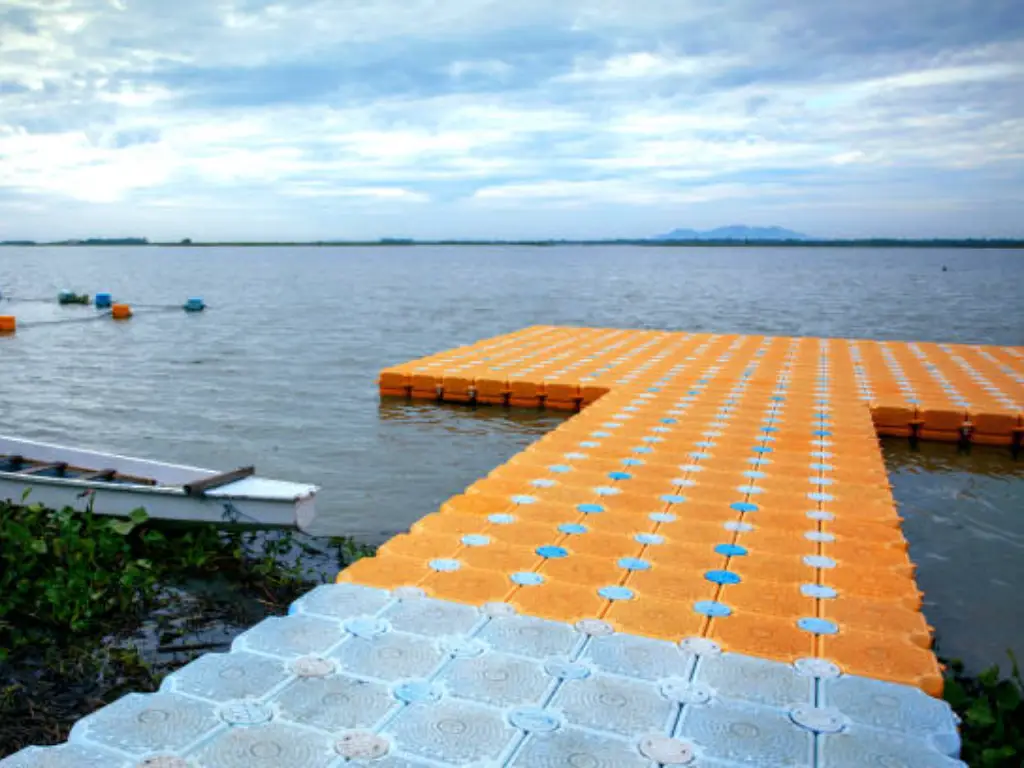
Pour obtenir une stabilité maximale du quai, la conception des modules eux-mêmes est aussi importante que votre décision d'ancrage intelligent. Depuis 2006, Hisea Dock propose des systèmes modulaires de haute performance qui visent à éliminer la sensation d'ondulation typique des plates-formes flottantes. Nos blocs sont dotés de pattes de connexion de 19 mm d'épaisseur et d'une rainure spéciale à quatre côtés qui augmente considérablement la rigidité structurelle et la stabilité latérale.
Notre PEHD de nouvelle génération avec des agents anti-UV offrira aux utilisateurs une sensation de planche solide qui ne s'enfoncera pas avec le temps comme le font les quais stationnaires traditionnels, ou ne se fissurera pas comme les vieilles planches de bois. Nous suggérons d'utiliser au moins trois flotteurs en largeur pour tirer parti de notre conception sans couture et créer le meilleur équilibre possible. Parmi notre vaste sélection en ligne, nous proposons des modules qui peuvent résister aux typhons, ce qui vous permet d'avoir le kit de stabilisation de quai flottant qui répond à vos besoins. Notre test de tension diagonale a été testé à 14 389 N pour s'assurer qu'il peut résister à une pression extrême.
Hisea Dock est certifié ISO-9001, CE et TUV, ce qui signifie que la durée de vie du produit est 20 à 30 fois supérieure à celle des concurrents. Notre garantie est de 5 ans, 24 heures sur 24, 7 jours sur 7, et des conseils d'ancrage professionnels pour vous aider à faire de votre rêve maritime une réalité stable et durable.
Prévenir les défaillances critiques : Erreurs typiques et stratégies de stabilité éprouvées
Pour que vos méthodes de stabilisation soient efficaces, il est important de connaître les erreurs d'ingénierie et de procédure courantes qui entraînent une instabilité structurelle et une usure précoce. Voici les pièges à identifier et à corriger :
- Construction sans vérification des exigences légales locales : Cela peut vous coûter beaucoup d'amendes ou même l'enlèvement de votre système d'ancrage. Le Département des ressources naturelles (DNR) ou le Corps des ingénieurs de l'armée doivent toujours être consultés avant l'installation du système d'amarrage afin d'obtenir les permis nécessaires.
- Le poids n'est pas réparti uniformément sur la plate-forme : Cela entraîne une liste chronique et une tension destructrice et asymétrique sur les goupilles de connexion structurelle. Il faut plutôt se concentrer sur la charge centrale, c'est-à-dire positionner tous les meubles et équipements lourds de manière symétrique afin d'obtenir un équilibre statique neutre.
- L'utilisation d'ancrages sous-dimensionnés ou inappropriés dans les zones à haute énergie : L'utilisation de pièces de quai métalliques sous-dimensionnées entraîne une dérive et de possibles dommages dus aux collisions en cas d'ondes de tempête violentes. Pour éviter cela, adaptez votre masse d'ancrage à la profondeur spécifique de l'eau et à l'environnement en utilisant des maillons rapides et des chaînes galvanisées de 3/8″ et des poids morts de 600 livres ou plus dans les eaux plus agitées.
- Négliger les effets des variations saisonnières du niveau de l'eau : Un ancrage rigide risque de faire couler le quai lorsque le niveau de l'eau monte ou de le laisser en hauteur en cas de sécheresse. La solution consiste à utiliser des systèmes de tension réglables ou des treuils coulissants qui permettent au quai de se déplacer librement par rapport à la surface de l'eau.
- Ajout d'accessoires de quai lourds sans flottabilité : L'introduction d'échelles en aluminium, d'échelles de quai en aluminium ou d'élévateurs de jet ski peut former des zones mortes. Pour y remédier, vous pouvez utiliser une approche de flottabilité par paliers, en plaçant des flotteurs doubles (500 mm de hauteur) directement sous le matériel de quai lourd afin de maintenir le niveau de la surface.
- Utilisation d'un matériel de qualité médiocre, non destiné à la marine : Il en résultera une corrosion rapide et une défaillance structurelle de vos lignes de stabilisation. Pour garantir une durée de vie de 1520 ans, toutes les pièces métalliques du quai et les fixations doivent être en acier galvanisé par immersion à chaud ou en acier inoxydable 316.
- Surcharge du quai par rapport à sa capacité de charge lors d'événements : Il en résulte une instabilité dangereuse et un risque élevé de chavirement de la plate-forme. Il faut toujours gérer les charges dynamiques en dirigeant les clients vers le centre et en déplaçant les objets portables tels que les glacières pour servir de contre-mesures temporaires.
Des solutions différenciées à chaque niveau de stabilité
L'ancrage intelligent et le positionnement stratégique sont des améliorations à coût nul qui visent à équilibrer le quai sans acheter de nouveau matériel en appliquant une logique d'ingénierie. Pour réduire le risque de gîte sur un quai, vous pouvez réorganiser le matériel existant, par exemple les bancs, les boîtes de rangement, les glacières lourdes, etc., pour les rapprocher de l'axe central et obtenir un équilibre statique neutre. Lors d'événements sociaux, le facteur humain peut être géré de manière proactive en invitant les invités à s'asseoir au milieu plutôt que de s'entasser sur le côté du quai, ou en déplaçant les objets portables vers l'extrémité opposée.
Les améliorations simples, réalisées à l'aide de matériaux simples, sont les meilleures lorsque le propriétaire souhaite obtenir une amélioration significative de la résistance aux vagues en dépensant le moins d'argent possible. L'utilisation d'ancres à poids mort, qui comprennent des blocs de béton coulés reliés à des chaînes galvanisées de 1/4 de pouce ou de 3/8 de pouce, coûte généralement environ 200 dollars. Bien qu'il s'agisse de la meilleure option pour les personnes disposant d'un budget limité, ces systèmes nécessitent un contrôle régulier de l'usure sous l'eau et offrent une augmentation instantanée de l'inertie. Ces systèmes, associés à un lest physique ou à des stabilisateurs simples, offrent une base solide et rentable aux quais des lacs résidentiels.
Pour ceux qui recherchent une infrastructure à long terme, une méthode d'empilement professionnelle est la plus rentable pour la valeur de la propriété à long terme. Les bras rigides métalliques robustes ou les systèmes de pieux professionnels peuvent coûter 5 000 euros ou plus, mais ils ont une durée de vie de 20 à 30 ans sans entretien. À ce niveau, les systèmes modulaires en PEHD de haute qualité ont normalement une durée de vie de 15 à 20 ans, et les bras rigides en acier ont une durée de vie de 10 à 15 ans en fonction de la qualité de la galvanisation. Pour les opérateurs commerciaux, la responsabilité réduite et la durée de vie plus longue d'un système ancré par des professionnels représentent bien plus que l'investissement initial.
Conclusion
Enfin, le quai est stable en raison de l'équilibre entre l'énergie externe et l'intégrité structurelle interne. Vous pouvez maximiser la surface de votre quai pour obtenir une sensation plus stable, renforcer la structure pour éliminer la sensation d'ondulation ou améliorer votre système d'ancrage pour résister aux forts courants, mais l'objectif est le même : fournir une interface sûre, stable et prévisible entre la terre et l'eau.
Une plate-forme vraiment stable est un compagnon silencieux dans vos opérations maritimes. Grâce à ces principes d'ingénierie et à ces améliorations stratégiques, vous pourrez vous assurer que toutes les transitions entre la terre et l'eau se font en toute confiance et constituent une base sûre pour les années à venir.
FAQS
Q : Comment garantir la stabilité maximale du kit de quai flottant ?
A : Pour améliorer la stabilité d'un kit de quai flottant, répartissez la charge uniformément, utilisez des boules métalliques lourdes et des piliers métalliques, effectuez des contrôles d'entretien périodiques pour vérifier que les boulons à œil ne sont pas pourris et sécurisés, et utilisez les bons dispositifs de flottaison qui peuvent supporter la charge du kit de quai flottant.
Q : Quelle est la charge maximale qu'un quai flottant peut supporter ?
A : La quantité de poids qu'un quai flottant peut supporter est déterminée par la construction, les matériaux utilisés et le type de flotteurs utilisés dans la construction. En général, les quais flottants sont capables de supporter des milliers de livres, mais il est sage de consulter la documentation du fabricant. Lorsque le quai est chargé d'un poids trop important, il devient dangereux et peut même s'effondrer.
Q : Quelles mesures devraient être mises en place pour renforcer la sécurité sur les quais flottants ?
A : Parmi les mesures de précaution à prendre lors de la conception et de la construction des quais flottants figurent un pont antidérapant, des barrières de protection et des bords bien définis. Il est également important de s'assurer que le quai est sûr et à l'abri de tout danger, comme des planches mal fixées ou des clous apparents. Voici quelques-uns des éléments qui doivent être vérifiés : Contrôles quotidiens : Il s'agit des contrôles les plus importants à effectuer sur le quai flottant pour s'assurer que l'environnement peut être utilisé en toute sécurité.

 English
  Thai
Thai  Spanish
  French
  German
  Dutch
Dutch  Italian
  Arabic
  Indonesian
  Portuguese
  Turkish