
Prefazione
Il presupposto fondamentale di un pontile per imbarcazioni sicuro e funzionante è la stabilità. Il problema principale che devono affrontare i proprietari di immobili sul lungomare e gli operatori marittimi è come ridurre l'ondeggiamento e il rollio costanti dell'acqua dovuti alle scie delle imbarcazioni, al carico del vento e alle correnti variabili.
Per ottenere una piattaforma solida come una roccia non basta aggiungere un peso supplementare, ma occorre una combinazione calcolata di fisica idrostatica e geometria strutturale. Questo manuale è una guida tecnica all'arte della stabilizzazione delle banchine, dalla semplice distribuzione dei carichi alla sofisticata ingegneria modulare, in modo che ogni passo in acqua sia fatto con fiducia e sicurezza.
Che cos'è un bacino galleggiante?
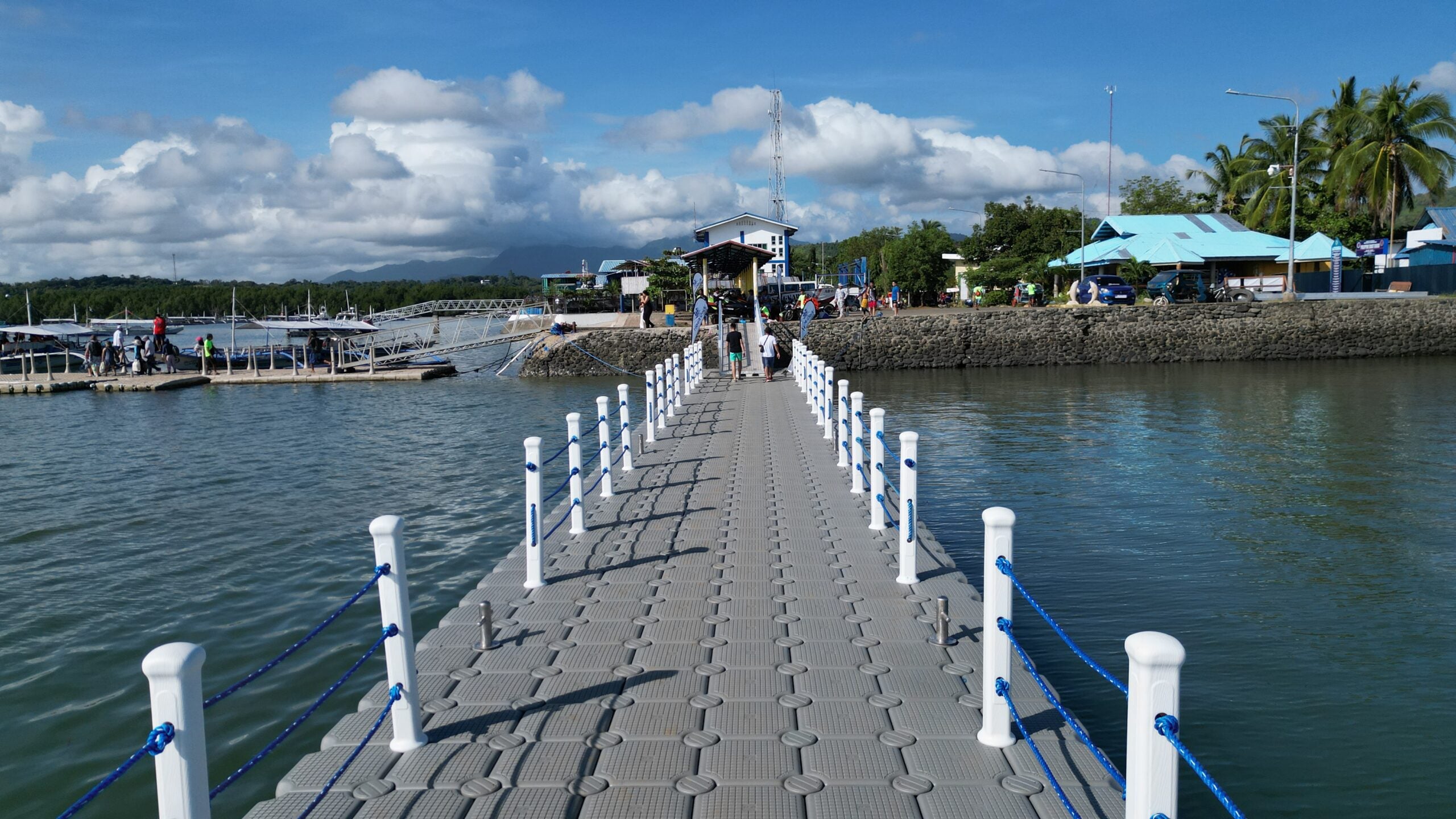
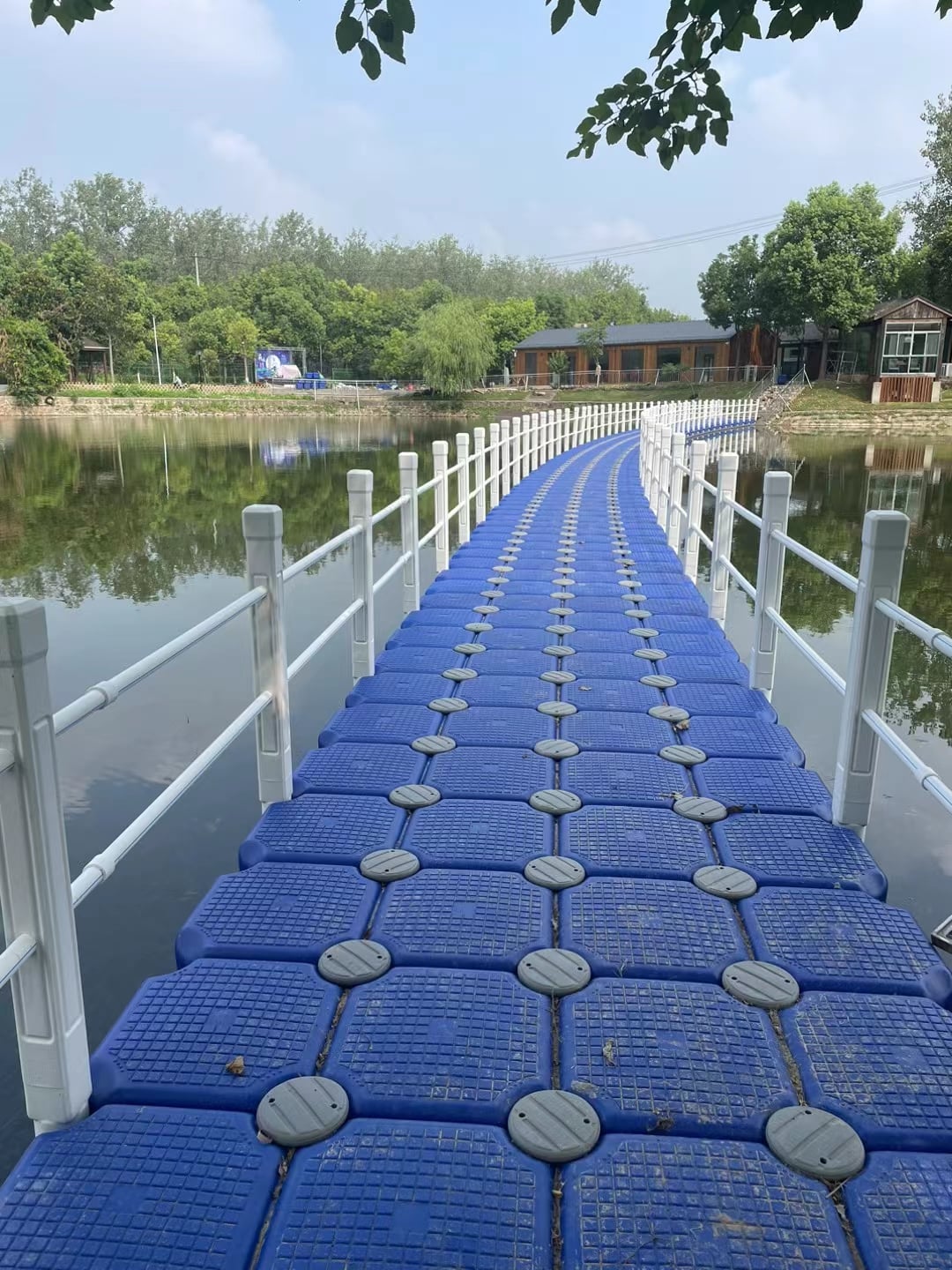
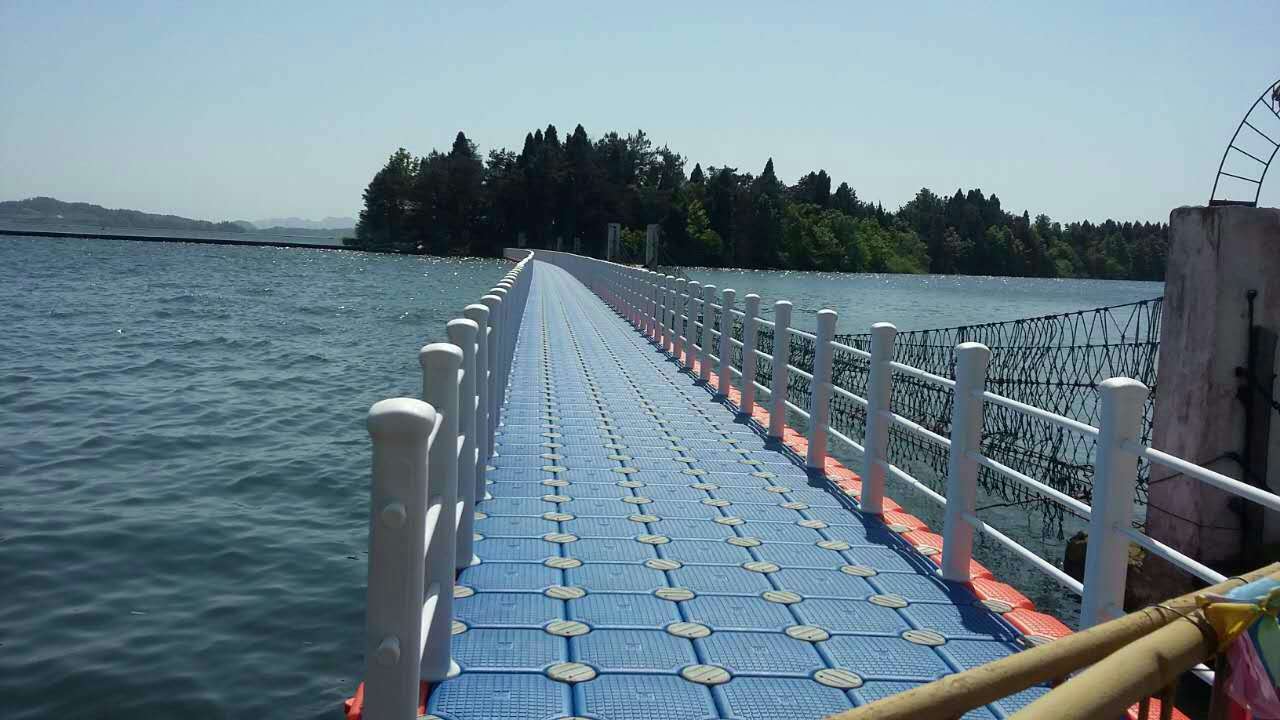
Un bacino galleggiante è una costruzione progettata per essere posizionata sull'acqua e ancorata alla riva o sommersa nell'acqua. Si tratta di pontili costruiti sull'acqua che hanno la capacità di cambiare la loro altezza in relazione al livello dell'acqua nel corpo idrico, rendendo così le barche facilmente accessibili. I pontili galleggianti possono essere realizzati con assi di legno, metalli leggeri e plastica e possono essere dotati di accessori in base allo scopo del pontile.
I pontili galleggianti sono preferiti nei porti turistici e negli ormeggi privati perché sono più convenienti da costruire e mantenere rispetto a quelli fissi. Possono essere utilizzati in condizioni di acque calme, fluviali e marine.
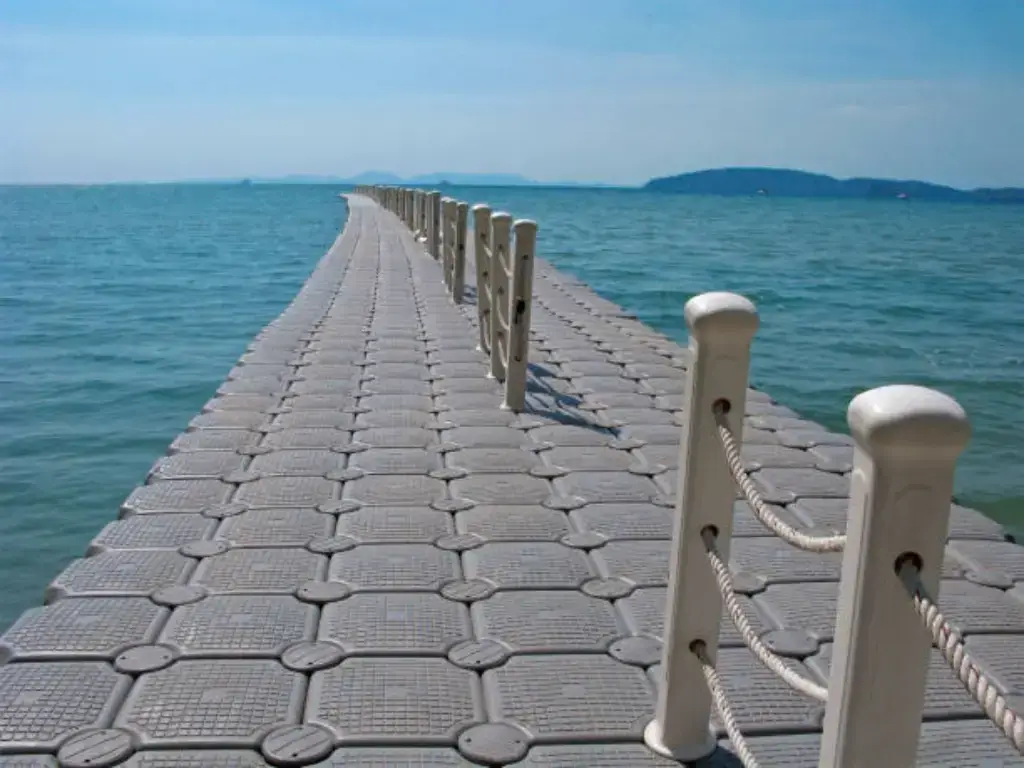
Perché i pontili galleggianti oscillano: Diagnosi tecnica
Per risolvere l'instabilità, è necessario andare oltre le soluzioni superficiali e condurre un'analisi tecnica delle particolari forze ambientali, geometriche e fisiche che determinano la risposta di una piattaforma all'acqua.
Le forze esterne
La stabilità di solito non funziona perché la banchina non è in grado di dissipare l'energia. Le scosse improvvise di energia cinetica sono causate dalle scie delle imbarcazioni e la pressione laterale causata dalle correnti fluviali può provocare lo spiaggiamento dei pesci. Le strutture metalliche ad alto profilo, come le ringhiere o le tettoie, sono soggette al carico del vento, che provoca un momento di sbandamento, e la tensione del sistema di attracco varia con le variazioni di marea, causando un'instabilità temporanea.
Geometria strutturale
Le dimensioni di un bacino determinano la sua stabilità. Un cattivo Aspect Ratio, come una sistemazione lunga e stretta, è uno che ha una base abbastanza ampia da creare un momento di riposo. Inoltre, la distribuzione del galleggiamento aggiunto è essenziale; un'eccessiva galleggiabilità dei pontili può renderli mutevoli, mentre un galleggiamento scarso lascia punti morti che affondano quando l'utente si sposta da un lato.
La fisica dell'interazione G-B
Il rapporto tra il centro di gravità (G) e il centro di galleggiamento (B), ovvero l'altezza metacentrica (GM), definisce la vera stabilità.
- GM positivo: Il bacino produrrà automaticamente la coppia necessaria per riposizionarsi in piano.
- La formula:

KG è l'altezza del centro di gravità, KB è l'altezza del centro di galleggiamento e BM è il raggio metacentrico calcolato in base alla larghezza della banchina.
Il paradosso del galleggiamento: l'effetto sughero
Uno degli errori più frequenti è pensare che maggiore è la galleggiabilità, maggiore è la stabilità. In pratica, i pontili troppo galleggianti sono afflitti dall'Effetto Sughero, per cui non esercitano alcuna presa sul fluido e rispondono violentemente a qualsiasi ondulazione. Per ottenere lo smorzamento idrodinamico, è necessario trovare il giusto equilibrio tra una massa leggera e un pescaggio sufficiente a consentire la progettazione di una banchina stabile. La quantità di peso che si può trasportare è determinata dalla galleggiabilità e la quantità di stabilità è determinata dal pescaggio (profondità sotto la linea di galleggiamento).
Fattori che influenzano la stabilità dei pontili galleggianti
Nella progettazione dei pontili galleggianti, diversi fattori possono influenzare la loro stabilità in acqua. Ecco i principali fattori descritti in dettaglio:
- Profondità dell'acqua
La profondità dell'acqua in cui viene posizionato il pontile è un fattore che influisce maggiormente sulla stabilità del pontile. Ad esempio, i pontili costruiti in acque più profonde possono richiedere pali di ancoraggio più lunghi e galleggianti più robusti per evitare che la struttura si rovesci.
- Azione delle onde
L'energia e la frequenza con cui le onde colpiscono la banchina. Onde più grandi e più frequenti causano un maggiore movimento e potrebbero richiedere un maggiore supporto, come ancore più forti o frangiflutti.
- Variazioni del livello dell'acqua
Fattori come le maree, i cambiamenti di stagione o persino le variazioni meteorologiche sono alcuni dei fattori che causano variazioni del livello dell'acqua. Le fluttuazioni del livello dell'acqua possono esercitare una forza aggiuntiva sui sistemi di ancoraggio e di galleggiamento del molo, richiedendo quindi componenti che possono essere modificati.
- Qualità del materiale
Il tipo di costruzione e il tipo di materiale utilizzato per la realizzazione del pontile. La plastica è preferibile per i pontili galleggianti perché è leggera, non si corrode e non marcisce facilmente. È più durevole, non richiede una manutenzione frequente e può sopportare condizioni sfavorevoli rispetto a materiali come il legno o il metallo.
- Distribuzione del peso
La distribuzione del peso sulla superficie della banchina. Uno squilibrio di peso può causare ribaltamenti e oscillazioni. A tal fine, il peso deve essere distribuito in modo uniforme per non esercitare pressione su un lato o sull'altro.
- Sistema di ancoraggio
Il tipo di sistema di ancoraggio utilizzato per fissare la banchina e la qualità del sistema utilizzato. Per ridurre i movimenti e migliorare la stabilità, è necessario utilizzare un sistema di ancoraggio che comprenda pali di ancoraggio, ancore a peso morto e palafitte.
- Design del bacino
In particolare, il progetto generale e la costruzione del molo. Un buon pontile è quello che ha una base stabile, una buona galleggiabilità e un peso ben distribuito renderanno il pontile più stabile. Altre caratteristiche che possono essere utilizzate per migliorare la stabilità sono gli stabilizzatori o le passerelle.
- Condizioni ambientali
Le condizioni dell'ambiente in cui si trova la banchina: vento, flusso d'acqua e temperatura. Anche i fattori ambientali possono influenzare la banchina e renderla più vulnerabile all'usura. È quindi necessario scegliere i materiali e i progetti giusti, adatti a queste condizioni, per ottenere la stabilità.
- Manutenzione e ispezione
La manutenzione e l'ispezione della banchina e delle sue parti in modo corretto e regolare. La manutenzione prevede anche controlli regolari della banchina per verificare se è usurata, corrosa o danneggiata in qualche modo, in modo da poterla riparare o sostituire per evitare che diventi un pericolo per gli utenti.
- Regolamenti locali
Vengono seguiti i requisiti di legge per garantire che la costruzione della banchina soddisfi gli standard di sicurezza e stabilità stabiliti, riducendo così la probabilità di crollo della struttura.
I kit di stabilizzazione per pontili galleggianti
| Componente | Funzione | Caratteristiche |
| Pali di ancoraggio | Fissare il pontile al fondo del lago o al fondale marino, evitando che si muova eccessivamente. | Realizzato con materiali resistenti come l'acciaio inox o il legno trattato. Regolabile in base alla profondità dell'acqua. |
| Dispositivi di galleggiamento | Fornire ulteriore galleggiamento al molo. | Costruito in polietilene ad alta densità. Leggero, resistente e facile da installare. |
| Ancore per banchina | Fissare la banchina in posizione, riducendo al minimo i movimenti laterali. | Vari tipi, tra cui blocchi di cemento e ancoraggi a vite. Forte potere di tenuta. |
| Stabilizzazione degli stabilizzatori | Estendono la larghezza del bacino, aumentando la stabilità. | In alluminio o legno trattato; leggero, resistente e regolabile. |
| Passerelle | Garantire un collegamento stabile tra il molo e la riva. | In alluminio o acciaio zincato; superfici antiscivolo e struttura resistente. |
| Ancoraggi di peso morto | Aggiungono peso alla banchina, migliorando la stabilità. | Pesante e resistente; stabilizzazione semplice ma efficace. |
| Staffe regolabili | Fissare vari componenti al dock, consentendo la personalizzazione. | Realizzato con metalli resistenti alla corrosione. Regolabile per diversi tipi di banchina. |
| Palificazioni | Forniscono un solido punto di ancoraggio grazie all'infissione nel fondale marino o nel letto del fiume. | Costruito in legno trattato o acciaio. Progettato per resistere a forze significative. |
Come scegliere i kit di stabilizzazione dei bacini galleggianti?
Per determinare quale sia il kit di stabilizzatori più adatto a un determinato molo e al suo ambiente, occorre prendere in considerazione diversi fattori. In primo luogo, è necessario valutare la profondità dell'acqua e le condizioni tipiche delle onde presenti nell'area. In caso di acque più profonde, potrebbero essere necessari pali di ancoraggio più lunghi e dispositivi di galleggiamento più robusti per sostenere la struttura. Considerate le parti del kit, le parti in acciaio inossidabile sono utilizzate perché sono robuste e in grado di resistere all'ambiente in caso di difficoltà.
Inoltre, è importante verificare le normative vigenti in una determinata regione in merito all'installazione degli stabilizzatori. In alcuni luoghi vigono leggi specifiche sul tipo di ancoraggi o palificazioni che possono essere infissi nel terreno. Infine, ma non meno importante, si consiglia di consultare un esperto o i produttori per ottenere le migliori raccomandazioni in base al tipo di pontile utilizzato. Un buon kit di stabilizzatori farà una differenza significativa per la stabilità della banchina e quindi per l'utilizzo.
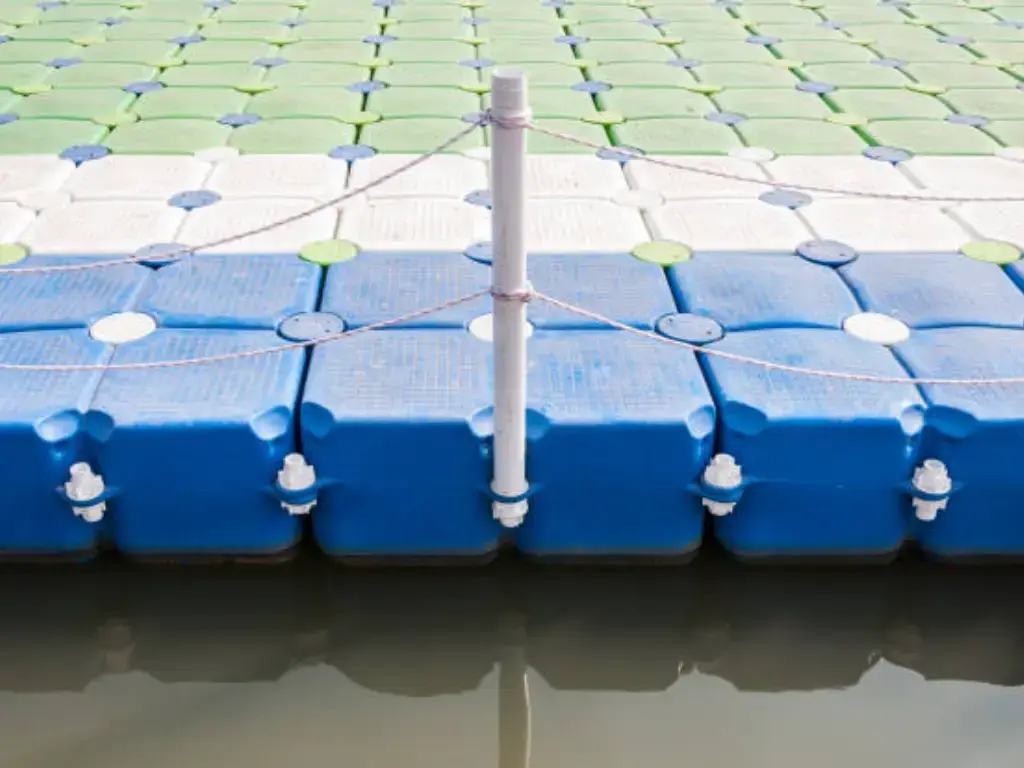
Come rendere più stabile un bacino galleggiante?
La stabilizzazione di una banchina richiede un approccio a più livelli. Di seguito sono riportati otto metodi collaudati per migliorare l'equilibrio della vostra piattaforma acquatica.
Con l'uso del kit di stabilizzazione per pontili galleggianti
I kit di stabilizzazione servono a garantire la stabilità della banchina fornendo un supporto e un galleggiamento aggiuntivi. Di solito sono costituiti da pali di ancoraggio e da meccanismi di galleggiamento che possono essere fissati al molo. I pali verticali utilizzati per sostenere la banchina sono ancorati al fondo del lago per ridurre al minimo il movimento della banchina dovuto all'azione delle onde. Questi kit costituiscono un aggiornamento completo del sistema di ancoraggio e spesso integrano una ferramenta specializzata che si adatta alle fluttuazioni del livello dell'acqua mantenendo un rigido allineamento verticale. Un kit di stabilizzazione è relativamente semplice da installare e può migliorare notevolmente la stabilità della banchina.
Aggiornamento del sistema di ancoraggio
I pali conficcati nel fondo del mare o del fiume possono fornire al vostro pontile galleggiante un buon punto di ancoraggio. Questi supporti verticali impediscono la traslazione laterale del pontile e aggiungono ulteriore sostegno. Per migliorare ulteriormente il sistema, si può prendere in considerazione l'utilizzo di ancore a vite per una maggiore capacità di tenuta su fondali sabbiosi o fangosi, o l'implementazione di tecniche di Cross-Chaining. L'ancoraggio incrociato consiste nel far passare le linee di ancoraggio in diagonale attraverso la sottostruttura per creare un sistema di tensione "triangolato" che riduce al minimo la deriva orizzontale. Gli ancoraggi a peso morto possono essere blocchi di cemento o ancoraggi di cemento da posizionare in alcune aree specifiche della banchina per aumentarne la stabilità. Questi ancoraggi aiutano a contrastare le forze sviluppate dalle onde e dalle correnti che possono colpire la banchina, riducendone la mobilità. In termini di parametri ingegneristici specifici, è altamente raccomandato l'uso di catene zincate da 1/4″ o 3/8″ per garantire la durata a lungo termine e la resistenza strutturale contro la corrosione. Per quanto riguarda la scelta del peso, le ancore più pesanti offrono una stabilità significativamente migliore nelle acque più agitate; ad esempio, optando per un'ancora da 600 lb invece che da 450 lb si può ottenere l'inerzia necessaria per resistere alla deriva in ambienti con correnti o venti forti. Assicuratevi che le ancore siano di dimensioni adeguate a sostenere i carichi ambientali e che siano posizionate in modo da offrire la forza stabilizzante in modo equilibrato.
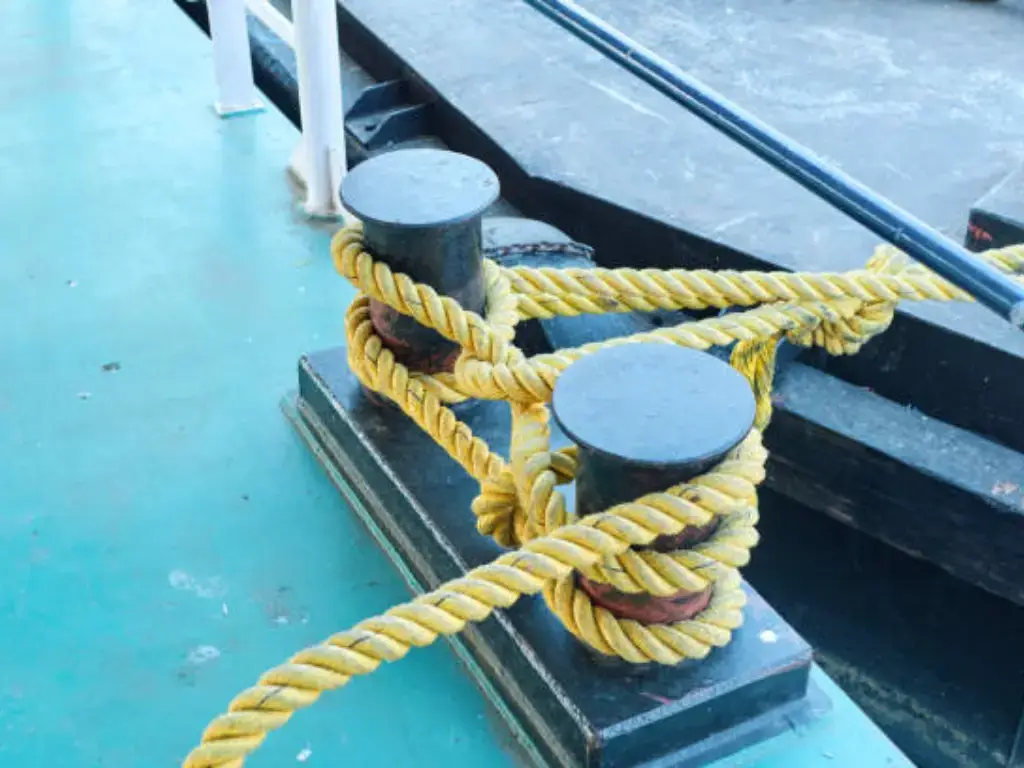
Contrappesi fisici ed equilibrio
È inoltre possibile posizionare dei pesi sul pontile galleggiante per garantire che sia ben ancorato e stabile sull'acqua. Per migliorare il sostegno, si possono collocare blocchi di cemento o qualsiasi altro materiale pesante sul pontile in modo da offrire il supporto necessario. Per massimizzare l'efficacia, è necessario concentrarsi sui contrappesi fisici e sull'equilibrio, aggiungendo pesi specificamente alla base dei galleggianti per abbassare il centro di gravità dell'intera struttura, evitando così che il molo si sposti o oscilli da un lato all'altro. In questo modo si evita che la struttura venga sovraccaricata in alcune aree, con conseguenti danni alla struttura stessa.
Installazione di passerelle e rampe
Le passerelle contribuiscono inoltre a mantenere un collegamento solido tra il molo e la riva, poiché distribuiscono il peso in modo diverso e con minori oscillazioni. Una passerella ben progettata agisce come una leva strutturale che utilizza la forza della riva per limitare i movimenti laterali. Fissando l'estremità della riva a una paratia di cemento, la passerella agisce come uno stabilizzatore che limita l'oscillazione laterale della banchina. Alcuni dei carichi esercitati dalle onde e dalle fluttuazioni del livello dell'acqua sono ben sostenuti da una passerella ben costruita, migliorando così la stabilità della banchina. Assicurarsi che la passerella sia ben ancorata e costruita con materiali che non risentano dei fattori ambientali prevalenti.
Rinforzo strutturale
Per evitare che il telaio della banchina si torca o si deformi sotto la forte pressione delle onde, è essenziale un rinforzo strutturale. Ciò comporta l'installazione di staffe stabilizzatrici e di controventature trasversali sotto la coperta. Aggiungendo supporti diagonali in metallo o legno tra i componenti principali del telaio, la banchina diventa una struttura rigida "monoscocca". Questa rigidità interna impedisce ai singoli galleggianti di muoversi in modo indipendente, riducendo notevolmente la sensazione di "ondeggiamento" quando si cammina sulla banchina.
Inoltre, è possibile aggiungere degli stabilizzatori. Si tratta di estensioni fisse dello specchio di poppa montate ai lati del molo, che ampliano la larghezza del molo e la sua galleggiabilità. Sono come gli stabilizzatori di una canoa; sono una superficie aggiuntiva che riduce il dondolio e l'inclinazione. Possono essere realizzati con assi di legno o metalli leggeri a seconda del tipo di banchina e devono essere fissati saldamente ai lati della banchina.
Aggiunta di un tetto
È inoltre importante notare che un tetto sul pontile galleggiante non è solo un'aggiunta estetica per fornire ombra e riparo da pioggia, sole e neve, ma aumenta anche il peso complessivo della struttura. Il carico aggiuntivo del tetto può anche ridurre l'impatto del vento e delle onde sul pontile grazie a una maggiore inerzia strutturale: una massa più pesante è più difficile da mettere in movimento da piccole onde. Tuttavia, è fondamentale effettuare un compromesso sulla resistenza al vento; il tetto agisce come una vela, quindi il progetto strutturale deve garantire che la stabilità aggiunta dal peso superi le forze laterali generate da venti forti. Allo stesso modo, una copertura può migliorare la bellezza e la funzionalità del molo fornendo ombra ai lavoratori.
Distribuzione corretta del carico
Nel contesto del pontile galleggiante, la distribuzione del peso è fondamentale per la stabilità della struttura, per evitare che affondi. È inoltre importante non sovraccaricare il pontile con oggetti pesanti su un solo lato, poiché ciò causerebbe l'instabilità del pontile e una forte oscillazione. Una distribuzione efficace del carico segue la "logica del contrappeso": se un'attrezzatura pesante deve trovarsi sul lato nord, è necessario aggiungere un peso fisico equivalente al lato sud per mantenere un piano livellato. Ma è necessario distribuire il carico in modo uniforme sulla piattaforma, in modo che questa non si deformi. Ciò comporta l'identificazione della posizione delle attrezzature, dei mobili e di qualsiasi struttura all'interno dell'area della banchina.
Fissare la riva
Per una maggiore stabilità, si consiglia di ancorare il pontile galleggiante alla riva utilizzando corde o catene. Per una soluzione più robusta, utilizzate i bracci rigidi. A differenza delle corde flessibili, questi bracci metallici rigidi collegano il pontile a una base a terra, consentendo il movimento verticale con le maree e impedendo completamente al pontile di oscillare verso o lontano dalla riva. Inoltre, evitano che la banchina si sposti in modo indesiderato a causa di onde e correnti. Per gli attacchi, si consiglia di utilizzare materiali non facilmente corrodibili, come l'acciaio inox, per aumentare la durata del prodotto.
Matrice di confronto per il miglioramento della stabilità dei bacini galleggianti
| Metodo di potenziamento | Livello di costo | Difficoltà di installazione | Durata | Il miglior caso d'uso |
| 1. Kit stabilizzatore | Medio - Alto | Moderato | Alto | Banchine commerciali o ad alto traffico che cercano un aggiornamento professionale completo. |
| 2. Aggiornamento del sistema di ancoraggio | Medio - Alto | Alto | Eccellente | Aree con forti correnti, grandi fluttuazioni del livello dell'acqua o terreno morbido. |
| 3. Contrappesi fisici | Basso | Basso | Alto | Soluzione economica per le banchine che sembrano troppo leggere o "nervose" quando sono vuote. |
| 4. Passerelle e rampe | Medio | Moderato | Alto | Quando è necessario l'accesso a terra e si può fare leva per limitare l'ondeggiamento laterale. |
| 5. Rinforzo strutturale | Medio | Alto | Alto | Le banchine presentano una sensazione di deformazione del telaio o di "ondeggiamento" nelle zone a forte ondulazione. |
| 6. Aggiunta di un tetto | Alto | Alto | Medio - Alto | Esigenze di doppio uso (ombra + inerzia di massa) in cui si gestisce la resistenza al vento. |
| 7. Distribuzione corretta del carico | Minimo | Minimo | Perpetuo | Logica operativa quotidiana essenziale per prevenire la quotazione o l'usura irregolare. |
| 8. Braccia rigide (braccia di sostegno) | Medio | Moderato | Eccellente | Collegamento a terra permanente per eliminare completamente le "oscillazioni" o le derive di attracco. |
Trucchi professionali ad alta tecnologia per una stabilità superiore
L'uso della zavorra d'acqua nei sistemi modulari in HDPE è un metodo speciale per ridurre il centro di gravità. È possibile rendere il sistema di attracco per imbarcazioni più profondo e più saldo nell'acqua riempiendo i galleggianti perimetrali del molo per circa 1/3. Tuttavia, la precisione è essenziale per evitare l'effetto superficie libera. I galleggianti devono essere riempiti esattamente allo stesso livello e sigillati ermeticamente, altrimenti l'acqua si muove durante l'inclinazione e genera uno slancio che può rendere più probabile il capovolgimento di un'imbarcazione, anche di uno yacht di lusso.
Per ridurre il violento dondolio delle scie delle imbarcazioni, si possono montare delle piastre verticali o delle alette sulla parte inferiore della struttura del molo. Queste pinne non danno galleggiamento, come i galleggianti del molo, ma servono come smorzatori viscosi. Queste chiglie subacquee devono spingere attraverso la colonna d'acqua quando le onde cercano di sollevare la banchina, e questa resistenza rallenta il movimento verticale e laterale della banchina. Questo design, ispirato alle navi e agli stabilimenti navali, è particolarmente utile nelle banchine situate in canali trafficati.
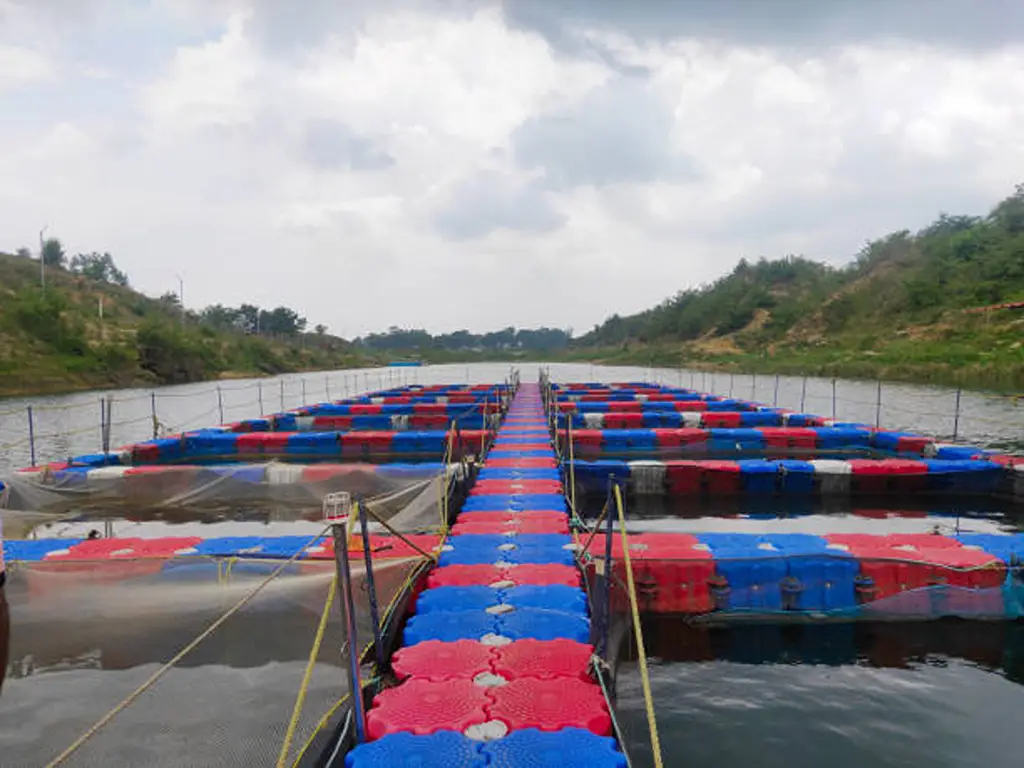
Il metodo di ancoraggio migliore per eliminare il rollio è forse quello di massimizzare l'area del piano d'acqua. La resistenza al ribaltamento di una banchina può essere aumentata notevolmente aumentando il raggio (larghezza) della banchina, ad esempio trasformando una stretta banchina a forma di I in una banchina a forma di L, U o T. La creazione di queste forme con l'uso di Finger Docks o di stabilizzatori sfrutta il secondo momento dell'area, che tende a massimizzare l'area di galleggiamento. La creazione di queste forme con l'uso di Finger Docks o di stabilizzatori sfrutta il secondo momento dell'area, che tende a migliorare la stabilità complessiva di oltre la metà rispetto a quella di una singola passerella lineare. Tuttavia, queste sofisticate modifiche sono sicure quanto la piattaforma stessa e necessitano della precisione e dell'integrità ermetica di livello industriale presenti nei sistemi Hisea Dock.
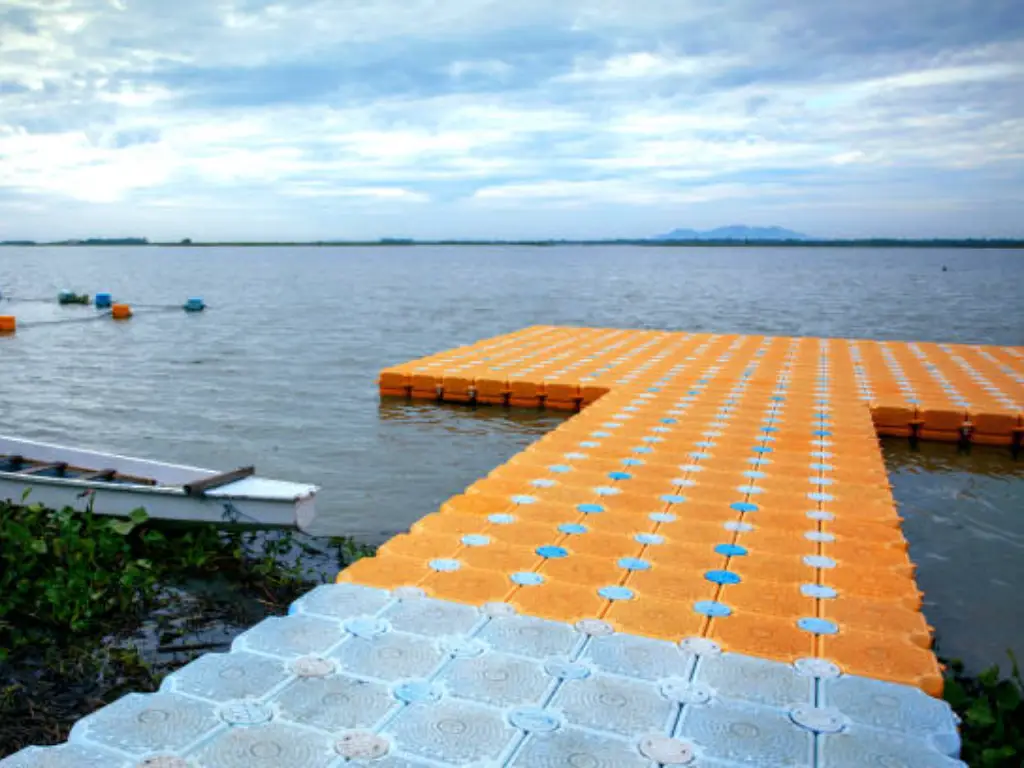
Il vantaggio di Hisea Dock: progettare sistemi modulari per ottenere un'elevata stabilità
Per ottenere la massima stabilità della banchina, il design dei moduli stessi è importante quanto la scelta di un ancoraggio intelligente. Dal 2006 Hisea Dock si occupa di sistemi modulari ad alte prestazioni, che mirano a eliminare la tipica sensazione di ondulazione delle piattaforme galleggianti. I nostri blocchi hanno alette di collegamento di 19 mm di spessore e uno speciale design a quattro scanalature che aumenta notevolmente la rigidità strutturale e la stabilità laterale.
Il nostro HDPE di nuova generazione, dotato di agenti anti-UV, offre agli utenti una sensazione di solidità che non si affloscia con il passare del tempo, come accade con i tradizionali pontili fissi, né si crepa come le vecchie assi di legno. Suggeriamo almeno tre galleggianti di larghezza per sfruttare il nostro design senza giunture e creare il massimo equilibrio. Dalla nostra ampia selezione online, offriamo moduli in grado di resistere ai tifoni, assicurandovi il kit di stabilizzazione per pontili galleggianti più adatto alle vostre esigenze. La nostra prova di tensione diagonale è stata testata a 14.389 N per garantire che possa resistere a pressioni estreme.
Hisea Dock ha ottenuto le certificazioni ISO-9001, CE e TUV, il che significa che la durata del prodotto è da 20 a 30 volte superiore a quella dei concorrenti. La nostra garanzia è di 5 anni, 24 ore su 24, 7 giorni su 7, e una consulenza professionale sull'ancoraggio per aiutarvi a rendere il vostro sogno marittimo una realtà stabile e duratura.
Prevenire i fallimenti critici: Errori tipici e strategie comprovate di stabilità
Per rendere efficaci i metodi di stabilizzazione, è importante conoscere gli errori tecnici e procedurali più comuni che causano instabilità strutturale e usura precoce. Di seguito sono riportate le insidie da individuare e correggere:
- Costruzione senza verificare i requisiti di legge locali: Questo può costare multe salate o addirittura la rimozione del sistema di ancoraggio. Prima di installare il sistema di ormeggio, è necessario consultare il Dipartimento delle Risorse Naturali (DNR) o il Corpo degli Ingegneri dell'Esercito per ottenere i permessi necessari.
- Non caricare il peso in modo uniforme sulla piattaforma: Questo provoca un elenco cronico e causa sollecitazioni distruttive e asimmetriche sui perni di collegamento strutturali. Concentratevi piuttosto sul carico in linea centrale, cioè posizionate tutti i mobili e le attrezzature pesanti in modo simmetrico per ottenere un equilibrio statico neutro.
- L'uso di ancoraggi sottodimensionati o inadeguati in aree ad alta energia: L'utilizzo di parti di banchina metalliche sottodimensionate comporta la deriva e possibili danni da collisione in caso di forti mareggiate. Per evitare questo inconveniente, è necessario adattare la massa dell'ancora alla profondità specifica dell'acqua e all'ambiente, utilizzando maglie rapide e catene zincate da 3/8″ e pesi morti da 600 libbre o più in acque più agitate.
- Trascurare gli effetti delle variazioni stagionali del livello dell'acqua: Un ancoraggio rigido può far affondare la banchina quando il livello dell'acqua si alza o lasciarla alta in caso di siccità. La risposta è quella di avere sistemi di tensione regolabili o argani scorrevoli che permettano alla banchina di muoversi liberamente dalla superficie dell'acqua.
- Aggiunta di accessori di banchina pesanti senza galleggiamento: L'introduzione di scale in alluminio, scale per banchine in alluminio o sollevatori per moto d'acqua può formare punti morti. Per ovviare a questo problema, è possibile utilizzare un approccio di galleggiamento a più livelli, posizionando i galleggianti doppi (altezza 500 mm) direttamente sotto la ferramenta pesante del molo per mantenere il livello della superficie.
- Utilizzo di ferramenta di scarsa qualità non marina: Ciò comporterà una rapida corrosione e la rottura strutturale delle linee di stabilizzazione. Per garantire una durata di 1520 anni, tutte le parti metalliche della banchina e gli elementi di fissaggio devono essere realizzati in acciaio zincato a caldo o in acciaio inox 316.
- Sovraccarico del molo rispetto alla sua capacità di carico durante gli eventi: Questo provoca un'instabilità pericolosa e una grande possibilità di ribaltamento della piattaforma. Gestire sempre i carichi dinamici indirizzando gli ospiti verso il centro e spostando oggetti portatili come i refrigeratori come contromisure temporanee.
Soluzioni graduali per ogni livello di stabilità
L'ancoraggio intelligente e il posizionamento strategico sono miglioramenti a costo zero che mirano al bilanciamento senza acquistare nuovo hardware, applicando la logica ingegneristica. Per ridurre la probabilità che un molo si inclini, è possibile riorganizzare l'attrezzatura esistente, ad esempio panche, cassette di stoccaggio, frigoriferi pesanti, ecc. per avvicinarli alla linea centrale e ottenere un equilibrio statico neutro. Negli eventi sociali, il fattore umano può essere gestito in modo proattivo invitando gli ospiti a sedersi al centro anziché affollare il lato della banchina, oppure spostando gli oggetti portatili all'estremità opposta.
I semplici miglioramenti fai-da-te con l'utilizzo di materiali semplici sono i migliori quando il proprietario vuole ottenere un miglioramento significativo della resistenza alle onde con il minimo dispendio di denaro. L'uso di ancore a peso morto fai da te, che comprendono blocchi di cemento versato collegati con catene zincate da 1/4 di pollice o 3/8 di pollice, costa di solito circa 200 dollari. Pur essendo l'opzione migliore per chi ha un budget limitato, questi sistemi richiedono controlli regolari per verificare l'usura subacquea e forniscono un aumento istantaneo dell'inerzia. Questi sistemi, insieme alla zavorra fisica o ai semplici stabilizzatori, offrono una base solida ed economica ai pontili dei laghi residenziali.
Per chi cerca un'infrastruttura a lungo termine, un metodo di palificazione professionale è il più vantaggioso per il valore della proprietà nel lungo periodo. I bracci rigidi in metallo per impieghi gravosi o i sistemi di palificazione professionali possono costare 5.000 o più, ma hanno una durata di 20-30 anni senza manutenzione. A questo livello, i sistemi modulari in HDPE di alta qualità hanno normalmente una durata di 15-20 anni, mentre i bracci rigidi in acciaio hanno una durata di 10-15 anni a seconda della qualità della zincatura. Per gli operatori commerciali, la minore responsabilità e la maggiore durata di un sistema ancorato professionalmente sono di gran lunga superiori all'investimento iniziale.
Conclusione
Infine, il pontile è stabile grazie all'equilibrio tra l'energia esterna e l'integrità strutturale interna. È possibile massimizzare la superficie della banchina per ottenere una sensazione di maggiore stabilità, rafforzare il telaio per eliminare la sensazione di ondulazione o migliorare il sistema di ancoraggio per resistere alle forti correnti, ma l'obiettivo è lo stesso: fornire un'interfaccia sicura, stabile e prevedibile tra terra e acqua.
Una piattaforma veramente stabile è una compagna silenziosa nelle vostre operazioni marittime. Con questi principi di ingegneria e miglioramenti strategici, sarete in grado di assicurarvi che tutte le transizioni tra la terraferma e l'acquatico avvengano in totale sicurezza e saranno una base sicura negli anni a venire.
FAQS
D: Come garantire la massima stabilità del kit di pontili galleggianti?
A: Per migliorare la stabilità di un kit di pontili galleggianti, distribuire il carico in modo uniforme, utilizzare sfere metalliche pesanti e pilastri metallici, eseguire controlli di manutenzione periodici per verificare la presenza di marciume e fissare i golfari e utilizzare i dispositivi di galleggiamento adatti a sostenere il carico del kit di pontili galleggianti.
D: Qual è il carico massimo che un pontile galleggiante può portare?
A: La quantità di peso che un pontile galleggiante può sopportare è determinata dalla costruzione, dai materiali utilizzati e dal tipo di galleggianti impiegati nella costruzione. In genere, i pontili galleggianti sono in grado di sostenere migliaia di chili, ma è bene consultare la documentazione del produttore. Quando il pontile è caricato con un peso eccessivo, diventa insicuro e può addirittura crollare.
D: Quali misure dovrebbero essere adottate per migliorare la sicurezza sui pontili galleggianti?
A: Alcune delle misure di precauzione che devono essere adottate durante la progettazione e la costruzione dei pontili galleggianti sono una coperta antiscivolo, barriere protettive e bordi ben definiti. Inoltre, è importante assicurarsi che il pontile sia sicuro e protetto da eventuali pericoli come assi allentate o chiodi esposti. Alcuni degli elementi che devono essere controllati sono: Controlli giornalieri: Questi sono alcuni dei controlli più importanti che devono essere effettuati sul pontile galleggiante per garantire che l'ambiente sia sicuro per l'uso.

 English
  Thai
Thai  Spanish
  French
  German
  Dutch
Dutch  Italian
  Arabic
  Indonesian
  Portuguese
  Turkish