
Understanding Your Jet Ski’s Docking Capabilities
To begin, it is important to know about the docking capabilities of your PWC (personal watercraft) before you learn how to dock a jet ski. Jet skis, Waverunners, are meant for the speed and the agility, and this is what makes docking a bit difficult for beginners. The foundation of jet ski docking success is the ability to manipulate the throttle and handlebar for the purpose of speed and direction control of the PWC.
The location of your jet ski tow hooks is another important factor that you need to keep in mind as this is the primary point where you attach your PWC to any dock or pwc lift. Learn the placement of the hooks and check their condition before you dock your jet ski. In the same line, the knowledge of your watercraft’s mass and size will enable you to decide the best docking approach and the type of dock that suits your needs.
تقييم بيئة الإرساء
أثناء تعلم كيفية إرساء الدراجة المائية، من الأهمية بمكان أن تراقب محيطك بدقة. عند الاقتراب من الرصيف، انتبه لعمق المياه وحركة الأمواج ووجود قوارب أخرى أو عوائق. ضع في اعتبارك أنه يُتوقع منك اتباع القواعد وآداب السلوك الخاصة بأرصفة المراسي إذا كنت في مرسى. وقد تختلف هذه القواعد عن تلك المعمول بها في الأرصفة العامة أو في الممتلكات الخاصة.
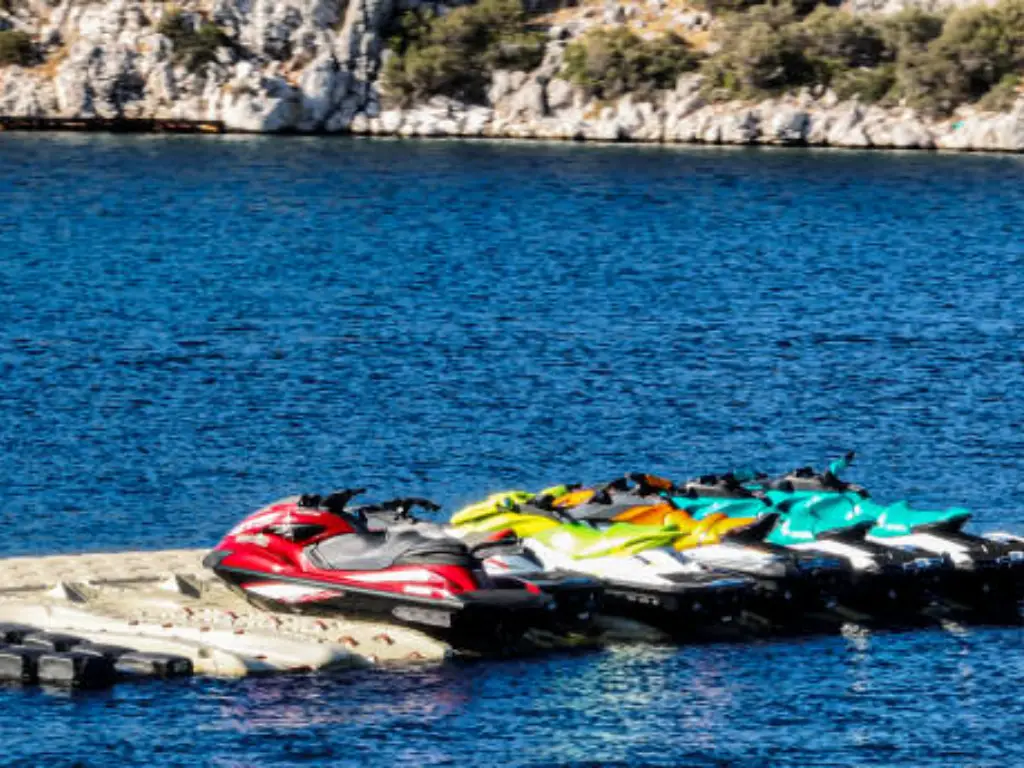
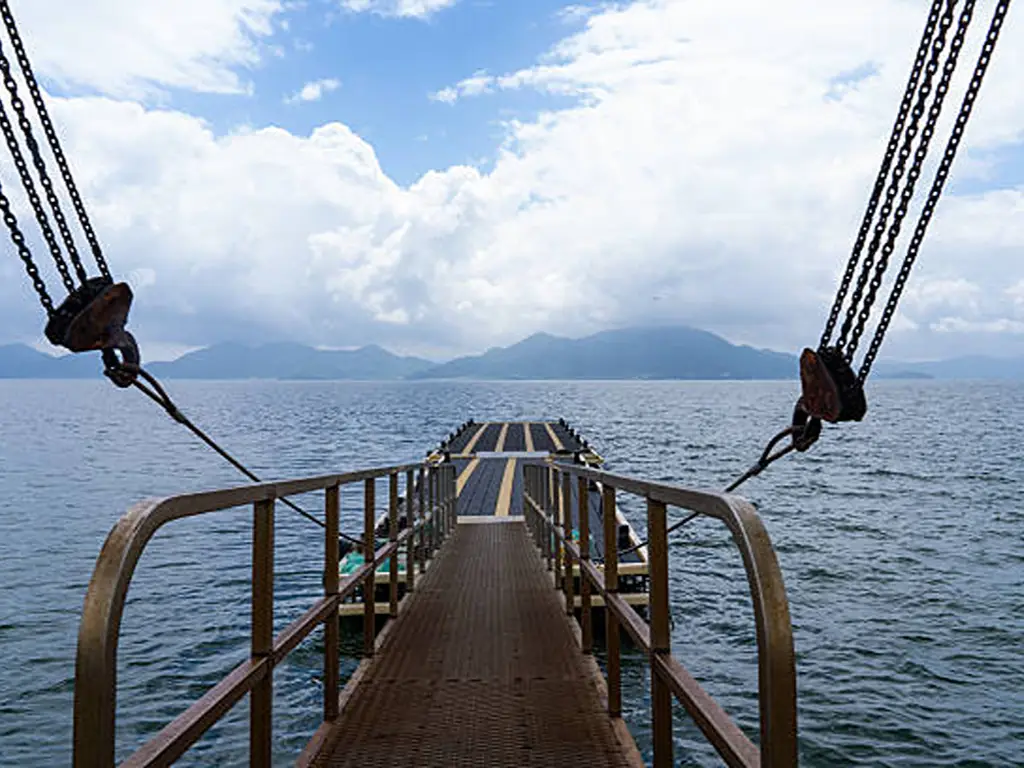
ضع في اعتبارك نوع الرصيف الذي ستقوم ببنائه، فقد يكون رصيفًا عائمًا أو ثابتًا أو منصة رفع للدراجات المائية. لكل نمط من أنماط الإرساء تقنيته الخاصة، ويجب أن تكون على دراية بها جميعًا لتتمكن من إرساء دراجتك المائية بأمان. ومن الأمثلة على ذلك استخدام رصيف عائم يتأثر بحركة الأمواج أو الموجات الناتجة عن القوارب الأخرى. وعلى العكس من ذلك، يوفر لك الرصيف الثابت مرسىً أكثر استقرارًا، لكنك تحتاج إلى مهارات إرساء أفضل لتجنب الأخطاء.
معدات وملحقات الإرساء الأساسية
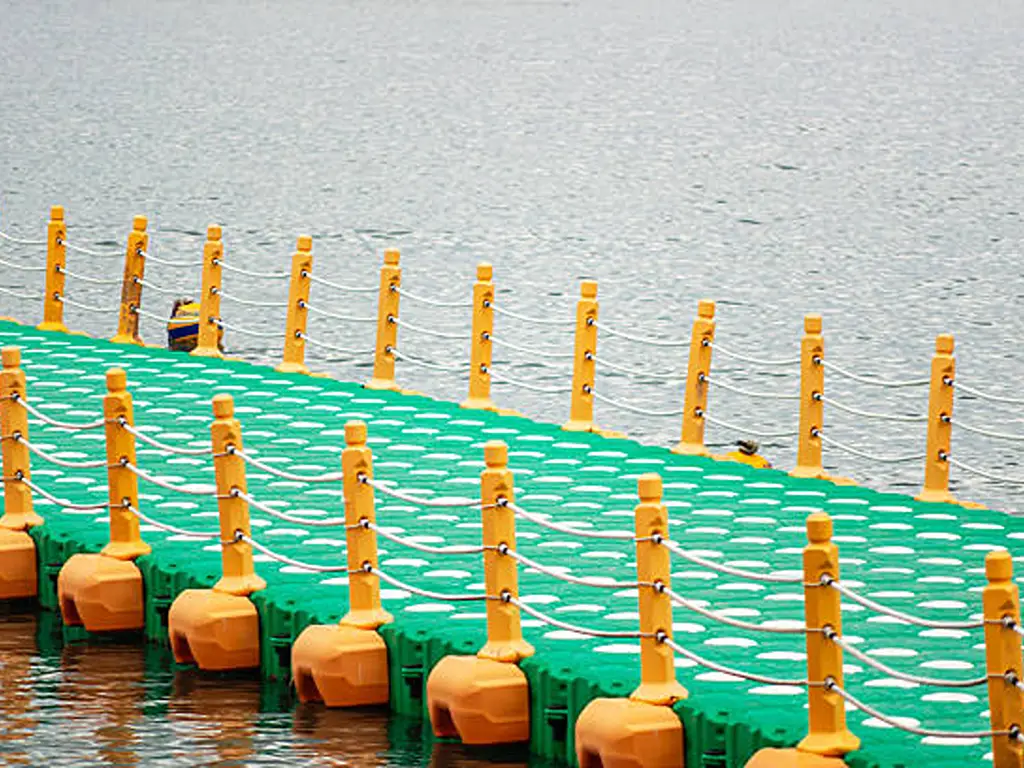
إذا كنت تنوي إرساء جت سكي الخاص بك في رصيف عائم بلاستيكي مصمم خصيصًا لرسو الجت سكي، فمن الضروري أن تكون لديك المعدات والمستلزمات المناسبة لضمان تجربة آمنة وناجحة. ويُعد تركيب حبال الرصيف والحبال المطاطية أمرًا ضروريًا لربط الجت سكي الخاص بك بمراسي الرصيف باستخدام عقدة المرسى. اختر حبالًا موثوقة ومتينة تتناسب تمامًا مع أبعاد ووزن جت سكي الخاص بك، حيث قد تختلف عن تلك المستخدمة في المراكب الأكبر حجمًا. لا توفر الحبال المطاطية مساحة إضافية وامتصاصًا للصدمات فحسب، بل إنها مفيدة جدًّا أيضًا في الحالات التي تضطر فيها إلى الرسو في المياه الهائجة أو عند استخدام رصيف جت سكي يتحرك مع الأمواج.
تُعد المصدات والمصدات الأمامية من بين الملحقات التي لا غنى عنها، لأنها تساعد في حماية الدراجة المائية والرصيف من التلف عند الرسو. وهذا يشبه وضع وسائد أسطوانية ناعمة بين الدراجة المائية والرصيف العائم البلاستيكي لتجنب الخدوش والانبعاجات وغيرها من الصدمات. عند اختيار المصدات والمصدات المطاطية لرصيف الدراجة المائية الخاصة بك، ضع في اعتبارك حجم الدراجة المائية وتصميم الرصيف الذي لديك للتأكد من ملاءمتها للرصيف بشكل صحيح. بالنسبة لبعض الأرصفة العائمة المصنوعة من البلاستيك، قد تجد فتحات مدمجة في الرصيف نفسه مخصصة لمصدات الصدمات أو المصدات، مما يسهل وضع هذه الأجهزة الواقية في المكان الذي تحتاجه بالضبط. إلى جانب ذلك، يمكن أن يكون خطاف القارب أداة مفيدة جدًّا للإمساك بحبال الرصيف أو توجيه جت سكي الخاص بك إلى موضعه الصحيح. كما أن حلقات التثبيت (كارابينر) يمكن أن تكون وسيلة سريعة وسهلة جدًّا لربط وفك حبال الرصيف، مما سيساعدك على جعل العملية أكثر راحة وكفاءة.
| معدات الإرساء الأساسية | الغرض |
| خطوط الدوك | اربط الدراجة المائية بمراسي الرصيف باستخدام عقدة المرسى |
| حبال البنجي | توفر مساحة إضافية وامتصاصًا للصدمات عند الرسو في المياه الهائجة أو عند استخدام رصيف متحرك |
| المصدات والمصدات الأمامية | احمِ الدراجة المائية والرصيف من التلف أثناء الرسو عن طريق وضعهما بين الدراجة المائية والرصيف |
| خطاف القارب | أمسك بحبال الرصيف أو وجه الدراجة المائية إلى موضعها |
| حلقات التسلق | قم بربط حبال الرصيف وفكها بسرعة من أجل إرساء مريح وفعال |
Choosing the Right Docking Approach
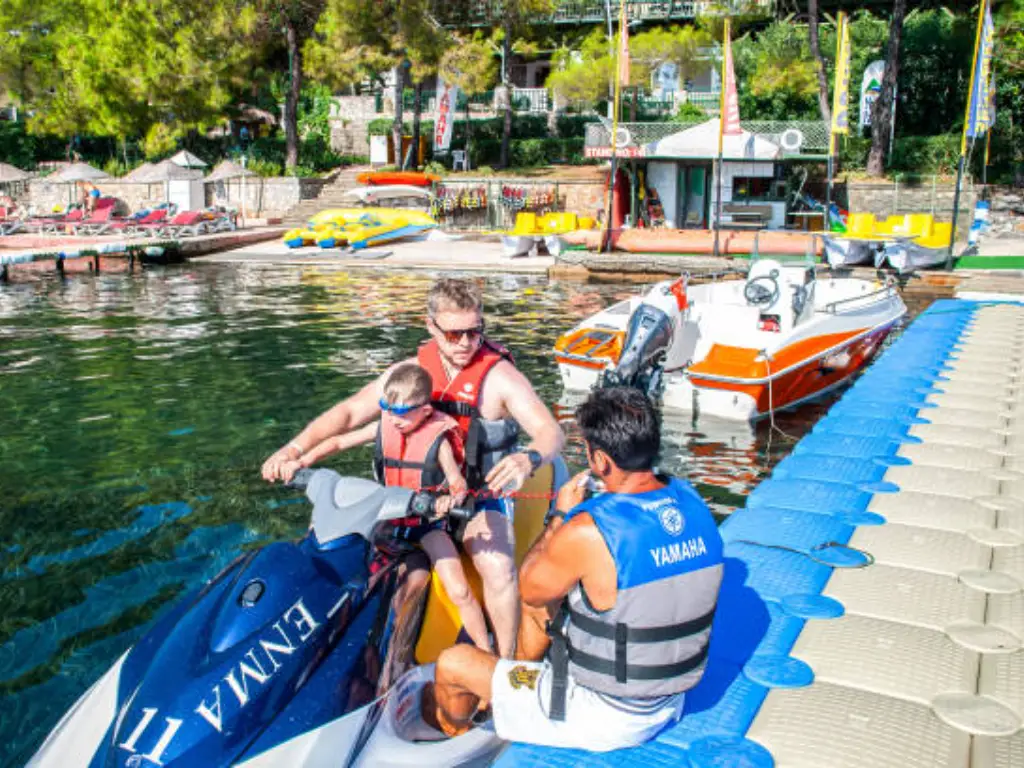
When it comes to docking your jet ski, there are two primary approaches: parallel parking and docking perpendicular. The selection of the one method is the result of the consideration of the type of dock, water conditions, and your personal preference. By becoming proficient in both of these techniques, you will get an opportunity to handle all the dock options in a more confident way.
Parallel Docking Technique
Parallel docking is the process of parking the back of your jet ski in such a way that you are side by side with the dock and your PWC is positioned parallel to the edge of the dock. This technique is typically used when docking maneuvers involve a narrow space along the shoreline and a lot of traffic. To accomplish a docking maneuver in parallel, come to the dock at a speed of 20-30 degrees and gradually turn handlebars to bring your jet ski parallel to the dock. Use short bursts of throttles to stay in control and prevent your PWC to drift off from the dock. Once you have reached the dock, tie your jet ski to the dock cleats with the dock lines.
Perpendicular Docking Technique
The second method is called perpendicular docking or “drive-in” docking that involves approaching the dock head-on and your jet ski stopping perpendicular to the dock’s edge. This method is quite convenient in cases where you have the luxury of space and you need to drop off or pick up passengers in a hurry. In order to carry out a perpendicular docking maneuver, come to the docking point slowly and at a 90-degree angle. Approaching the ferry, slow down and shift your jet ski into neutral. Continue riding your PWC’s momentum as it will carry you the rest of the way. If needed, use short bursts of reverse throttle to stop it before it hits the dock.
Avoiding Common Docking Mistakes
A jet ski docking may be a challenging task, even for the beginners. In order to avoid the common mistakes and ensure a smooth and safe docking experience, let us discuss the things to be avoided. One of the most common flaws is just over speeding to the dock. Make sure to keep your speed at a controllable level when you come near to the dock, giving yourself enough time to make changes if anything happens to the docking environment.
Yet another error to avoid is not including wind, current or wave action in your calculation. These elements might be the main cause of your difficulty in docking and can make the process more troublesome. Checking the conditions is the first step before docking, and you should be prepared to make changes as necessary. Lastly, after doing all of that, you should use your dock lines to secure your jet ski properly. Not following the correct procedure for securing your PWC can cause damage to your water vessel or the dock or even let your jet ski float away.
Advantages of Docking Your Jet Ski at a Plastic Floating Dock
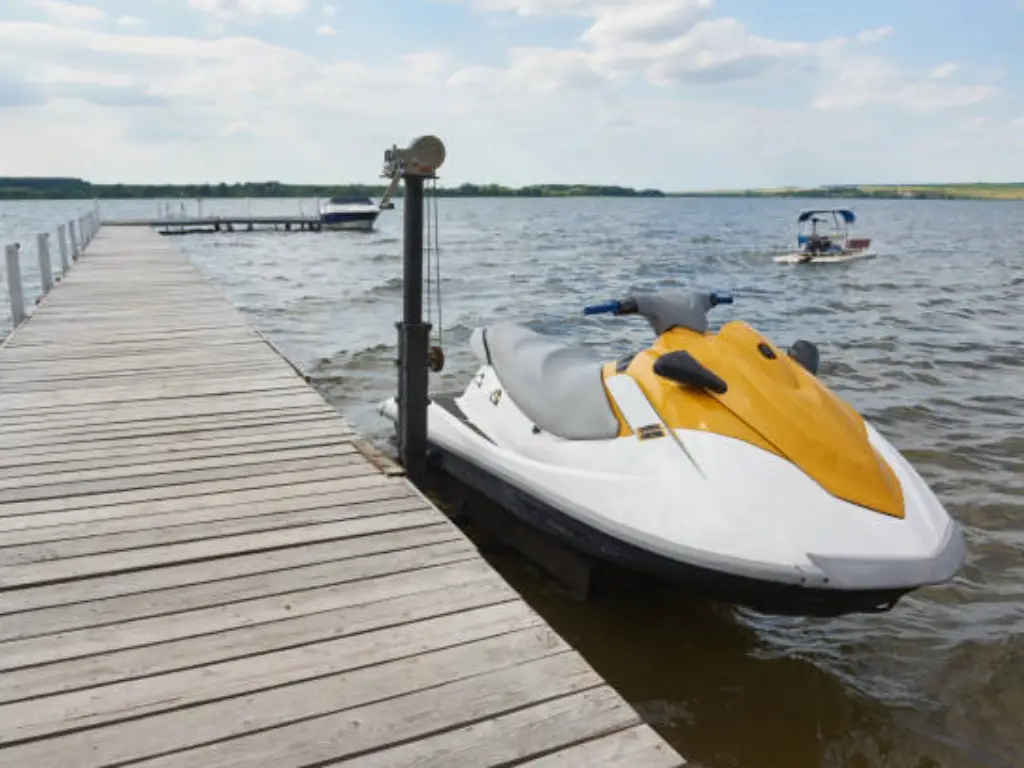
The case of docking your jet ski, it is the plastic floating dock which provides you with various benefits compared to others types of docks. These docks are designed with only small watercrafts in mind, like jet skis, and as such they provide a stable, safe and convenient platform for embarkation and disembarkation.
Durability and Low Maintenance of Plastic Floating Docks
Among the main benefits of plastic floating docks is the fact that they are durable and have minimal maintenance requirements. The docks are made of the HDPE (high-density polyethylene) which is resistant to UV rays, weathering, and impacts. In contrast with wooden docks, plastic floating docks are not splintered or rotted out, and they do not need painting or staining every so often. This translates into the fact that you’ll be able to spend more time having fun on your jet ski and less time worrying about maintaining the dock.
Stable Platform for Easy Boarding and Disembarking
Stable plastic pontoons serve as a base for jumping on and off your jetski, even under waves. The floats of the dock aid in the absorption of wave action as well as boat wakes and, consequently, create a more stable surface than fixed docks. It is this stability that makes it easier and safer for a child, the elderly or a person who is not physically able to get on and off the PWC.
Customizable Configurations for Jet Ski Docking
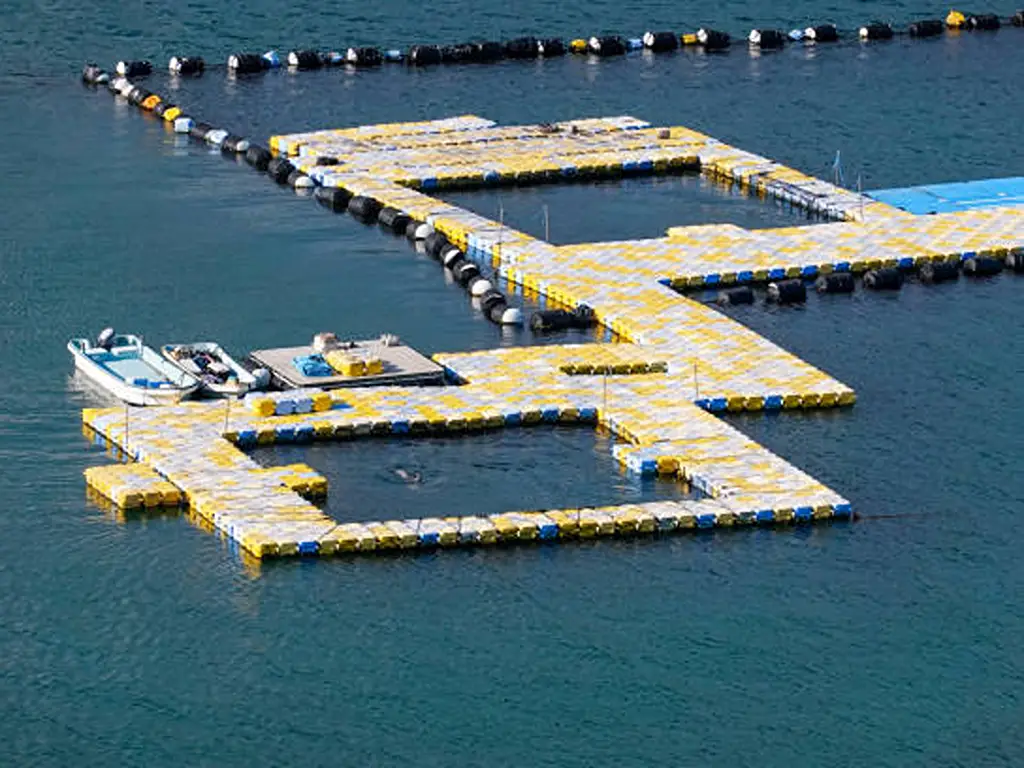
The other benefit of floats plastic is their modular structure that permits customized arrangements so as to meet the docking needs of your jet ski. You can choose to include or omit any section to get the exact sizing and layout you desire for your beachside property. Various floating Plastic dock systems are also furnished with a plethora of accessories, including PWC lifts, dock boxes, and fishing rod holders, to set the mood right for your docking experience.
Maintaining Your Plastic Floating Dock for Optimal Jet Ski Docking
Regular Cleaning and Inspection Tips
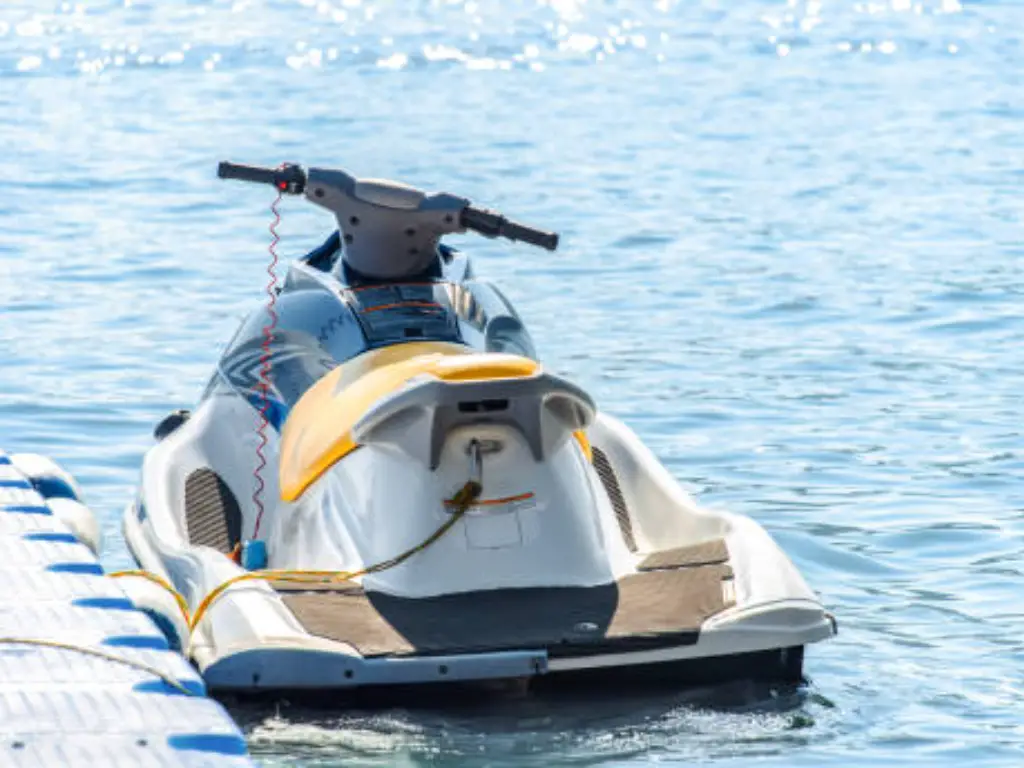
First, clean your floating dock built of plastic at least once a week to remove dirt, debris, and algae. Try a brush with soft bristles, mild soap, and fresh water to clean the dock surface. Particularly pay attention to the high-traffic areas and the spaces between the dock sections. Clean the dock using a hose or pressure washer on the low setting, to make sure you don’t damage the plastic.
Examine your dock frequently for wear and tear, damage, or loose connections. To prevent any hardware failure, make sure that all of the bolts, nuts, and brackets are tight and secure. In case you find any cracks, punctures, or any other damage on the surface of the dock, call the manufacturer or a professional for getting the repair advice.
Proper Storage and Winterization Techniques for Plastic Floating Docks
If you happen to live in an area that experiences extreme winter conditions, it is important to store your plastic floating dock and winterize it. First, before the freezing temperatures come, remove your dock from water and clean it thoroughly. Keep the dock components in a dry, sheltered place, such as a garage or shed, to guard them from ice, snow, and debris accumulation.
Should you opt to keep your dock in the water during the winter, then you should consider installing a bubbler system or de-icer to prevent ice from forming around the dock. Ensure that you unplug any electrical devices and take out any accessories, like PWC lifts or dock boxes, to avoid them from damage due to freezing.
Troubleshooting Common Issues with Plastic Floating Docks
Plastic floating docks, being hardy and low-maintenance, may still occur to various problems that are detrimental to their performance. One of the common issues is that the water can collect inside the dock sections and the dock will get to sit lower in the water. To overcome this problem, inspect the dock area for cracks or holes and repair them immediately. If water has already accumulated, use a pump or a drain plug to get the water out.
Another important issue is the development of algae or other aquatic organisms on the docking surface, which can make the docking slippery and unsafe for jet ski docking. In order to avoid this, applying the eco-friendly algaecide or anti-fouling paint on your dock can be a good idea. Besides, frequent cleaning of the dock will help you to control the growth of algae and ensure the dock surface is safe for use.
الخلاصة
Knowing how to safely and effectively dock a PWC is one of the most important skills for any jet skiing enthusiast. It is very important to know the docking capabilities of your jet ski, evaluate the docking environment, and use the proper equipment and methods for docking the jet ski with confidence.
If one is to be able to choose the best docking solution for their jet ski, a plastic floating dock offers a number of benefits such as its durability, stability, and customizable configurations. Proper upkeep and maintenance are key ingredients for keeping your plastic floating dock in good condition for many years of hassle-free jet ski docking.

 English
  Thai
Thai  Spanish
  French
  German
  Dutch
Dutch  Italian
  Arabic
  Indonesian
  Portuguese
  Turkish