
Einführung
Der Bau eines eigenen Stegs ist nicht nur ein Projekt zur Verschönerung des Hauses, sondern eine strategische Investition, die die Lücke zwischen der Immobilie an Land und dem Nutzen im Meer schließt. Nach Ansicht von Branchenexperten handelt es sich dabei um ein Spiel mit der Steuerarchitektur, bei dem die Sehnsucht, am Wasser zu leben, mit der harten Realität von Technik, Umweltgenehmigungen und Materialbeständigkeit jongliert werden muss. Obwohl die Vorstellung, aus dem eigenen Garten in ein Boot steigen zu können, verlockend ist, ist der Weg dorthin mit komplizierten Kostenfaktoren für das Anlegen gepflastert, die sich je nach Geografie und Design drastisch ändern können.
Auf die Frage "Wie viel kostet der Bau einer Anlegestelle?" gibt es selten eine einzige Antwort. Vielmehr gibt es eine Reihe finanzieller Ergebnisse: eine einfache saisonale Plattform, die mit ein paar Tausend Dollar erworben werden kann, und ein dauerhafter Tiefwassersteg, der so teuer wie ein Luxusauto sein kann. Das Geheimnis dieser Investition besteht darin, die verborgenen Kräfte hinter den Kosten zu kennen, einschließlich der Geometrie des Layouts, der chemischen Zusammensetzung der Materialien und der langfristigen Wartungszyklen. In diesem Leitfaden werden alle anfallenden Kosten detailliert aufgeschlüsselt, so dass sich jeder Dollar, den Sie ausgeben, in strukturelle Zuverlässigkeit und eine Wertsteigerung der Immobilie umwandelt.
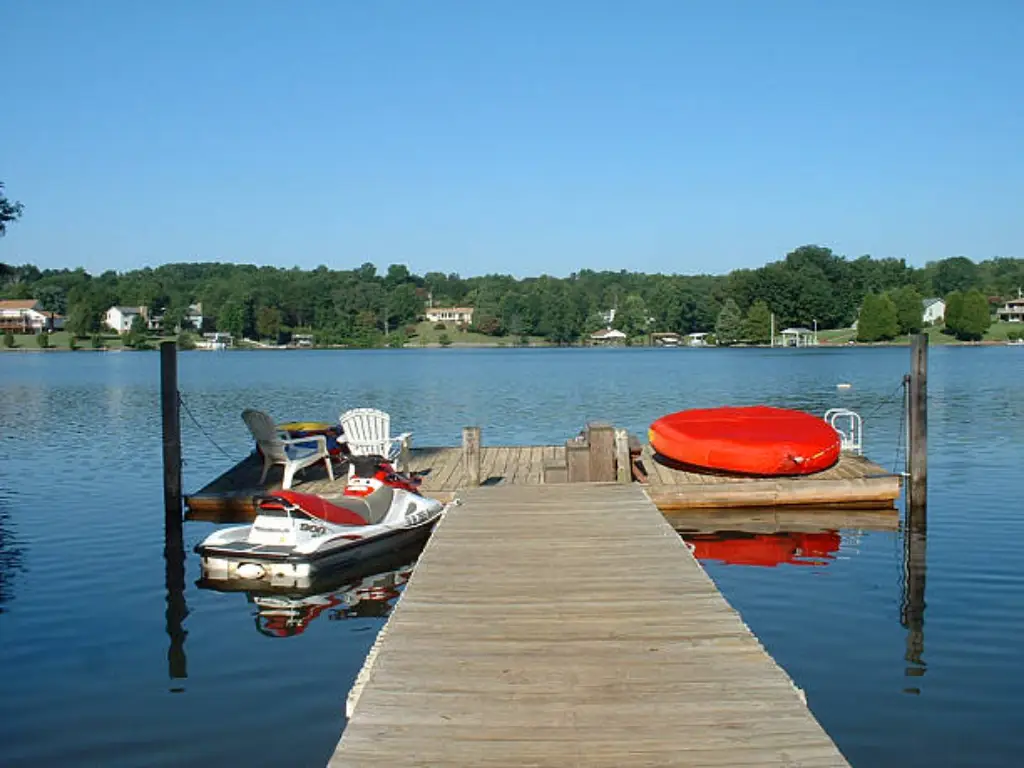
Warum ein privates Dock bauen?
Die Entscheidung, in ein privates Dock zu investieren, ist selten eine Entscheidung mit kalter, harter Logik, aber die logischen Vorteile sind erstaunlich stark. Da ist zunächst die Frage des Immobilienwerts. Laut Immobilienstatistiken kann ein richtig gebauter Steg den Wert eines Hauses am Wasser um 10 bis 15 Prozent steigern. Er macht aus einem Haus am Wasser ein Haus am Wasser.
Zweitens ist da der Faktor Bequemlichkeit. Wenn man ein Boot hat, reichen die ständigen Kosten für die Liegeplätze in den Häfen, der logistische Albtraum des Schleppens und die Warteschlangen an den öffentlichen Rampen aus, um darüber nachzudenken, das Boot zu verkaufen und sich dem Stricken zu widmen. Es gibt einen eigenen Steg mit direktem Zugang.
Und schließlich ist ein Steg ein vielseitiges soziales Zentrum. Es ist ein Angeldeck, ein Schwimmdeck und eine Galerie zur Beobachtung des Sonnenuntergangs in einem. Es ist eine Fortsetzung Ihres Wohnzimmers, nur dass es sich mitten in der Natur befindet.
Die durchschnittlichen Kosten für den Dockbau verstehen
Die Antwort auf die Frage "Wie viel kostet der Bau eines Docks?" setzt voraus, dass man versteht, dass die Preise von verschiedenen Faktoren wie Art, Größe, Komplexität und Gesamtumfang des Projekts abhängen, wie dies bei allen Bauvorhaben der Fall ist. Eine einfache bis mittelgroße Steganlage kostet in der Regel zwischen $4.000 und $25.000, wobei die durchschnittlichen Kosten den Kauf von Materialien, die Arbeit und deren Installation umfassen. Ein Standard-Steg mit einer Fläche von 360 Quadratmetern kostet schätzungsweise etwa $15.000.
Der endgültige Preis hängt von Ihrer persönlichen Auswahl ab. Ein kleines Schwimmdock kann beispielsweise nur ein paar Tausend Dollar kosten, aber dauerhafte Sonderausstattungen und komplexe Konstruktionen für ein größeres Dock können die Kosten erheblich erhöhen.
Aufgrund der einfacheren Konstruktion kosten Schwimmdocks insgesamt weniger, während Spundwand- oder Krippendocks die Preise in die Höhe treiben. Wenn Sie sich für dauerhafte Docks aus hochwertigen Materialien wie Verbundwerkstoffen, Aluminium oder anderen Materialien entscheiden, steigen die Kosten erheblich.
Welches sind die Faktoren, die die Gesamtkosten des Hafenbaus beeinflussen?
Ein Hafenbecken ist ein sensibles Ökosystem von Variablen, in dem der endgültige Preis durch eine Kombination aus physischer Größe, Umweltfaktoren und regulatorischen Anforderungen bestimmt wird. Die Kenntnis dieser Faktoren ist der Unterschied zwischen einer erfolgreichen Investition und einem Budget, das ohne jede Vorwarnung verschwindet.
Primäre Kostenfaktoren: Abmessungen und Materialwahl
Die physische Größe und die Gesamtquadratfläche des Gebäudes sind in den meisten Fällen der Kostenfaktor, da sie die schiere Menge an Rohmaterial und den Umfang der benötigten Technik bestimmen. Die Gesamtfläche der Fläche ist die Grundlage jeder Schätzung; bei einem einfachen Projekt mit 120 Quadratmetern, das perfekt für einen Jetski oder eine kleine Plattform geeignet ist, liegt das Budget normalerweise zwischen 2.000 und 5.500 Dollar. Wird die Anlage jedoch auf eine Grundfläche von 540 Quadratmetern erweitert, um größere Boote unterzubringen, steigt der Preis natürlich auf 8.100 bis 18.900 Dollar. Dieser Anstieg ist nicht nur auf die Anzahl der Decks zurückzuführen, sondern auch auf die Notwendigkeit, handelsübliche Verankerungen und verstärkte Rahmen zu verwenden, die den erhöhten Wind- und Wellenlasten standhalten können, die mit der größeren Fläche einhergehen.
Außerdem ist die Komplexität der Konstruktion ein starker Kostenmultiplikator, der die Endrechnung erheblich verändern kann. Obwohl ein gerader I-förmiger Ausbau die kostengünstigste Option ist, weil er die wenigsten Teile erfordert, wird der Übergang zu L-förmigen, U-förmigen oder sogar doppelstöckigen Designs erhebliche strukturelle Mehrkosten verursachen. Solche aufwendigen Konstruktionen erzeugen viel mehr Randbereich, was zusätzliche teure Teile erfordert, einschließlich umlaufender Kotflügel, Stoßstangen und Sicherheitsgeländer. Außerdem benötigen detaillierte Entwürfe unter Umständen verstärkte Rahmen und einen größeren Auftrieb, damit das Dock auch bei ungleichmäßiger Belastung durch mehrere Bootsanleger oder gesellschaftliche Veranstaltungen stabil bleibt.
Schließlich bestimmen zwar die Abmessungen und der Grundriss die Größe des Projekts, aber die Wahl des genauen Materials bestimmt den endgültigen Preis pro Quadratmeter und den langfristigen finanziellen Fußabdruck der Steganlage. Die Verwendung von preiswertem, druckbehandeltem Holz kann die anfänglichen Baukosten erheblich senken, aber diese Kosten werden auf lange Sicht häufig durch die wiederkehrenden Kosten für Beizen und strukturelle Reparaturen wieder ausgeglichen. Umgekehrt hat eine höhere Anfangsinvestition in Hochleistungsmaterialien wie HDPE, Verbundwerkstoffe oder Aluminium einen höheren Wert über die gesamte Lebensdauer, da sie im Wesentlichen keine Ausgaben für die jährliche Wartung erforderlich machen und eine wesentlich längere Lebensdauer unter harten Meeresbedingungen haben. Diese Materialkategorien werden in der folgenden Vergleichstabelle weiter aufgeschlüsselt, in der die geschätzten Kosten pro Quadratfuß mit der geschätzten Lebensdauer im Meer verglichen werden.
| Material | Kosten pro Quadratmeter. | Profis | Nachteile | Typische Lebenserwartung |
| Kiefer | $1 - $5 | Erschwinglich, leicht verfügbar | Weniger haltbar, erfordert regelmäßige Wartung | 5-15 Jahre |
| Zedernholz | $4 - $8 | Natürlich fäulnisbeständig, ästhetisch ansprechend | Teurer als Kiefer | 15-30 Jahre |
| Rotholz | $7 - $10 | Langlebig, widerstandsfähig gegen Insekten und Fäulnis | Erfordert regelmäßige Versiegelung und Beizung | 20-30 Jahre |
| Kesseldruckimprägniertes Holz | $3 - $7 | Erschwinglich, resistent gegen Insekten und Fäulnis | Erfordert regelmäßige Versiegelung und kann Chemikalien enthalten | 10-25 Jahre |
| Hartholz | $6 - $15 | Sehr langlebig, resistent gegen Fäulnis und Insekten | Teuer | 25-40 Jahre |
| Exotische Harthölzer | $10 - $25+ | Extrem langlebig, luxuriöses Aussehen | Sehr teuer | 30+ Jahre |
| Komposit | $4 - $16 | Pflegeleicht, langlebig und in verschiedenen Farben | Teurer als andere Hölzer, kann bei direkter Sonneneinstrahlung heiß werden | 20-30+ Jahre |
| Kunststoff/PVC | $4 - $10 | Wasserbeständig, pflegeleicht | Kann weniger natürlich aussehen als Holz | 20+ Jahre |
| Aluminium | $8 - $15 | Leicht, korrosionsbeständig, wartungsarm | Teurer als andere Hölzer, kann bei direkter Sonneneinstrahlung heiß werden | 30+ Jahre |
| Synthetisches Holz | $8 - $20+ | Äußerst langlebig, pflegeleicht, resistent gegen Ausbleichen | Teuer | 25+ Jahre |
| Beton | $10 - $25+ | Extrem langlebig, sehr wartungsarm | Sehr teuer, erfordert spezielle Installation | 50+ Jahre |
Arbeits- und Installationskosten
Einer der Hauptkostenfaktoren ist der Arbeitsaufwand, der in der Regel 40-60 % der Gesamtinvestition ausmacht. Professionelle Schiffsbauunternehmen kosten in der Regel zwischen 50 und 150 pro Stunde pro Arbeiter, was 15 bis 40 pro Quadratfuß allein an Arbeitskosten entspricht. Für ein typisches Wohnbauprojekt bedeutet dies, dass die Kosten für professionelle Arbeit zwischen $5.000 und 15.000 liegen. Diese Kosten können bei permanenten Pfahlrammen sehr hoch sein, da Spezialgeräte wie Rammgeräte $500 bis 1500 pro Pfahl kosten können.
Mit einer Selbstbaulösung hingegen lassen sich die Arbeitskosten fast auf Null reduzieren, und Sie können das eingesparte Geld, das zwischen 4.000 und 6.000 Dollar liegt, wieder in das Projekt investieren. Während für Tiefwasserpfähle oder stark frequentierte Standorte professionelles Wissen erforderlich ist, kann ein modulares DIY-System in einer ruhigen Wohnumgebung die vernünftigste Wahl sein, da es maximiert werden kann, ohne die Qualität der professionellen Ergebnisse zu beeinträchtigen.
Geotechnische Untersuchung, Ausbaggerung und Standortvorbereitung
Die standortspezifischen Faktoren sind das so genannte versteckte Fundament des Budgets vor Baubeginn und erhöhen die Gesamtkosten in der Regel um 20-50 %. Die geotechnische Untersuchung, die zwischen 1000 und 3500 Dollar kostet, ist in der Regel erforderlich, um festzustellen, ob der Seegrund das Verankerungssystem tragen kann. Wenn die Uferlinie zu flach ist, um Ihr Schiff aufzunehmen, kostet das Ausbaggern des Wassers auf die erforderliche Tiefe außerdem zwischen 25 und 75 Dollar pro Kubikmeter.
Die Kosten für die Rodung der Vegetation und die Stabilisierung des Ufers mit Steinschüttungen liegen ebenfalls zwischen $1.500 und 5.000, um den Standort vorzubereiten. Diese Anfangskosten sind notwendig, da die Qualität des Bodens oder die Tiefe die Einstiegskosten des Projekts vor der Installation des ersten Moduls wesentlich erhöhen können.
Lizenzvergabe und Rechtskosten
Die gesetzlichen Anforderungen verursachen zusätzliche Kosten, die das Projektbudget normalerweise um 5 bis 15 Prozent erhöhen. Die Kosten für die Beantragung einer Genehmigung belaufen sich auf 500 bis 3.000 Dollar, und wenn die Genehmigung nicht erteilt wird, können hohe Geldstrafen verhängt werden. Darüber hinaus können die Kosten für die Umweltverträglichkeitsprüfung zwischen 1.500 und 5.000 Dollar liegen, um sicherzustellen, dass das Bauwerk keine negativen Auswirkungen auf die örtlichen Fischhabitate oder Seegraswiesen hat.
Um den Entwurf für die örtlichen Wind- und Eislasten zu zertifizieren, sind in den meisten Ländern auch von einem zugelassenen Ingenieur abgestempelte Lagepläne erforderlich, die zwischen $1.000 und $4.000 kosten. Bei komplizierten Grundstücksgrenzen können sich die Kosten durch Rechts- und Beratungsgebühren um weitere 2.000 bis 6.000 Dollar erhöhen. Schließlich wirken diese behördlichen Hindernisse wie ein administrativer Filter, der die Kosten indirekt durch die Forderung nach bestimmten umweltfreundlichen Materialien oder haltbarerer Technik erhöhen kann.
Erforderliche Zusatzgeräte: Hardware und Hilfsprogramme in Marinequalität
Das spezielle Zubehör macht aus einer einfachen Plattform einen funktionalen Hafen, hat aber einen großen Einfluss auf die endgültigen Baukosten. Bootslifte, die je nach Art des Systems zwischen 2.500 und mehr als 20.000 kosten, dienen der Abschirmung des Schiffsrumpfes, benötigen aber eine stärkere Rahmenkonstruktion. Außerdem sind Landstrom- und Wassersysteme mit Gesamtkosten von $2.000 bis $8.500 und Stromsockeln zwischen 1.200 und 3.500 günstig.
Das wichtigste Sicherheitssystem sind Festmacher, und die Budgets reichen von Klampen aus rostfreiem Stahl 316 und Stoßstangen zwischen $500 und 4000. Andere Sicherheitsmaßnahmen wie Schiffsleitern (300-800) und professionell installierte Beleuchtung (800-4500) sind ebenfalls in der Liste enthalten. Jede hochfunktionale Ergänzung hat einen Kosteneffekt, der strukturelle Verstärkungen erforderlich macht, die den ursprünglichen Kostenvoranschlag für die Konstruktion erhöhen.
Jährliches Budget für Wartung und Versicherung
Die aufgeschobenen Baukosten sind Instandhaltung und Versicherung, die die Gesamtlebensdauer der Investition bestimmen. Holzstege sollten mit Materialien konserviert werden, die zwischen 500 und 1500 pro Jahr kosten, und der Korrosionsschutz der Beschläge kostet zwischen 150 und 400 pro Jahr, um verrostete Bolzen zu ersetzen. Darüber hinaus müssen Pfahldocks alle zwei bis drei Jahre mit Kosten zwischen 400 und 800 überprüft werden, um sicherzustellen, dass sich das Fundament nicht verschiebt.
Die Versicherung ist eine feste Ausgabe, die im Allgemeinen eine Prämie von 200-600 pro Jahr und in Küstenregionen von 300-1000+ erhöht. Ihre erste Materialentscheidung führt zu einer festen jährlichen Verbindlichkeit; eine hohe Instandhaltungsabgabe wird durch ein Holz verursacht, das als Budget bezeichnet wird, und belastbare modulare Konstruktionen können die Gesamtkosten auf lange Sicht senken, indem sie 20 bis 30 Prozent Versicherungsrabatt erhalten.
Docktypen und ihre Preise
Die Wahl des richtigen Stegs ist ein Kompromiss zwischen den besonderen geografischen Gegebenheiten Ihres Ufers und Ihrem langfristigen Budget. Um Ihnen die Auswahl zu erleichtern, haben wir die gängigsten Systeme in vier große Gruppen unterteilt, nämlich in feste, schwimmende, saisonale und spezielle Systeme. Ausgehend von einer Standardgrundfläche von 10 x 20 Quadratmetern hilft Ihnen der folgende Leitfaden dabei, genau zu verstehen, was Sie an Rohstoffen im Vergleich zu den Gesamtkosten für eine professionelle, schlüsselfertige Installation bezahlen.
Permanente Gründungsstrukturen
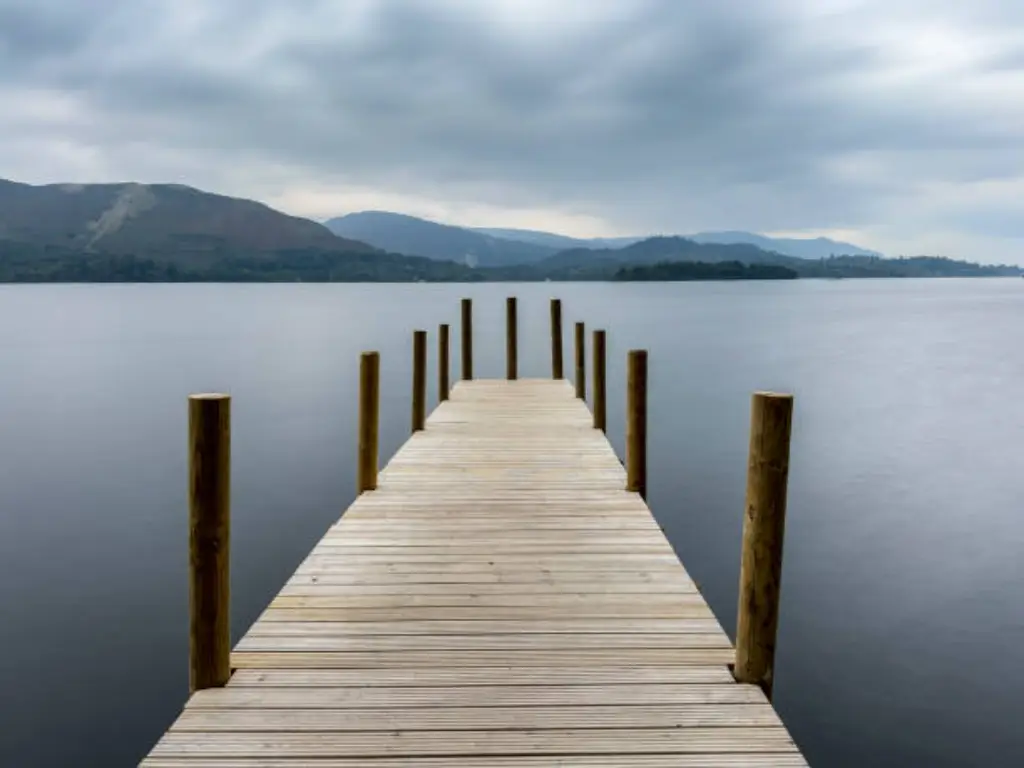
Diese Docks sind dauerhaft und sollen als permanente Struktur des Grundstücks verwendet werden. Sie sind am stabilsten und in der Anschaffung am teuersten.
- Pfahldocks: Beim Bau von Pfahldocks werden schwere Stützpfähle, in der Regel aus druckbehandeltem Holz, verzinktem Stahl oder Verbundwerkstoff, mit professioneller Rammtechnik tief in den See- oder Meeresboden gebohrt. Die Materialkosten für die Pfähle und den hochwertigen Belag (IPE oder hochwertiger Verbundwerkstoff) liegen bei einer Fläche von 200 m² zwischen 4.000 und 8.000 Dollar. Die Gesamtkosten für den Bau liegen jedoch zwischen 8.000 und 20.000 Dollar, da die Installation auf einem Lastkahn und mit einer speziellen Mannschaft erfolgen muss. Der erste Vorteil ist ein solides Gefühl, das das Andocken schwerer Schiffe ermöglicht. Nachteilig ist, dass sie nicht beweglich sind, sich nicht an wechselnde Wasserstände anpassen können und in kalten Klimazonen durch Eisgang beschädigt werden können. Sie eignen sich am besten für Tiefwassergebiete, in denen der Wasserstand stabil und der Schiffsverkehr hoch ist.
- Krippendocks: Dabei handelt es sich um eine uralte Technik, bei der große, ineinander greifende Holzkisten (Krippen) aus Zedern-, Hemlock- oder behandeltem Holz mit Tonnen von Naturstein oder Granit gefüllt und auf den Grund versenkt werden. Das Holz und der Stein, die für den Bau eines 200 m² großen Stegs verwendet werden, kosten etwa 7.000 bis 12.000 Euro an Material. Wenn man dann noch die harte Arbeit des Baus und des Auffüllens dieser Gebäude unter Wasser hinzurechnet, belaufen sich die Gesamtkosten des Projekts auf 12.000 bis 24.000. Krippendocks sind wohl die stärksten Docks, die es gibt, denn sie sind in der Lage, schweren Eisbewegungen über 50 Jahre lang standzuhalten. Sie sind jedoch am kostspieligsten und werden in der Regel durch die geltenden Umweltvorschriften verboten, da sie große Teile des Seebodens beanspruchen. Sie eignen sich am besten für felsigen Seegrund, wo keine Pfähle getrieben werden können.
- Docks aus Beton: Sie werden in der Regel in kommerziellen Jachthäfen oder in hochwertigen Wohnanlagen eingesetzt und bestehen aus einem hochdichten EPS-Schaumkern (expandiertes Polystyrol) mit einer schweren Hülle aus faserverstärktem Beton in Schiffsqualität. Die Materialkosten für einen Abschnitt von 200 Quadratfuß liegen bei 12000-18000. Sie sind extrem schwer, so dass sich die Gesamtkosten für den Bau auf mehr als 20 000 Dollar belaufen können, einschließlich schwerer Kräne und spezieller Logistik. Sie bieten eine Stabilität, als würde man auf festem Boden gehen, sind feuerfest, verrottungsfest und praktisch wartungsfrei. Aufgrund ihres enormen Gewichts eignen sie sich für Salzwasser und für Orte mit viel Wellenenergie, werden aber wegen der hohen Einstiegshürde kaum in kleinen Wohnseen eingesetzt.
Schwimmende Docksysteme
Die flexibelste Lösung für die modernen Wasserfronten sind schwimmende Systeme, die speziell dafür geschaffen wurden, sich mit den Gezeiten oder saisonalen Wasserschwankungen zu heben und zu senken.
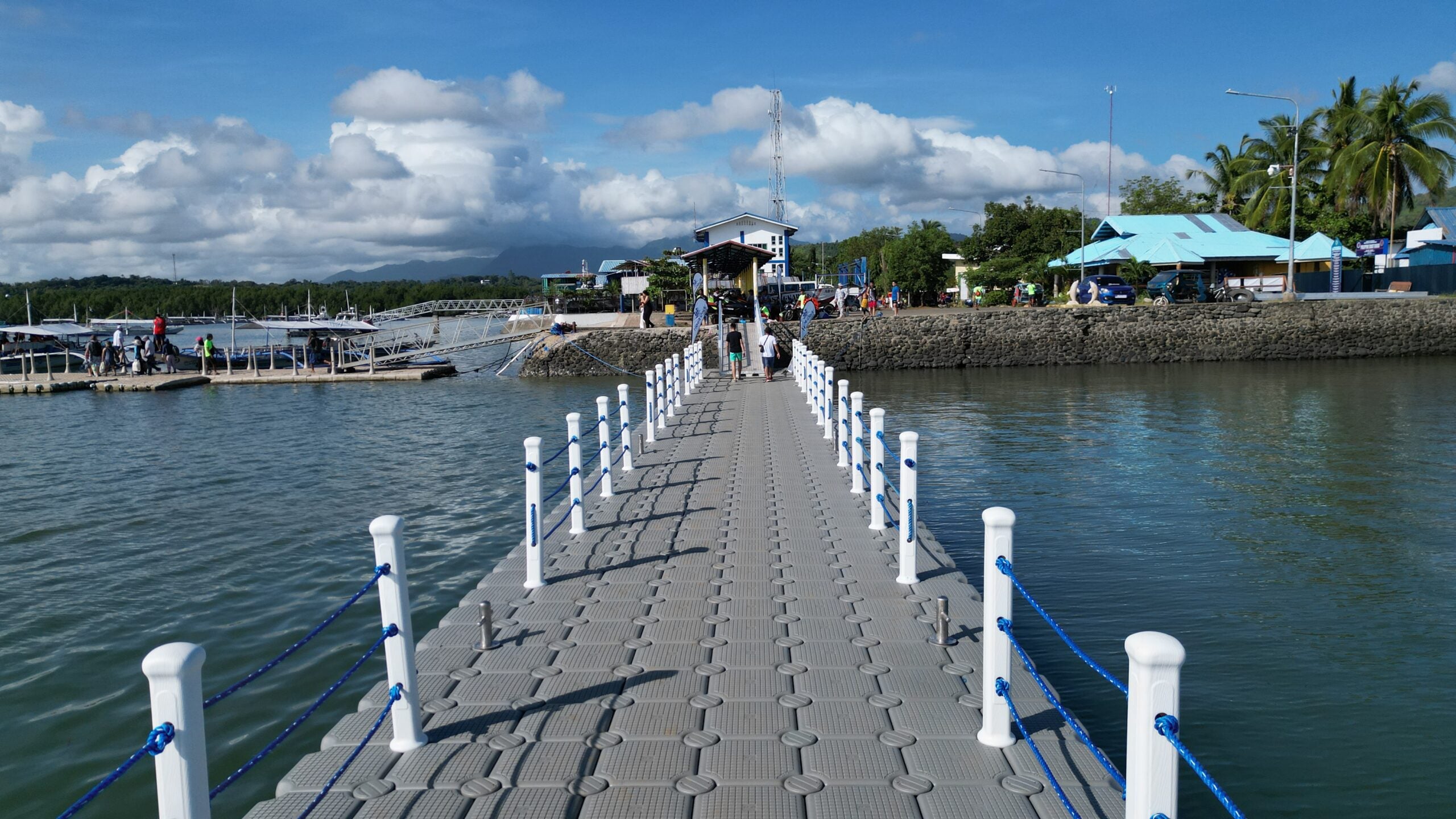
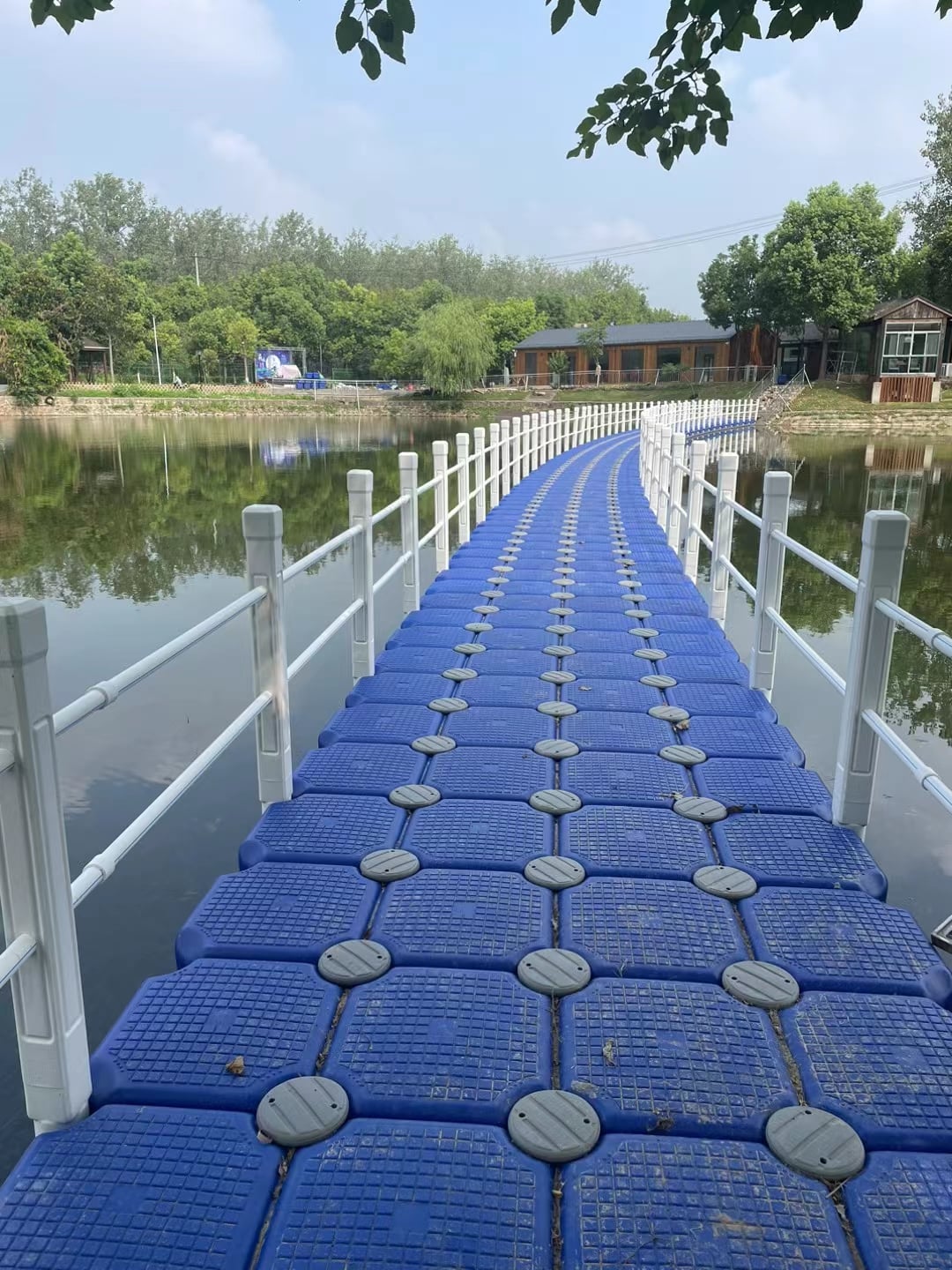
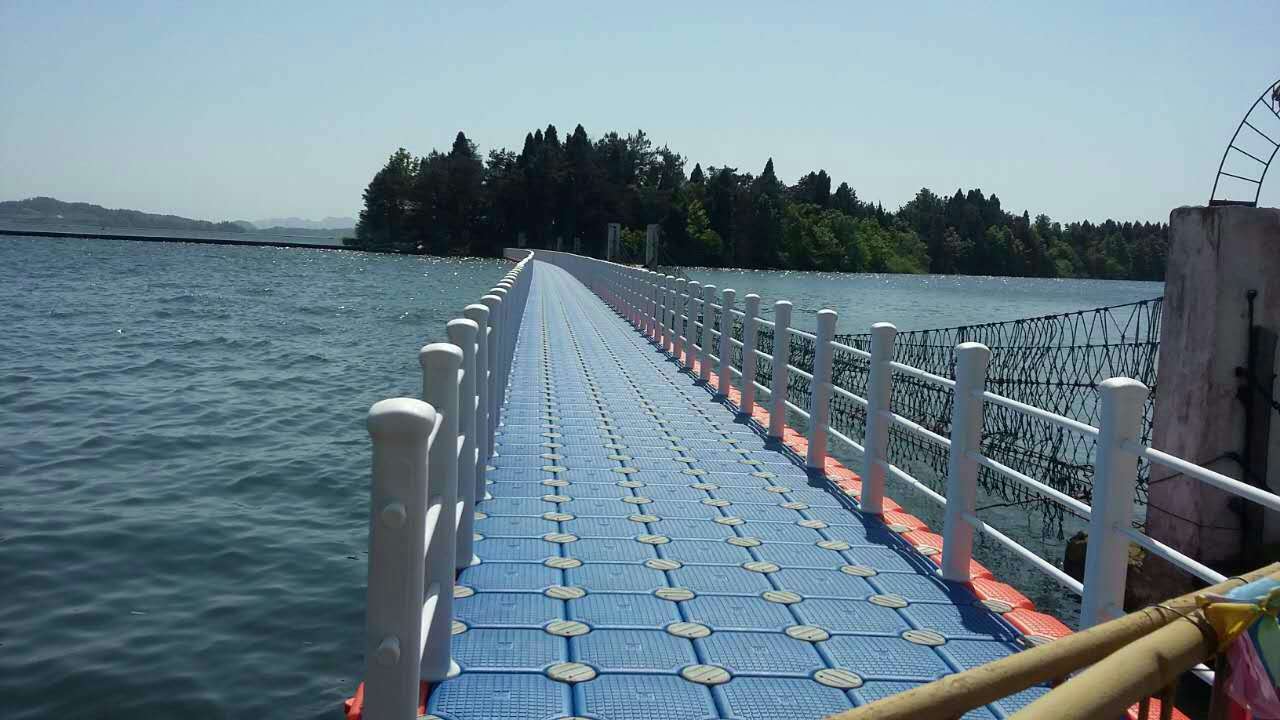
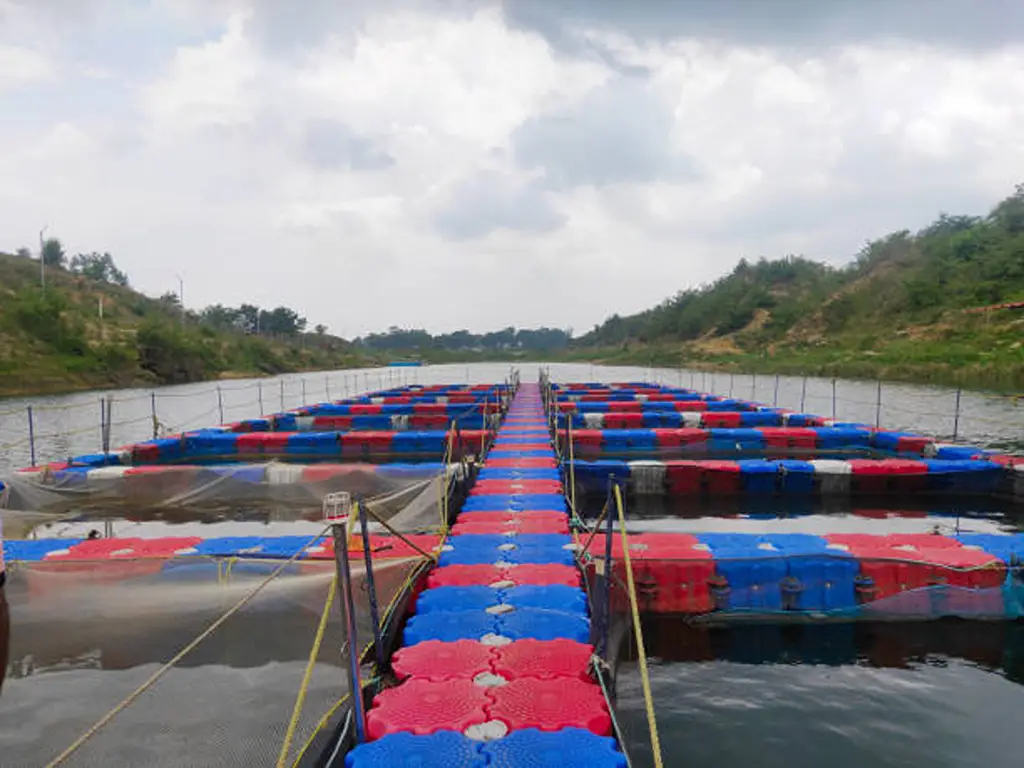
- Modulare Docks aus HDPE: Diese Systeme bestehen aus ineinandergreifenden Würfeln aus hochdichtem Polyethylen (HDPE), die mit hochbelastbaren Stiften verbunden sind. Die Kosten für das verwendete Material liegen zwischen 3.500 und 7.000 Dollar im Falle einer 200 Quadratfuß großen Anlage. Der größte Vorteil ist, dass die Gesamtkosten für die Konstruktion sehr nahe an den Materialkosten liegen - etwa 4.000-9.000 -, da sie so konstruiert sind, dass sie von Heimwerkern ohne die Hilfe eines Fachmanns installiert werden können. Diese Docks benötigen keinerlei Wartung; sie verrotten nicht, rosten nicht und müssen nicht gestrichen werden. Sie sind flexibel genug, um Stürmen zu widerstehen, die ein steifes Dock aufgrund ihrer wellengangabhängigen Flexibilität ruinieren würden. Sie sind die bevorzugte Option für PWC-Plattformen (Jet Ski), Schwimmstege und umweltbewusste Gebiete, in denen der Kontakt mit dem Seegrund nicht erlaubt ist.
- Ponton-Docks: Hierbei handelt es sich um ein herkömmliches Schwimmdock, das aus einem Aluminium- oder Holzrahmen besteht und durch lange Pontonrohre aus Aluminium oder Kunststoff zusammengehalten wird. Die Materialkosten für den Bau einer 200 m² großen Version betragen etwa 3.000 bis 6.000, und die Gesamtkosten für die Konstruktion liegen normalerweise zwischen 5.000 und 10.000. Sie bieten ein traditionelles Aussehen und können mit verschiedenen Belägen ausgestattet werden, die zu einem Haus passen. Obwohl sie sehr schwimmfähig sind, müssen sie regelmäßig gewartet werden, um die Rahmenverbindungen zu überprüfen und sicherzustellen, dass die Pontons nicht undicht oder korrodiert sind. Sie eignen sich am besten für ruhige Binnenseen, in denen der Wasserstand schwankt, aber die Wellen gering sind.
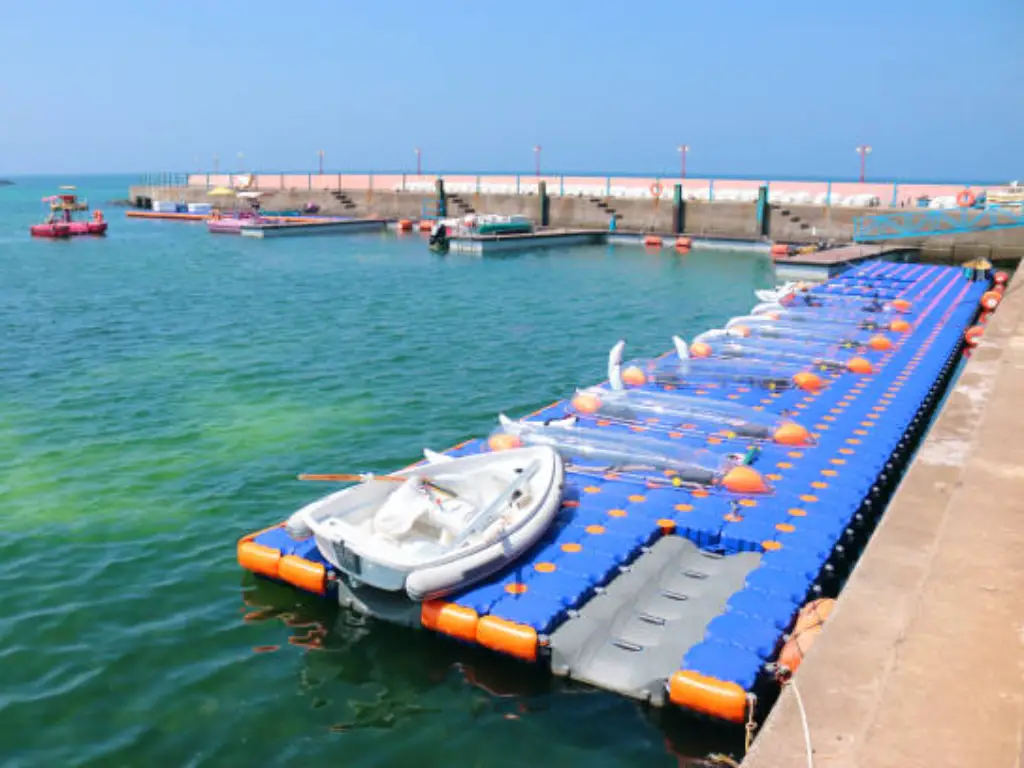
Abnehmbare und saisonale Lösungen
Es handelt sich dabei um leichte Konstruktionen, die leicht zu entfernen sind und meist von den Eigentümern in Gegenden verwendet werden, in denen das Wintereis einen festen Steg zerstören würde.
- Rohrleitungsdocks: Diese sind die billigsten und bestehen aus einem maritimen Aluminiumrahmen mit verstellbaren, verzinkten Stahlbeinen (Rohren), die auf dem Boden platziert werden. Die Materialkosten für ein 200 sq. ft. Kit liegen zwischen 1500 und 4000. Da die meisten Besitzer sie selbst installieren, liegen die Gesamtkosten kaum über $2.000 bis 6.000. Ihr Hauptvorteil ist die Einfachheit; sie hinterlassen nur einen kleinen Fußabdruck in der Umwelt und sind im Herbst leicht zu ernten. Sie sind jedoch für große Boote nicht stabil und können nur in flachen Gewässern mit festem, ebenem Boden eingesetzt werden. Sie können nicht an Orten mit starkem Wind oder hohem Verkehrsaufkommen verwendet werden.
- Roll-in-Docks: Ein Roll-in-Dock ist einfach ein Rohrdock mit großen Polyethylenrädern. Die Materialkosten für ein 200 Quadratfuß großes Aluminium-Roll-in-System liegen zwischen 2.500 und 5.500 Dollar, und die Gesamtkosten für den Bau belaufen sich auf etwa 3.000 bis 8.000 Dollar. Die Konstruktion ist praktisch, da eine oder zwei Personen das Dock im Frühjahr ins Wasser und im Herbst als Anhänger aus dem Wasser rollen können. Dies ist die beste Lösung für Besitzer eines festen, flachen Ufers, die in der Lage sein müssen, ihre Stege saisonal zu warten, ohne eine professionelle Mannschaft zu beschäftigen.
Spezialisierte technische Lösungen
Diese Docks sind für bestimmte geologische oder umweltbedingte Schwierigkeiten ausgelegt, bei denen normale Fundamente versagen.
- Hängende (freitragende) Docks: Diese Docks bestehen aus schweren Stahlträgern und Spannseilen, die auf einer Betonplatte am Ufer verankert sind und über dem Wasser schweben, ohne dass sie auf dem Seegrund aufliegen. Die Kosten für das Material, das für den Bau eines 200 m² großen Stegs verwendet wird, sind hoch und liegen zwischen $8.000 und 15.000, doch die Gesamtkosten für den Bau sind aufgrund der Konstruktion und der riesigen Uferverankerungen mit 16.000 bis 30.000 sehr hoch. Sie werden nur an steilen Klippen oder an der Küste eingesetzt, wo Unterwasserbauten strengstens untersagt sind. Sie sind unempfindlich gegen Eis und Wasserströmungen und daher äußerst wartungsarm, aber der anfängliche Konstruktionsprozess ist kompliziert.
- Lift Docks: Ein Hubdock ist eine feste Konstruktion mit einem mechanischen oder hydraulischen Windensystem, das das gesamte Deck direkt aus dem Wasser hebt. Die Materialkosten für 200 m² einschließlich des Stahlrahmens und des Hebemechanismus liegen zwischen 7000 und 15000 Dollar, und die Gesamtbaukosten betragen zwischen 10000 und 25000 Dollar. Sie sind für Standorte mit hohem Eisdruck geeignet. Der Eigentümer kann den Vorteil haben, dass das Dock im Winter angehoben wird, während er im Sommer immer noch den Vorteil eines festen Docks hat. Sie eignen sich am besten für tiefe Seen, wo schwimmende Stege durch sich bewegende Eisschollen beschädigt werden können.
Detaillierte Vergleichs- und Anwendungsfalltabelle (200 sq. ft.)
| Kriterien für die Klassifizierung | Dock-Typ | Materialkosten | Gesamtkosten | Vorteile | Benachteiligungen | Bester Anwendungsfall |
| Permanente Gründungsstrukturen | Stapeln | $4k - $8k | $8k - $20k | Unerreichte Stabilität; fühlt sich an wie Land. | Anfällig für Eis; hohe Installationskosten. | Stabile Pegel; tiefes Wasser. |
| Krippe | $7k - $12k | $12k - $24k | Extrem lange Haltbarkeit (50 Jahre+); widersteht Eis. | Am teuersten; Umweltauswirkungen. | Felsige Böden; schwere Eiszonen. | |
| Beton | $12k - $18k | $20k+ | Wartungsfrei; feuer- und fäulnisfest. | Sehr schwer; muss mit einem Kran installiert werden. | Luxuriöse Jachthäfen; wellige Gebiete. | |
| Schwimmende Docksysteme | HDPE Modular | $3.5k - $7k | $4k - $9k | DIY-Installation; wartungsfrei. | Industrielles Aussehen aus Kunststoff. | Schwankende Pegel; Jet Skis. |
| Ponton | $3k - $6k | $5k - $10k | Traditionelles Aussehen; guter Auftrieb. | Erfordert eine Inspektion von Rahmen und Ponton. | Ruhige Seen; traditionelle Häuser. | |
| Abnehmbare und saisonale Lösungen | Rohrleitung | $1.5k - $4k | $2k - $6k | Geringe Kosten; leicht für den Winter zu entfernen. | Schlechte Stabilität bei Wind/Wellen. | Seichtes Wasser; fester Seegrund. |
| Einrollen | $2.5k - $5.5k | $3k - $8k | Mühelose saisonale Entnahme auf Rädern. | Erfordert flaches, hartes Ufer zum Rollen. | Saisonales Eis; feste Uferlinien. | |
| Spezialisierte technische Lösungen | Aufgehängt | $8k - $15k | $16k - $30k | Berührt kein Wasser; Zugang zu Klippen. | Teure Sonderanfertigungen. | Steile Klippen; ökologisch geschützte Gebiete. |
| Aufzug | $7k - $15k | $10k - $25k | Unempfindlich gegen Eisschaden (hebt sich heraus). | Mechanische Wartung erforderlich. | Starke Vereisung; permanentes tiefes Hafenbecken. |
Dockkonstruktion nach Gewässertyp
Unterschiedliche Gewässer wie Seen, Flüsse und Küstengebiete bestimmen die Kosten und das Design des Stegs. Jedes Gewässer hat seine eigenen Herausforderungen, und diese im Voraus zu kennen, kann bei der Planung und Budgetierung helfen.
Docks für Seen
An Seen können Docks relativ einfach und kostengünstig gebaut werden. Die Gewässer der Seen sind selten rau, so dass Probleme wie starke Strömungen und die korrosiven Eigenschaften des Salzwassers kein Problem darstellen. Auf Seen können sowohl Schwimmdocks als auch Pfahldocks verwendet werden. Schwimmdocks werden bevorzugt, weil sie sich bei jahreszeitlichen Veränderungen leicht auf- und abbauen lassen, obwohl der Wasserstand und die Tiefe einige Einschränkungen mit sich bringen. Ein Schwimmdock mit einer Fläche von 200 Quadratmetern kostet oft zwischen $3.000 und $7.200 für Material und zusätzliche Funktionen.
Wenn sich die Wassertiefe des Sees ständig ändert, steigen die Kosten für tiefere Pfähle, die zur Erhaltung der Stabilität erforderlich sind. Außerdem steigen die Kosten, wenn ein größerer Steg und ein komplexerer Grundriss gewünscht werden. Ein Dock mit mehreren Bootsplätzen und einem U-förmigen Grundriss erfordert zum Beispiel viel mehr Betonmaterial und Arbeitsaufwand, was die Kosten erheblich in die Höhe treibt.
Docks für Flüsse
Im Vergleich zu Docks für Seen sind Docks für Flüsse teurer. Das Hauptaugenmerk bei Flüssen liegt auf der Wasserströmung und deren Auswirkungen auf die Stabilität des Stegs sowie auf den benötigten Materialien. Im Gegensatz zu Seen gibt es in Flüssen bewegtes Wasser, was die Abnutzung eines Stegs erhöht und eine haltbarere Konstruktion erfordert. Für Flussdocks sind in der Regel Pfahldocks oder Krippendocks am besten geeignet.
Flussdocks sind auch deshalb teurer, weil sie zusätzliche strukturelle Anforderungen erfüllen müssen, wie z. B. tiefere Pfähle, die zur festen Verankerung des Docks im Flussbett erforderlich sind. Faktoren wie die Wassertiefe und die Stärke der Strömung bestimmen auch die Kosten für den Bau von Anlegestellen für Flüsse, wobei die Kosten für einfache Anlagen bei etwa $10.000 beginnen und bei komplexeren Konstruktionen erheblich steigen.
Docks an der Küste oder im Salzwasser
Der Bau eines Docks in einer Salzwasserumgebung ist keine leichte Aufgabe. Salzwasser ist sehr aggressiv gegenüber den Materialien, die für die Konstruktion der Ausrüstung verwendet werden, daher ist die Auswahl der Materialien entscheidend. Docks aus Aluminium, Verbundwerkstoffbelägen und maritimem Holz sind einige der am besten geeigneten Materialien für den Einsatz im Salzwasser, da sie nicht so leicht korrodieren. Salzwasserstege sind aufgrund des verwendeten Materials und des Installationsprozesses zunächst teurer.
Die Kosten für den Bau eines Küsten- oder Salzwasserdocks können stark von der Größe des Docks abhängen, aber die Kosten für ein Dock können von $10.000 bis $50.000 oder mehr reichen. Größere Docks für größere Boote, z. B. Docks aus synthetischem Holz und Aluminiumrohren, sind wahrscheinlich viel teurer als normale Docks.
Was ist zu tun, um die Kosten für den Bau von Docks erfolgreich zu minimieren?
Der Bau eines Docks ist ein kostspieliges Projekt, aber es ist durchaus möglich, eine Menge Kapital zu sparen, ohne Kompromisse bei der Qualität einzugehen. Mit der richtigen Planung in Bezug auf Design, Zeitplan und Arbeitskräfte können Sie das Beste aus jedem investierten Dollar herausholen. Lesen Sie diese nützlichen Tipps, wie Sie beim Bau Ihres Hafens das beste Preis-Leistungs-Verhältnis erzielen können:
Lineare und einfache Layouts sollten prioritär behandelt werden
Ein einfaches Design ist der Anfang einer Kostenreduzierung. L-förmige, T-förmige oder mehrstöckige Stege sind zwar beeindruckend, aber auch teuer. Jede Kurve eines Stegs muss mit speziellen, hochbelastbaren Eckverbindern, zusätzlichen Verstrebungen und in vielen Fällen mit Stützpfeilern versehen werden, um den Steg an seinem Platz zu halten. Die Verwendung von Standardkonsolen kann durch die Verwendung einer einfachen rechteckigen oder I-förmigen Grundfläche optimiert werden. Mit einer vereinfachten Geometrie können Sie die Kosten für die Konstruktionshardware um etwa 20 Prozent senken und ein Dock entwerfen, das während seiner gesamten Lebensdauer weniger Ausfallpunkte aufweist.
Design rund um Zero-Waste-Materialstandards
Die einfachste Methode zur Kostensenkung besteht darin, die Größe Ihres Stegs an die internationalen Materialstandards anzupassen. Die meisten Hölzer und Verbundbeläge werden in Längen von 12 Fuß, 16 Fuß und 8 Fuß hergestellt. Sie können die Schrottsteuer einsparen, indem Sie ein Dock mit einer Breite von 12 Fuß anstelle von 11 Fuß anfertigen, so dass Sie nicht für die Entsorgung des Materials auf dem Müll bezahlen müssen. Auf diese Weise sparen Sie 10 bis 15 % Ihres Budgets an ungenutztem Verschnitt und sparen viel Zeit bei der Konstruktion, da weniger Zeit für das Maßnehmen und Sägen verloren geht.
Verabschiedung einer Material-Hybrid-Strategie
Eine hohe strukturelle Integrität kann zu geringen Kosten erreicht werden, indem man in ein dauerhaftes Fundament investiert, z. B. in einen Aluminium- oder HDPE-Rahmen in Marinequalität, aber weniger teures druckbehandeltes Holz oder Kiefer als Deckbelag verwendet. Da der Rahmen das am schwersten zu ersetzende und teuerste Bauteil ist, garantiert ein rostfreies Gerüst Langlebigkeit, während die Standardholzoberfläche den ursprünglichen Anschaffungspreis niedrig hält. Dies bietet die beste Amortisation, da Sie in Zukunft auf hochwertige Verbundbeläge umsteigen können, ohne den Unterbau umbauen zu müssen.
Timing und Vergleich der Märkte
Das Steggeschäft ist sehr saisonabhängig, und die Preise sind im Frühjahr am höchsten. Um dies zu vermeiden, sollten Sie Ihre Entwürfe am Ende des Sommers fertigstellen und Ihre Aufträge in der Nebensaison (normalerweise von Oktober bis Dezember) erteilen. Die Hersteller gewähren in der Regel Preisnachlässe von 10 bis 15 %, um die Lagerbestände zu räumen, und die Auftragnehmer können viel bessere Arbeitsbedingungen aushandeln. Außerdem ist es immer ratsam, mindestens drei Angebote für denselben Arbeitsumfang und dieselben Materialien einzuholen, damit Sie einen fairen Marktpreis erhalten.
Vermeiden Sie regulatorische und administrative Hindernisse
Ob Sie viel bürokratischen Aufwand betreiben müssen, hängt davon ab, ob Sie einen festen Pfahlsteg oder ein schwimmendes System verwenden wollen. Dauerhafte Immobilienverbesserungen werden in der Regel als feste Bauten betrachtet und können kostspielige Umweltverträglichkeitsstudien und professionelle Ingenieurstempel erfordern. Schwimmende oder abnehmbare Docks hingegen werden oft als vorübergehende Bauten eingestuft. Auf diese Weise können Sie die komplizierten Genehmigungsverfahren vermeiden, zwischen 1.000 und 5.000 an Verwaltungsgebühren einsparen und in vielen Fällen eine jährliche Erhöhung Ihrer Grundsteuer vermeiden.
Langlebigkeit Entfernung saisonal
In Regionen, in denen die Temperaturen bis zum Gefrierpunkt sinken, ist es die kostengünstigste Lösung, jedes Jahr einen Steg abzubauen und wieder aufzustellen. Ein Schwimm- oder Rohrsteg, der während der Wintersaison aus dem Wasser genommen werden kann, erspart die enormen Kosten, die durch die so genannten Eisbruchschäden entstehen, die feste Pfahlstege zerstören können. Diese Technik erhöht die Stabilität der Konstruktion und erspart Ihnen die teuren Kosten einer speziellen Eisschutzkonstruktion.
Verwenden Sie modulare DIY-Baukästen, um Fachsteuern zu umgehen
Für den konventionellen Bau von Docks sind in der Regel Schiffsbauunternehmen, Rammarbeiten auf Lastkähnen oder Unterwassertauchteams erforderlich, die alle einen hohen Preis haben. Da der Arbeitsaufwand in der Regel 40-60 % eines schlüsselfertigen Angebots ausmacht, besteht die letzte Möglichkeit, Ihr Budget zu maximieren, darin, das System selbst zu montieren. Wenn Sie sich für ein modulares HDPE-Schwimmsystem entscheiden, reduzieren Sie ein kompliziertes technisches Projekt auf ein einfaches Montageprojekt. Dadurch können Sie Mobilisierungskosten vermeiden, die bis zu 2000 Dollar betragen können, nur um schweres Gerät zu Ihrem Standort zu bringen. Hisea Dock ist die ultimative Lösung für Ihr Hafengebiet, wenn Sie ein Dock suchen, das all diese Kriterien erfüllt: wartungsfrei, DIY-freundlich und kostengünstig in der Branche.ach richtig.
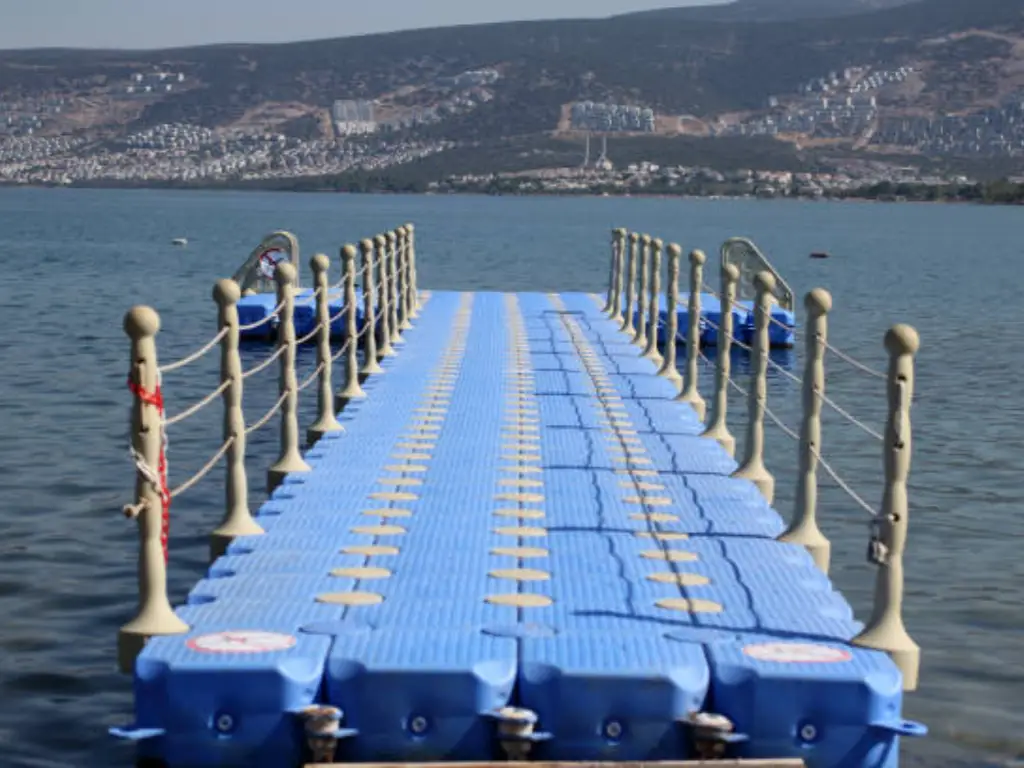
Weniger Arbeit: Warum Hisea Docks eine kluge Entscheidung für die DIY-Installation ist
Um Ihr Dockbudget zu maximieren, brauchen Sie eine Lösung, die sowohl hochpräzise Technik als auch langfristige Kosteneffizienz bietet. Hisea Dock hat seit 2006 den Wert von Investitionen am Wasser wiederhergestellt, indem es modulare Systeme anbietet, die speziell entwickelt wurden, um die so genannte Spezialistensteuer zu beseitigen.
Die HDPE-Module der nächsten Generation haben ein proprietäres konkaves Eckdesign und vorgebohrte Löcher, die eine reibungslose Stift-und-Bolzen-Montage ermöglichen. Dank dieser präzisen Technik kann die Installation von jedermann vorgenommen werden, wodurch die hohen Kosten für Bauunternehmen aus Ihrem Budget verschwinden. Unser UV-geschütztes HDPE ist praktisch wartungsfrei und verfügt über ein Endkappendesign mit Gewinde, das im Gegensatz zu herkömmlichen Materialien einen luftdichten Auftrieb gewährleistet. Dies führt zu einer 20-30% längeren Lebensdauer der Struktur im Vergleich zu den üblichen Wettbewerbern mit einer 5-Jahres-Garantie.
Das Wichtigste bei der Investition in eine Verladestelle ist die Qualitätssicherung. Die hervorragende Qualität der Produktion von Hisea Dock wird durch internationale Standards wie ISO-9001, CE, SGS und TUV-Zertifizierungen bestätigt. Wenn Sie sich für einen Partner entscheiden, der auf fast 20 Jahre Erfahrung in der Herstellung von Spezialstegen zurückblicken kann, sparen Sie nicht nur bei den anfänglichen Baukosten, sondern erhalten auch eine zertifizierte, leistungsstarke Anlage, die Ihnen hilft, die Gesamtbetriebskosten für Ihre Immobilie am Wasser zu optimieren.
Schlussfolgerung
Schließlich ist der Preis für den Bau einer Anlegestelle eine variable Investition, die zwischen 4.000 und 25.000 Dollar liegen kann, je nach den verwendeten Materialien, der Komplexität des Layouts und den spezifischen Anforderungen des Standorts. Wie wir gesehen haben, sind die endgültigen Kosten nicht einfach nur die Fläche, sondern ein empfindliches Ökosystem von Variablen, wie z. B. die professionelle Arbeit (die bis zu 60 % des Budgets in Anspruch nehmen kann), die notwendige Vorbereitung des Standorts, wie z. B. das Ausbaggern, und die laufenden Kosten für Wartung und Versicherung.
Auch wenn die Anfangsinvestition hoch sein mag, ist es wichtig, diese Kosten im Zusammenhang mit dem langfristigen Wert zu betrachten. Die Gesamtbetriebskosten können minimiert werden, wenn in der Planungsphase fundierte Entscheidungen getroffen werden, einschließlich der Wahl langlebiger Materialien und der Optimierung des Designs. Schließlich ist ein guter Steg ein Vermächtnis; er erhöht nicht nur den Wert Ihrer Immobilie, sondern bietet auch einen praktischen, zuverlässigen Zugang zum Wasser für die nächsten Jahrzehnte.
FAQS
F: Welchen Wert hat ein Bootsanleger für ein Haus?
A: Ein Bootsanleger steigert den Wert einer Immobilie in der Regel um 10 bis 20 Prozent, was sich als sehr lohnend erweist, da er die Attraktivität und Marktfähigkeit von Immobilien am Wasser erhöht und dem potenziellen Käufer eine unmittelbare Erholungsmöglichkeit bietet.
F: Wie lange dauert eine Anlegestelle?
A: Die Lebensdauer hängt vom Material und der Umgebung ab: Behandeltes Holz hält 10-15 Jahre, während hochwertige Schwimmdocks aus Aluminium oder HDPE 25-50 Jahre halten können, da sie widerstandsfähiger gegen Fäulnis, UV-Schäden und Korrosion sind.
F: Was ist eine gute Größe für ein Dock?
A: Eine funktionale Dockgröße ist eine, die die örtlichen Vorschriften mit den Nutzungsanforderungen in Einklang bringt; ein Standardsteg ist mindestens 4 Fuß breit, um sicher zu sein, und eine 10×20 Plattform ist die beste Größe, um Sitzgelegenheiten, Stauraum für Ausrüstung und einen sicheren Liegeplatz für das Boot zu bieten.

 English
  Thai
Thai  Spanish
  French
  German
  Dutch
Dutch  Italian
  Arabic
  Indonesian
  Portuguese
  Turkish