
Verstehen der Andockmöglichkeiten Ihres Jet Ski
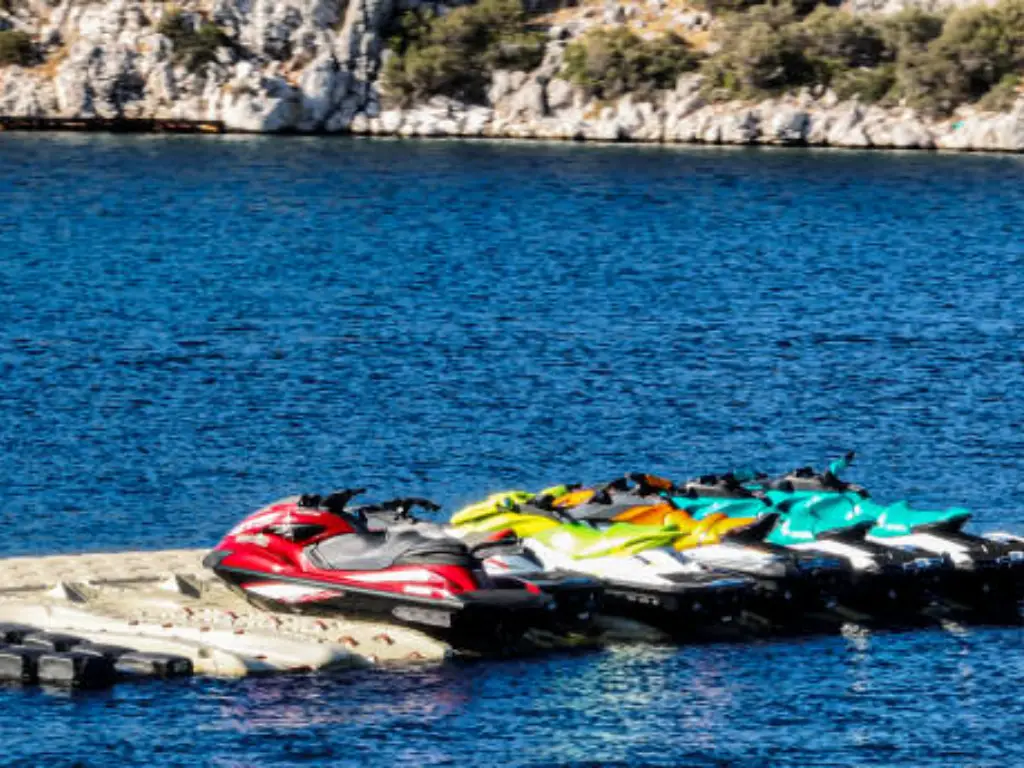
Zu Beginn ist es wichtig, die Anlegefähigkeiten Ihres PWC (Personal Watercraft) zu kennen, bevor Sie lernen, wie man einen Jetski anlegt. Jetskis, Waverunner, sind für die Geschwindigkeit und die Agilität gedacht, und das macht das Andocken für Anfänger ein wenig schwierig. Die Grundlage für das erfolgreiche Andocken eines Jetskis ist die Fähigkeit, den Gashebel und den Lenker zu bedienen, um die Geschwindigkeit und die Richtung des Jetskis zu steuern.
Die Position Ihrer Jetski-Schlepphaken ist ein weiterer wichtiger Faktor, den Sie im Auge behalten müssen, da dies der wichtigste Punkt ist, an dem Sie Ihr PWC an einem Dock oder einem PWC-Lift befestigen. Machen Sie sich mit der Position der Haken vertraut und überprüfen Sie ihren Zustand, bevor Sie Ihren Jetski ankoppeln. Wenn Sie die Masse und Größe Ihres Wasserfahrzeugs kennen, können Sie die beste Anlegemethode und den für Sie geeigneten Anlegetyp wählen.
Bewertung der Andockumgebung
Beim Erlernen des Anlegens eines Jetskis ist es von größter Wichtigkeit, die Umgebung genauestens zu beobachten. Achten Sie bei der Annäherung an die Anlegestelle auf die Wassertiefe, den Wellengang und das Vorhandensein anderer Boote oder Hindernisse. Denken Sie daran, dass Sie in einem Jachthafen die besonderen Regeln und Verhaltensregeln für Jachthäfen einhalten müssen, wenn Sie sich dort aufhalten. Die Regeln können von denen öffentlicher Anlegestellen oder privater Grundstücke abweichen.
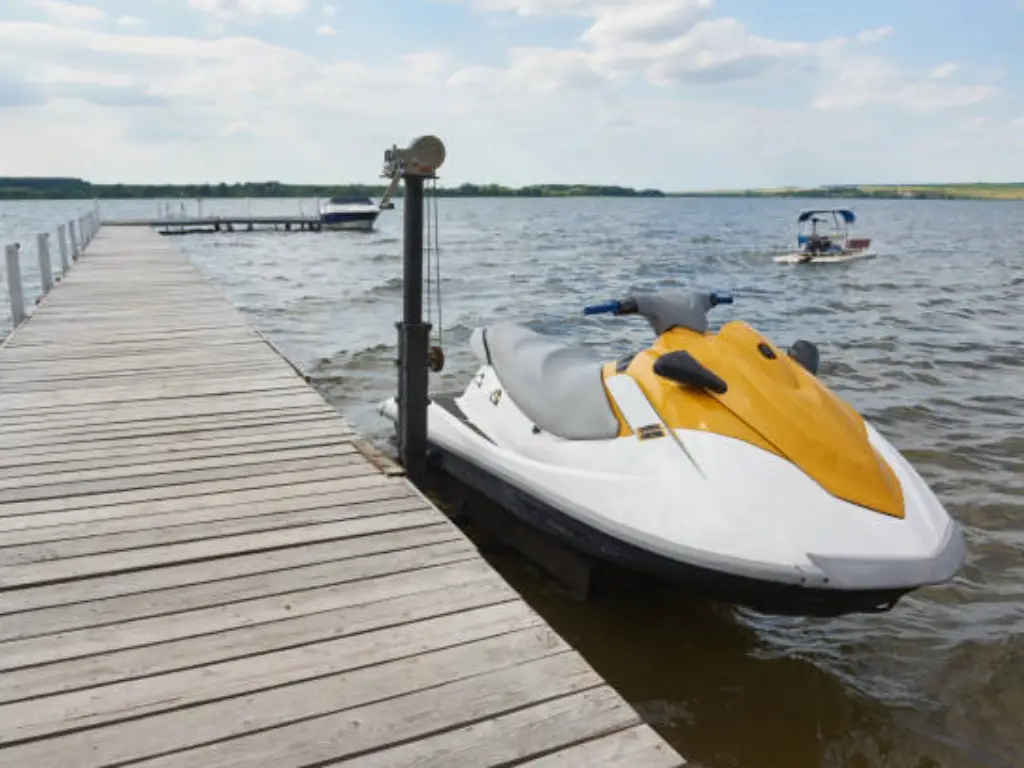
Berücksichtigen Sie die Art der Anlegestelle, die Sie bauen werden, sei es eine schwimmende Anlegestelle, eine feste Anlegestelle oder ein PWC-Lift. Jede Anlegestelle hat ihre eigene spezifische Technik, und Sie müssen mit allen vertraut sein, um Ihren Jetski sicher anlegen zu können. Dies ist beispielsweise der Fall, wenn Sie eine schwimmende Anlegestelle verwenden, die von der Wellenbewegung oder dem Kielwasser anderer Boote beeinflusst wird. Eine feste Anlegestelle hingegen bietet Ihnen einen stabileren Liegeplatz, aber Sie müssen über bessere Anlegetechniken verfügen, um Fehler zu vermeiden.
Wesentliche Andockgeräte und Zubehör
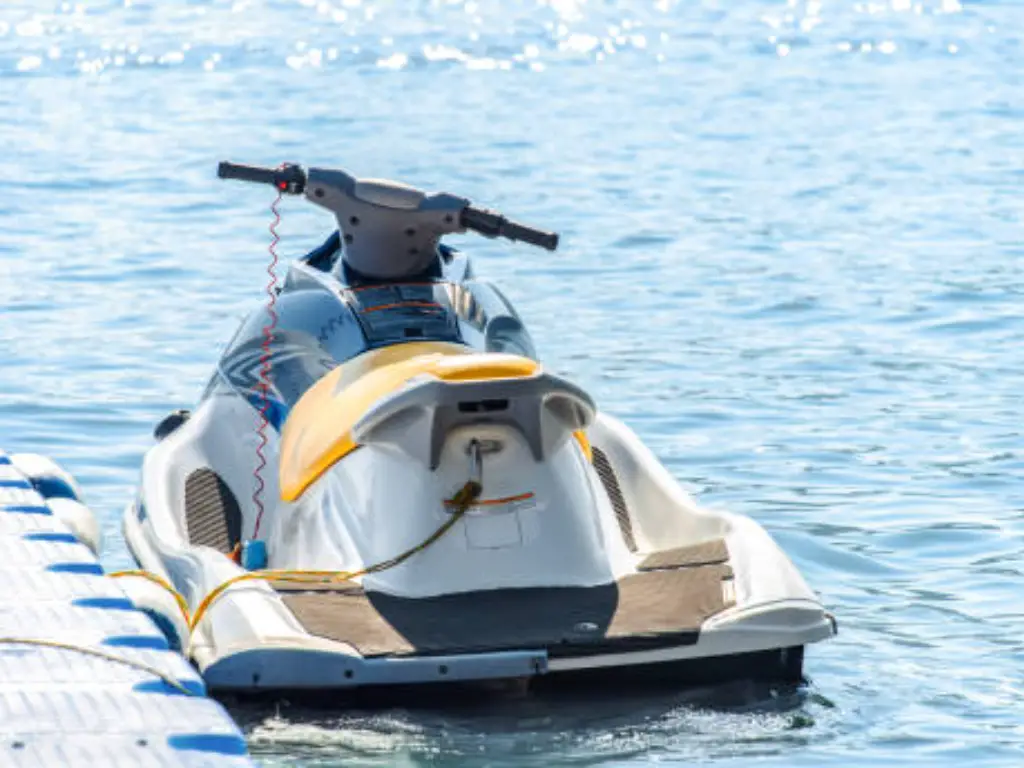
Wenn Sie Ihren Jetski an einer schwimmenden Anlegestelle aus Kunststoff zum Anlegen von Jetskis aufstellen wollen, müssen Sie unbedingt über die richtige Ausrüstung und das richtige Zubehör verfügen, um ein sicheres und erfolgreiches Unterfangen zu gewährleisten. Die Installation von Anlegeleinen und Bungee-Seilen ist notwendig, um Ihren Jetski mit einer Klampe am Steg zu befestigen. Wählen Sie zuverlässige, langlebige Leinen, die perfekt zu den Abmessungen und dem Gewicht Ihres Jetskis passen, da sie sich von denen für größere Schiffe unterscheiden können. Bungee-Leinen bieten Ihnen nicht nur zusätzlichen Platz und Stoßdämpfung, sondern sind auch sehr nützlich, wenn Sie in rauem Wasser anlegen müssen oder wenn Sie einen Jetski-Anleger benutzen, der sich mit den Wellen bewegt.
Fender und Stoßstangen gehören zu den unverzichtbaren Zubehörteilen, da sie Ihren Jetski und das Dock vor Schäden beim Anlegen schützen. Das ist dasselbe wie die weichen zylindrischen Kissen, die zwischen Ihrem Jetski und dem Schwimmdock aus Kunststoff angebracht werden, um Kratzer, Beulen und andere Stöße zu vermeiden. Bei der Auswahl der Fender und Stoßdämpfer für Ihre Jetski-Anlegestelle sollten Sie die Größe Ihres Jetskis und den Grundriss der Anlegestelle berücksichtigen, um sicherzustellen, dass sie gut zu Ihrer Anlegestelle passen. Bei einigen Schwimmdocks aus Kunststoff sind Stoßstangen oder Fenderschlitze direkt in das Dock integriert, so dass Sie diese Schutzvorrichtungen genau dort anbringen können, wo Sie sie brauchen. Außerdem können Bootshaken ein sehr nützliches Hilfsmittel sein, um die Leinen am Steg zu befestigen oder Ihren Jetski in Position zu bringen. Außerdem können Karabinerhaken eine sehr schnelle und einfache Möglichkeit sein, Leinen am Steg zu befestigen und zu lösen, was den Prozess bequemer und effizienter macht.
| Wesentliche Docking-Ausrüstung | Zweck |
| Dock Lines | Sichern Sie den Jetski an den Klampen des Docks mit einer Klampenhalterung |
| Bungee-Schnüre | Bietet zusätzlichen Platz und Stoßdämpfung beim Anlegen in rauem Wasser oder bei Verwendung eines beweglichen Docks |
| Kotflügel und Stoßstangen | Schützen Sie den Jetski und den Steg vor Beschädigungen beim Anlegen, indem Sie sie zwischen dem PWC und dem Steg platzieren |
| Bootshaken | Ergreifen Sie die Hafenleinen oder führen Sie den Jetski in die richtige Position |
| Karabinerhaken | Schnelles Anbringen und Lösen von Dockleinen für bequemes und effizientes Anlegen |
Die Wahl des richtigen Andockkonzepts
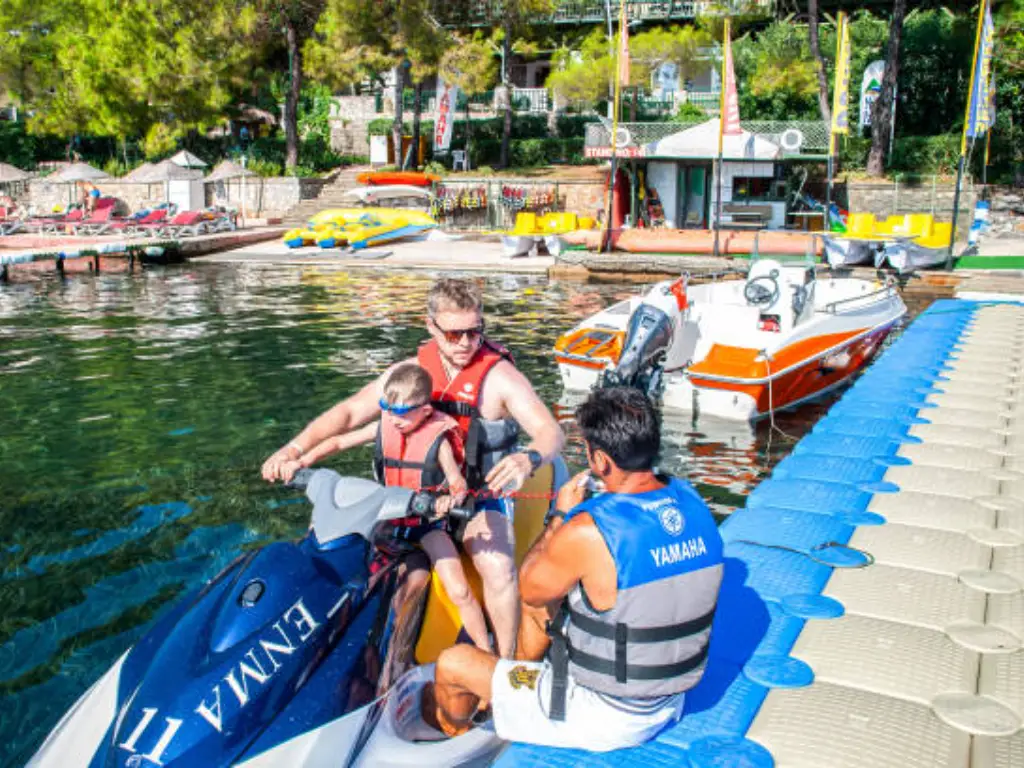
Beim Anlegen Ihres Jetskis gibt es zwei grundsätzliche Vorgehensweisen: paralleles Parken und senkrechtes Anlegen. Die Wahl der einen Methode ergibt sich aus der Berücksichtigung der Art der Anlegestelle, der Wasserbedingungen und Ihrer persönlichen Vorliebe. Wenn Sie diese beiden Techniken beherrschen, können Sie mit allen Anlegemöglichkeiten sicherer umgehen.
Paralleles Docking-Verfahren
Beim parallelen Anlegen wird der hintere Teil des Jetskis so geparkt, dass Sie neben dem Steg stehen und Ihr PWC parallel zur Kante des Stegs positioniert ist. Diese Technik wird in der Regel angewandt, wenn das Anlegemanöver auf engem Raum entlang des Ufers stattfindet und viel Verkehr herrscht. Um ein paralleles Anlegemanöver durchzuführen, fahren Sie mit einer Geschwindigkeit von 20-30 Grad an den Steg heran und drehen den Lenker allmählich, um Ihren Jetski parallel zum Steg zu bringen. Geben Sie kurz Gas, um die Kontrolle zu behalten und zu verhindern, dass Ihr Jetski von der Anlegestelle abdriftet. Wenn Sie die Anlegestelle erreicht haben, befestigen Sie Ihren Jetski mit den Leinen an den Klampen der Anlegestelle.
Technik des senkrechten Andockens
Die zweite Methode ist das senkrechte Anlegen oder "Drive-in"-Anlegen, bei dem Sie sich dem Dock frontal nähern und Ihr Jetski senkrecht zur Kante des Docks anhält. Diese Methode ist sehr praktisch, wenn Sie über viel Platz verfügen und schnell Passagiere absetzen oder aufnehmen müssen. Um ein senkrechtes Anlegemanöver durchzuführen, fahren Sie langsam und im 90-Grad-Winkel zur Anlegestelle. Wenn Sie sich der Fähre nähern, verlangsamen Sie das Tempo und schalten Sie Ihren Jetski in den Leerlauf. Nutzen Sie den Schwung Ihres Jetskis, denn er wird Sie den Rest des Weges tragen. Falls nötig, geben Sie kurzzeitig Rückwärtsgas, um den Jet-Ski zu stoppen, bevor er auf die Anlegestelle trifft.
Vermeiden häufiger Fehler beim Andocken
Das Anlegen eines Jetskis kann eine schwierige Aufgabe sein, selbst für Anfänger. Um die häufigsten Fehler zu vermeiden und ein reibungsloses und sicheres Anlegeerlebnis zu gewährleisten, wollen wir die zu vermeidenden Dinge besprechen. Einer der häufigsten Fehler ist das zu schnelle Anfahren an die Anlegestelle. Achten Sie darauf, dass Sie Ihre Geschwindigkeit auf einem kontrollierbaren Niveau halten, wenn Sie sich dem Dock nähern, damit Sie genug Zeit haben, um Änderungen vorzunehmen, falls etwas mit der Dockingumgebung passiert.
Ein weiterer Fehler, den Sie vermeiden sollten, ist die Nichtberücksichtigung von Wind, Strömung oder Wellengang in Ihrer Berechnung. Diese Elemente können die Hauptursache für Ihre Schwierigkeiten beim Anlegen sein und den Prozess noch schwieriger machen. Die Überprüfung der Bedingungen ist der erste Schritt vor dem Anlegen, und Sie sollten darauf vorbereitet sein, gegebenenfalls Änderungen vorzunehmen. Nachdem Sie all dies getan haben, sollten Sie Ihren Jetski mit den Anlegeleinen richtig sichern. Wenn Sie Ihr PWC nicht richtig sichern, kann Ihr Wasserfahrzeug oder der Steg beschädigt werden oder Ihr Jetski kann sogar wegschwimmen.
Vorteile des Andockens Ihres Jetskis an einem Kunststoff-Schwimmdock
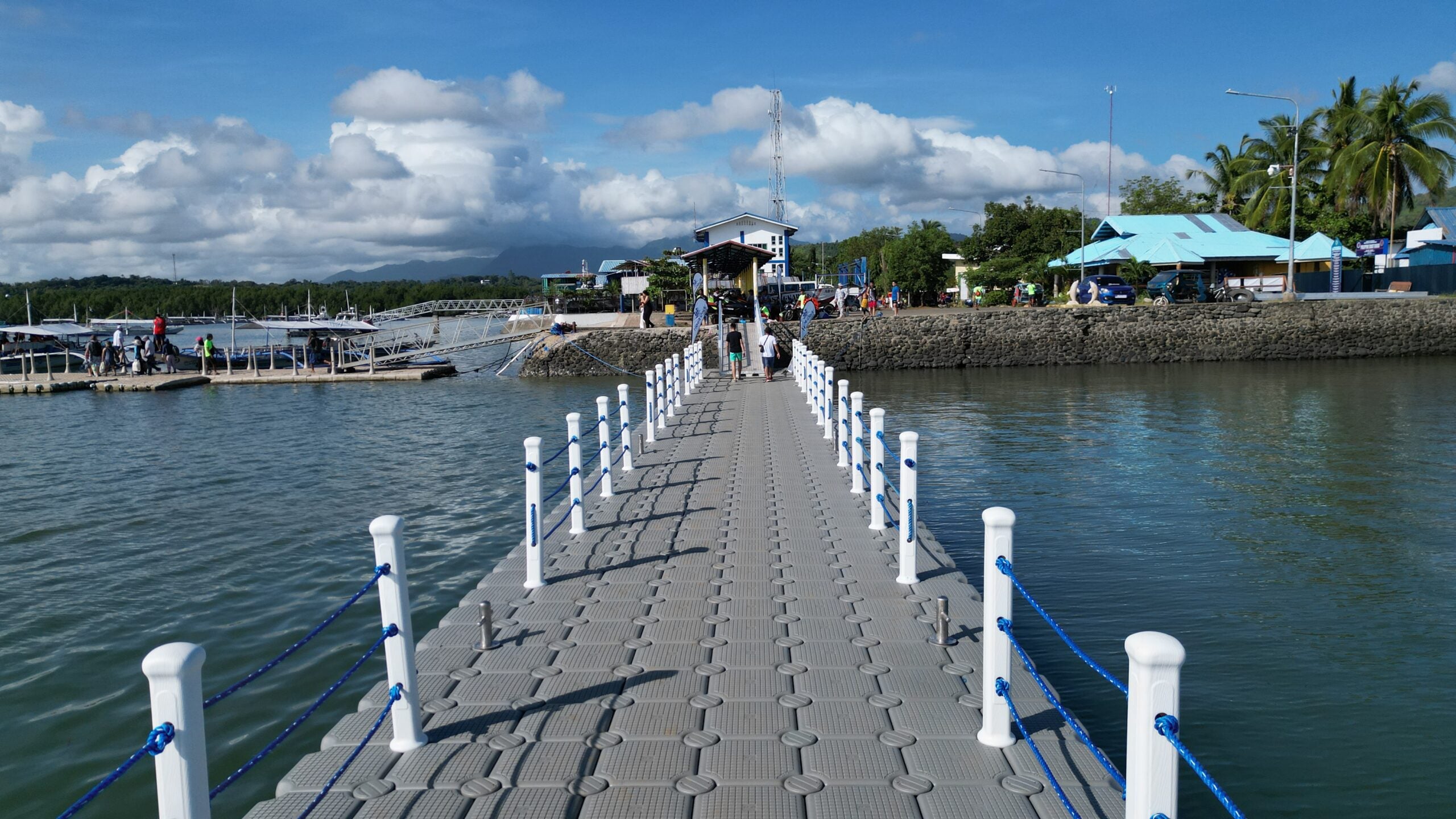
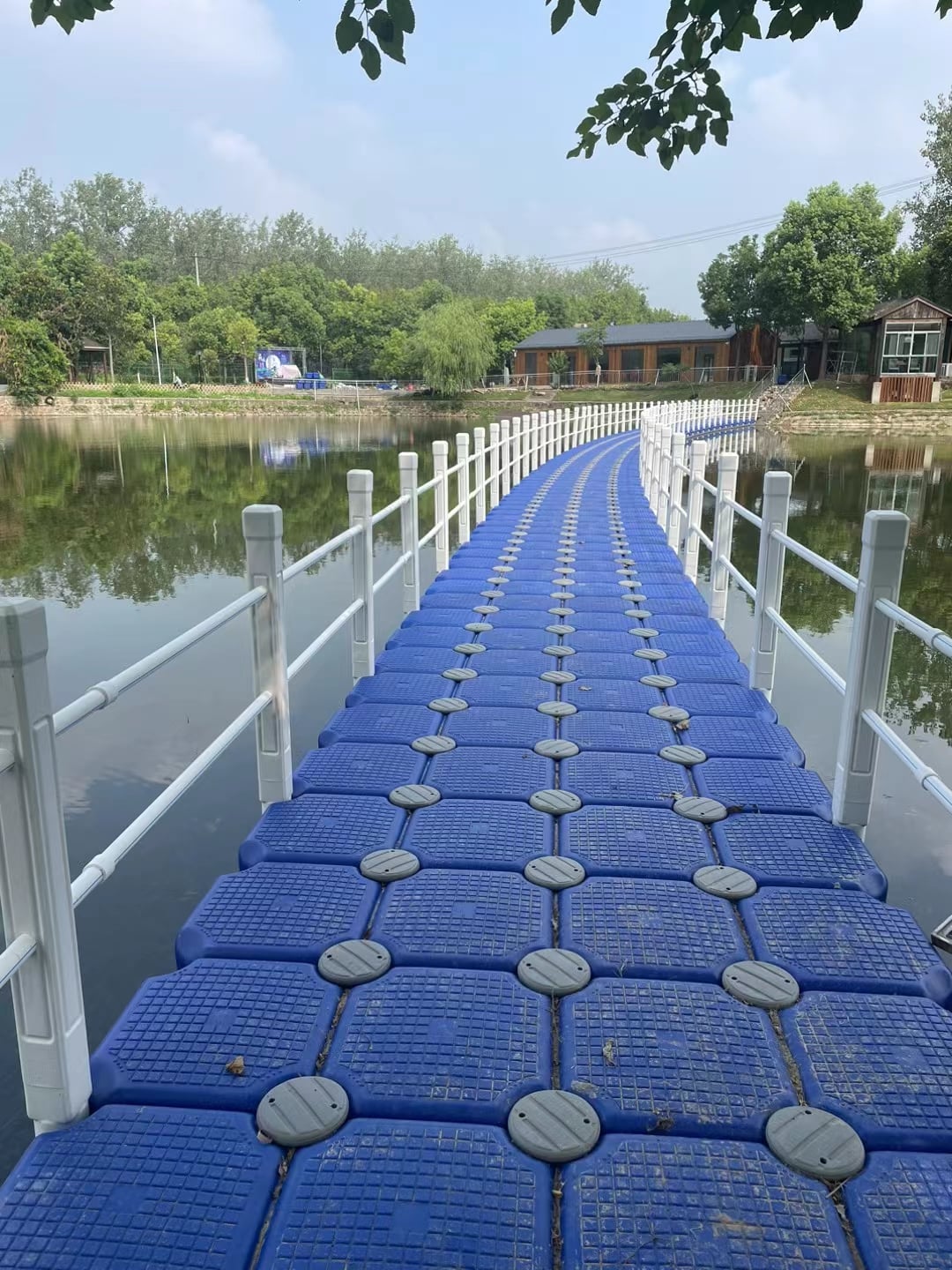
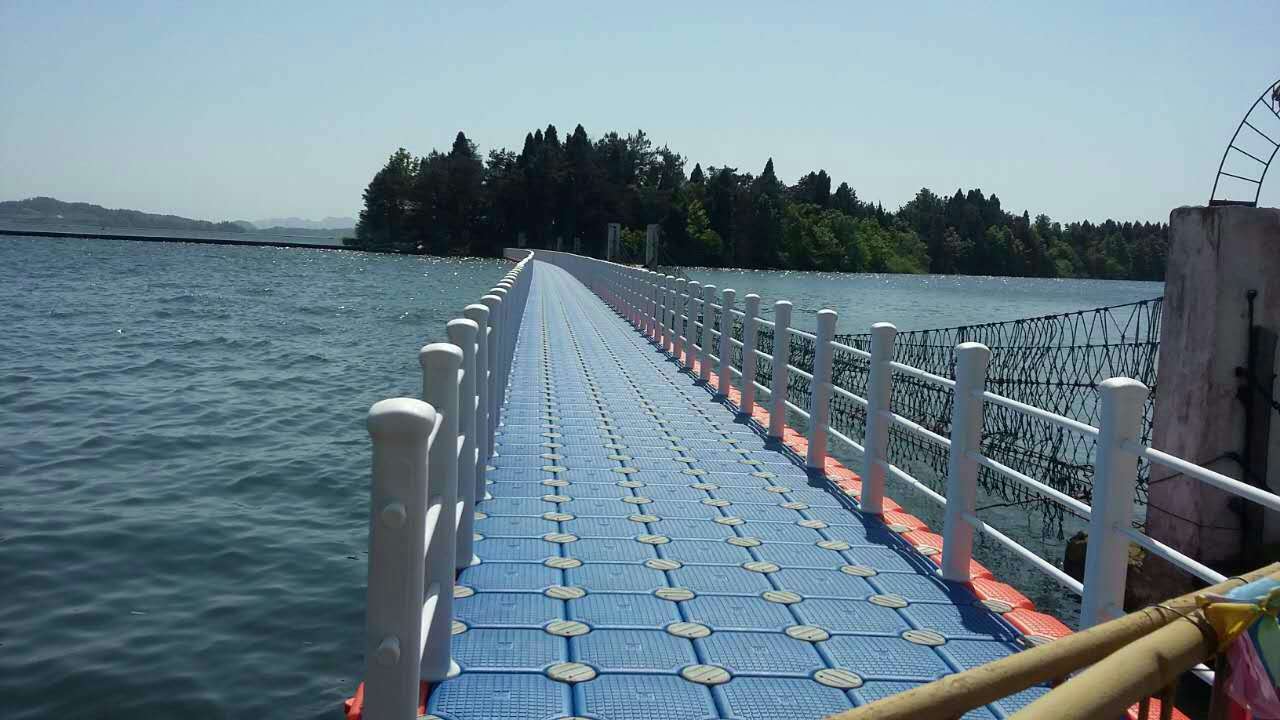
Wenn Sie mit Ihrem Jetski anlegen möchten, bietet Ihnen das Schwimmdock aus Kunststoff verschiedene Vorteile im Vergleich zu anderen Arten von Docks. Diese Docks wurden speziell für kleine Wasserfahrzeuge wie Jetskis entwickelt und bieten daher eine stabile, sichere und bequeme Plattform für das Ein- und Ausschiffen.
Langlebigkeit und geringer Wartungsaufwand von Schwimmstegen aus Kunststoff
Einer der Hauptvorteile von Schwimmstegen aus Kunststoff ist die Tatsache, dass sie langlebig sind und nur minimale Wartung erfordern. Die Docks werden aus HDPE (Polyethylen hoher Dichte) hergestellt, das gegen UV-Strahlen, Witterungseinflüsse und Stöße resistent ist. Im Gegensatz zu Holzdocks splittern oder verrotten Schwimmdocks aus Kunststoff nicht, und sie müssen auch nicht regelmäßig gestrichen oder gebeizt werden. Das bedeutet, dass Sie mehr Zeit mit Ihrem Jetski verbringen können und sich weniger um die Instandhaltung des Docks kümmern müssen.
Stabile Plattform für einfaches Ein- und Aussteigen
Stabile Kunststoffpontons dienen als Basis für das Auf- und Abspringen auf Ihren Jetski, auch bei Wellengang. Die Schwimmer des Stegs helfen bei der Absorption von Wellenbewegungen und Bootswellen und schaffen somit eine stabilere Oberfläche als feste Stege. Diese Stabilität macht es für Kinder, ältere Menschen oder Personen, die körperlich nicht in der Lage sind, auf das PWC auf- und abzusteigen, einfacher und sicherer.
Anpassbare Konfigurationen für Jet Ski Docking
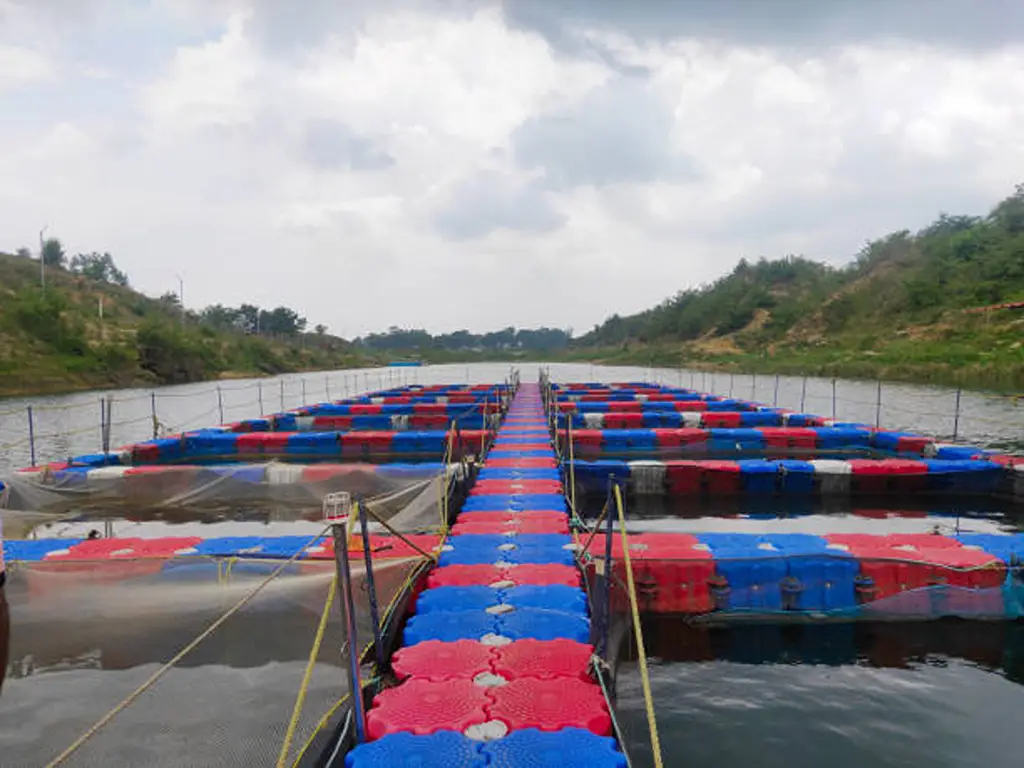
Ein weiterer Vorteil von Kunststoffschwimmkörpern ist ihr modularer Aufbau, der eine individuelle Anpassung an die Bedürfnisse Ihres Jetskis ermöglicht. Sie können jeden Abschnitt einfügen oder weglassen, um die genaue Größe und das Layout zu erhalten, das Sie für Ihr Strandgrundstück wünschen. Verschiedene schwimmende Anlegesysteme aus Kunststoff sind auch mit einer Fülle von Zubehör ausgestattet, darunter PWC-Lifte, Anlegeboxen und Angelrutenhalter, um die richtige Stimmung für Ihr Anlegeerlebnis zu schaffen.
Pflege Ihres Kunststoff-Schwimmdocks für optimales Anlegen von Jet-Ski
Tipps zur regelmäßigen Reinigung und Inspektion
Reinigen Sie zunächst Ihr Schwimmdock aus Kunststoff mindestens einmal pro Woche, um Schmutz, Ablagerungen und Algen zu entfernen. Versuchen Sie es mit einer Bürste mit weichen Borsten, milder Seife und frischem Wasser, um die Stegoberfläche zu reinigen. Achten Sie besonders auf die stark beanspruchten Bereiche und die Zwischenräume zwischen den Stegteilen. Reinigen Sie das Dock mit einem Schlauch oder einem Hochdruckreiniger auf niedriger Stufe, damit Sie den Kunststoff nicht beschädigen.
Untersuchen Sie Ihre Anlegestelle regelmäßig auf Verschleiß, Beschädigungen oder lose Verbindungen. Vergewissern Sie sich, dass alle Schrauben, Muttern und Halterungen fest angezogen und sicher sind, um ein Versagen der Beschläge zu verhindern. Sollten Sie Risse, Löcher oder andere Schäden an der Oberfläche des Stegs feststellen, wenden Sie sich an den Hersteller oder einen Fachmann, um Ratschläge für die Reparatur zu erhalten.
Richtige Lagerung und Überwinterungstechniken für schwimmende Kunststoffstege
Wenn Sie in einem Gebiet mit extremen Winterbedingungen leben, ist es wichtig, dass Sie Ihr Schwimmdock aus Kunststoff einlagern und winterfest machen. Bevor die Temperaturen unter den Gefrierpunkt fallen, sollten Sie Ihr Schwimmsteg aus dem Wasser nehmen und gründlich reinigen. Bewahren Sie die Stegteile an einem trockenen, geschützten Ort auf, z. B. in einer Garage oder einem Schuppen, um sie vor Eis, Schnee und Schmutzansammlungen zu schützen.
Wenn Sie sich dafür entscheiden, Ihren Steg im Winter im Wasser zu lassen, sollten Sie die Installation eines Sprudelsystems oder einer Enteisungsanlage in Erwägung ziehen, um zu verhindern, dass sich um den Steg herum Eis bildet. Vergewissern Sie sich, dass Sie alle elektrischen Geräte ausstecken und alle Zubehörteile wie PWC-Lifte oder Stegboxen herausnehmen, damit sie nicht durch das Einfrieren beschädigt werden.
Fehlersuche bei häufigen Problemen mit Schwimmdocks aus Kunststoff
Schwimmstege aus Kunststoff sind zwar widerstandsfähig und wartungsarm, können aber dennoch verschiedene Probleme aufweisen, die ihre Leistung beeinträchtigen. Eines der häufigsten Probleme ist, dass sich das Wasser im Inneren der Stegteile sammeln kann und der Steg dadurch tiefer im Wasser liegt. Um dieses Problem zu beheben, untersuchen Sie den Stegbereich auf Risse oder Löcher und reparieren Sie diese sofort. Wenn sich bereits Wasser angesammelt hat, verwenden Sie eine Pumpe oder einen Ablassstopfen, um das Wasser herauszubekommen.
Ein weiteres wichtiges Problem ist die Entwicklung von Algen oder anderen Wasserorganismen auf der Stegoberfläche, die den Steg rutschig und für das Anlegen von Jetski unsicher machen können. Um dies zu vermeiden, ist es ratsam, Ihr Dock mit einem umweltfreundlichen Algizid oder einer Antifoulingfarbe zu streichen. Außerdem können Sie durch häufiges Reinigen des Docks das Algenwachstum eindämmen und sicherstellen, dass die Oberfläche des Docks sicher benutzt werden kann.
Schlussfolgerung
Zu wissen, wie man einen Jetski sicher und effektiv andockt, ist eine der wichtigsten Fähigkeiten für jeden Jetski-Enthusiasten. Es ist sehr wichtig, die Anlegefähigkeiten Ihres Jetskis zu kennen, die Anlegeumgebung einzuschätzen und die richtige Ausrüstung und Methoden zum sicheren Anlegen des Jetskis zu verwenden.
Bei der Wahl der besten Anlegelösung für den Jetski bietet ein Schwimmdock aus Kunststoff eine Reihe von Vorteilen wie Haltbarkeit, Stabilität und anpassbare Konfigurationen. Ordnungsgemäße Instandhaltung und Wartung sind die wichtigsten Zutaten, um Ihr Schwimmdock aus Kunststoff über viele Jahre hinweg in gutem Zustand zu halten und es problemlos zu nutzen. Jetski-Anlegen.

 English
  Thai
Thai  Spanish
  French
  German
  Dutch
Dutch  Italian
  Arabic
  Indonesian
  Portuguese
  Turkish