
Vorwort
Die Grundvoraussetzung für einen sicheren und funktionierenden Bootsanleger ist Stabilität. Das Hauptproblem, mit dem sich die Eigentümer von Hafengrundstücken und die Betreiber von Schiffen konfrontiert sehen, ist die Frage, wie man das ständige Schwanken und Rollen des Wassers aufgrund von Bootswellen, Windbelastung und wechselnden Strömungen verringern kann.
Um eine felsenfeste Plattform zu erreichen, ist mehr nötig als nur zusätzliches Gewicht; es ist eine berechnete Kombination aus hydrostatischer Physik und struktureller Geometrie. Dieses Handbuch ist ein technischer Fahrplan für die Kunst der Stegstabilisierung, von der einfachen Verteilung der Lasten bis hin zur ausgeklügelten Modultechnik, damit jeder Schritt aufs Wasser mit Vertrauen und Sicherheit erfolgt.
Was ist ein Schwimmdock?
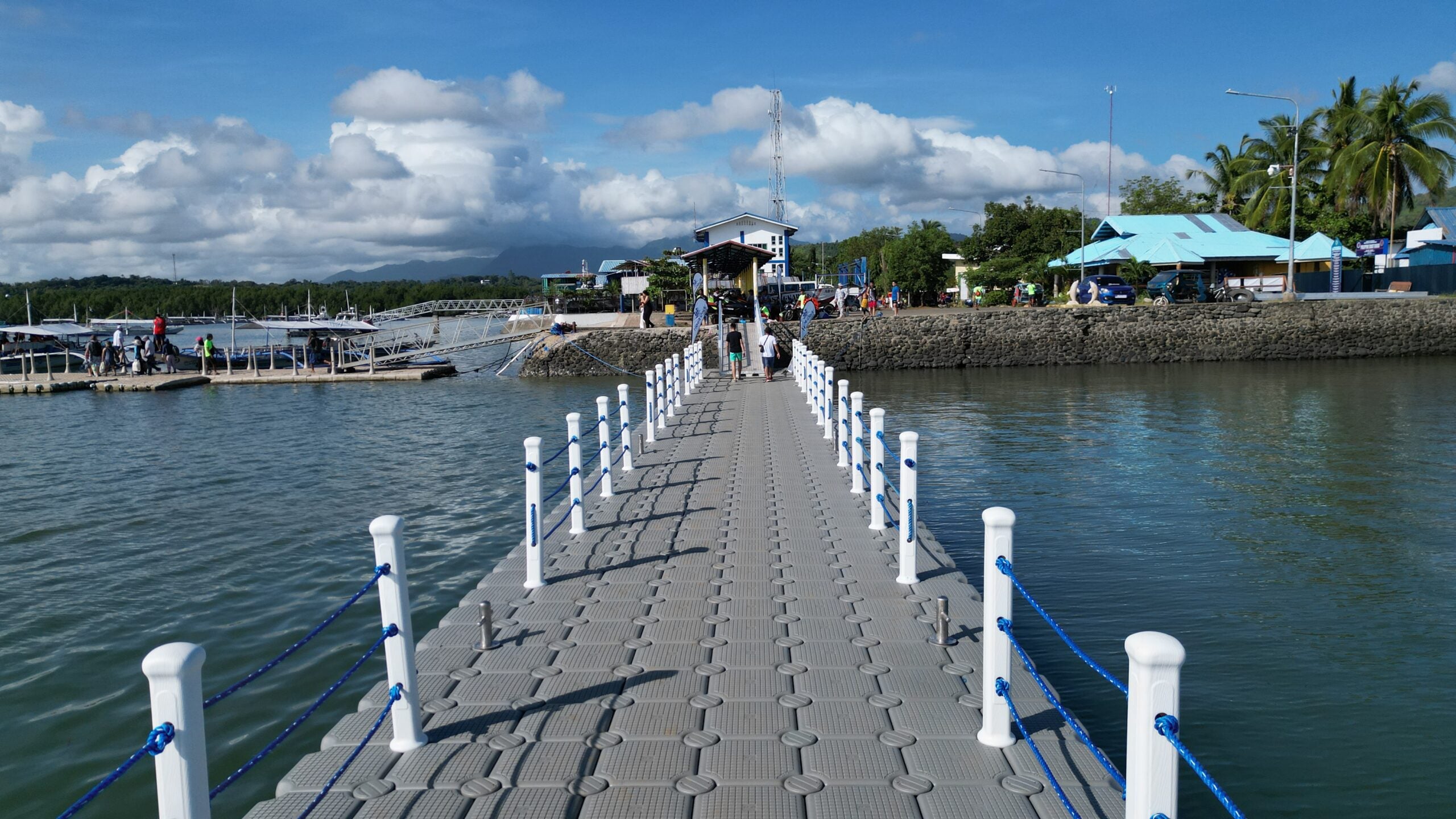
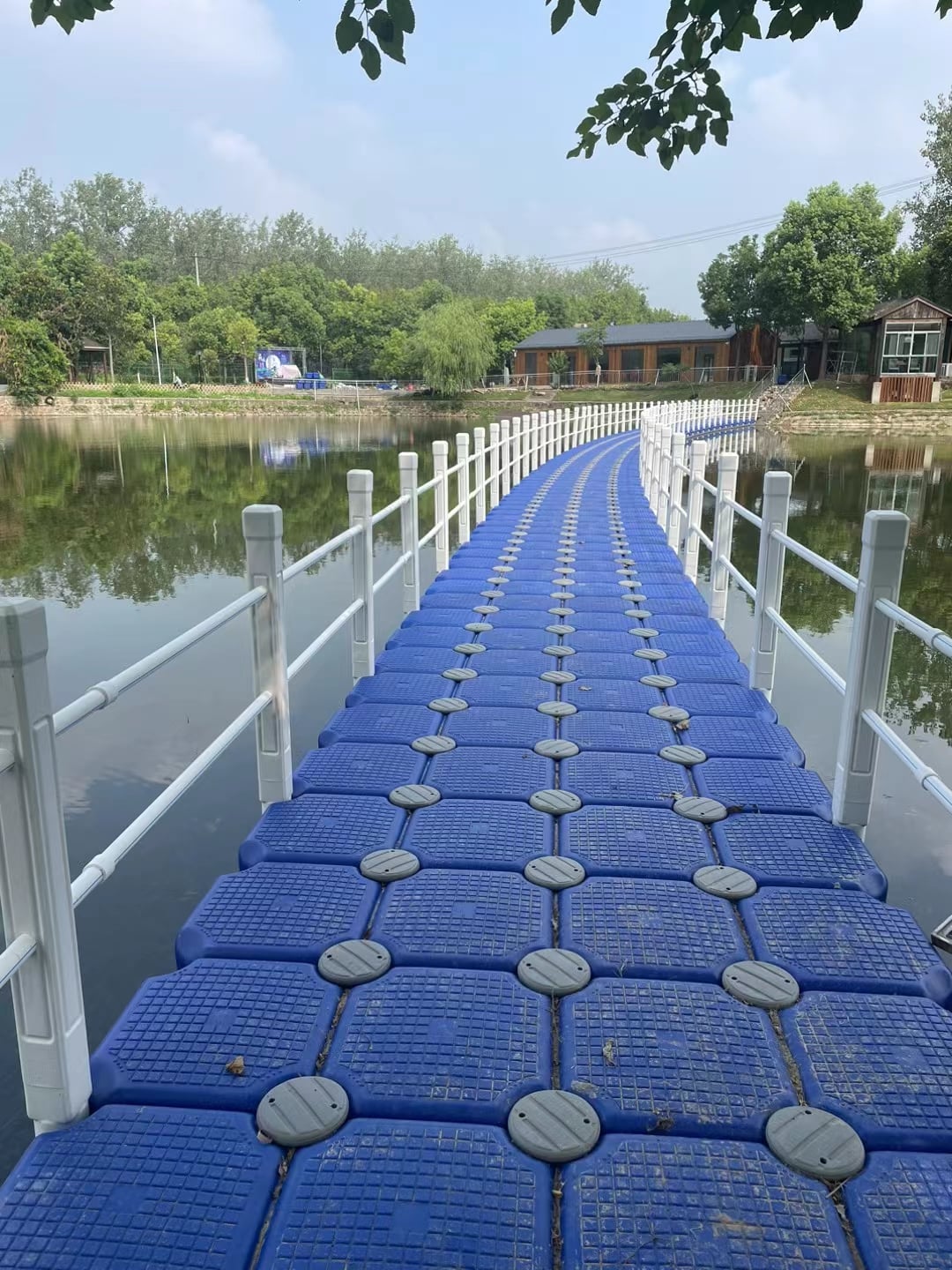
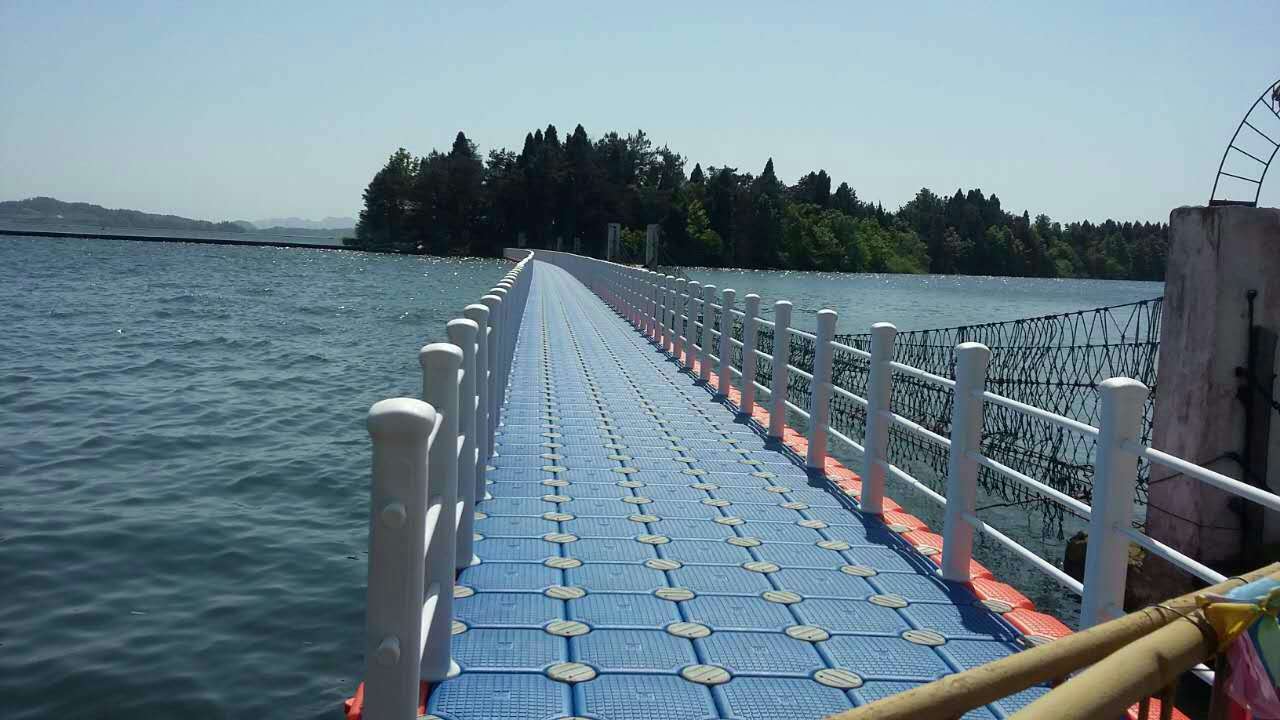
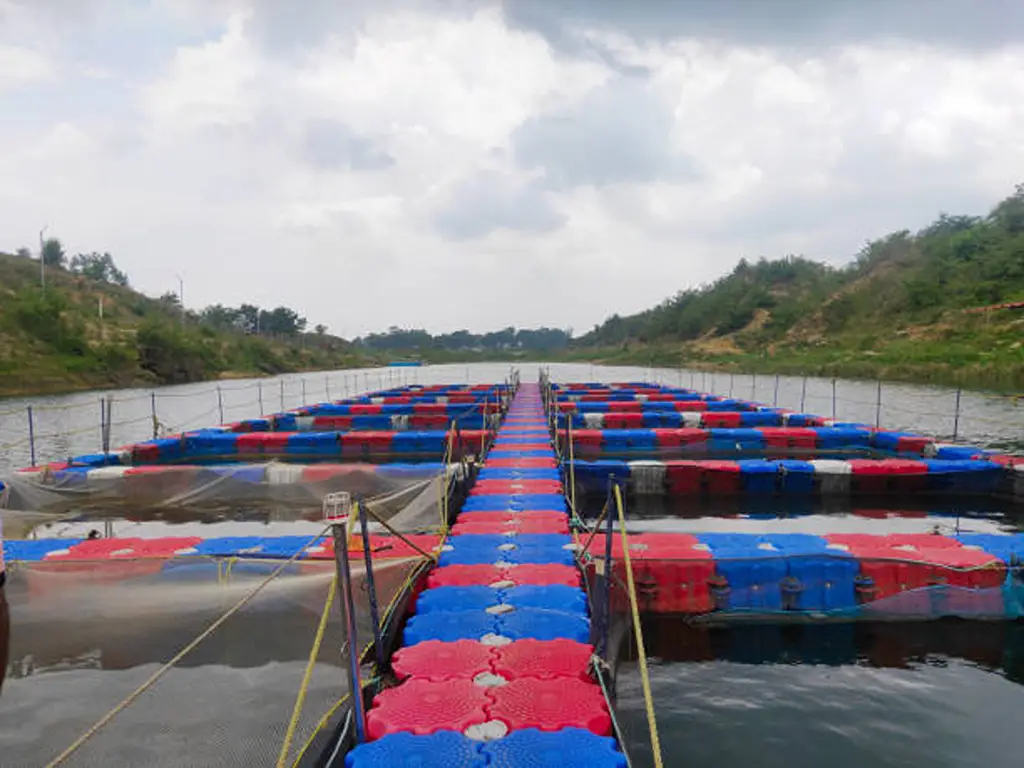
Ein Schwimmdock ist eine Konstruktion, die auf dem Wasser platziert und am Ufer verankert oder im Wasser versenkt werden kann. Es handelt sich um Docks, die auf dem Wasser gebaut werden und ihre Höhe in Abhängigkeit vom Wasserstand des Gewässers verändern können, so dass sie für Boote leicht zugänglich sind. Schwimmdocks können aus Holzplanken, Leichtmetall und Kunststoff hergestellt und je nach Zweck des Docks mit Zubehör ausgestattet werden.
Schwimmdocks werden in Jachthäfen und an privaten Liegeplätzen bevorzugt, da sie einfacher zu bauen und zu warten sind als feste Docks. Sie können bei ruhigem Wasser, in Flüssen und im Meer eingesetzt werden.
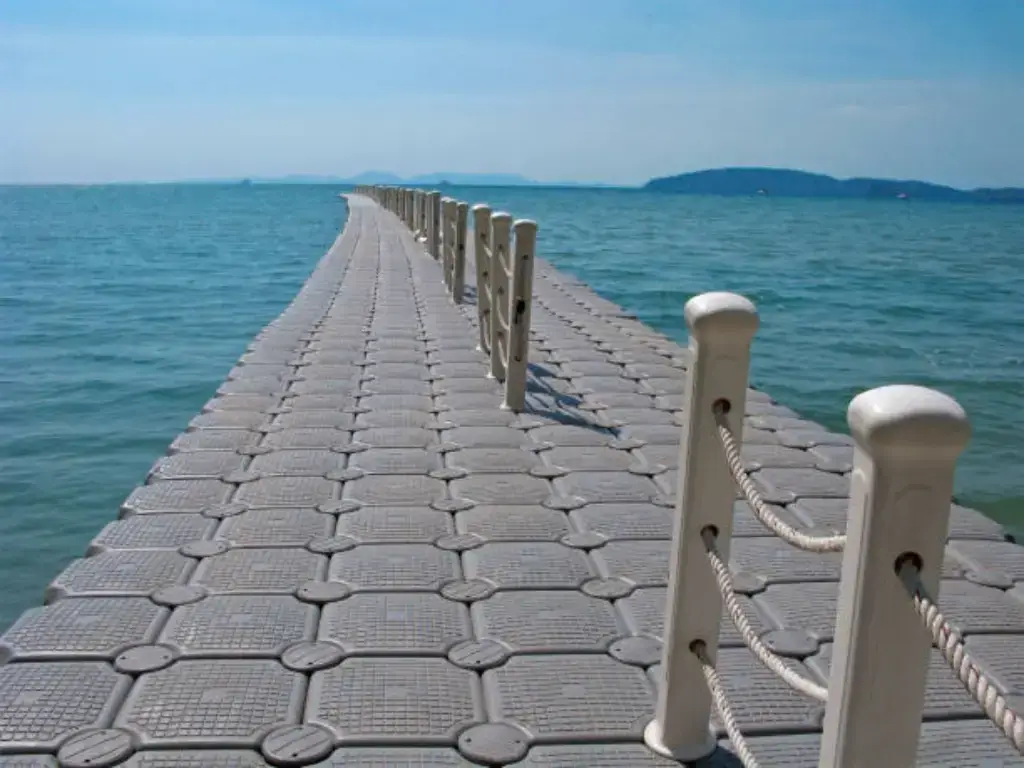
Warum schwimmende Docks schwanken: Technische Diagnostik
Um die Instabilität zu beheben, muss man über oberflächliche Lösungen hinausgehen und eine technische Analyse der besonderen umweltbedingten, geometrischen und physikalischen Kräfte durchführen, die die Reaktion einer Plattform auf das Wasser bestimmen.
Die externen Kräfte
Die Stabilität funktioniert in der Regel nicht, da der Steg nicht in der Lage ist, die Energie abzubauen. Die plötzlichen Ausbrüche kinetischer Energie werden durch Bootswellen verursacht, und der durch Flussströmungen verursachte seitliche Druck kann zu Fischschwänzen führen. Metallkonstruktionen mit hohem Profil, wie z. B. Geländer oder Vordächer, sind Windbelastungen ausgesetzt, die ein Krängungsmoment verursachen, und die Spannung im Anlegesystem schwankt mit dem Gezeitenwechsel, was zu einer vorübergehenden Instabilität führt.
Strukturelle Geometrie
Die Größe eines Docks bestimmt seine Stabilität. Ein schlechtes Seitenverhältnis, wie eine lange, schmale Anordnung, ist eine, die eine ausreichend breite Basis hat, um ein rückstellendes Moment zu erzeugen. Darüber hinaus ist die Verteilung des zusätzlichen Auftriebs von entscheidender Bedeutung. Ein zu großer Auftrieb von Stegen kann dazu führen, dass sie kippelig werden, während ein zu geringer Auftrieb tote Punkte hinterlässt, die sinken, wenn der Benutzer auf eine Seite ausweicht.
Die Physik der G-B-Wechselwirkung
Das Verhältnis zwischen dem Schwerpunkt (G) und dem Auftriebsmittelpunkt (B), d. h. die metazentrische Höhe (GM), definiert die wahre Stabilität.
- Positive GM: Das Dock erzeugt automatisch das erforderliche Drehmoment, um sich wieder in eine waagerechte Position zu bringen.
- Die Formel:

KG ist die Höhe des Schwerpunkts, KB ist die Höhe des Auftriebszentrums und BM ist der metazentrische Radius, der sich aus der Breite des Docks ergibt.
Das Auftriebsparadoxon: Der Korkeffekt
Einer der häufigsten Irrtümer ist die Annahme, dass die Stabilität umso höher ist, je größer der Auftrieb ist. In der Praxis werden zu schwimmfähige Docks vom Korkeffekt heimgesucht, bei dem sie keinerlei Haftung auf die Flüssigkeit ausüben und heftig auf jede Welle reagieren. Um eine hydrodynamische Dämpfung zu erreichen, muss das richtige Gleichgewicht zwischen einer leichten Masse und einem ausreichenden Tiefgang gefunden werden, um die Konstruktion eines stabilen Docks zu ermöglichen. Die Menge an Gewicht, die man tragen kann, wird durch den Auftrieb bestimmt, und der Grad der Stabilität wird durch den Tiefgang (Tiefe unter der Wasserlinie) bestimmt.
Faktoren, die die Stabilität von Schwimmdocks beeinflussen
Bei der Konstruktion von Schwimmdocks können mehrere Faktoren die Stabilität im Wasser beeinflussen, von denen hier die wichtigsten im Detail beschrieben werden:
- Wassertiefe
Die Wassertiefe, in der das Dock platziert wird, ist ein Faktor, der die Stabilität des Docks am meisten beeinflusst. Bei Stegen, die in tieferen Gewässern gebaut werden, sind zum Beispiel längere Ankerstangen und stärkere Schwimmer erforderlich, um ein Umkippen der Konstruktion zu verhindern.
- Wellenbewegung
Die Energie und die Häufigkeit, mit der die Wellen auf das Dock treffen. Größere und häufigere Wellen verursachen mehr Bewegung und erfordern möglicherweise mehr Unterstützung wie stärkere Anker oder Wellenbrecher.
- Wasserstandsänderungen
Faktoren wie Gezeiten, jahreszeitliche Veränderungen oder auch Wetterumschwünge sind einige der Faktoren, die Veränderungen des Wasserstandes verursachen. Schwankungen des Wasserstands können zusätzliche Kräfte auf die Verankerungs- und Schwimmsysteme des Docks ausüben und erfordern daher Komponenten, die angepasst werden können.
- Qualität der Materialien
Die Art der Konstruktion und die Art des Materials, das für den Bau des Docks verwendet wurde. Kunststoff ist für Schwimmstege vorzuziehen, da er leicht ist, nicht korrodiert und nicht leicht verrottet. Es ist haltbarer, erfordert keine häufige Wartung und kann im Vergleich zu Materialien wie Holz oder Metall auch ungünstigen Bedingungen standhalten.
- Gewichtsverteilung
Die Verteilung des Gewichts auf der Oberfläche des Docks. Ein Ungleichgewicht des Gewichts kann zum Kippen und Wackeln führen. Dazu muss das Gewicht gleichmäßig verteilt werden, um nicht auf die eine oder andere Seite Druck auszuüben.
- Verankerungssystem
Die Art des Verankerungssystems, das zur Sicherung des Docks verwendet wird, und die Qualität des verwendeten Systems. Verankerungssysteme mit Ankerstangen, Schwerlastankern und Pfählen sollten verwendet werden, um Bewegungen zu reduzieren und die Stabilität zu erhöhen.
- Dock-Design
Insbesondere die Gesamtkonstruktion und der Aufbau des Docks. Ein gutes Dock hat einen stabilen Unterbau, einen guten Auftrieb und eine gute Gewichtsverteilung, was die Stabilität des Docks erhöht. Weitere Merkmale, die zur Verbesserung der Stabilität beitragen können, sind stabilisierende Ausleger oder Laufstege.
- Umweltbedingungen
Die Bedingungen der Umgebung, in der sich das Dock befindet: Wind, Wasserströmung und Temperatur. Umweltfaktoren können sich auch auf das Dock auswirken und es anfälliger für Abnutzung und Verschleiß machen. Es ist daher notwendig, die richtigen Materialien und Konstruktionen zu wählen, die für diese Bedingungen geeignet sind, um Stabilität zu erreichen.
- Wartung und Inspektion
Die Wartung und Inspektion der Verladestelle und ihrer Teile in der richtigen und regelmäßigen Weise. Zur Wartung gehört auch die regelmäßige Überprüfung der Steganlage, um festzustellen, ob sie abgenutzt, korrodiert oder in irgendeiner Weise beschädigt ist, damit sie repariert oder ersetzt werden kann, um zu verhindern, dass sie zu einer Gefahr für die Benutzer wird.
- Lokale Verordnungen
Die gesetzlichen Vorschriften werden eingehalten, um sicherzustellen, dass die Konstruktion des Docks den festgelegten Sicherheits- und Stabilitätsstandards entspricht, wodurch die Wahrscheinlichkeit eines Einsturzes des Bauwerks verringert wird.
Die Schwimmdock-Stabilisator-Bausätze
| Komponente | Funktion | Eigenschaften |
| Ankerstangen | Sichern Sie den Steg auf dem Seegrund oder Meeresboden, um übermäßige Bewegungen zu verhindern. | Hergestellt aus langlebigen Materialien wie Edelstahl oder behandeltem Holz. Einstellbar auf die Wassertiefe. |
| Schwimmhilfen | Verleiht dem Steg zusätzlichen Auftrieb. | Hergestellt aus hochdichtem Polyethylen. Leicht, langlebig und einfach zu installieren. |
| Dock-Anker | Sichern Sie den Steg an seinem Platz und minimieren Sie die seitliche Bewegung. | Verschiedene Typen, einschließlich Betonblöcke und Schraubanker. Starke Haltekraft. |
| Stabilisierende Ausleger | Vergrößert die Breite des Docks und erhöht die Stabilität. | Hergestellt aus Aluminium oder behandeltem Holz, leicht, stabil und verstellbar. |
| Gangways | Sorgen Sie für eine stabile Verbindung zwischen dem Steg und dem Ufer. | Hergestellt aus Aluminium oder verzinktem Stahl; rutschfeste Oberflächen und langlebige Konstruktion. |
| Deadweight-Anker | Erhöht die Stabilität des Docks durch zusätzliches Gewicht. | Schwer und langlebig; einfache, aber effektive Stabilisierung. |
| Verstellbare Klammern | Befestigen Sie verschiedene Komponenten am Dock, um eine individuelle Anpassung zu ermöglichen. | Hergestellt aus korrosionsbeständigen Metallen. Einstellbar für verschiedene Stegdesigns. |
| Pfähle | Bieten einen soliden Verankerungspunkt, indem sie in den Meeresboden oder das Flussbett getrieben werden. | Konstruiert aus behandeltem Holz oder Stahl. Entwickelt, um erheblichen Kräften standzuhalten. |
Wie wählt man einen geeigneten Schwimmsteg-Stabilisator aus??
Um zu bestimmen, welcher Stabilisierungssatz für ein bestimmtes Dock und seine Umgebung am besten geeignet ist, müssen mehrere Faktoren berücksichtigt werden. Zunächst muss man die Wassertiefe und die typischen Wellenbedingungen in dem betreffenden Gebiet beurteilen. In tieferen Gewässern benötigen Sie unter Umständen längere Ankerstangen und stärkere Auftriebskörper, um die Konstruktion zu stützen. Die im Bausatz enthaltenen Teile sind aus rostfreiem Stahl gefertigt, da sie robust sind und den rauen Umgebungsbedingungen standhalten können, falls es zu Problemen kommt.
Außerdem ist es wichtig, die in einer bestimmten Region geltenden Vorschriften für die Installation von Stabilisatoren zu beachten. Mancherorts gibt es spezielle Gesetze für die Art von Ankern oder Pfählen, die in den Boden getrieben werden dürfen. Zu guter Letzt empfiehlt es sich, einen Experten oder den Hersteller zu konsultieren, um die beste Empfehlung für den jeweiligen Stegtyp zu erhalten. Ein guter Stabilisierungssatz wird die Stabilität Ihres Stegs und damit die Nutzung erheblich verbessern.
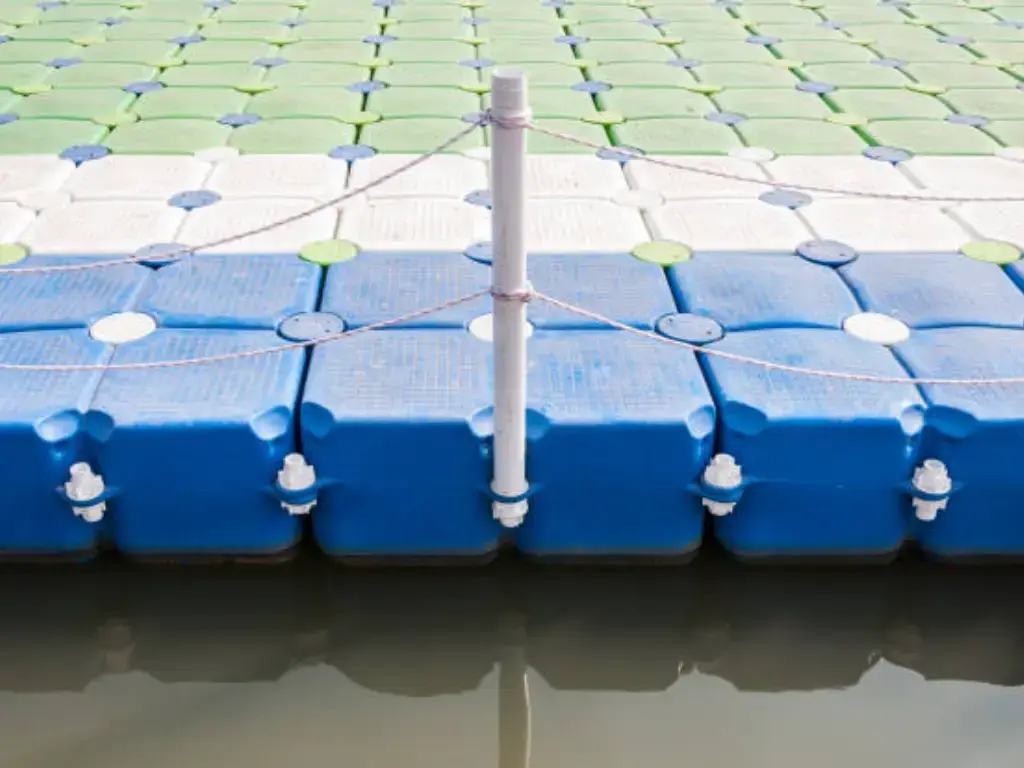
Wie macht man ein schwimmendes Dock stabiler?
Die Stabilisierung eines Stegs erfordert ein vielschichtiges Konzept. Im Folgenden finden Sie acht bewährte Methoden zur Verbesserung des Gleichgewichts Ihrer Plattform im Wasser.
Mit dem Schwimmdock-Stabilisierungssatz
Stabilisierungssätze werden verwendet, um die Stabilität Ihres Stegs zu gewährleisten, indem sie für zusätzlichen Halt und Auftrieb sorgen. Sie bestehen in der Regel aus Verankerungsstangen und Auftriebskörpern, die Sie an Ihrem Steg befestigen können. Die vertikalen Pfosten, die das Dock stützen, werden auf dem Seeboden verankert, um die Bewegung des Docks durch den Wellengang zu minimieren. Diese Kits dienen als umfassendes Upgrade Ihres Verankerungssystems und enthalten oft spezielle Beschläge, die sich an Schwankungen des Wasserstands anpassen und gleichzeitig eine starre vertikale Ausrichtung beibehalten. Ein Stabilisierungskit ist relativ einfach zu installieren und kann die Stabilität Ihres Stegs erheblich verbessern.
Aufrüstung des Verankerungssystems
Pfähle, die in den Meeres- oder Flussboden gerammt werden, können Ihrem Schwimmdock einen guten Ankerplatz bieten. Diese vertikalen Stützen verhindern die seitliche Verschiebung des Stegs und sorgen für mehr Halt. Um das System weiter zu verbessern, können Sie Schraubanker verwenden, die auf sandigem oder schlammigem Grund besser halten, oder eine Kreuzverkettung durchführen. Bei der Kreuzverkettung werden Ankerleinen diagonal über die Unterkonstruktion geführt, um ein "dreieckiges" Spannsystem zu schaffen, das die horizontale Abdrift minimiert. Bei den Verankerungen mit Eigengewicht kann es sich um Betonblöcke oder Betonanker handeln, die an bestimmten Stellen des Docks angebracht werden können, um die Stabilität des Docks zu erhöhen. Diese Anker tragen dazu bei, den Kräften entgegenzuwirken, die durch Wellen und Strömungen entstehen, die auf das Dock einwirken und so seine Beweglichkeit verringern können. In Bezug auf die spezifischen technischen Parameter wird dringend empfohlen, verzinkte 1/4″- oder 3/8″-Ketten zu verwenden, um eine langfristige Haltbarkeit und strukturelle Festigkeit gegen Korrosion zu gewährleisten. Was die Wahl des Gewichts betrifft, so bieten schwerere Anker eine deutlich bessere Stabilität in raueren Gewässern; so kann beispielsweise die Wahl eines 600-Pfund-Ankers anstelle eines 450-Pfund-Ankers die notwendige Trägheit bieten, um ein Abdriften bei starker Strömung oder starkem Wind zu verhindern. Achten Sie darauf, dass die Anker ausreichend groß sind, um die Umgebungslasten zu tragen, und dass sie so platziert sind, dass sie die Stabilisierungskraft in ausgewogener Weise bieten.
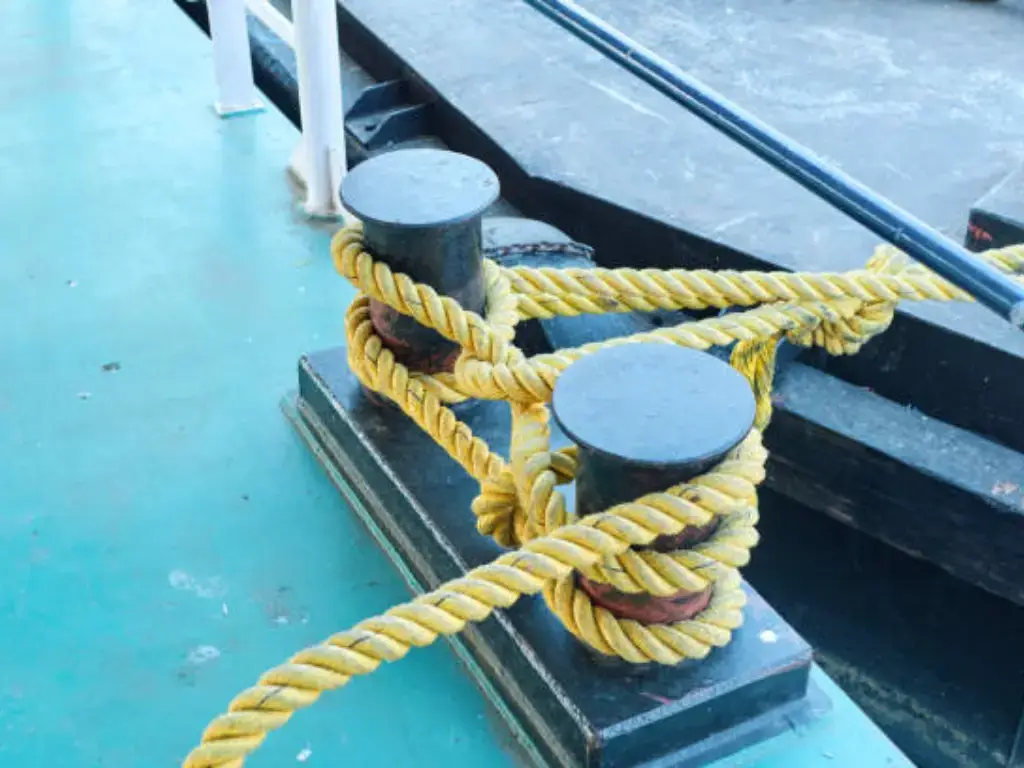
Physikalische Gegengewichte und Gleichgewicht
Sie können auch einige Gewichte auf Ihrem Schwimmdock anbringen, um sicherzustellen, dass es gut verankert und stabil auf dem Wasser liegt. Um den Halt zu verbessern, können Sie Betonblöcke oder andere schwere Materialien so auf dem Steg platzieren, dass sie den nötigen Halt bieten. Um die Effektivität zu maximieren, sollten Sie sich auf physische Gegengewichte und das Gleichgewicht konzentrieren, indem Sie Gewicht speziell an der Unterseite der Schwimmer anbringen, um den Schwerpunkt der gesamten Struktur zu senken. Auf diese Weise wird sichergestellt, dass die Struktur nicht in einigen Bereichen überlastet wird, was zu einer Beschädigung der Struktur führen würde.
Installation von Gangways und Rampen
Gangways tragen auch dazu bei, eine feste Verbindung zwischen dem Dock und dem Ufer aufrechtzuerhalten, da sie das Gewicht anders und mit weniger Schwingungen verteilen. Eine gut durchdachte Gangway wirkt wie ein struktureller Hebel, der die Kraft des Ufers nutzt, um seitliche Bewegungen zu begrenzen. Durch die Befestigung der Landseite an einem Betonschott wirkt die Gangway wie ein Stabilisator, der das seitliche Schwanken des Docks einschränkt. Ein Teil der Lasten, die durch Wellen und Wasserstandsschwankungen entstehen, wird von einer gut konstruierten Gangway getragen, was die Stabilität des Docks erhöht. Stellen Sie sicher, dass die Gangway gut verankert ist und aus Materialien besteht, die von den vorherrschenden Umweltfaktoren nicht beeinträchtigt werden.
Strukturelle Verstärkung
Um zu verhindern, dass sich der Stegrahmen unter starkem Wellendruck verdreht oder verzieht, ist eine strukturelle Verstärkung unerlässlich. Dazu werden Stabilisierungsklammern und Querverstrebungen unter dem Belag angebracht. Durch das Hinzufügen von diagonalen Metall- oder Holzstützen zwischen den Hauptrahmenelementen wird das Dock zu einer starren "Monocoque"-Struktur. Diese innere Steifigkeit verhindert, dass sich die einzelnen Schwimmer unabhängig voneinander bewegen, was das "wellige" Gefühl beim Begehen des Stegs deutlich verringert.
Zusätzlich können Sie Stabilisierungsausleger hinzufügen. Dabei handelt es sich um feste Riegelverlängerungen, die an den Seiten des Stegs angebracht werden und die Breite des Stegs und seinen Auftrieb vergrößern. Sie sind wie die Ausleger eines Kanus; sie sind eine zusätzliche Fläche, die das Schaukeln und Kippen reduziert. Sie können je nach Art des Stegs aus Holzplanken oder Leichtmetallen hergestellt werden und müssen sicher an den Seiten des Stegs befestigt werden.
Hinzufügen eines Daches
Es ist auch wichtig zu wissen, dass ein Dach auf dem Schwimmdock nicht nur eine ästhetische Ergänzung ist, die Schatten spendet und vor Regen, Sonne und Schnee schützt, sondern auch das Gesamtgewicht der Struktur erhöht. Die zusätzliche Last des Daches kann auch die Auswirkungen von Wind und Wellen auf das Dock verringern, da die Trägheit der Struktur erhöht wird - eine schwerere Masse lässt sich schwerer durch kleine Wellen in Bewegung setzen. Das Dach wirkt wie ein Segel, so dass die Konstruktion sicherstellen muss, dass die zusätzliche Stabilität durch das Gewicht die durch starke Winde erzeugten Seitenkräfte überwiegt. Ebenso kann ein Dach die Schönheit und Funktionalität des Docks verbessern, indem es den Arbeitern Schatten spendet.
Korrekte Lastverteilung
Bei einem Schwimmdock ist die Gewichtsverteilung entscheidend für die Stabilität der Struktur, damit sie nicht untergeht. Es ist auch wichtig, das Dock nicht mit schweren Gegenständen auf einer Seite zu überladen, da dies dazu führt, dass das Dock instabil wird und stark schwankt. Eine wirksame Lastverteilung folgt einer "Gegengewichtslogik": Wenn ein schweres Gerät auf der Nordseite platziert werden muss, sollte ein gleichwertiges physisches Gewicht auf der Südseite hinzugefügt werden, um eine ebene Fläche zu erhalten. Es ist jedoch notwendig, die Last gleichmäßig über die Plattform zu verteilen, damit diese nicht verformt wird. Dazu ist es erforderlich, die Position von Geräten, Möbeln und anderen Strukturen innerhalb der Verladestelle zu bestimmen.
Festmachen an der Küste
Für zusätzliche Stabilität ist es ratsam, das Schwimmdock mit Seilen oder Ketten am Ufer zu verankern. Eine robustere Lösung ist die Verwendung von Stiff Arms. Im Gegensatz zu flexiblen Seilen verbinden diese starren Metallarme das Dock mit dem Ufer und ermöglichen eine vertikale Bewegung mit den Gezeiten, während das Dock vollständig daran gehindert wird, zum Ufer hin oder vom Ufer weg zu schwanken. Außerdem wird verhindert, dass sich das Dock aufgrund von Wellen und Strömungen in unerwünschter Weise verschiebt. Für die Befestigungen wird empfohlen, Materialien zu verwenden, die nicht leicht korrodieren, wie z. B. rostfreier Stahl, um die Haltbarkeit des Produkts zu erhöhen.
Vergleichsmatrix zur Verbesserung der Stabilität von Schwimmdocks
| Enhancement-Methode | Kostenniveau | Schwierige Installation | Dauerhaftigkeit | Bester Anwendungsfall |
| 1. Stabilisator-Kit | Mittel - Hoch | Mäßig | Hoch | Kommerzielle oder stark frequentierte Docks, die ein professionelles All-in-One-Upgrade benötigen. |
| 2. Aufrüstung des Verankerungssystems | Mittel - Hoch | Hoch | Ausgezeichnet | Gebiete mit starker Strömung, starken Wasserstandsschwankungen oder weichem Boden. |
| 3. Physikalische Gegengewichte | Niedrig | Niedrig | Hoch | Budgetfreundliche Lösung für Docks, die sich im leeren Zustand zu leicht oder "wackelig" anfühlen. |
| 4. Laufstege und Rampen | Mittel | Mäßig | Hoch | Wenn ein Zugang zum Ufer erforderlich ist und er genutzt werden kann, um das seitliche Schwanken zu begrenzen. |
| 5. Strukturelle Bewehrung | Mittel | Hoch | Hoch | Docks, die sich bei starkem Wellengang verziehen oder "wellenförmig" werden. |
| 6. Hinzufügen eines Daches | Hoch | Hoch | Mittel - Hoch | Zweifacher Bedarf (Schatten + Massenträgheit), bei dem der Windwiderstand gesteuert wird. |
| 7. Korrekte Lastverteilung | Minimal | Minimal | Ewige | Unverzichtbare tägliche Betriebslogik zur Vermeidung von Auflistungen oder ungleichmäßigem Verschleiß. |
| 8. Steife Arme (Stützarme) | Mittel | Mäßig | Ausgezeichnet | Permanente Landanbindung, um das "Schaukeln" oder Andocken vollständig zu verhindern. |
Hightech-Profi-Hacks für überlegene Stabilität
Die Verwendung von Wasserballast in modularen HDPE-Systemen ist eine spezielle Methode zur Senkung des Schwerpunkts. Sie können das Bootsanlegesystem tiefer und fester im Wasser sitzen lassen, indem Sie die Schwimmer am Stegrand zu etwa 1/3 füllen. Dennoch ist Genauigkeit wichtig, um den Free Surface Effect zu vermeiden. Die gesprengten Schwimmer sollten genau gleich gefüllt und hermetisch verschlossen sein, da das Wasser sonst beim Kippen schwappt und einen Impuls erzeugt, der ein Schiff - selbst eine Luxusyacht - eher zum Kentern bringen kann.
Um das heftige Schaukeln der Bootswellen zu verringern, können Sie vertikale Platten oder Flossen am unteren Teil der Steganlage anbringen. Diese Flossen geben keinen Auftrieb, wie die Schwimmkörper des Docks, sondern dienen als Viskosedämpfer. Diese Unterwasserkiele müssen sich durch die Wassersäule drücken, wenn die Wellen versuchen, das Dock anzuheben, und dieser Widerstand verlangsamt die vertikale und seitliche Bewegung des Docks. Diese von Schiffen und Marineeinrichtungen inspirierte Konstruktion ist besonders nützlich für Docks, die sich in stark befahrenen Kanälen befinden.
Die beste Verankerungsmethode zur Verhinderung des Rollens ist vielleicht die Maximierung der Wasserfläche. Der Kippwiderstand eines Docks kann durch eine Vergrößerung der Breite des Docks drastisch erhöht werden, z. B. durch Umwandlung eines schmalen I-förmigen Docks in ein L-, U- oder T-förmiges Dock. Bei der Schaffung dieser Formen mit Hilfe von Fingerdocks oder Auslegern wird das zweite Flächenmoment ausgenutzt, das die Gesamtstabilität um mehr als die Hälfte im Vergleich zu einem einfachen geraden Steg erhöht. Dennoch sind diese ausgeklügelten Modifikationen so sicher wie die Plattform selbst, und sie benötigen die Präzision und die luftdichte Integrität der Industriequalität, die in den Hisea Dock Systemen vorhanden ist.
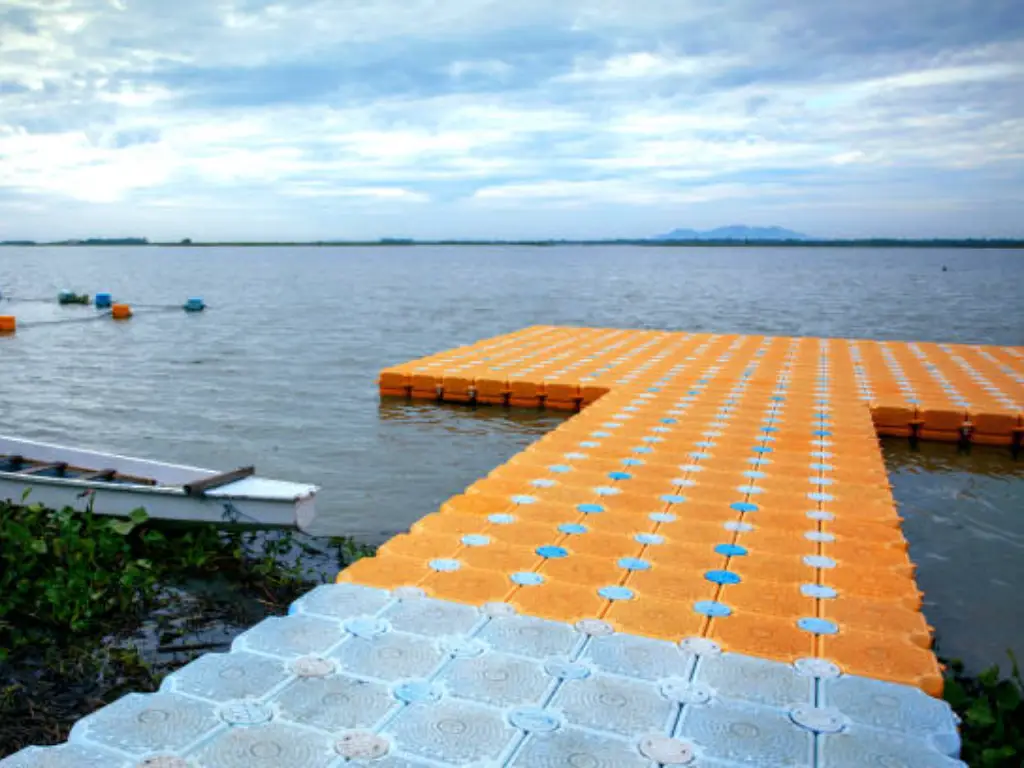
Der Hisea Dock-Vorteil: Entwurf modularer Systeme zur Erreichung hoher Stabilität
Um eine maximale Stabilität des Docks zu erreichen, ist das Design der Module selbst ebenso wichtig wie Ihre kluge Entscheidung zur Verankerung. Hisea Dock ist seit 2006 im Geschäft mit leistungsstarken modularen Systemen, die darauf abzielen, das typische wellige Gefühl von schwimmenden Plattformen zu beseitigen. Unsere Blöcke haben 19 mm dicke Verbindungslaschen und ein spezielles vierseitiges Rillendesign, das die strukturelle Steifigkeit und die seitliche Stabilität erheblich erhöht.
Unser HDPE der neuen Generation mit Anti-UV-Wirkstoffen bietet den Benutzern ein solides Gefühl von begehbaren Planken, die nicht wie herkömmliche stationäre Docks mit der Zeit absinken oder wie alte Holzplanken reißen. Wir empfehlen eine Mindestbreite von drei Stegen, um die Vorteile unseres nahtlosen Designs zu nutzen und ein optimales Gleichgewicht zu schaffen. In unserer großen Online-Auswahl bieten wir Module an, die Taifunen standhalten, damit Sie das richtige Schwimmsteg-Stabilisierungskit für Ihre Bedürfnisse finden. Unser Diagonalspannungstest wurde mit 14.389 N getestet, um sicherzustellen, dass es extremen Druck aushalten kann.
Hisea Dock verfügt über ISO-9001-, CE- und TÜV-Zertifikate, was bedeutet, dass die Lebensdauer des Produkts 20 bis 30 Mal länger ist als die der Konkurrenz. Unsere Garantie beträgt 5 Jahre, 24/7 und professionelle Verankerungsberatung, um Ihnen dabei zu helfen, Ihren maritimen Traum zu einer stabilen und dauerhaften Realität zu machen.
Verhindern kritischer Fehler: Typische Fehler und bewährte Stabilitätsstrategien
Um Ihre Stabilisierungsmethoden effektiv zu gestalten, ist es wichtig, die üblichen technischen und verfahrenstechnischen Fehler zu kennen, die zu struktureller Instabilität und frühzeitigem Verschleiß führen. Im Folgenden sind die Fallstricke aufgeführt, die erkannt und korrigiert werden müssen:
- Bau ohne Prüfung der örtlichen gesetzlichen Vorschriften: Dies kann Sie eine Menge Geldstrafen oder sogar die Entfernung Ihres Verankerungssystems kosten. Das Department of Natural Resources (DNR) oder das Army Corps of Engineers sollten immer konsultiert werden, bevor das Ankersystem installiert wird, um die erforderlichen Genehmigungen zu erhalten.
- Das Gewicht ist nicht gleichmäßig auf der Plattform verteilt: Dies führt zu einer chronischen Liste und verursacht eine zerstörerische und asymmetrische Belastung der strukturellen Verbindungsstifte. Konzentrieren Sie sich stattdessen auf eine mittige Belastung, d. h. auf eine symmetrische Anordnung aller Möbel und schweren Geräte, um ein neutrales statisches Gleichgewicht zu erreichen.
- Die Verwendung von unterdimensionierten oder ungeeigneten Ankern in Bereichen mit hoher Energie: Die Verwendung von unterdimensionierten Stegteilen aus Metall führt bei schweren Sturmfluten zu Abdrift und möglichen Kollisionsschäden. Um dies zu vermeiden, passen Sie die Ankermasse an die jeweilige Wassertiefe und die Umgebung an, indem Sie Schnellverschlüsse und verzinkte 3/8-mm-Ketten sowie in raueren Gewässern Eigengewichte von mindestens 600 lbs verwenden.
- Vernachlässigung der Auswirkungen saisonaler Veränderungen des Wasserstands: Eine starre Verankerung kann dazu führen, dass der Steg bei steigendem Wasserstand sinkt oder bei Trockenheit zu hoch liegt. Die Lösung sind verstellbare Spannsysteme oder verschiebbare Winden, mit denen sich der Steg frei von der Wasseroberfläche bewegen kann.
- Hinzufügen von schwerem Stegzubehör ohne Auftrieb: Bei der Einführung von Aluminiumleitern, Aluminium-Stegleitern oder Jetskiliften können tote Punkte entstehen. Um dies zu korrigieren, können Sie einen abgestuften Auftriebsansatz verwenden, bei dem Sie Doppelschwimmer (500 mm Höhe) direkt unter schweren Stegbeschlägen platzieren, um das Oberflächenniveau zu halten.
- Verwendung von minderwertigen, nicht für den Bootsbau geeigneten Bauteilen: Dies führt zu schneller Korrosion und strukturellem Zusammenbruch Ihrer Stabilisierungslinien. Um eine Lebensdauer von 1520 Jahren zu gewährleisten, müssen alle Metallteile und Befestigungen des Docks aus feuerverzinktem Stahl oder Edelstahl 316 bestehen.
- Überlastung des Docks mit seiner vorgesehenen Tragfähigkeit bei Veranstaltungen: Dies führt zu einer unsicheren Instabilität und birgt ein hohes Risiko, dass die Plattform kentert. Gehen Sie mit dynamischen Lasten um, indem Sie die Gäste in die Mitte leiten und tragbare Gegenstände wie z. B. Kühlboxen als vorübergehende Gegenmaßnahme aufstellen.
Mehrstufige Lösungen auf jeder Stabilitätsstufe
Intelligente Verankerung und strategische Positionierung ist eine kostenneutrale Verbesserung, die darauf abzielt, das Gleichgewicht zu halten, ohne neue Geräte zu kaufen, indem eine technische Logik angewendet wird. Um die Wahrscheinlichkeit zu verringern, dass ein Dock kippt, können Sie die vorhandene Ausrüstung, z. B. Bänke, Lagerboxen, schwere Kühlboxen usw., so anordnen, dass sie näher an der Mittellinie stehen und ein neutrales statisches Gleichgewicht erreichen. Bei gesellschaftlichen Veranstaltungen kann der menschliche Faktor proaktiv gemanagt werden, indem man die Gäste einlädt, in der Mitte zu sitzen, anstatt sich an der Seite des Docks zu drängen, oder indem man tragbare Gegenstände an das gegenüberliegende Ende verlegt.
Einfache Heimwerkerarbeiten mit einfachen Materialien sind am besten geeignet, wenn der Eigentümer mit möglichst wenig Geld eine deutliche Verbesserung des Wellenwiderstands erreichen möchte. Die Verwendung von Selbstbau-Ankern, die aus gegossenen Betonblöcken bestehen, die mit verzinkten 1/4-Zoll- oder 3/8-Zoll-Ketten verbunden sind, kostet normalerweise etwa 200 Dollar. Dies ist zwar die nächstbeste Option für diejenigen, die nur über ein geringes Budget verfügen, aber diese Systeme müssen regelmäßig auf Abnutzung unter Wasser überprüft werden, und sie bieten eine sofortige Erhöhung der Trägheit. Zusammen mit physischem Ballast oder einfachen Auslegern bieten sie eine solide, kostengünstige Basis für Wohnstege am See.
Für diejenigen, die eine langfristige Infrastruktur anstreben, ist eine professionelle Pfahlmethode auf lange Sicht am rentabelsten für den Wert der Immobilie. Schwere, steife Metallarme oder professionelle Pfahlsysteme können 5.000 oder mehr kosten, aber sie haben eine wartungsfreie Lebensdauer von 20-30 Jahren. Qualitativ hochwertige modulare HDPE-Systeme haben in der Regel eine Lebensdauer von 15 bis 20 Jahren, und steife Stahlarme haben je nach Qualität der Verzinkung eine Lebensdauer von 10 bis 15 Jahren. Für kommerzielle Betreiber sind die geringere Haftung und die längere Lebensdauer eines professionell verankerten Systems weit mehr als die anfängliche Kapitalinvestition.
Schlussfolgerung
Schließlich ist das Dock aufgrund des Gleichgewichts zwischen der externen Energie und der internen strukturellen Integrität stabil. Sie können die Fläche Ihres Stegs maximieren, um ein stabileres Gefühl zu erreichen, den Rahmen verstärken, um das wellige Gefühl zu beseitigen, oder Ihr Verankerungssystem verbessern, um den starken Strömungen zu widerstehen, aber das Ziel ist dasselbe: eine sichere, stabile und vorhersehbare Schnittstelle zwischen Land und Wasser zu schaffen.
Eine wirklich stabile Plattform ist ein stummer Begleiter bei Ihren maritimen Einsätzen. Mit diesen Konstruktionsprinzipien und strategischen Verbesserungen können Sie sicherstellen, dass alle Übergänge zwischen Land und Wasser mit vollem Vertrauen erfolgen und eine sichere Basis für die kommenden Jahre bilden.
FAQS
F: Wie kann die maximale Stabilität des Schwimmstegs garantiert werden?
A: Um die Stabilität eines Schwimmsteg-Bausatzes zu verbessern, sollten Sie die Last gleichmäßig verteilen, schwere Metallkugeln und Metallpfeiler verwenden, regelmäßige Wartungskontrollen auf Fäulnis und sichere Ösenschrauben durchführen und die richtigen Schwimmhilfen verwenden, die die Last des Schwimmsteg-Bausatzes tragen können.
F: Welche Höchstlast kann ein Schwimmdock tragen?
A: Das Gewicht, das ein Schwimmdock tragen kann, hängt von der Konstruktion, den verwendeten Materialien und der Art der verwendeten Schwimmer ab. Im Allgemeinen können Schwimmdocks Tausende von Pfund tragen, aber es ist ratsam, die Herstellerangaben zu konsultieren. Wenn das Dock mit zu viel Gewicht belastet wird, wird es unsicher und kann sogar zusammenbrechen.
F: Welche Maßnahmen sollten ergriffen werden, um die Sicherheit auf den Schwimmdocks zu erhöhen?
A: Einige der Vorsichtsmaßnahmen, die bei der Planung und dem Bau von Schwimmdocks getroffen werden sollten, sind ein rutschfestes Deck, Schutzbarrieren und gut definierte Kanten. Außerdem muss sichergestellt werden, dass das Dock sicher und vor Gefahren wie losen Planken oder freiliegenden Nägeln geschützt ist. Einige der Dinge, die überprüft werden müssen, sind: Tägliche Kontrollen: Dies sind einige der wichtigsten Kontrollen, die auf dem Schwimmdock durchgeführt werden müssen, um sicherzustellen, dass die Umgebung sicher für die Nutzung ist.

 English
  Thai
Thai  Spanish
  French
  German
  Dutch
Dutch  Italian
  Arabic
  Indonesian
  Portuguese
  Turkish