
Manual definitivo de instalación de diques flotantes (Costes y matrices)
Navegar por las complejidades de la física hidrográfica, la ciencia de los materiales de calidad industrial y la estrategia financiera a largo plazo. Una hoja de ruta técnica definitiva de la ingeniería Hiseadock para la máxima protección de los activos marítimos.
En el sector mundial de las infraestructuras marítimas, la adquisición y el despliegue de una plataforma flotante suele entenderse erróneamente como una simple adquisición de flotabilidad. Sin embargo, para los operadores profesionales de puertos deportivos, los promotores de puertos comerciales y los gestores de urbanizaciones de alto nivel, la realidad es mucho más exigente.
Resumen: Contenido del manual
- Lógica financiera (TCO): Por qué el CAPEX inicial es engañoso y cómo calcular un ROI a 20 años.
- Ciencia de los materiales: La diferencia crítica entre los plásticos estándar y los polímeros sin tensión.
- Conformidad hidrográfica: Navegar por las normativas federales y las evaluaciones de las mareas.
- La física del amarre 5:1: Prevención de fallos catastróficos durante ciclos de tormentas extremas.
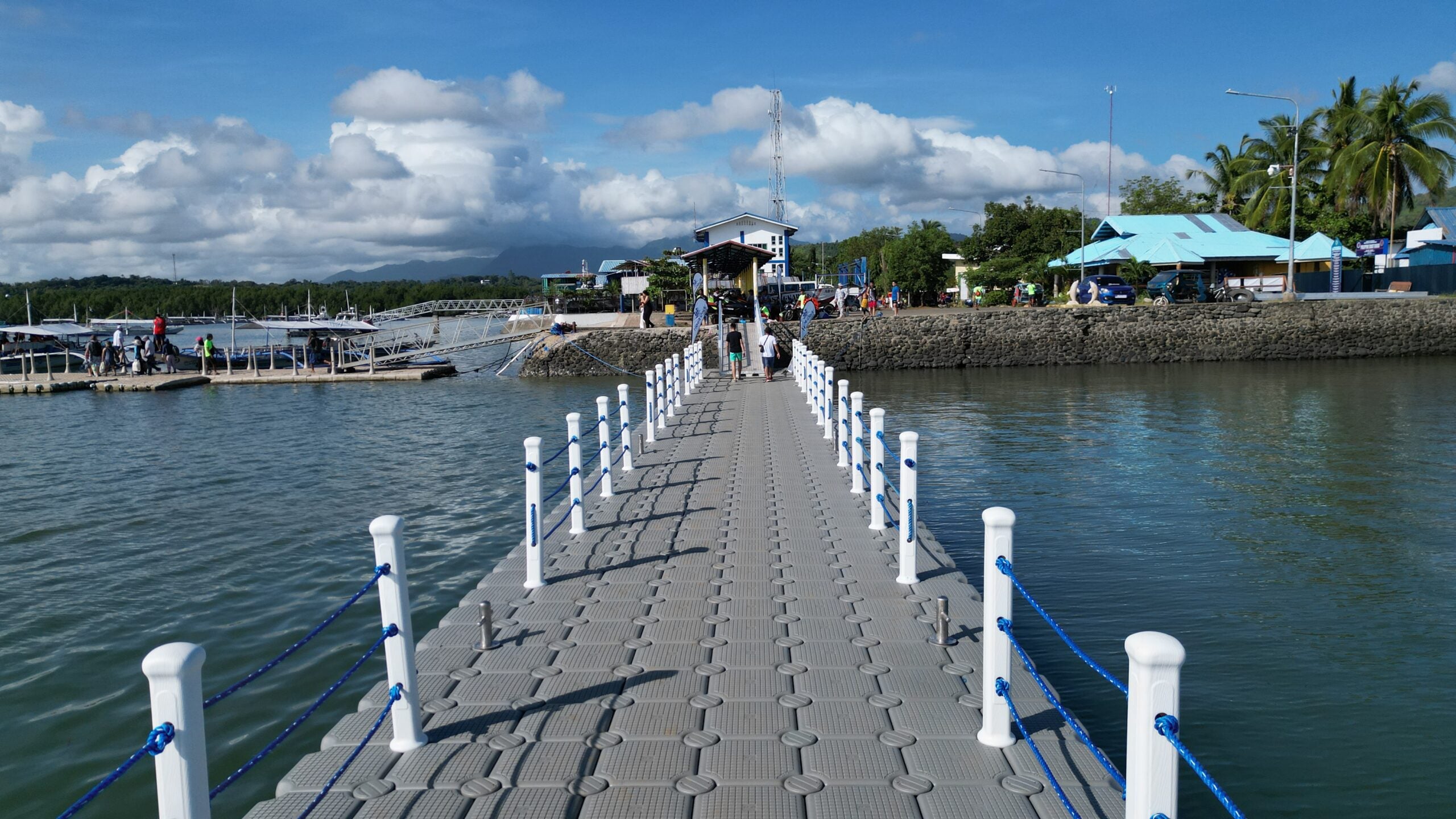
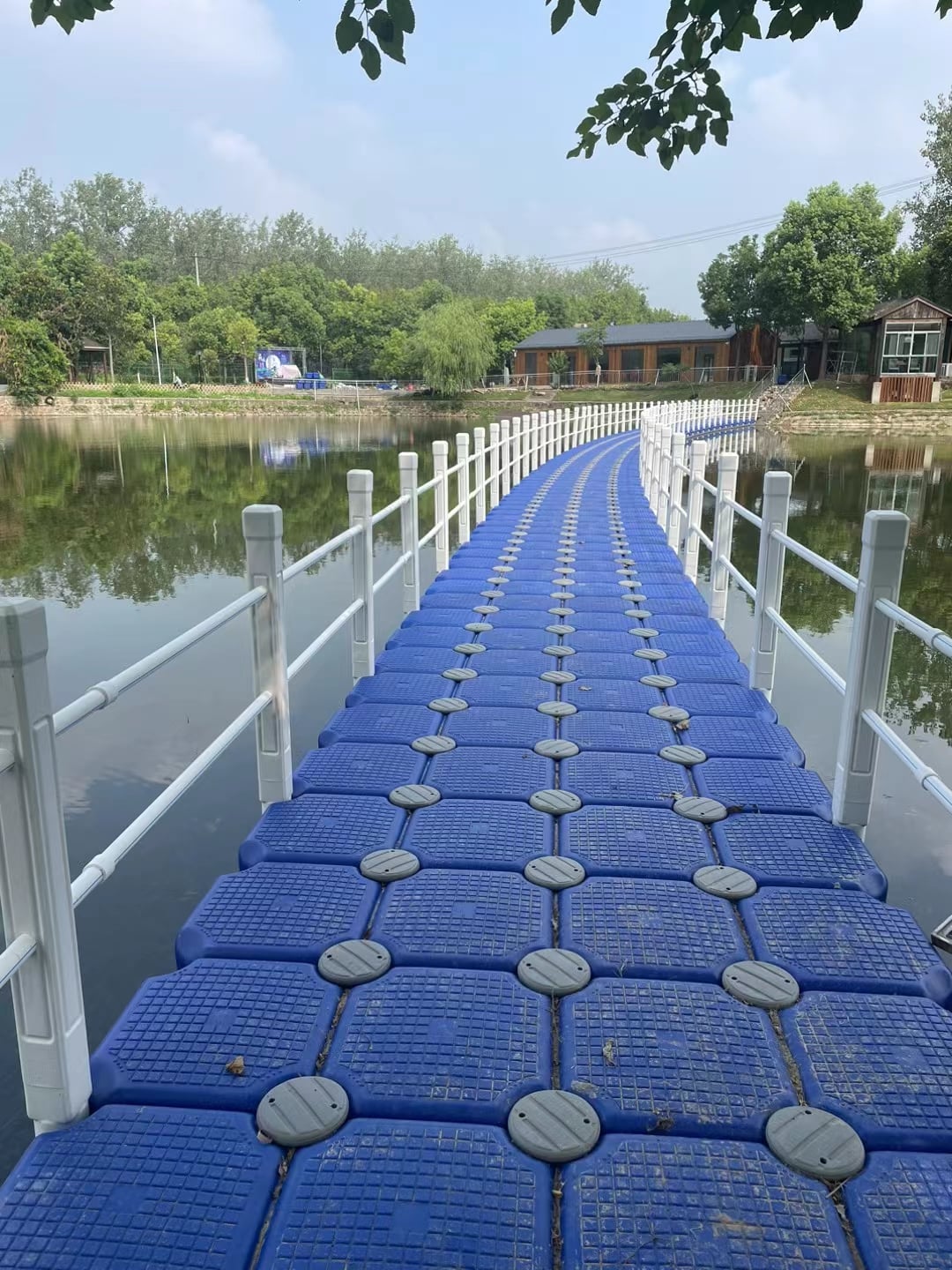
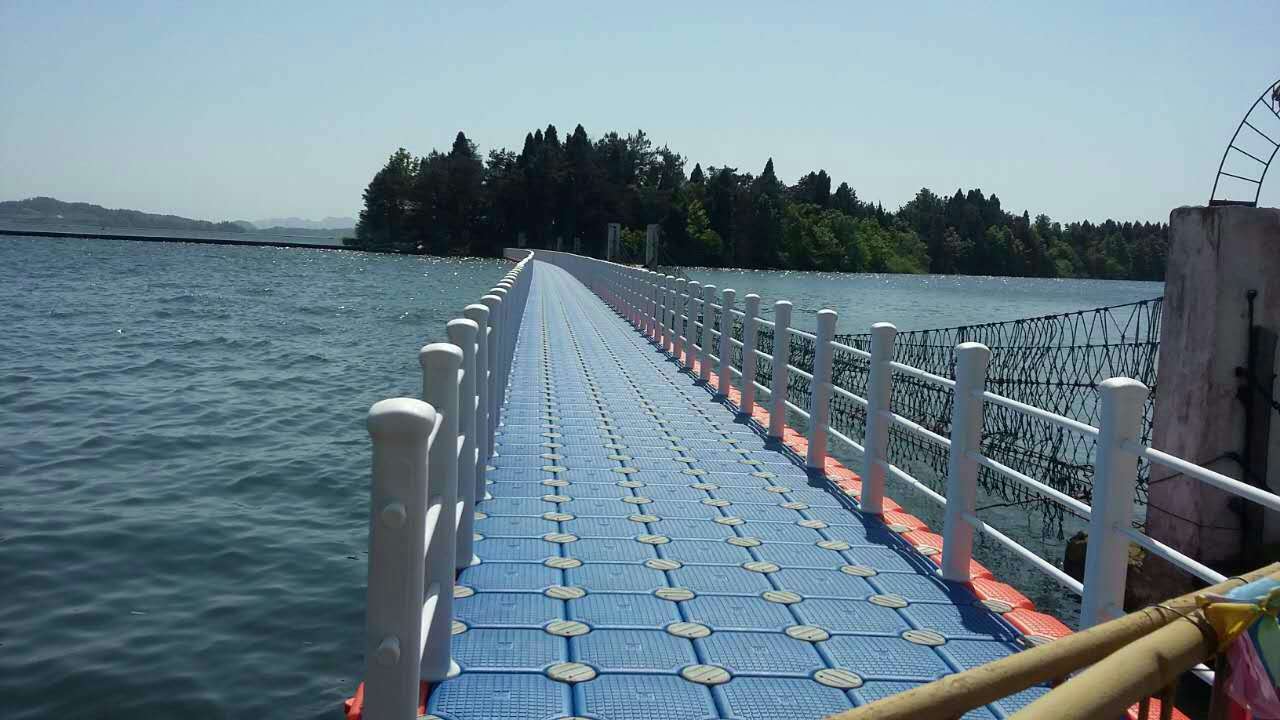
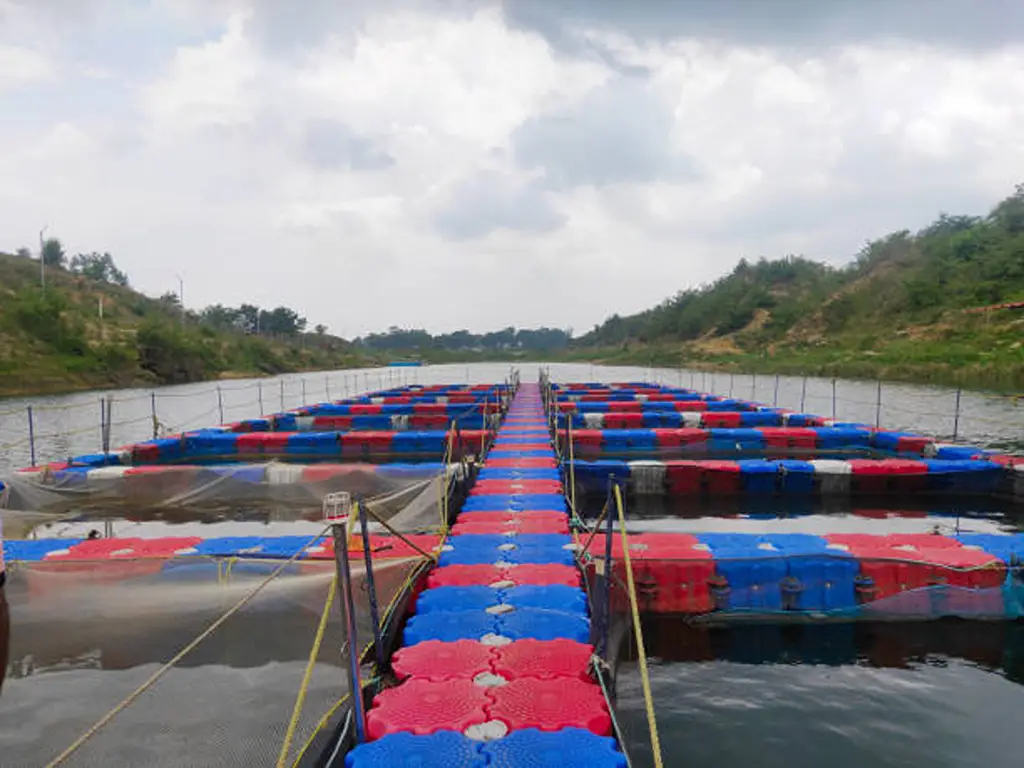
Un éxito instalación de diques flotantes no es un mero ensamblaje de módulos de plástico, sino una respuesta calculada y profundamente diseñada a la implacable energía cinética de unas vías navegables dinámicas. Ya se trate de la arquitectura de un puerto comercial de gran afluencia, de la planificación de una instalación especializada de diques flotantes para motos acuáticas en un complejo turístico costero o de la mejora de un frente costero residencial privado, la diferencia entre un activo resistente de 20 años y un pasivo catastrófico de 3 años radica por completo en la precisión de la metodología de instalación y en la ciencia fundamental de los materiales utilizados.
Este completo manual constituye la norma técnica definitiva para la instalación de muelles modernos. Vamos más allá de los tutoriales superficiales para aficionados y abordamos la física básica de la atenuación de las olas, la cruda realidad económica de los costes de instalación y las rigurosas matrices de decisión necesarias para garantizar que su inversión en muelles permanezca inamoviblemente anclada.
Fase 1: Evaluación estratégica, retorno de la inversión y ciencia de los materiales
La estructura marítima más cara que comprará nunca es la que se verá obligado a sustituir dos veces. En el sector B2B, los responsables de la toma de decisiones con visión de futuro dejan de centrarse en el gasto de capital inicial (CAPEX) y analizan estrictamente el coste total de propiedad (TCO). El mercado está muy saturado de flotadores moldeados por soplado, de bajo coste y producidos en serie, que atraen a los compradores preocupados por el presupuesto, pero que representan un grave riesgo financiero para los profesionales. servicios de instalación de diques flotantes.
La economía de la flotabilidad y el ROI
Examinemos la lógica de la amortización. Hemos analizado los datos históricos de degradación de más de 200 proyectos de muelles en todo el mundo. Aunque un sistema modular de calidad industrial requiere una mayor inversión inicial en comparación con los muelles fijos de madera tradicionales o los plásticos huecos baratos, el punto de inflexión financiera suele producirse en sólo 2 ó 3 ciclos operativos. Este rápido retorno de la inversión (ROI) se debe a la eliminación total de los tiempos de inactividad anuales por mantenimiento. Y lo que es más importante, se evitan los costes de sustitución catastróficos que afectan a los sistemas de calidad inferior tras las temporadas de fuertes tormentas.
Moldeo rotacional industrial vs. fallo por tensión
El secreto para conseguir una vida útil de 15 a 20 años reside en el proceso de fabricación. El moldeo por soplado convencional se basa en la inyección de aire a presión para estirar el plástico fundido en un molde. Esto da lugar a secciones de pared impredecibles, delgadas y vulnerables, sobre todo en las esquinas y las lengüetas de conexión. Cuando la energía de las olas golpea estos puntos delgados, se producen inevitablemente fracturas por tensión.
Hiseadock rechaza totalmente este método, utilizando Moldeo rotacional industrial exclusivamente en nuestras avanzadas instalaciones. En este entorno térmico altamente controlado y de presión cero, los polvos de polietileno de alta densidad de alto peso molecular (HMW HDPE) se funden y recubren el interior del molde de manera uniforme a través de un proceso preciso. rotación biaxial y gravedad.
El resultado de ingeniería es una estructura monolítica, completamente libre de tensiones y altamente reforzada, Tacos de conexión de 19 mm de grosor. Esta uniformidad absoluta en la densidad molecular garantiza que los puntos de conexión de alta tensión no se transformen en puntos de fractura estructural, lo que permite a nuestros sistemas soportar fluctuaciones extremas de temperatura ambiental que oscilan entre -60℃ y 80℃.

Fase 2: Evaluación hidrográfica profunda y conformidad
Una estructura marítima profesional no puede tratarse como un objeto aislado; es un participante activo en un ecosistema acuático dinámico. Omitir el estudio hidrográfico es la razón principal por la que muchos proyectos costeros -por ejemplo, la instalación de un dique flotante muy expuesto en Wilmington o en zonas de mareas similares- sufren un fallo prematuro del amarre o graves complicaciones legales. La planificación medioambiental basada en datos es su única salvaguardia contra la enorme responsabilidad de una estructura a la deriva.
Cumplimiento de la normativa y matriz USACE
En muchas jurisdicciones mundiales, la construcción de muelles se rige por rigurosos mandatos federales. Un ejemplo destacado es la Sección 10 de la Ley de Ríos y Puertos, gestionada y aplicada por el Cuerpo de Ingenieros del Ejército de Estados Unidos (USACE). La ejecución de una instalación de dique flotante para embarcaciones de calidad comercial exige el cumplimiento absoluto de estos procesos de autorización. Así se garantiza que el proyecto no obstruya vías navegables federales, no altere el flujo de las mareas ni cause daños a hábitats marinos protegidos.
Lista de comprobación de la encuesta profesional: Antes de fabricar el primer componente modular, su equipo de ingenieros debe confirmar:
- Cartografía batimétrica y rangos de marea: Establecimiento del perfil preciso de profundidad del agua en la bajamar media (MLW) y la pleamar media (MHW).
- Muestreo del sustrato: Determinar si el lecho se compone de limo orgánico suelto, arcilla dura, arena movediza o roca sólida.
- Perfil de velocidad: Evaluar la velocidad del caudal máximo durante las mareas vivas o las crecidas estacionales.

Fase 3: Montaje de la línea de costa técnica y tolerancias de par de apriete
La eficacia mecánica de un instalación de pasarelas modulares en muelles flotantes se realiza en la costa, no en el agua. Intentar ensamblar módulos individuales mientras se mecen en las olas es una receta para una distribución desigual de la tensión y un hardware comprometido.
Protocolo de montaje de ingeniería:
- Conducción de precisión de los pasadores: Los pasadores de conexión central de alta resistencia deben asentarse utilizando un martillo de golpe seco no abrasivo. Esto garantiza que los pasadores queden totalmente encajados en las orejetas de 19 mm sin introducir microfracturas en la piel estructural de polietileno de alta densidad.
- Verificación geométrica: Compruebe los diagonales transversales de la sección montada de la plataforma. Si las diagonales difieren en más de 1/2 pulgada, significa que el muelle está "fuera de escuadra", lo que provoca una concentración de tensiones por la acción de las olas.
- Especificaciones de par: Apriete cada perno perimetral exactamente 18 a 22 pies-libra utilizando una llave dinamométrica calibrada. Demasiado flojo, y la vibración los hará retroceder; demasiado apretado, y aplastará el límite elástico del HDPE.

Lanzamiento seguro: Utilice patines de madera maciza de alta densidad o rodillos de polietileno. Los "lubricantes marinos" químicos infringen las leyes de protección de las aguas limpias y deben evitarse estrictamente durante la fase de lanzamiento.
Fase 4: Comprobación de la realidad del fondeo y física del fondeo 5:1
En Hiseadock, nuestro compromiso se basa en la transparencia operativa. Mientras que el montaje en superficie puede ser ejecutado por una tripulación de 2 personas, la fase de amarre subsuperficial es no es una tarea de bricolaje. El hincado de pilotes de acero o el despliegue de pesos muertos de hormigón de 1.500 lb exige que los contratistas marítimos profesionales utilicen barcazas grúa.
La física de la regla de alcance de la cadena 5:1
El último seguro contra fallos es el alcance del anclaje. En vías navegables dinámicas, una relación de 3:1 crea fuerzas de tracción verticales que arrancan los anclajes. Hiseadock exige un Relación de alcance de la cadena 5:1 para forzar la formación de un Curva catenaria-un amortiguador submarino que convierte la energía cinética de las olas en una suave tensión horizontal.
Herramienta interactiva: Simulador de dinámica de fondeo
Matriz de ingeniería profesional
| Medio ambiente | Sistema | Solución crítica de ingeniería |
|---|---|---|
| Aguas profundas / sustrato de roca dura | Pesos muertos y cadenas | Consistencia del material y aislamiento eléctrico: Asegúrese de que todos los herrajes sean del mismo grado metálico (todos de acero inoxidable 316 o todos de HDG) o utilice manguitos de aislamiento no conductores para bloquear los puentes de acoplamiento galvánico. |
| Fluctuaciones de las mareas / Lodos blandos | Pilotes de acero | Los pilotes deben penetrar en la capa de lodo hasta llegar al hardpan. Los soportes deben ser autolubricantes. Rodillos UHMW-PE para evitar la unión durante los cambios de marea. |
| Caudal del río / Orillas estrechas | Brazos rígidos | Diseño de deflexión lateral cero. Utilizar placas de articulación triaxiales fijadas a estribos de orilla de hormigón colocados a gran profundidad. |
Entendemos que la transición de un plano teórico en seco a una plataforma estable frente al mar implica variables de ingeniería desalentadoras. No tiene por qué enfrentarse solo a estos cálculos hidrográficos y matrices logísticas.

 English
  Thai
Thai  Spanish
  French
  German
  Dutch
Dutch  Italian
  Arabic
  Indonesian
  Portuguese
  Turkish