
Fuente: Pixabay
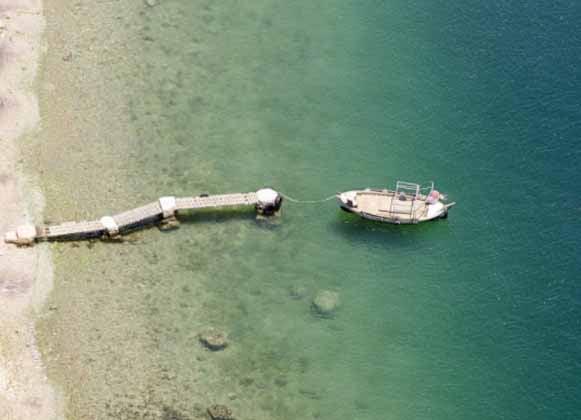
Vivir cerca de una gran masa de agua tiene muchas ventajas. Tienes un barco, una parte de la playa para ti solo y todo el mundo se muere por venir a tu casa. Pero mantener todo eso puede ser todo un reto, sobre todo cuando un elevador para motos acuáticas para barcos y motos acuáticas son necesarios. Necesitará un lugar donde anclarlos y, lo que es más importante, necesitará un muelle.
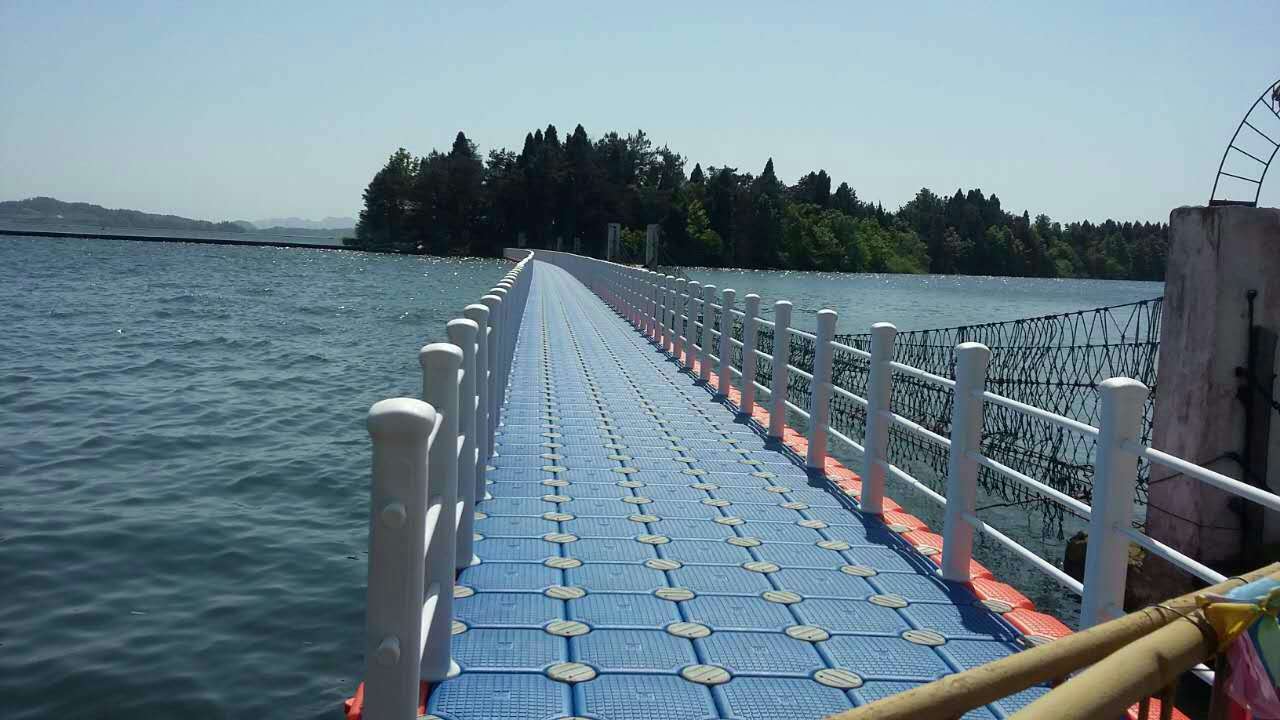
Existen varios tipos de muelles para elegir, pero los más convenientes tienen que ser diques flotantes. Un dique flotante puede definirse de muchas maneras, la descripción más clara es que se trata de un muelle ligero y pantalán flotante portátil o un elevador flotante para pontones que pueden subir y bajar con la marea. La mayoría son de plástico por su flotabilidad y duración en comparación con otros materiales.
Índice
- Ventajas de poseer un muelle
- Tipos de diques flotantes
- Elegir el muelle adecuado
- Por qué es importante elegir el muelle adecuado
- Muelle flotante es Accesorios
- Conclusión
Ventajas de poseer un muelle
Fuente: Pixabay
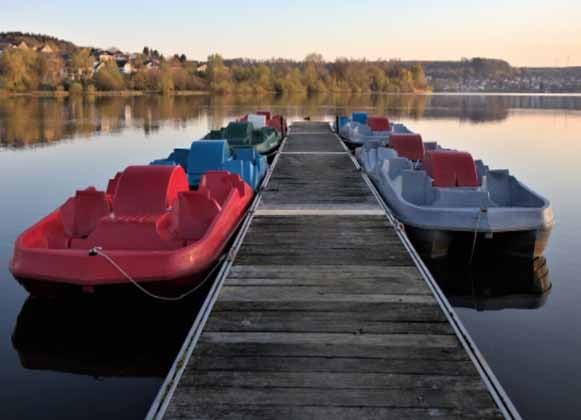
A instalación de muelles es una necesidad cuando se vive cerca de una gran masa de agua como un gran río, un lago o el mar. Hay muchos beneficios que están asociados con tener su propio muelle privado y la teoría incluye los siguientes.
- Comodidad: Se obtiene un acceso muy cómodo al agua en cualquier momento sin necesidad de responder ante nadie. Vivir cerca del agua es la mitad de la historia. Instalar un muelle facilita mucho el acceso, ya que te proporciona una rampa que conecta la tierra con el agua. Podrá acceder a su embarcación sin tener que meterse en el agua.
- Sin gastos de almacenamiento: Los barcos y las motos acuáticas no pueden dejarse en el agua todo el tiempo, ya que podrían dañarse. La mayoría de las personas que no disponen de un muelle propio se ven obligadas a alquilar instalaciones de almacenamiento y espacio en el muelle, lo que resulta muy caro. Disponer de una plataforma flotante le ahorrará mucho dinero.
- Seguridad añadida: Al fondear tu embarcación cerca de donde vives, tienes el privilegio de ser el primero en enterarte si alguien intenta robártela. Esto no ocurriría si tuviera que alquilar un espacio en un muelle público a kilómetros de distancia. Hay seguridad cuando estás cerca de tu propiedad.
- Sin límites Modificaciones: No hay nada que le impida añadir cualquier tipo de modificación a su muelle. Si añade otra embarcación, siempre puede ampliarlo para que quepan más. También puede optar por añadir otros accesorios, como una piscina flotante o un cenador. Las opciones son ilimitadas.
- Aumenta su propiedad Valor: Cualquier adición o modificación que haga en su propiedad frente al mar le añade más valor. Un simple dique flotante puede aumentar el valor de su propiedad hasta 15% en algunos casos. Por lo tanto, tener un dique flotante es una forma de aumentar el precio de la propiedad en caso de que desee venderla en el futuro.
Tipos de diques flotantes
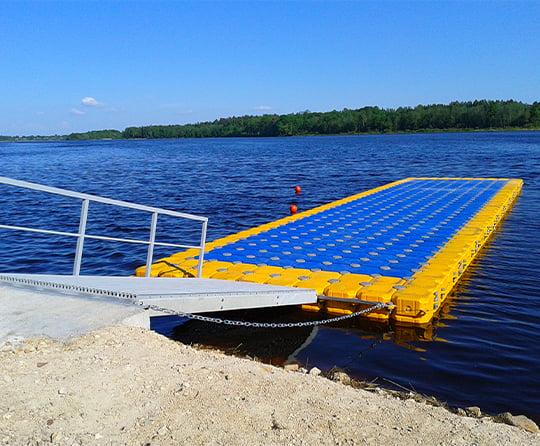
plataformas flotantes Existen varios tipos dependiendo de sus funciones y los materiales utilizados para fabricarlos. En función de estos dos parámetros, a continuación se indican los principales tipos de diques flotantes.
Fuente: Pinterest
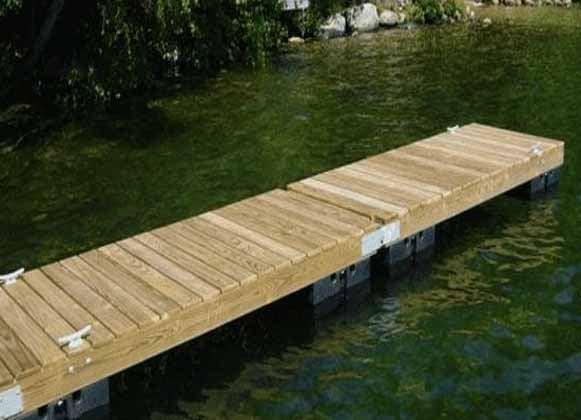
Muelle flotante de línea recta
Este es el tipo más común de dique flotante que encontrará en zonas residenciales. Su diseño es sencillo. Comienza a cierta distancia de la costa y se extiende sobre el agua hasta un punto en el que el nivel es lo suficientemente profundo como para que pueda anclar una embarcación pesada. La mayoría6 tienen forma rectangular y se construyen con cubierta de madera. A veces, en aras de la estabilidad, un dique flotante de línea recta puede diseñarse en forma de ángulo recto para ofrecer más estabilidad y espacio de anclaje.
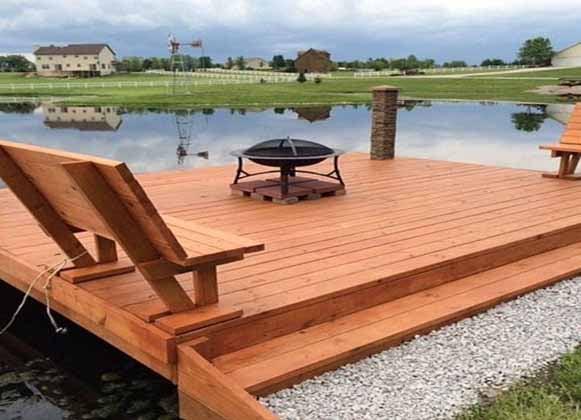
Asientos integrados Muelle flotante
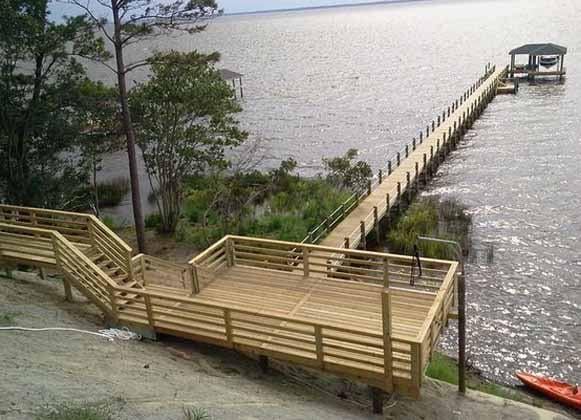
Se trata de un muelle flotante normal que termina con asientos erigidos en el extremo final de la plataforma donde la gente puede sentarse. Los asientos pueden ser en forma de bancos y pueden acomodar a tantas personas como sea el tamaño. Un muelle flotante con asientos incorporados es bueno si recibe muchas visitas en su propiedad. También es un lugar ideal para relajarse mientras se da un chapuzón en el agua. La mayoría suelen estar elevados a una distancia considerable sobre el nivel del mar y están equipados con una escalera que la gente puede utilizar para desembarcar.
Fuente: Pinterest
Fuente: Pinterest
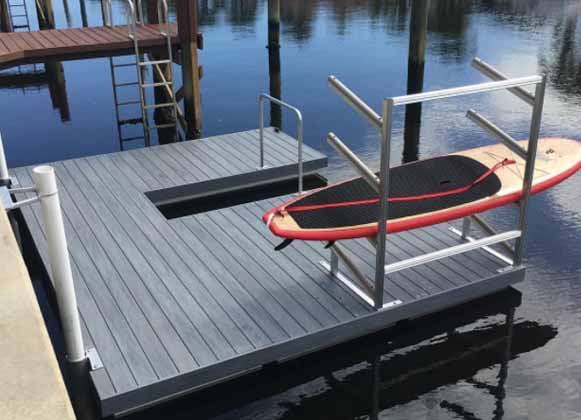
Un muelle para kayak
Se trata de un tipo de dique flotante específicamente Concebido para un Kayak. Suele tener características únicas y es lo suficientemente pequeño como para instalarlo en una orilla de pendiente suave que esté conectada a una masa de agua. La cubierta suele ser de aluminio y puede albergar varios kayaks. La capacidad puede aumentarse instalando soportes laterales que sujeten los kayaks suspendiéndolos en el aire.
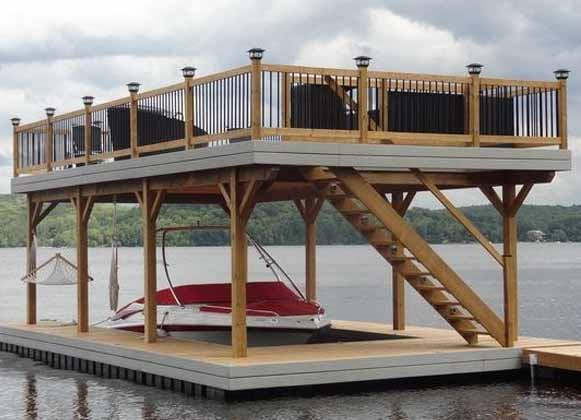
Muelle flotante multinivel
Se trata de un muelle flotante que tiene un diseño de escalera que conduce desde la intemperie a la cubierta que está construida a un nivel más alto de lo habitual; lejos de la superficie del agua. Es el tipo de diseño que debe elegir si desea ampliar los usos de su muelle en el futuro para que no se limite a ser un muelle de anclaje para su embarcación. Las instalaciones recreativas, como los cenadores, son las más adecuadas para este tipo de dique flotante.
Fuente: Pinterest
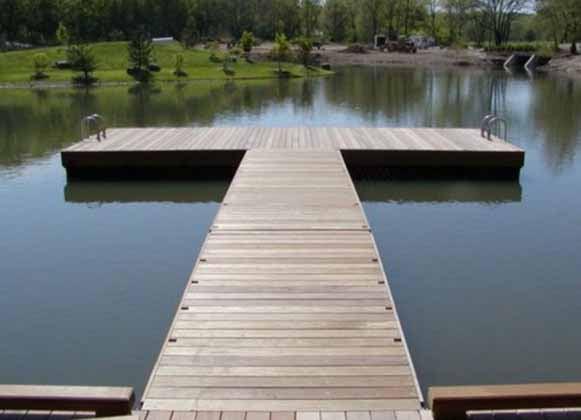
Muelle flotante 2 en 1
Se trata de un muelle flotante que cumple la función de proporcionar un espacio para su embarcación y, al mismo tiempo, un espacio para nadar y realizar otras actividades recreativas relacionadas con el agua. Suele diseñarse en forma de T con escaleras a ambos lados para que la gente suba desde el agua a la cubierta. Es el muelle ideal si tienes cerca niños aventureros a los que no les importa darse un chapuzón vespertino en el lago.
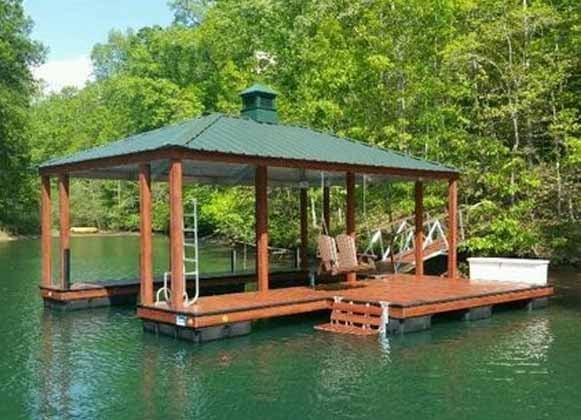
Dique flotante mixto
Se trata de un dique flotante que se fabrica utilizando todo tipo de materiales mezclados entre sí para crear la estructura perfecta. La mayoría6 se fabrican con cimientos de aluminio mezclados con muelles de plástico para mantenerlo flotante en todo momento y la cubierta recibe algún acabado de madera. Este tipo de muelle suele ser sencillo, con nada más que una estructura plana que se adentra en el agua. Es el tipo de muelle que se elige cuando se dispone de un presupuesto ajustado y no se tienen planes de ampliarlo o decorarlo en el futuro.
Fuente: Pinterest
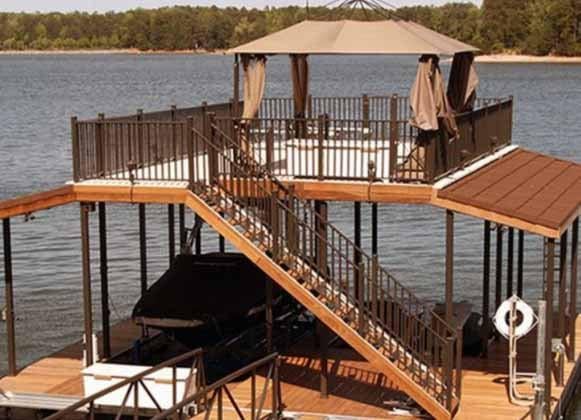
Dique flotante multiusos
Es el más complicado de todos los diques flotantes. Desde lejos, parece una casa flotante, ya que consiste en montar una estructura que sirve de punto de anclaje para las embarcaciones, con un piso añadido en la parte superior que alberga una zona de sombra y una instalación recreativa donde la gente puede sentarse y relajarse mientras nada. Su instalación es muy costosa, ya que el diseño es complejo y utiliza mucho metal para que sea lo bastante resistente como para soportar personas y embarcaciones al mismo tiempo.
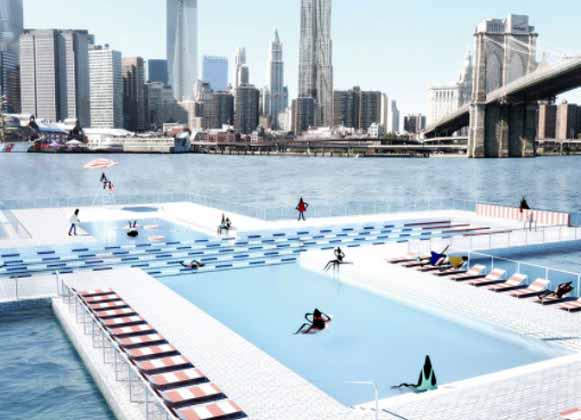
Una piscina flotante
Se trata de un muelle flotante que tiene una sección alargada que alberga el muelle principal, el cual está unido a una piscina flotante en el lado opuesto. Es una forma muy ingeniosa de convertir un muelle en una zona recreativa segura incluso para los niños pequeños, ya que se eleva unos metros por encima del nivel principal del agua. Es el tipo de estructura que se instala si se vive cerca de aguas turbias que pueden no ser seguras para nadar.
Fuente: Pinterest
Fuente: Pinterest
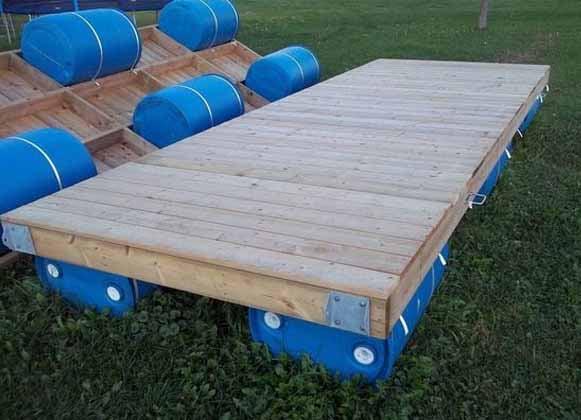
Muelle flotante DIY
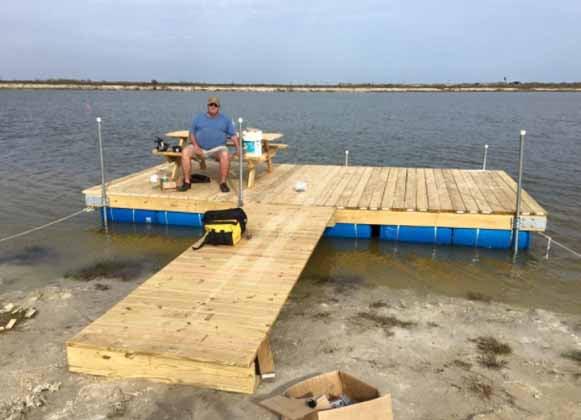
Aunque la mayoría de la gente opta por muelles flotantes prefabricados que sólo necesitan unirse para empezar a funcionar, es posible construya el suyo propio muelle flotante a partir de materiales disponibles localmente. La configuración más habitual consiste en utilizar tanques de plástico con una cubierta de madera encima anclada a la orilla mediante otra tabla. Este tipo de diques flotantes suelen ser pequeños y adecuados para lagos y ríos pequeños que soportan un tráfico mínimo de embarcaciones.
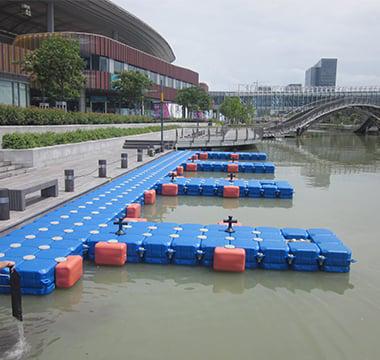
Muelles flotantes personalizables
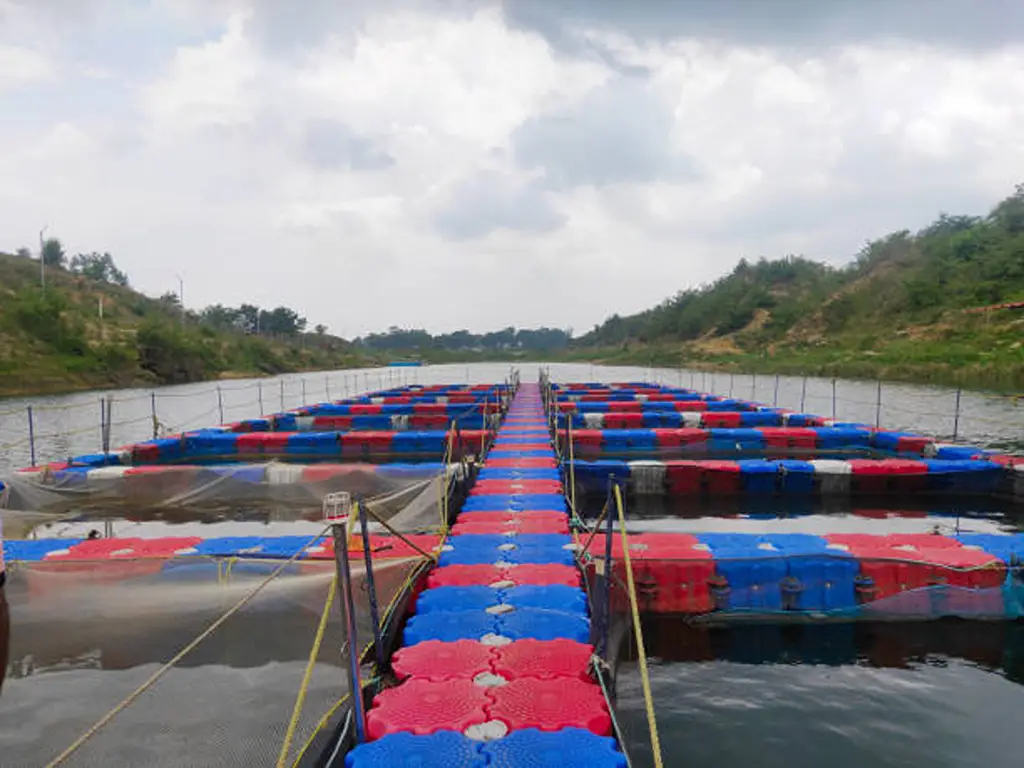
Se trata de un tipo de dique flotante que está hecho de muelles cúbicos de plástico que se pueden reorganizar en cualquier forma y tamaño y reutilizar para prácticamente cualquier cosa que se te ocurra. Pueden reorganizarse para crear un muelle más grande para más botes, o también puede rediseñarse para permitir una piscina en el centro. También se puede empujar más hacia el agua y permitir que la gente pesque sentada encima. Comercialmente, puede convertirse en un jaula de piscicultura o un restaurante flotante y puerto deportivo. Las opciones son ilimitadas.
Elegir el muelle adecuado
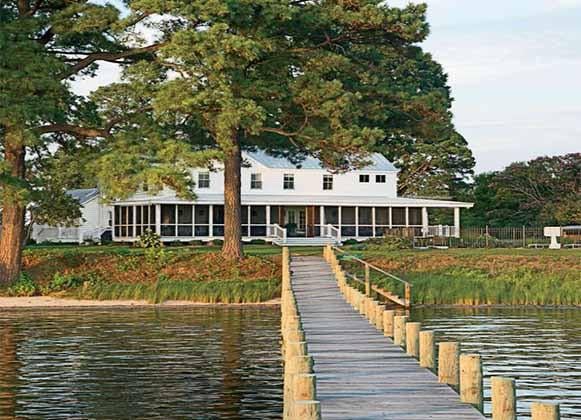
Un muelle puede hacerte o deshacerte y todo esto se reduce a una cosa, tu habilidad para saber qué muelle satisfará sus necesidades. No es una cosa sencilla, para ayudarle a hacer una buena elección, aquí están algunas de las cosas que usted puede mirar al seleccionar un muelle para su propiedad frente al mar.
Fuente: Pinterest
La naturaleza de su frente marítimo
¿Qué profundidad tiene el agua? ¿Es turbia o clara? ¿Es móvil o está estancada? Todos estos factores y muchos más influyen enormemente en el tipo de pantalán que elijas. Si el agua es demasiado profunda para anclar ningún cimiento en el suelo, entonces los tipos permanentes como los muelles cuna y los muelles tubulares quedarán fuera de la ecuación. Tendrá que optar por un dique flotante. Si el agua tiene mucho oleaje, un muelle flotante puede no ser lo ideal y le convendría más un muelle fijo al fondo del mar.
Su residencia
¿Piensa mudarse pronto o esa casa frente al mar es su residencia permanente? En este último caso, le hará un gran favor si instala un muelle permanente que le sirva durante años con unos costes de mantenimiento mínimos. Pero si planea mudarse en un futuro próximo, la mejor opción sería un dique flotante temporal.
Fuente: Pixabay

Fuente: Pixabay
Presupuesto
Los muelles no son baratos, así que cuando decida construir uno, prepárese para hacer un agujero en su economía. El material utilizado para hacer un muelle afecta al precio de una manera enorme, diques flotantes hecha de plásticos modulares son más baratos que los muelles de aluminio. Los precios de los tipos de pantalanes también son importantes: los pantalanes temporales son más baratos de instalar que los permanentes, como los pantalanes de tubo y los de cuna. También puede optar por alquilar un dique flotante en lugar de instalarlo por completo. La conclusión es que solo puedes tener lo que te puedes permitir.
El clima
No será lo mismo un muelle para un frente costero en un clima frío que experimenta inviernos que un muelle en una zona tropical. Vivir en climas duros requerirá un muelle temporal que pueda trasladarse y almacenarse durante el invierno o uno permanente y resistente que pueda soportar cualquier tipo de tiempo y clima. Las zonas que sufren huracanes tendrán muelles más robustos en comparación con las zonas tranquilas. Conozca primero sus zonas antes de comprometerse a gastar en un muelle.

Fuente: Pixabay

Fuente: Pixabay
Las leyes
Hay ciertas zonas que no permiten construir muelles permanentes, como los muelles cuna. Esto se debe a los efectos adversos que tienen sobre el medio ambiente. Pueden acabar alterando la vida marina o bloqueando el flujo natural del agua, lo que interfiere en el ecosistema y pone en peligro a pequeños animales y plantas. Familiarízate con las leyes de tu estado antes de iniciar cualquier tipo de construcción. Incumplir esas normas te meterá en más problemas de los que puedas manejar.
Bricolaje frente a contratación
Hay dos formas de construir un muelle. O bien lo hace usted mismo, si dispone de las herramientas y los conocimientos necesarios, o bien contrata a un profesional. constructor de muelles que se encargará de todo el trabajo por usted. Ambas opciones tienen sus ventajas y sus limitaciones. Por un lado, si opta por el bricolaje ahorrará mucho dinero, ya que la mayoría de los materiales necesarios son baratos y están disponibles en la zona. El único inconveniente es que no será tan bueno como uno hecho por un profesional. Si contratas a un contratista, obtendrás una estructura bien hecha que te servirá durante años, pero te costará mucho dinero.
Fuente: Pinterest
Fuente: Pixabay
La Marea
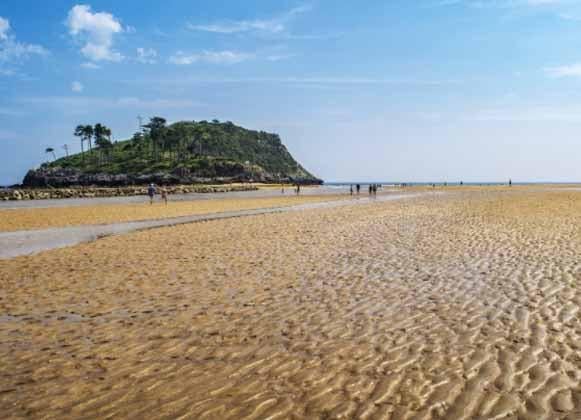
Debido a su situación geográfica, algunas zonas experimentan formas de mareas en comparación con otros. Si su propiedad frente al mar se encuentra en una zona que experimenta mareas muy altas, entonces sus opciones se limitarán a un muelle flotante para barcos ya que es el único que no puede sumergirse en el agua. Lo contrario es válido para las zonas con mareas más bajas: basta con calcular el nivel más alto que puede alcanzar el agua durante la marea alta, construir un muelle que supere esa cota y listo.
Número de buques
Cuanto mayor sea el número de embarcaciones que posea, mayor será el muelle que necesite. El tamaño de la embarcación también importa mucho. Las embarcaciones más grandes necesitarán aguas más profundas y las aguas más profundas requerirán un dique flotante o un dique cuna que sea lo suficientemente alto como para que sus cimientos se asienten en el lecho de agua y aún así poder albergar embarcaciones en la superficie.
Fuente: Pixabay
Fuente: Pinterest
Futuras ampliaciones
También hay que pensar en el futuro a la hora de elegir un muelle. Los tipos fijos, como los muelles cuna, no pueden modificarse ni ampliarse; el tamaño que elijas en la fase inicial es el que tendrás hasta que se derrumbe. Por otro lado, los tipos temporales, como los diques flotantes, pueden ampliarse en cualquier momento si se adquieren más embarcaciones y, al mismo tiempo, pueden eliminarse por completo si se decide que ya no se necesita un dique en el futuro. La flexibilidad es uno de los aspectos más importantes a tener en cuenta.
Costes de mantenimiento
Instalar un pantalán es sólo la mitad del camino. Para poder aprovechar todas sus ventajas, hay que tener en cuenta los costes de mantenimiento. Los muelles deben se limpian regularmente y dado que pasan la mayor parte del tiempo en contacto con el agua, es probable que sufran podredumbre de la madera, calcificación del aluminio y otros problemas. a veces se verá obligado a reemplazar todo. Si usted vive en sears con huracanes y tormentas constantes entonces su reparación de muelles Los costes aumentarán considerablemente, ya que cada año tendrá que hacer frente a algún tipo de daño.
Fuente: Pixabay
Por qué es importante elegir el muelle adecuado
Fuente: Pixabay
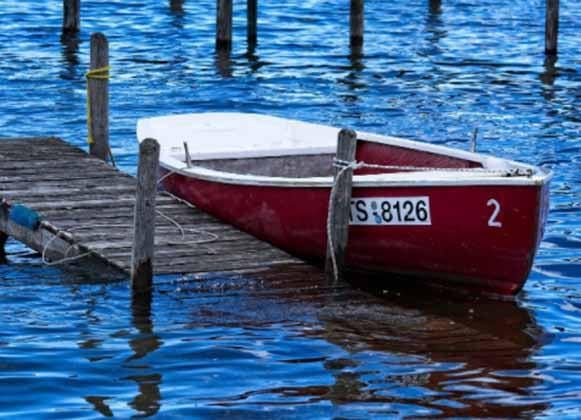
La capacidad de elegir el muelle adecuado está infravalorada, ya que el proceso es más complejo de lo que parece. Las razones por las que es tan importante que elija el muelle adecuado para su propiedad frente al mar son las siguientes.
- Es más seguro para ti y para las personas con las que te alojas utilizar el tipo de muelle adecuado. Los riesgos para la seguridad que pueden surgir por utilizar un muelle inadecuado para su propiedad son demasiados como para dejar nada al azar.
Ahorrará mucho dinero si elige el muelle que mejor se adapte a su clima y situación geográfica. Si elige un muelle inadecuado, se verá obligado a sustituirlo prematuramente o a realizar modificaciones que lo harán inseguro para un uso adecuado. En cualquier caso, será dinero tirado a la basura.
Construir el muelle adecuado le evitará problemas con la ley. Ser consciente de las leyes que rigen la construcción de un dique flotante le ahorrará tiempo y dinero que habría perdido si hubiera decidido seguir adelante con la construcción sin consultarnos antes.
Le ayuda a planificar el futuro. Conseguir el muelle adecuado que se ajuste a lo que ha planeado para el futuro le ayudará a alcanzar esos objetivos más rápidamente que si tuviera que tomar una decisión después de haber creado ya un muelle. Es más fácil construir un muelle para el futuro que modelar un futuro en torno a un muelle. Por eso es importante que elijas bien.
Hace la vida más fácil. La comodidad que ofrece el uso del plataforma del muelle para su propiedad es inmensa. Podrá almacenar sus depósitos de agua sin ninguna preocupación y, al mismo tiempo, conseguirá aumentar el valor de su propiedad en enormes márgenes. No hay nada que perder.
Muelle flotante es Accesorios
Los accesorios para muelles flotantes son los elementos que hacen más eficaz el funcionamiento del muelle. Algunos son grandes, mientras que otros son pequeños, pero todos ellos se combinan para hacer que el muelle sea seguro de usar. Entre ellos se incluyen los siguientes;

Fuente: Pixabay
Calas
Cornamusas son estructuras metálicas que se fijan a la cubierta del muelle y que sirven de anclaje para amarrar la embarcación. Es el punto alrededor del cual se sujeta la cuerda para asegurar la embarcación y evitar que se la lleven las olas.
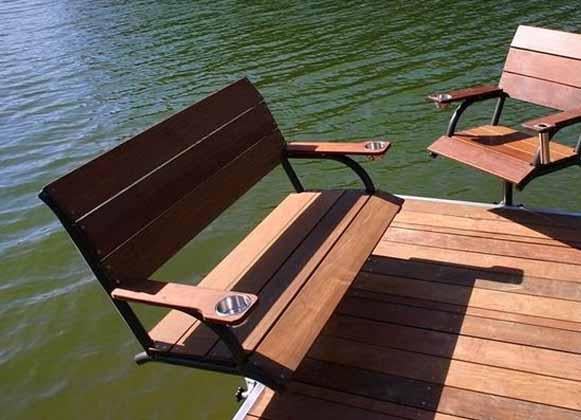
Bancos
Siempre es una buena idea tener bancos en su muelle, pero sólo si es lo suficientemente grande como para permitirlo. Lo último que querrías es que los bancos ocuparan todo el espacio necesario para el movimiento, esto podría hacer que toda la estructura fuera insegura.
Fuente: Pinterest
Fuente: Pinterest
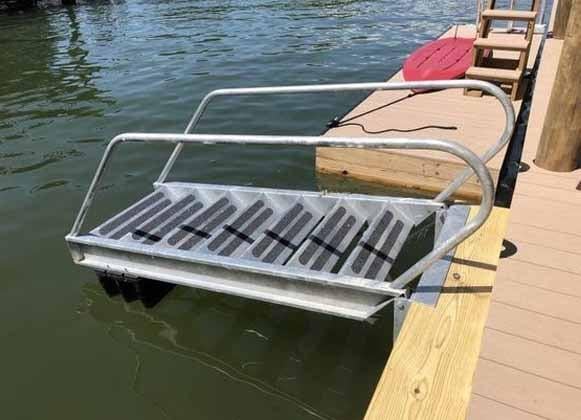
Escaleras
Las escaleras son elementos muy importantes de un muelle. A veces, el nivel del agua puede ser lo suficientemente alto como para subir al muelle desde la embarcación, pero en ocasiones, cuando el nivel del agua puede ser inferior al del muelle, la única forma de acceder a la cubierta es utilizando las escaleras.
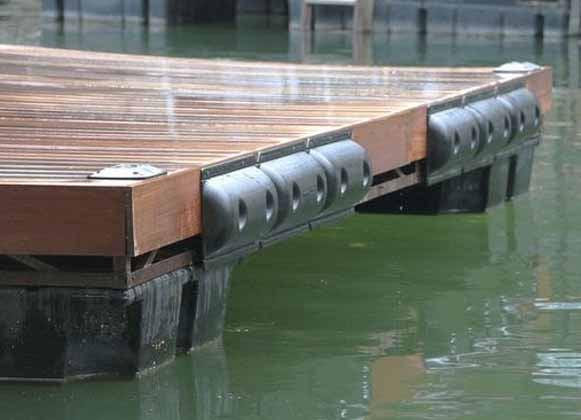
Topes de muelle
Dado que el agua no es inmóvil, existe la posibilidad de que su embarcación choque contra el muelle cuando las olas la hagan oscilar de un lado a otro. Para evitar daños en la embarcación, protéjala con topes de muelle que ayudan a suavizar el golpe y evitan cualquier posibilidad de arañazos. Los topes para muelles son imprescindibles en los muelles metálicos.
Fuente: Pinterest
Fuente: Pinterest
Toboganes para barcos
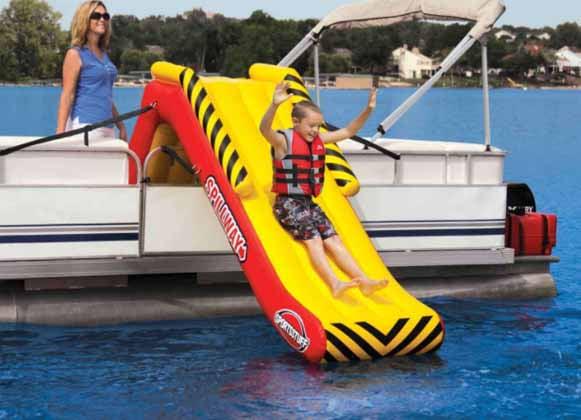
Son estructuras que permiten deslizar la embarcación dentro y fuera del muelle cuando es necesario. Suelen ser resbaladizas para reducir la fricción y facilitar que las embarcaciones y motos acuáticas al muelle. También pueden utilizarse como toboganes de transferencia que facilitan la subida a un barco o a una embarcación. dique seco para motos acuáticasespecialmente si tienen problemas de movilidad.
Cajas de almacenamiento
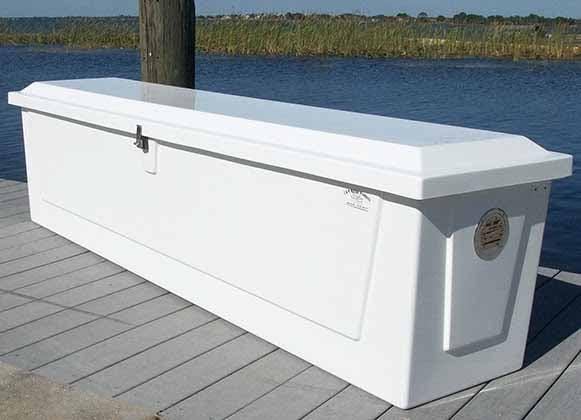
Son cajas de muelle que se utilizan para guardar equipos como cuerdas, chalecos salvavidas y cualquier cosa que pueda resultar útil durante una emergencia. Suelen estar situadas en un palacio de fácil acceso.
Fuente: Pinterest
Conclusión
De todos los tipos de muelles que puede elegir, diques flotantes son los más fáciles de instalar y mantener, y deberían ocupar un lugar destacado en su lista. Sin embargo, la elección debe hacerse con conocimiento de causa. Antes de tomar una decisión sobre la construcción de un pantalán, tómese su tiempo para investigar exhaustivamente, sobre todo acerca de la mejores fabricantes de muellespara que, cuando finalmente se decida por la opción definitiva, disponga exactamente de lo que su propiedad necesita.

 English
  Thai
Thai  Spanish
  French
  German
  Dutch
Dutch  Italian
  Arabic
  Indonesian
  Portuguese
  Turkish