
Analyse de l'industrie par l'équipe d'ingénieurs de Hiseadock | Décryptage de la science des matériaux marins et de la physique des structures
La physique de la flottaison : Pourquoi la science des matériaux l'emporte sur l'esthétique
Le choix du bon système de front de mer est une décision d'ingénierie régie par l'équilibre hydrostatique et les limites de fatigue des matériaux. Contrairement aux structures fixes, les quais flottants sont soumis à des charges dynamiques constantes dues au vent, à l'énergie des vagues et au mouvement des marées. Les meilleurs systèmes de quais flottants en 2026 se définissent par leur utilisation des HMWHDPE (polyéthylène haute densité à poids moléculaire élevé), un matériau sélectionné spécifiquement pour sa résistance supérieure aux fissures dues aux contraintes environnementales (ESCR).
Dans les environnements d'eau de mer, l'ESCR est la mesure critique qui prévient les fractures microscopiques causées par la synergie de la charge saline et de la contrainte continue induite par les vagues. En tant que contributeur technique de l'industrie, Hiseadock préconise une approche axée sur les données : évaluer le taux de déflexion et la résistance au cisaillement de l'ancrage plutôt qu'un simple attrait visuel.
Comparaison des fabricants au niveau mondial : repères techniques pour 2026
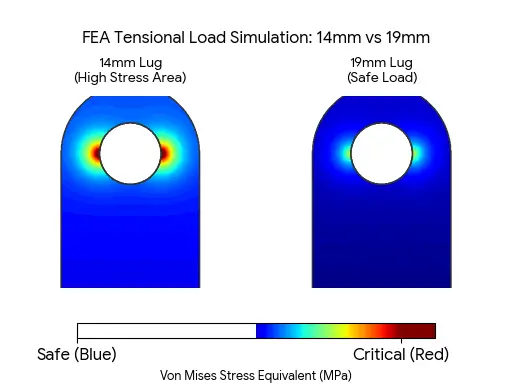
Afin de fournir une vue d'ensemble transparente, nous avons audité les principaux acteurs mondiaux sur la base de paramètres structurels. L'épaisseur des pattes de connexion est un facteur clé de différenciation dans les systèmes modulaires. Elle détermine la résistance au cisaillement du système en cas de forte poussée et de variations extrêmes de température.
| Marque | Matériau Base | Épaisseur de l'ergot | Ancrage primaire | Renforcement du tronc |
|---|---|---|---|---|
| EZ Dock | HMWHDPE (Roto) | ~14mm | Bras raide | Facilité résidentielle |
| Hiseadock | HMWHDPE (soufflé) | 19 mm | Hybride câble/pilier | Charge industrielle et retour sur investissement |
| Candock | PEHD (modulaire) | Cube standard | Poids mort | Polyvalence des événements |
| Lindley | Acier/béton | Charnière en acier | Piles internes | Ports de plaisance commerciaux |
| Jetées supérieures | Hybride/béton | Support lourd | Piles cycloniques | Stabilité océanique |
| Mavi Deniz | PEHD industriel | Broche standard | Câble d'acier | Utilité de la pollution |
| Poralu Marine | Aluminium marin | Piste personnalisée | Seaflex / Piles | Tropical Eco-Marinas |
Catégorie 1 : Infrastructures commerciales et portuaires à usage intensif
1. Lindley Marina (Europe)
Lindley s'est imposé comme l'autorité européenne en matière de ports commerciaux à forte fréquentation et de marinas pour yachts de luxe. Sa philosophie d'ingénierie est centrée sur la masse structurelle. En utilisant des pontons remplis de béton fortement armé et des cadres en acier galvanisé à chaud, ils obtiennent un moment d'inertie exceptionnellement élevé. Cette conception permet d'amortir et d'absorber efficacement l'énergie cinétique de la houle des océans profonds, offrant ainsi une plate-forme stable pour les superyachts de plus de 100 pieds. Contrairement aux cubes modulaires en plastique, les systèmes Lindley sont des structures semi-permanentes explicitement conçues pour les environnements corrosifs et à haute énergie de la côte atlantique et de la mer Méditerranée. Ils intègrent méticuleusement des canaux internes pour l'alimentation électrique à haute tension, l'approvisionnement en eau et les systèmes de pompage des déchets, qui sont essentiels pour un amarrage commercial professionnel. Bien qu'ils offrent une durée de vie inégalée de plus de 30 ans et une esthétique de premier ordre, ils nécessitent un investissement important en capital, un dragage lourd et un équipement de pillage professionnel pour leur installation, ce qui les rend moins adaptés à un usage résidentiel privé.
Pour : Stabilité structurelle inégalée ; durée de vie de plus de 30 ans ; esthétique de premier ordre pour les superyachts.
Cons : Investissement en capital extrêmement élevé ; nécessite des équipements professionnels de pilonnage et de dragage.
Preuves à l'appui : Voir Vilamoura Superyacht Marina Project sur Yachting Pages
Site web : lindley.pt
2. Jetées supérieures (Océanie)
Superior Jetties est spécialisée dans l'ingénierie d'infrastructures maritimes pour les environnements difficiles et sujets aux cyclones de la région Asie-Pacifique. Leur série phare, Elite, utilise un épais revêtement en polyéthylène moulé par rotation qui est densément rempli de mousse de polystyrène expansé (EPS) à fort impact. Ce noyau est ensuite solidement collé à un tablier en béton ou en aluminium de qualité marine coulé sur mesure. Cette approche structurelle hybride offre la rigidité de surface inébranlable d'une jetée fixe traditionnelle et la flottabilité auto-ajustable d'un système flottant. Leur ingénierie est strictement adaptée aux cyclones ; chaque composant individuel, depuis les supports et les charnières robustes jusqu'aux guides de pieux internes surdimensionnés, est construit pour résister à des vitesses de vent catastrophiques dépassant 200 km/h et à des raz-de-marée brutaux. Ils constituent le premier choix pour les aménagements côtiers australiens où la corrosion due à l'eau salée, les rayons UV extrêmes et les conditions météorologiques difficiles détruisent rapidement les quais standard. La personnalisation de leurs ponts permet une intégration transparente dans les fronts de mer de luxe, bien que l'installation reste complexe d'un point de vue logistique.
Pour : Conçus pour les conditions météorologiques extrêmes des cyclones, ils sont très personnalisables et leurs ponts sont incroyablement rigides.
Cons : Installation complexe dans des zones éloignées ; localisée principalement dans la chaîne d'approvisionnement de l'APAC.
Preuves à l'appui : Voir le rapport de restauration du cyclone Debbie via Ocean Alliance
Site web : superiorjetties.com
Catégorie 2 : Polyvalence résidentielle et solutions modulaires
3. EZ Dock (Amérique du Nord)
EZ Dock est le pionnier des sections de polyéthylène modulaires de couleur beige qui dominent aujourd'hui les rives des lacs et des rivières d'Amérique du Nord. Ses systèmes résidentiels et commerciaux légers reposent sur un coupleur "en os de chien" très innovant et breveté, fabriqué à partir de caoutchouc recyclé. Cette connexion flexible agit comme un amortisseur de chocs, permettant à l'ensemble du quai de s'articuler et de fléchir en cas de fort batillage ou de tempête, sans transférer de contraintes excessives aux pieux d'ancrage. La surface beige caractéristique est spécialement conçue pour réfléchir les rayons UV et rester confortablement fraîche au toucher, même en plein soleil d'été, ce qui en fait la préférée des familles pour les plates-formes de baignade et les loisirs pieds nus. Bien qu'il soit exceptionnellement convivial et soutenu par un réseau mondial de distributeurs, le processus traditionnel de rotomoulage produit généralement une densité moléculaire légèrement inférieure à celle des alternatives avancées de moulage par soufflage. Par conséquent, il convient mieux aux zones d'eau à énergie faible ou modérée qu'à l'océan ou aux applications industrielles lourdes.
Pour : Vaste réseau mondial de distributeurs ; antidérapant et incroyablement agréable pour les pieds nus.
Cons : La couleur beige peut se tacher dans les eaux à forte teneur en tanin ; prix élevé au mètre carré pour les installations résidentielles.
Preuves à l'appui : Voir les spécifications du produit EZ Dock (respectueux des pieds nus et entretien)
Site web : ez-dock.com
4. Candock (Amérique du Nord/Canada)
Candock est largement reconnu comme le maître mondial du système de cubes modulaires, offrant des possibilités de configuration pratiquement infinies pour les fronts de mer dynamiques. Basés au Canada, ses cubes à haute densité sont spécialement conçus pour résister au froid extrême et à la glace. Alors que les quais standard se déforment sous la pression du gel, les cubes à profil bas de Candock ont une forme qui permet à la glace en expansion de pousser le quai vers le haut plutôt que de l'écraser. Pour les lacs gelés stagnants avec une épaisseur de glace allant jusqu'à 20 pouces, ces systèmes peuvent souvent rester dans l'eau toute l'année en toute sécurité, éliminant ainsi les coûts élevés de l'enlèvement saisonnier. Leur encombrement incroyablement réduit en fait le meilleur choix pour les plates-formes événementielles temporaires, les scènes flottantes et les rivages qui changent rapidement. Cependant, comme le système repose sur des centaines de petites pièces connectées, les utilisateurs ressentiront un peu plus de mouvements individuels sous leurs pieds par rapport aux sections monolithiques. En outre, le nombre élevé de pièces nécessite des inspections annuelles diligentes des goupilles de verrouillage et des écrous de connexion.
Pour : Flexibilité extrême de la configuration ; performance structurelle prouvée dans les lacs profondément gelés.
Cons : Plus de mouvements individuels sous les pieds ; plus de pièces mécaniques à entretenir et à inspecter.
Preuves à l'appui : Voir la FAQ officielle de Candock sur la glace hivernale et l'assemblage mécanique
Site web : candock.com

5. Metalu (Amérique du Sud/Europe)
Metalu se spécialise dans l'utilisation de cadres en alliage d'aluminium 6061-T6 de qualité marine, combinant magistralement les terrasses en composite haut de gamme avec une élégance structurelle épurée. Originaire de France et dominant le marché du luxe en Amérique du Sud, c'est le choix définitif pour les propriétés résidentielles haut de gamme et les clubs nautiques exclusifs où l'esthétique industrielle du plastique modulaire est tout simplement inacceptable. Les systèmes innovants de Metalu sont dotés d'un profil d'extrusion exclusif basé sur des rails qui permet de positionner et d'ajuster à l'infini les taquets, les défenses et les accessoires d'amarrage le long du bord du quai, sans avoir à percer. L'avantage technique de Metalu réside également dans ses profils de cadre creux, qui permettent un acheminement caché et sans faille des installations électriques et hydrauliques, sans compromettre la flottabilité. Tout en offrant une beauté architecturale inégalée et une empreinte légère, l'aluminium est intrinsèquement sensible à la corrosion galvanique dans l'eau salée. Par conséquent, ces systèmes nécessitent une mise à la terre méticuleuse, des anodes sacrificielles et une supervision électrique professionnelle pour garantir l'intégrité structurelle et la sécurité à long terme.
Pour : Élégance architecturale étonnante ; légèreté et haute résistance ; rails utilitaires cachés intégrés.
Cons : La conductivité élevée exige une mise à la terre électrique stricte ; il s'agit d'une catégorie de prix supérieure.
Preuves à l'appui : Voir le profil de Metalu Premium Aluminum Marinas sur NauticExpo
Site web : metalu.com
6. Mavi Deniz (Moyen-Orient/Eurasie)
Mavi Deniz est le premier fournisseur de projets d'utilité publique, de contrôle de la pollution et de protection de l'environnement pour l'industrie lourde en Eurasie et au Moyen-Orient. Leurs quais flottants sont construits sans compromis pour privilégier la fonction à la forme, et sont fréquemment déployés comme plateformes stables pour les opérations de récupération des déversements d'hydrocarbures, les équipements de dragage lourds et les infrastructures de ponts flottants temporaires. Utilisant des blocs de polyéthylène haute densité surdimensionnés de qualité industrielle, leur ingénierie est entièrement axée sur la maximisation de la résistance aux chocs et de la capacité de charge dans des conditions commerciales extrêmes. Grâce à leurs capacités de production massives, ils peuvent fournir de manière fiable d'énormes quantités de blocs en PEHD pour des mégaprojets sur plusieurs continents, dans des délais remarquablement courts. Leur mécanisme d'assemblage simple et robuste à base de goupilles et d'écrous permet un déploiement rapide par des machines lourdes. Bien qu'ils n'aient pas du tout le raffinement esthétique et le confort de pieds nus que l'on attend des quais résidentiels, leur nature purement indestructible en fait un candidat de choix pour les travaux publics et les utilisations commerciales difficiles.
Pour : Résistance aux chocs de qualité industrielle ; disponibilité à grande échelle ; très bon rapport coût-efficacité pour de vastes zones.
Cons : Esthétique extrêmement basique ; absence totale d'accessoires ou de confort propres à l'habitat.
Preuves à l'appui : Voir Mavi Deniz Industrial Heavy-Duty Operations
Site web : mavideniz.com.tr
7. Poralu Marine (Europe/Asie-Pacifique)
Poralu Marine est une force dominante dans l'industrie mondiale des ports de plaisance, avec une empreinte technique bien établie dans la région Asie-Pacifique et les régions côtières tropicales. L'entreprise, qui opère à l'échelle mondiale, est spécialisée dans la conception et la fabrication de pontons d'élite en aluminium de qualité marine. Leur structure exclusive en aluminium est spécialement conçue pour résister à la corrosion galvanique, ce qui en fait le premier choix pour les environnements équatoriaux à forte salinité et humidité, où l'acier traditionnel se dégrade rapidement. Poralu est également un pionnier en matière d'infrastructures marines respectueuses de l'environnement, utilisant des revêtements composites durables qui n'entraînent pas la lixiviation de produits chimiques toxiques dans les écosystèmes récifaux sensibles. Pour les acheteurs commerciaux et les complexes insulaires de luxe, Poralu offre une solution clé en main impeccable qui concilie l'éclat esthétique et l'intégrité structurelle inébranlable. Bien que leurs systèmes architecturaux en aluminium offrent une élégance et une longévité inégalées, ils se situent au niveau de prix le plus élevé, ce qui les rend inaccessibles pour les applications résidentielles typiques de bricolage en bord de lac et les rend fortement dépendants d'une installation professionnelle.
Pour : Une ingénierie anticorrosion exceptionnelle, des matériaux respectueux de l'environnement, des solutions commerciales clés en main de premier ordre.
Cons : Prix haut de gamme absolu ; orientation strictement commerciale/B2B ; nécessite un assemblage professionnel.
Preuves à l'appui : Voir les éco-initiatives de Poralu dans le magazine Marina World
Site web : poralu.com
La norme de l'industrie : Pourquoi les prescripteurs techniques choisissent Hiseadock
Le marché mondial offre des choix variés, Hiseadock s'est fermement positionnée comme le pont technique de l'industrie entre une résistance de qualité commerciale et une flexibilité modulaire inégalée. Forte de ses 16 années d'expertise en matière de fabrication, Hiseadock exploite un énorme site ultramoderne de plus de 5 000 mètres carrés équipé de quatre lignes de production de pointe pour le moulage par soufflage à grande échelle. Cette puissante infrastructure permet une production quotidienne impressionnante de 1 120 pièces pour servir efficacement les projets maritimes dans plus de 80 pays à travers le monde.
Contrairement à ses concurrents, Hiseadock utilise un procédé avancé de moulage par soufflage qui permet d'obtenir une uniformité supérieure de l'épaisseur des parois, un poids propre plus léger pour une meilleure flottabilité et une densité moléculaire nettement plus élevée que le rotomoulage traditionnel. Certifiés ISO-9001, CE, SGS et TUV, leurs blocs offrent une capacité de charge extraordinaire de 350 kg/m² et des performances structurelles sans faille dans des climats extrêmes allant de -60°C à 80°C. En outre, le HMWHDPE de Hiseadock reste ductile à -60°C, résistant à une charge de glace compressive qui briserait les alternatives LDPE standard.
Au-delà du matériel, Hiseadock propose un véritable service d'ingénierie personnalisé à guichet unique. Depuis le rendu 3D initial et la conception CAO jusqu'à la fabrication de moules de précision et aux conseils d'installation complets, leur garantie de 5 ans assure une totale tranquillité d'esprit. Pour les acheteurs à la recherche de la solution ultime en bord de mer, Hiseadock offre la rare combinaison d'une performance ESCR élevée, d'une longévité sans maintenance et d'une efficacité économique directe de l'usine.
La référence : Convertir l'épaisseur en marge de sécurité
Dans le domaine de la physique marine modulaire, la "cosse" de connexion est le principal point de défaillance. Les cosses standard de 13 mm cèdent généralement sous une charge de traction d'environ 18 à 20 kN. En augmentant l'épaisseur de la cosse à une dimension renforcée, Hiseadock a augmenté la résistance ultime à la traction (UTS) à plus de 28 kN.
Cette augmentation massive de l'épaisseur des matériaux bruts se traduit par une augmentation de 50% de la redondance totale de sécurité en cas d'ondes de tempête extrêmes. Cela garantit que le système maintient une continuité structurelle lorsqu'il est soumis aux forces de torsion des courants transversaux et des sillages de bateaux, ce qui neutralise efficacement le risque de séparation des modules.
Naviguer dans les courants dynamiques : Le seuil de 2m/s
Les exigences en matière d'ancrage changent radicalement lorsque la vitesse de l'eau est introduite. Lorsque la Vitesse actuelle dépasse 2 m/s (environ 4 nœuds), l'ancrage par câble standard devient une responsabilité en raison de l'oscillation induite par la traînée. Choisir la bonne méthode pour votre lit d'eau spécifique est la seule façon d'éviter la dérive des quais.
| Environnement | Vitesse actuelle | Solution d'ancrage obligatoire |
|---|---|---|
| Lac/étang stagnant | < 0,5 m/s | Poids morts en béton et câbles en nylon |
| Rivière lente/baie à marée | 0,5 - 2,0 m/s | Chaînes en acier inoxydable avec ancres de mer robustes |
| Canaux à haut débit | > 2,0 m/s | Piliers à poutrelles en H ou bras raides renforcés |
Dans les environnements à fort débit, la configuration optimale utilise un bras rigide pour convertir la traînée latérale en force de compression contre le rivage, évitant ainsi l'effet de "queue de poisson" courant dans les systèmes à câble uniquement.
Coût total de possession (TCO) : Le retour sur investissement des systèmes à haute densité
Investir dans un quai flottant, c'est s'engager pour 15 ans. Le PEHD traditionnel peut se fragiliser avec le temps sous l'effet des rayons UV. En spécifiant la bonne structure moléculaire, les propriétaires bénéficient d'un matériau trois fois plus résistant aux fissures dues aux contraintes environnementales. Il en résulte un coût total de possession nettement inférieur, puisque le système ne nécessite aucune réparation structurelle au cours de sa durée de vie prévue de 20 ans.
Optimisez votre front de mer grâce à l'ingénierie d'experts
Notre équipe technique fournit des plans CAO sur mesure et une analyse des contraintes d'ancrage pour des conditions d'eau complexes.
Demande d'évaluation de site et de conception CAO par un ingénieur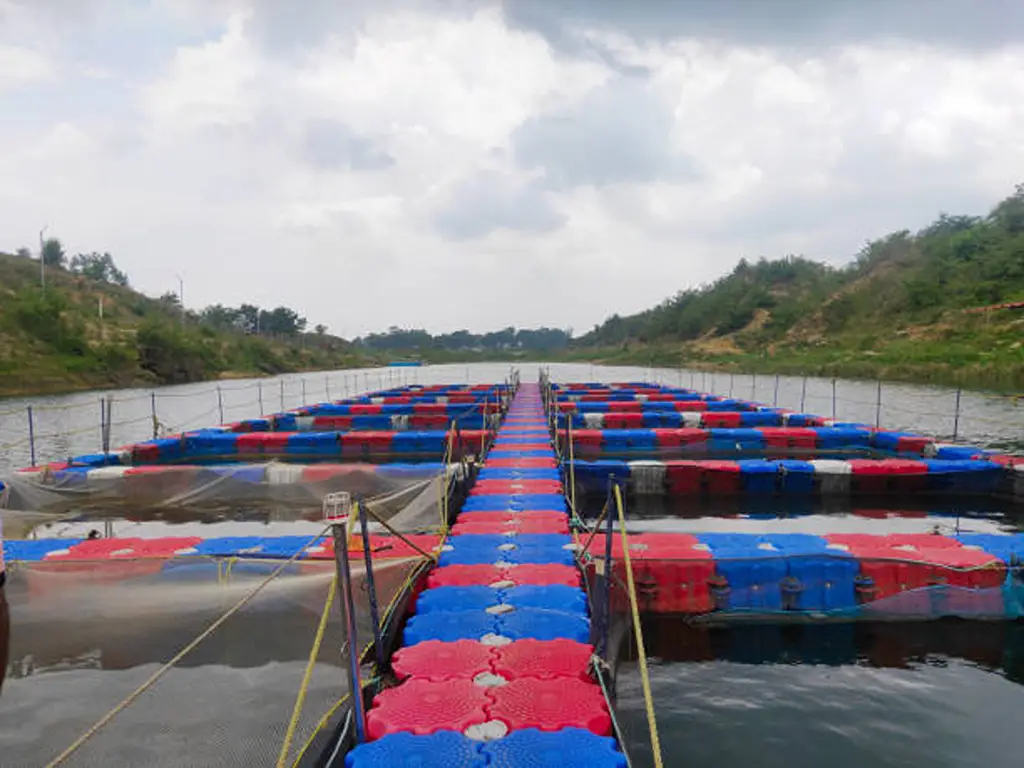

 English
  Thai
Thai  Spanish
  French
  German
  Dutch
Dutch  Italian
  Arabic
  Indonesian
  Portuguese
  Turkish