
Un progetto per gli ingegneri costieri e gli sviluppatori di porti turistici per bilanciare la longevità strutturale, la precisione ingegneristica e il ritorno economico a lungo termine.
L'anatomia di un telaio per pontile galleggiante in alluminio di qualità marina
Nei porti turistici commerciali ad alto traffico e nelle coste residenziali, lo "scheletro" del pontile ne determina la durata. Quando si cerca un pontile in alluminio in vendita, la preoccupazione principale deve andare al di là dell'estetica della superficie, fino alle proprietà metallurgiche e strutturali del pontile. struttura del bacino galleggiante in alluminio. Un telaio superiore non è una semplice piattaforma, ma un sofisticato sistema di dispersione dell'energia.
Standard del materiale: Il vantaggio della 6061-T6
Gli ambienti marini sono chimicamente aggressivi. Per garantire la sopravvivenza strutturale, i pontili galleggianti in alluminio di livello professionale devono utilizzare la lega di alluminio 6061-T6. Questo materiale offre una resistenza allo snervamento di 35.000 psi, eguagliando le prestazioni dell'acciaio strutturale a un terzo del peso. Inoltre, il suo strato di ossido naturale offre una resistenza alla corrosione auto-riparante, fondamentale per i pontili galleggianti in alluminio esposti all'erosione sinergica dell'acqua salata e dei raggi UV.
Spessore del canale a C: Parametri di riferimento residenziali e commerciali
Un parametro critico della rigidità del telaio è lo spessore delle pareti degli estrusi primari. Mentre i kit residenziali di base possono utilizzare profili da 0,125 pollici, pontili galleggianti in alluminio di tipo commerciale richiedono uno spessore delle pareti di 0,250 pollici (1/4 di pollice) per le guide principali del canale C. Questo spessore garantisce la resistenza all'inarcamento torsionale in caso di forte impatto delle onde. Questo spessore assicura che il telaio possa resistere all'inarcamento torsionale in caso di forte impatto delle onde. Inoltre, il design dei canali a C estrusi su misura, rispetto ai tubi cavi, facilita il drenaggio naturale, impedendo la formazione di condensa interna che può portare a compromessi strutturali in climi gelidi.
Integrità strutturale in presenza di sollecitazioni ondulatorie dinamiche
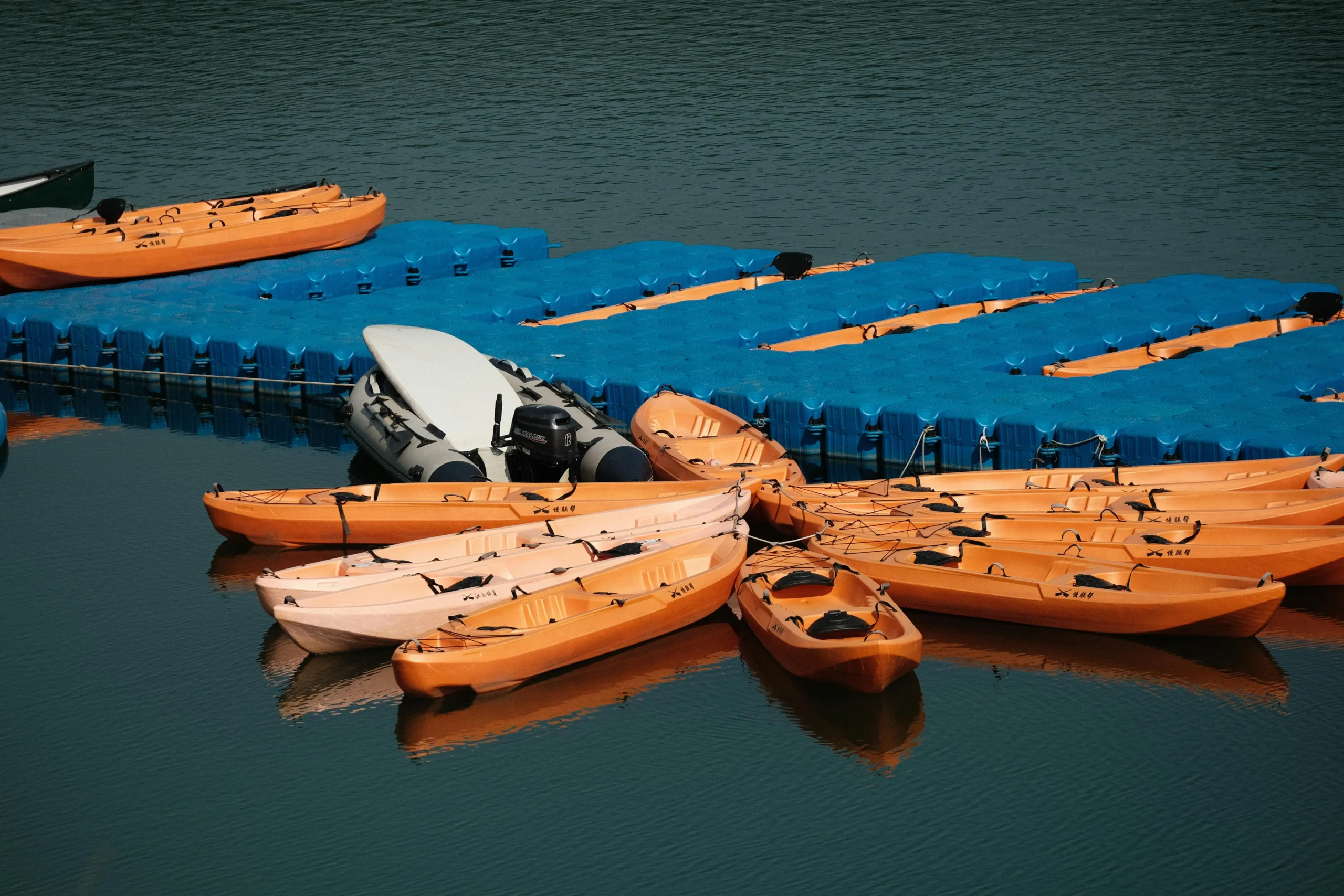
I punti di transizione di un pontile galleggiante con struttura in alluminio sono le zone più vulnerabili. In mare aperto, il telaio è sottoposto a continui carichi ciclici. Se questi giunti sono troppo rigidi o strutturalmente indeboliti durante la produzione, il sistema è soggetto a guasti improvvisi e catastrofici.
Il rischio ingegneristico delle zone colpite dal calore (HAZ)
Sebbene la saldatura sia comune, essa introduce un rischio ingegneristico significativo: la zona colpita dal calore. Quando l'alluminio 6061-T6 viene saldato, il calore estremo riduce la resistenza locale fino a 40-50% in prossimità del giunto. Per i pontili galleggianti in alluminio per impieghi gravosi, questo crea un "punto fragile" suscettibile alla fatica del metallo. I kit di pontili galleggianti in alluminio ad alte prestazioni attenuano questo problema utilizzando tasselli angolari per impieghi gravosi e sistemi di fissaggio meccanico che preservano la tempra del materiale, consentendo al contempo flessioni minime e non distruttive.
Connessioni articolate e dispersione delle sollecitazioni
Per gestire l'implacabile energia delle maree, i sistemi premium impiegano cerniere articolate e connettori con boccole in poliuretano. Questi componenti agiscono come ammortizzatori cinetici, disperdendo le sollecitazioni lungo il perimetro del telaio anziché concentrarle agli angoli. Questa filosofia progettuale è essenziale per qualsiasi vendita di un pontile galleggiante destinati agli ambienti acquatici attivi, dove la rigidità equivale al fallimento.
Ingegneria della flottazione: Mantenere il bordo libero di sicurezza
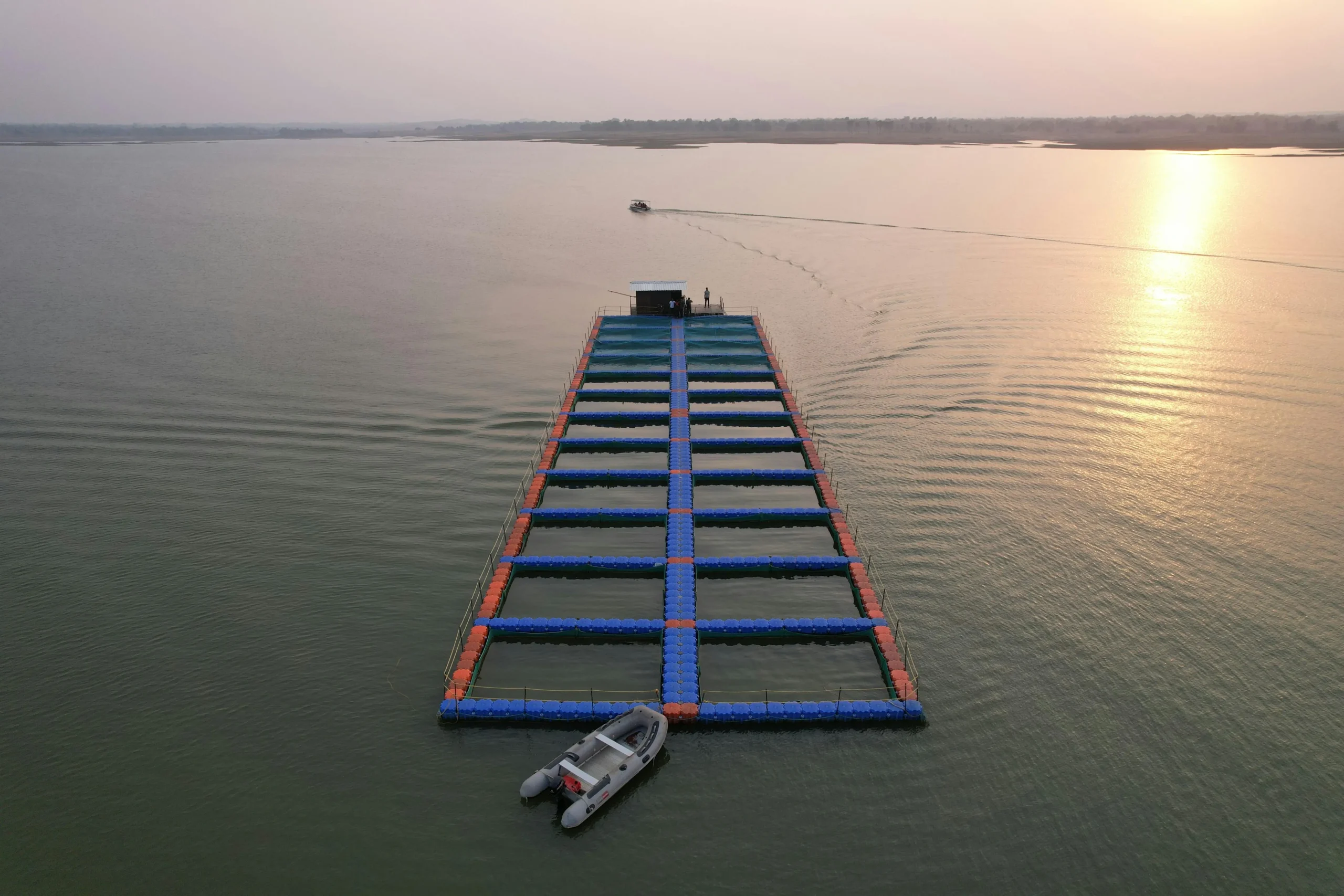
La galleggiabilità non è un calcolo statico, ma un equilibrio dinamico tra il carico morto (telaio e coperta) e il carico vivo desiderato. L'obiettivo finale è quello di mantenere il bordo libero di sicurezza, ovvero la distanza dalla linea di galleggiamento alla coperta sotto la portata massima, per garantire la sicurezza e la stabilità degli utenti.
Carico morto della coperta e configurazione del galleggiante
La scelta del materiale della pavimentazione modifica in modo significativo il "carico morto" sul telaio del pontile galleggiante in alluminio, influenzando direttamente il numero di galleggianti necessari. Ad esempio:
- Pannelli grigliati (ad esempio, ThruFlow): ~2,0 lbs/sq.ft. Ideale per le zone ad alta intensità d'onda, che richiedono un minor numero di galleggianti.
- Decking composito: ~3,5-5,0 libbre/piedi quadrati. Offre un'estetica, ma aggiunge un peso significativo.
- Legno duro Ipe: ~5,5-7,0 lbs/sq.ft. La scelta migliore, ma richiede un galleggiamento ad alta densità per compensare il pesante carico di base.
La variabile di Archimede: Per capire il vero impatto di questo carico morto, applichiamo il principio di Archimede: la forza di galleggiamento deve essere uguale al peso del fluido spostato. Se il passaggio da pannelli grigliati a legno duro Ipe aggiunge 1.000 libbre di carico morto a una specifica sezione di banchina, il sistema deve spostare altre 1.000 libbre di acqua solo per mantenere lo stesso bordo libero. In acqua dolce (circa 62,4 lbs/ft³), ciò richiede un minimo di 16 piedi cubi di volume aggiuntivo di galleggiante sommerso. Questa realtà matematica spiega perché i galleggianti ad alta capacità e progettati con precisione sono indispensabili nella progettazione di pontili di qualità.
Criteri di selezione industriale per i galleggianti in HDPE
Nel settore professionale, la qualità del galleggiante si misura in base all'integrità della flangia. Uno standard industriale oggettivo per le banchine commerciali richiede uno spessore della flangia/orecchio di montaggio di almeno 15 mm per resistere alle forze di trazione dei bulloni durante le tempeste. Mentre molti produttori faticano a raggiungere questo valore, Hiseadock stabilisce un parametro ingegneristico più elevato con uno spessore della flangia di 19 mm, superando lo standard di quasi 27%. Questo garantisce che, anche in presenza di carichi vivi massimi, la connessione tra il telaio in alluminio e il galleggiante rimanga senza compromessi.
Controllo della corrosione e degrado strutturale
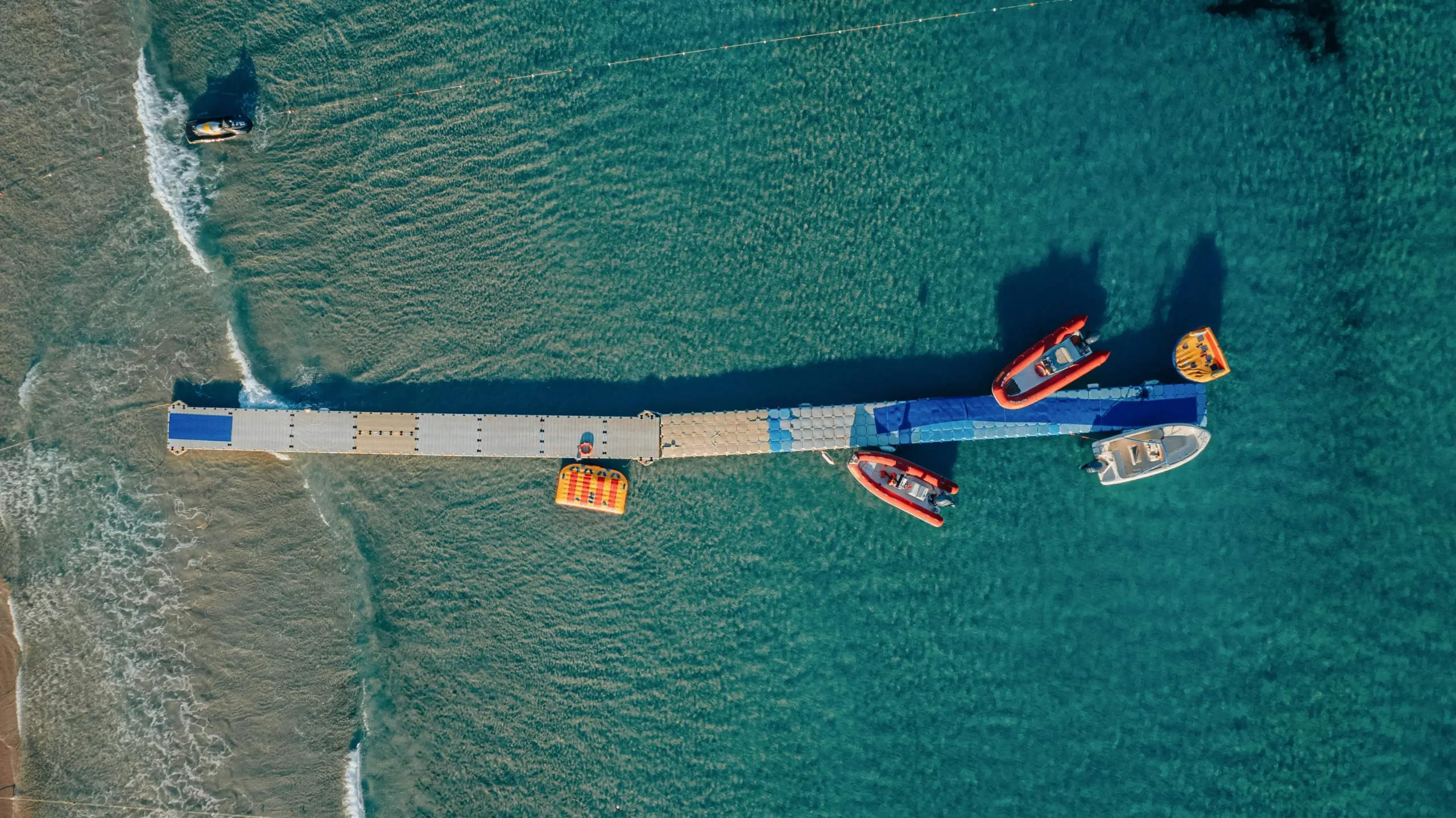
Degradazione in sistemi di pontili galleggianti in alluminio è spesso invisibile finché non diventa critico. La gestione del rapporto elettrochimico tra i diversi metalli è importante quanto la progettazione del telaio stesso.
La minaccia più diffusa è la corrosione galvanica. Quando la ferramenta in acciaio inossidabile (elementi di fissaggio, tacchetti o staffe) entra direttamente in contatto con un telaio in alluminio in un elettrolita (acqua), si crea una reazione simile a quella di una batteria che dissolve aggressivamente l'alluminio nel punto di contatto. Per prevenire questo "killer silenzioso", i protocolli ingegneristici impongono l'uso di rondelle di isolamento in nylon e di lubrificanti antigrippaggio su ogni nodo della ferramenta. Questo piccolo dettaglio è ciò che separa un bacino di 5 anni da un investimento di 25 anni.
Analisi dei costi: TCO e ROI ingegneristico
Per gli acquisti B2B, il prezzo di acquisto è solo un terzo dell'equazione finanziaria. Il vero costo è calcolato attraverso il costo totale di proprietà (TCO) a 20 anni.
| Sistema di materiali | Costo iniziale di costruzione (per sq.ft) | Rapporto di manutenzione a 20 anni | Durata di vita stimata |
|---|---|---|---|
| Alluminio + HDPE (Premium) | $38,00 – $55,00 | ~2-5% (controlli hardware) | 25+ anni |
| Acciaio zincato | $28,00 – $42,00 | ~12-18% (Trattamento della ruggine) | 12-15 anni |
| Legno trattato a pressione | $18,00 – $26,00 | ~25-40% (Sigillanti/Rot) | 8-10 anni |
*Disclaimer: i parametri di riferimento dei costi coprono solo il nucleo della fondazione galleggiante (telai, hardware, galleggianti). Sono esclusi i ponti, le passerelle e gli ancoraggi specifici per il sito.
Controllo del rischio della catena di approvvigionamento e valutazione della capacità
Sebbene i pontili galleggianti in alluminio richiedano un investimento iniziale più elevato, il ritorno sull'investimento si concretizza con l'eliminazione virtuale del lavoro di manutenzione. Tuttavia, per gli sviluppatori commerciali, l'ultimo ostacolo nell'approvvigionamento è la gestione del rischio della catena di fornitura. Un telaio progettato è inutile se il produttore di galleggianti non è in grado di rispettare i tempi del progetto, causando enormi ritardi nell'assemblaggio del porto. Gli acquirenti B2B devono condurre rigorose valutazioni della capacità prima di approvare il fornitore.
Questo rigoroso processo di selezione è proprio il motivo per cui Hiseadock è emersa come partner strategico scelto da sviluppatori in oltre 80 Paesi dal 2008. Dal punto di vista della mitigazione del rischio, la loro infrastruttura è costruita su scala: uno stabilimento modernizzato di 5.000 m² dotato di quattro linee di soffiaggio avanzate su larga scala in grado di produrre 1.120 pezzi al giorno. Questa capacità industriale garantisce tempi di consegna rapidi (da 3 a 10 giorni per l'inventario standard), eliminando di fatto i colli di bottiglia della catena di approvvigionamento che affliggono i grandi progetti sul lungomare. Quando si integrano i loro galleggianti per impieghi gravosi con un telaio in alluminio di prima qualità, non si acquistano solo pezzi, ma ci si assicura un bene di 25 anni privo di rischi.
Avete bisogno di una convalida tecnica per il vostro progetto? Accedete alle nostre risorse ingegneristiche qui sotto.
Richiedi una valutazione tecnica del sito Scarica il libro bianco sull'ingegneria

 English
  Thai
Thai  Spanish
  French
  German
  Dutch
Dutch  Italian
  Arabic
  Indonesian
  Portuguese
  Turkish