
Prefazione
Avete una moto d'acqua o una moto d'acqua (PWC) e siete felici possessori di questo veicolo? Se è così, potete solo immaginare quanto sia fondamentale una struttura di questo tipo. Un pontile galleggiante per moto d'acqua è un must per gli appassionati di PWC che desiderano riporre la moto d'acqua in modo sicuro e comodo quando non viene utilizzata. Tuttavia, ci sono molte opzioni per scegliere quella più adatta, quindi come fare? Daremo un'occhiata approfondita ai migliori pontili galleggianti per moto d'acqua e ai loro vantaggi, tenendo conto dei dettagli che possono essere diversi per ogni prodotto. Potreste desiderare un materiale di facile installazione, manutenzione e durata o una soluzione più personalizzata: ve la forniremo. Bene, iniziamo a dare un'occhiata ai migliori pontili galleggianti per moto d'acqua presenti oggi sul mercato.
Tipi di pontile galleggiante per moto d'acqua
Pontili a piattaforma: Sono la forma più semplice di pontile galleggiante e consistono in una piattaforma piatta che galleggia sull'acqua. Di solito sono realizzati in polietilene o in altri materiali resistenti e possono essere facilmente adattati alle vostre esigenze specifiche.
Banchine di sollevamento: Il nome di questo dispositivo dice tutto: è stato progettato per sollevare la moto d'acqua dall'acqua quando non la si utilizza. Questo dispositivo evita che la moto d'acqua si danneggi a causa di una prolungata esposizione all'acqua e facilita le operazioni di manutenzione e pulizia.
Banchine di attracco: Questi pontili sono dotati di una rampa che consente di tirare la moto d'acqua sulla piattaforma senza sforzo, rappresentando un'opzione perfetta per chi cerca un modo semplice e veloce per riporre la propria moto d'acqua.
Banchine modulari: I pontili modulari sono progettati in modo da essere facilmente personalizzabili: è possibile aggiungere o rimuovere sezioni a seconda delle esigenze specifiche. Sono anche facili da installare e possono essere adattati alle diverse condizioni dell'acqua.

Hisea Dock (Cina): Design modulare versatile per una facile personalizzazione
Modello di prodotto consigliato: Hisea Dock Darsena galleggiante per moto d'acqua
Raccomandazione:☆☆☆☆☆
Applicazioni principali:
- Attracco per moto d'acqua e PWC
- Attracco di piccole imbarcazioni
- Piattaforme per il nuoto
- Piattaforme di pesca
Descrizione specifica:
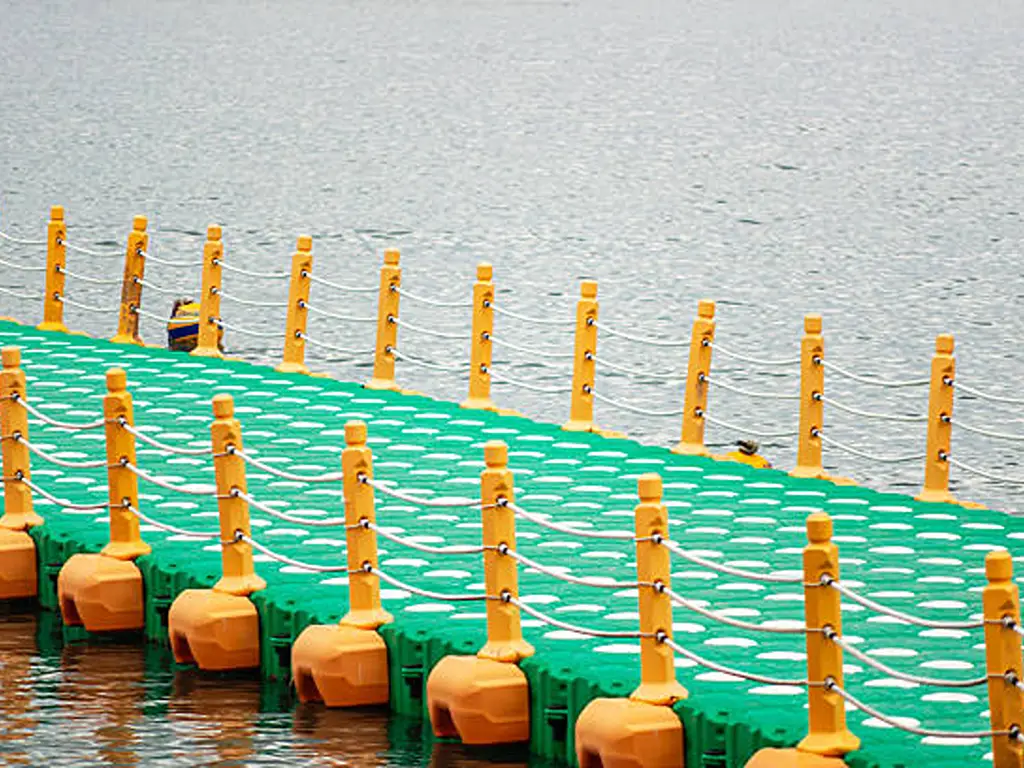
Hisea Dock, noto produttore cinese, offre un'ampia scelta di pontili galleggianti modulari in polietilene, personalizzabili e resistenti. Il prodotto di punta di Hisea, il pontile galleggiante per moto d'acqua, è una soluzione altamente versatile e durevole per i proprietari di moto d'acqua e PWC.
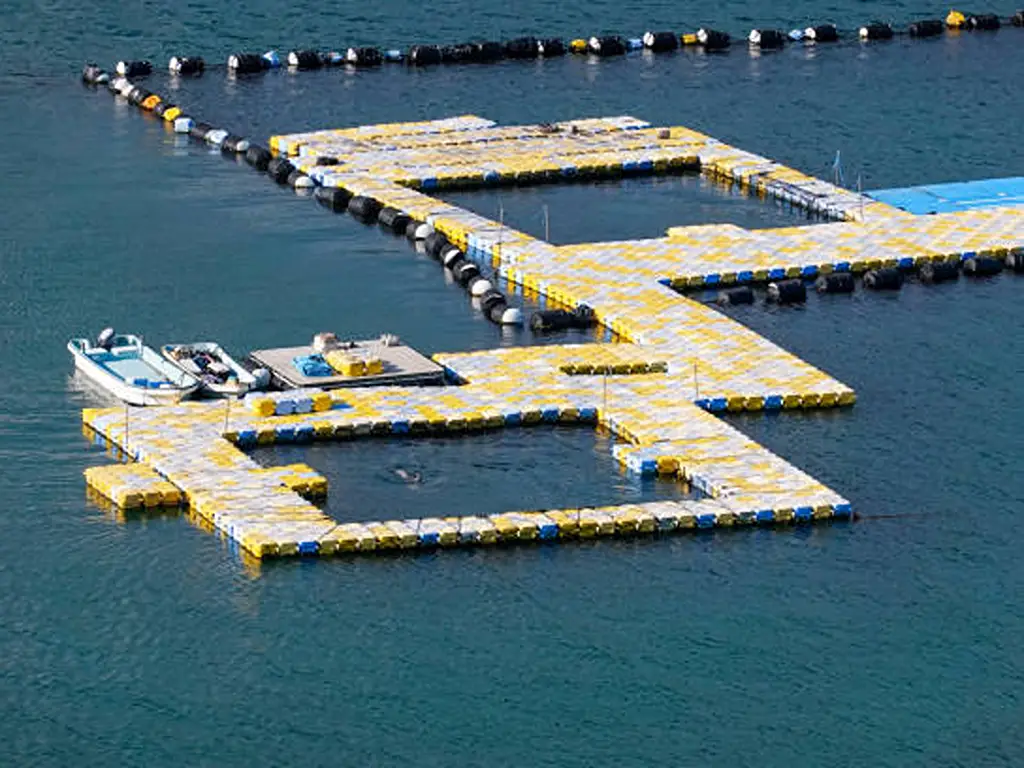
Il sistema Hisea è noto anche per il suo design modulare, che ne facilita la personalizzazione e l'espansione. La banchina è composta da singoli cubi di polietilene che possono essere combinati in modi diversi per ottenere la struttura desiderata, il che rende facile modificare la banchina per adattarla alle esigenze specifiche e alla configurazione del lungomare. Inoltre, il materiale in polietilene utilizzato per la costruzione della banchina è noto per la sua eccezionale durata e resistenza agli agenti atmosferici, garantendo così che il vostro investimento sia in grado di resistere alle condizioni più difficili.
Il sistema di pontili galleggianti modulari Hisea è caratterizzato da una notevole capacità di carico: ogni metro quadrato può sostenere fino a 350 kg. Il sistema serve quindi non solo per moto d'acqua e PWC, ma anche per piccole imbarcazioni. I pontili sono installati con tacchette e paracolpi integrati, che offrono punti di ancoraggio e protezione per le moto d'acqua. Hisea fornisce anche una serie di accessori, come scalette, balaustre laterali e corrimano, che possono essere utilizzati per personalizzare ulteriormente la banchina in base alle proprie esigenze specifiche.
AccuDock (USA): Costruzione in PVC leggero per una maggiore durata
Modello di prodotto consigliato:AccuDock, pontile galleggiante per moto d'acqua
Raccomandazione:☆☆☆☆
Applicazioni principali:
- Attracco per moto d'acqua e PWC
- Uso residenziale e commerciale
- Passerelle galleggianti
Descrizione specifica:
AccuDock, un'azienda statunitense che si occupa della produzione di pontili galleggianti in PVC, è il nostro fornitore scelto. Il pontile galleggiante per moto d'acqua AccuDock, prodotto da AccuDock, è l'opzione preferita dai proprietari di moto d'acqua grazie al suo design leggero ma robusto. Il pontile è realizzato in materiale PVC, noto per la sua resistenza alla putrefazione, al decadimento e alla corrosione, ed è quindi la scelta perfetta per gli ambienti d'acqua dolce e salata.
Uno dei principali vantaggi del sistema AccuDock è la facilità di installazione. La banchina viene fornita in sezioni preassemblate che possono essere incastrate con un semplice sistema di perni, garantendo così un'installazione rapida e senza problemi. Il design modulare è anche il motivo per cui è possibile personalizzare facilmente le dimensioni e la configurazione della banchina per soddisfare le proprie esigenze specifiche. AccuDock fornisce anche una serie di accessori come rampe di accesso, ganci per banchina e paraurti per migliorare l'utilità e la sicurezza della banchina.
La struttura in PVC del pontile galleggiante per moto d'acqua AccuDock non solo garantisce un'eccellente durata, ma contribuisce anche alla sua leggerezza. Questo rende il pontile facile da maneggiare e installare, anche per chi ha poca esperienza o manodopera. Inoltre, il materiale in PVC utilizzato per la costruzione del pontile è stabilizzato ai raggi UV, garantendo il mantenimento del colore e dell'integrità strutturale anche dopo una prolungata esposizione alla luce solare.
Wave Armor (USA): tecnologia innovativa della schiuma EVA
Modello di prodotto consigliato: Darsena per moto d'acqua Wave Armor
Raccomandazione: ☆☆☆☆☆
Applicazioni principali:
- Attracco per moto d'acqua e PWC
- Uso residenziale e commerciale
- Aree ad alto traffico
Descrizione specifica:
L'azienda statunitense Wave Armor è nota per l'esclusiva applicazione della schiuma EVA (etilene-acetato di vinile) nella costruzione dei suoi pontili galleggianti per moto d'acqua. Il pontile per moto d'acqua Wave Armor è la prova dell'impegno dell'azienda nell'offrire soluzioni di attracco che non siano solo resistenti, ma anche durature e facili da usare per i proprietari di moto d'acqua.
Ciò che distingue il Wave Armor dock dagli altri articoli presenti sul mercato è la schiuma EVA. Questo materiale espanso a cellule chiuse è noto per la sua eccezionale galleggiabilità, l'assorbimento degli urti, la resistenza agli oli e ai gas e la resistenza ai raggi UV. Grazie a queste qualità, il pontile per moto d'acqua Wave Armor è l'opzione migliore per l'uso in luoghi con traffico intenso o in aree con condizioni idriche difficili. È possibile salire a bordo della moto d'acqua o dell'acquascooter con facilità e sicurezza grazie al design in schiuma, che rende la superficie robusta e antiscivolo.
Il pontile per moto d'acqua Wave Armor non è noto solo per le eccellenti proprietà dei materiali, ma anche per il suo design modulare che consente una facile personalizzazione ed espansione. Le sezioni della banchina possono essere facilmente collegate con il sistema di accoppiamento dell'azienda, che è il motivo per cui la connessione tra i moduli è forte e sicura. Il design modulare della banchina consente inoltre di riorganizzare facilmente la disposizione della banchina in base alle esigenze che cambiano nel tempo. Wave Armor è un'azienda che fornisce un'ampia gamma di accessori come paracolpi per banchine, gallocce e portacanne da pesca, in modo da poter personalizzare la banchina in base alle proprie esigenze.
JetDock (USA): semplificazione dell'attracco delle moto d'acqua con unità monoblocco
Modello di prodotto consigliato: JetDock originale
Raccomandazione: ☆☆☆☆
Applicazioni principali:
- Attracco per moto d'acqua e PWC
- Uso residenziale
- Condizioni dell'acqua bassa
Descrizione specifica:
JetDock, un'azienda statunitense, ha un metodo distintivo per l'attracco delle moto d'acqua con i suoi pontili in polietilene rotostampati in un unico pezzo. Il JetDock Original è una chiara dimostrazione della concentrazione dell'azienda sulla semplicità e sulla facilità d'uso, che lo rende una scelta molto interessante per i proprietari di moto d'acqua residenziali.
Il JetDock Original è l'aspetto più notevole della costruzione in un unico pezzo. A differenza dei pontili modulari che devono essere assemblati, JetDock viene fornito come un'unità intera, pronta all'uso. Questo è il motivo per cui non sono necessari complicati processi di installazione e l'impiego è facile e veloce. La struttura in polietilene rotostampato è la migliore perché è molto robusta ed è anche resistente ai raggi UV, agli urti e alle temperature estreme, il che significa che il vostro pontile potrà durare a lungo.
Il JetDock Original è stato progettato per le condizioni di acque poco profonde ed è quindi l'opzione migliore per chi ha proprietà in riva al mare e vive in aree in cui il livello dell'acqua cambia spesso. Il design a fondo piatto del pontile consente di utilizzarlo in acque profonde fino a 12 pollici, garantendo comunque galleggiabilità e stabilità sufficienti per la moto d'acqua o il PWC. La superficie strutturata del pontile offre la migliore resistenza allo scivolamento, rendendo così molto sicuro e facile per le persone raggiungere le loro moto d'acqua. Inoltre, JetDock fornisce una serie di accessori, ad esempio paraurti per banchina e ganci di fissaggio, per aumentare l'utilità e la sicurezza della banchina.
Porta EZ (USA): Design portatile e indipendente per una maggiore flessibilità
Modello di prodotto consigliato: Porta EZ MAX
Raccomandazione: ☆☆☆☆☆
Applicazioni principali:
- Attracco per moto d'acqua e PWC
- Uso residenziale e commerciale
- Installazioni portatili e indipendenti
Descrizione specifica:
EZ Port, un noto produttore di pontili statunitense, ha una vasta gamma di pontili per moto d'acqua portatili e autoportanti nella sua linea di prodotti, e EZ Port MAX è uno dei suoi modelli più famosi. Questi nuovi pontili sono stati realizzati per offrire ai proprietari di moto d'acqua una piattaforma galleggiante stabile, facile da usare e conveniente per tenere e prendere le moto d'acqua in riva al mare.
EZ Port MAX è costruito in polietilene ad alta densità (HDPE), un materiale famoso per la sua durata superiore, la resistenza ai raggi UV e la capacità di sopportare temperature estreme, che lo rendono un'opzione a bassa manutenzione. Questa scelta di materiale garantisce che il pontile mantenga la sua forza strutturale e il suo aspetto per molti anni. Il pontile ha uno speciale design galleggiante che ne consente l'utilizzo come unità indipendente, senza la necessità di un'installazione permanente o di un ancoraggio. EZ Port MAX è quindi la soluzione di attracco perfetta per chi desidera un'opzione più flessibile e portatile tra le tante disponibili.
L'EZ Port MAX è un porto per PWC unico nel suo genere, con un design drive-on, drive-off molto semplice da usare. Il pontile è dotato di rulli e di un telaio galleggiante che si regola automaticamente, consentendo così di caricare e scaricare facilmente la moto d'acqua o la PWC. La superficie ruvida del pontile è il motivo principale per cui ha un'eccellente trazione, che consente di avere un appoggio sicuro e protetto durante l'utilizzo. Inoltre, EZ Port MAX è praticamente inaffondabile, grazie al sistema di pompa ad aria che mantiene la galleggiabilità a un livello ottimale in ogni momento. EZ Dock non si limita a fornire un pontile semplice e facile da usare, ma offre anche un'ampia gamma di accessori come ganci, paracolpi e soluzioni di stoccaggio per realizzare il vostro pontile in base alle vostre esigenze.
HydroHoist (USA): Sollevatori idraulici permanenti per il rimessaggio sicuro delle moto d'acqua
Modello di prodotto consigliato: Sollevatore per PWC HydroHoist HP Extreme
Raccomandazione: ☆☆☆☆☆
Applicazioni principali:
- Attracco per moto d'acqua e PWC
- Uso residenziale e commerciale
- Installazioni permanenti di moli o banchine
Descrizione specifica:
HydroHoist, noto produttore statunitense, è specializzato nella fornitura delle migliori soluzioni di attracco permanente per moto d'acqua e PWC. L'HydroHoist HP Extreme PWC Lift è una chiara dimostrazione dell'impegno dell'azienda nel fornire agli utenti sistemi di attracco affidabili, durevoli e facili da usare.
Il sollevatore per moto d'acqua HP Extreme è pensato per essere fissato in modo permanente a una banchina o a un molo già esistenti, in modo da costituire una piattaforma sicura e solida per riporre la moto d'acqua. Il sollevatore per moto d'acqua è realizzato in alluminio di grado marino e parti in acciaio inox, quindi ha la migliore resistenza alla corrosione e una durata che durerà a lungo. La culla del sollevatore è realizzata in polietilene resistente ai raggi UV, che offre una superficie morbida e protettiva alla vostra moto d'acqua o PWC.
Il sollevatore per PWC HydroHoist HP Extreme è dotato del sistema di sollevamento idraulico più esclusivo tra tutti gli altri sollevatori per PWC. Questo sistema consente di sollevare e abbassare la moto d'acqua senza alcuno sforzo e la capacità massima di sollevamento del sistema è di 1.400 libbre. Il sollevatore è costruito per essere facile da usare, con il semplice funzionamento a pulsante che rende facile caricare e scaricare la moto d'acqua o il PWC. Inoltre, il sollevatore è dotato di cuccette e di un sistema di autolivellamento regolabile, che consente di mantenere la moto d'acqua in piano e al sicuro durante il rimessaggio.

ShoreStation (USA): Comode soluzioni a rotelle per un attracco senza problemi
Modello di prodotto consigliato: Pontile per moto d'acqua ShoreStation
Raccomandazione: ☆☆☆☆
Applicazioni principali:
- Attracco per moto d'acqua e PWC
- Uso residenziale e commerciale
- Soluzioni di attracco con ruote
Descrizione specifica:
ShoreStation, un produttore statunitense che opera nel settore da molto tempo, offre uno speciale sistema di attracco su ruote per moto d'acqua e PWC, adatto a diversi tipi di acqua, compresa quella salata. Il pontile per moto d'acqua ShoreStation è una piattaforma progettata per riporre e accedere alle moto d'acqua in modo comodo e facile da usare e ha ricevuto recensioni positive da parte degli utenti per la sua funzionalità e durata in diversi tipi di pontile.
Il pontile per moto d'acqua ShoreStation è dotato di un robusto telaio in alluminio saldato che gli conferisce un'elevata stabilità e durata, rendendolo la migliore opzione per i pontili galleggianti per moto d'acqua nei porti turistici, indipendentemente dal tipo di acqua. Il pontile è dotato di rulli e di un sistema di argani che facilitano il carico e lo scarico della moto d'acqua o del PWC, indipendentemente dal tipo di PWC posseduto. Per utilizzare il pontile, è sufficiente allineare la moto d'acqua ai rulli e poi utilizzare l'argano per tirarla delicatamente verso la piattaforma. Questo design a rotelle rende superfluo il sollevamento o la manovra della moto d'acqua e quindi è l'opzione migliore per chi dà la priorità alla facilità d'uso.
La piattaforma del pontile è realizzata in vinile marino, un materiale di alta qualità che è durevole e fornisce una superficie antiscivolo per la vostra moto d'acqua o PWC, quindi è sicuro e stabile per vari tipi di pontile. Il materiale vinilico è anche resistente ai raggi UV, all'olio e al gas, per cui il pontile manterrà un buon aspetto e l'integrità strutturale per molto tempo, anche in diversi tipi di acqua. Il pontile per moto d'acqua ShoreStation è progettato in modo modulare, in modo da poter collegare più unità tra loro e creare così una piattaforma di attracco più grande o addirittura avere spazio sufficiente per più moto d'acqua, quindi è una soluzione versatile per diversi allestimenti di porti turistici.
R & J Machine (Canada): Costruzione in alluminio a bassa manutenzione
Modello di prodotto consigliato: R & J Machine - Pontile galleggiante in alluminio per moto d'acqua
Raccomandazione ☆☆☆☆
Applicazioni principali:
- Attracco per moto d'acqua e PWC
- Uso residenziale e commerciale
- Struttura resistente, interamente in alluminio
Descrizione specifica:
R & J Machine, produttore canadese, è un'azienda che si dedica alla produzione di pontili galleggianti interamente in alluminio per moto d'acqua e PWC. Il pontile galleggiante per moto d'acqua in alluminio di R & J Machine è la prova dell'impegno dell'azienda nella produzione di soluzioni di attracco resistenti, durature e che richiedono poca manutenzione.
Il pontile è realizzato in alluminio marino, che è il materiale migliore per il pontile perché presenta molti vantaggi rispetto ad altri materiali. L'alluminio è rinomato per il suo eccezionale rapporto resistenza-peso, per cui il pontile è leggero ma robusto. Questo materiale è anche molto resistente alla corrosione, per cui il pontile sarà in grado di sopravvivere al difficile ambiente marino e di mantenere la sua struttura per un lungo periodo di tempo. La costruzione interamente in alluminio elimina anche la manutenzione regolare, come la verniciatura o la colorazione, ed è quindi l'opzione migliore per chi desidera una soluzione di banchina a bassa manutenzione.

Jetfloat (Austria): Sistema modulare personalizzabile con forme specializzate
Modello di prodotto consigliato: Darsena per moto d'acqua Jetfloat
Raccomandazione: ☆☆☆☆
Applicazioni principali:
- Attracco per moto d'acqua e PWC
- Uso residenziale e commerciale
- Design modulare personalizzabile con moduli di forma speciale
Descrizione specifica:
Jetfloat, un'azienda austriaca, fornisce una nuova soluzione di attracco modulare per moto d'acqua e PWC. Il Jetfloat Jet Ski Dock è una piattaforma che può essere personalizzata e adattata alle esigenze dei proprietari di moto d'acqua ed è stata progettata per essere flessibile e per soddisfare le esigenze specifiche dei proprietari di moto d'acqua.
Il sistema Jetfloat è costituito da una serie di moduli galleggianti interconnessi, realizzati in polietilene di altissima qualità e resistenti ai raggi UV. Questa scelta di materiali garantisce la massima durata, galleggiabilità e capacità di resistere al difficile ambiente marino. Il fatto che Jetfloat disponga di una varietà di moduli di forma speciale, realizzati per adattarsi alle dimensioni e ai contorni particolari di diversi modelli di moto d'acqua e PWC, è ciò che li differenzia da altri sistemi di attracco modulari. Questi moduli sono costituiti da rampe angolate, sezioni curve ed estensioni laterali, che consentono di progettare una piattaforma di attracco che si adatta perfettamente alla vostra moto d'acqua.
La natura modulare del pontile per moto d'acqua Jetfloat consente agli utenti di avere infinite possibilità di personalizzazione. È possibile aggiungere, eliminare o spostare facilmente i moduli del pontile per adattarli alle mutevoli esigenze o alle condizioni dell'acqua. I moduli sono collegati con un semplice sistema di perni che crea una piattaforma robusta e stabile e, allo stesso tempo, consente un montaggio o uno smontaggio facile e veloce. Jetfloat offre una gamma di accessori come rampe di accesso, corrimano e gallocce per rendere il sistema di attracco più funzionale e sicuro.
Structurmarine (Canada): Banchine in calcestruzzo per impieghi gravosi per una durata senza precedenti
Modello di prodotto consigliato: Pontile galleggiante per moto d'acqua in cemento Structurmarine
Raccomandazione: ☆☆☆☆☆
Applicazioni principali:
- Attracco per moto d'acqua e PWC
- Uso residenziale e commerciale
- Struttura in calcestruzzo per impieghi gravosi e di lunga durata
Descrizione specifica:
Structurmarine, un'azienda canadese, offre un modo unico e duraturo di attraccare moto d'acqua e PWC con i suoi pontili galleggianti in cemento. Il pontile galleggiante per moto d'acqua in cemento di Structurmarine è una struttura destinata a fornire una piattaforma stabile, durevole e a bassa manutenzione per il deposito e l'accesso alle moto d'acqua.
La banchina è realizzata in calcestruzzo marino ad alta resistenza, che le conferisce una durata e una resistenza all'ambiente marino impossibili con qualsiasi altro tipo di calcestruzzo. Il calcestruzzo è famoso per la sua elevata resistenza alla compressione, che lo rende un materiale perfetto per il peso e le forze d'impatto che una moto d'acqua o un PWC possono incontrare. La superficie in calcestruzzo della banchina è strutturata in modo da creare una finitura antiscivolo, garantendo così un appoggio sicuro agli utenti durante l'utilizzo.
Uno dei principali vantaggi del pontile galleggiante per moto d'acqua Structurmarine è la sua modularità. Il pontile è costituito da sezioni in calcestruzzo collegate da un robusto sistema di perni in acciaio. Il design modulare di queste case galleggianti consente di modificarle e adattarle a diversi layout del lungomare e condizioni dell'acqua. Le sezioni in calcestruzzo sono progettate per essere autogalleggianti, grazie alle anime in schiuma che sono state incorporate per garantire la stabilità e la galleggiabilità delle sezioni.
Fattori da considerare nella scelta del miglior pontile galleggiante per moto d'acqua
Nel processo di scelta del pontile galleggiante per moto d'acqua più adatto alle vostre esigenze, ci sono diversi punti cruciali da tenere in considerazione. Innanzitutto, è necessario determinare il tipo di acqua in cui si intende utilizzare il pontile. Alcuni materiali, come il polietilene e il PVC, sono i migliori per gli ambienti d'acqua salata, mentre altri, come l'alluminio, sono adatti sia all'acqua dolce che a quella salata. Considerate il peso e le dimensioni del pontile per essere sicuri che possa adattarsi al vostro particolare modello di moto d'acqua.
Un altro aspetto fondamentale è la semplicità di installazione e di utilizzo. Cercate banchine progettate in modo modulare o autoportanti, in modo da poterle montare in modo rapido e semplice senza dover ricorrere a strutture permanenti o a complessi sistemi di ancoraggio. Pensate al livello di manutenzione richiesto da ciascun materiale per le banchine, nonché alla disponibilità di accessori e opzioni di personalizzazione da utilizzare per soddisfare le vostre esigenze specifiche. Prendendo in considerazione questi fattori, sarete in grado di trovare il pontile galleggiante ideale per le moto d'acqua, che a sua volta migliorerà la vostra esperienza in riva al mare.
Pensieri finali
L'acquisto di un pontile galleggiante per moto d'acqua di prim'ordine è un must per tutti gli appassionati di PWC che desiderano salvaguardare la propria moto d'acqua e migliorare l'esperienza nautica complessiva. Il pontile galleggiante per moto d'acqua è progettato per soddisfare ogni esigenza e preferenza grazie all'ampia gamma di opzioni disponibili, tra cui design modulari, unità monoblocco e diversi materiali di costruzione.
Attraverso l'analisi di elementi quali la durata dei materiali, le dimensioni e la capacità, le condizioni dell'acqua, la facilità d'uso, le opzioni di personalizzazione e il prezzo, è possibile scegliere il miglior pontile galleggiante per moto d'acqua adatto alle proprie esigenze. Si può scegliere tra un pontile a piattaforma in polietilene, un sistema a ruota in alluminio o un pontile galleggiante in cemento, ma a prescindere dalla scelta, si potrà godere per anni della comodità, della sicurezza e del divertimento che una soluzione di attracco affidabile e ben progettata fornirà per l'utilizzo di moto d'acqua e PWC.

 English
  Thai
Thai  Spanish
  French
  German
  Dutch
Dutch  Italian
  Arabic
  Indonesian
  Portuguese
  Turkish