
Inleiding
Het kleinste biologische element in de maritieme wereld van 2026, waar efficiëntie wordt bepaald door uiterst nauwkeurige hydrodynamica en strenge milieueisen, kan het grootste financiële verlies veroorzaken. De grootste vijand van booteigenaren, vlootbeheerders en havenexploitanten is mariene aangroei, dat wil zeggen de kolonisatie van de hele romp door zeepokken. Deze sessiele schaaldieren rijden niet gewoon mee; ze veranderen in wezen het raakvlak van de romp van je boot met het water.
Wat begint als een microscopisch laagje slijm kan binnen een paar weken uitgroeien tot een verkalkte korst die de snelheid, veiligheid en structurele integriteit vermindert. Deze gids is een technisch overzicht van de biologie van zeepokken, de economische belasting die een plaag met zich meebrengt, professionele verwijderingsrichtlijnen en de meest recente preventieve technologieën, zoals modulaire drijvende systemen die effectief zijn in het verminderen van de groei onder de oppervlakte door een drooglegplaats te creëren.
Wat zijn zeepokken?
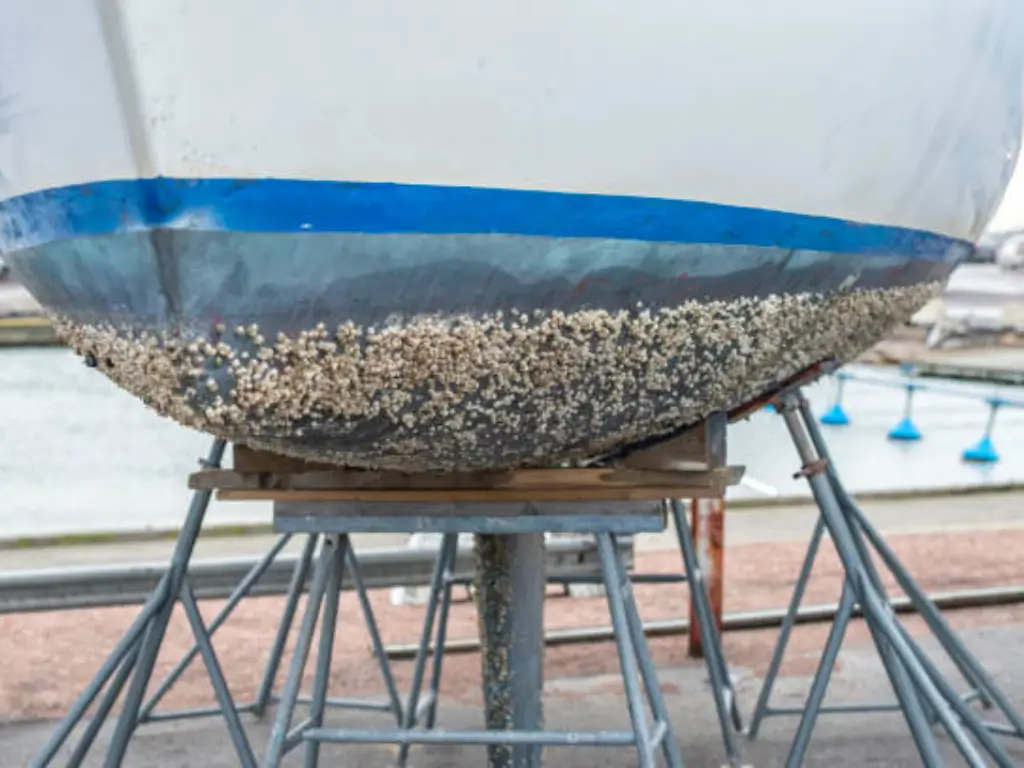
Een zeepok lijkt voor een leek misschien niet meer dan een ruwe rots. Zeepokken zijn in biologische werkelijkheid zeer gespecialiseerde cirripedes, een subklasse van kreeftachtigen die nauw verwant is aan garnalen en krabben. In tegenstelling tot hun beweeglijke soortgenoten hebben zeepokken hun voortbeweging opgegeven ten gunste van een sessiel, gepantserd leven.
De meest opvallende eigenschap van de zeepok is dat hij in staat is om een biopolymeer cement te produceren. Dit materiaal wordt beschouwd als een van de sterkste natuurlijke kleefstoffen in de wetenschappelijke wereld. Het is een eiwitcomplex dat van nature trekvast is en bestand tegen de extreme druk van de open oceaan en de snelle trillingen van moderne motorboten. Ze kunnen met deze lijm aan bijna elk oppervlak worden bevestigd, zoals glasvezel, aluminium, staal of hout, en zijn daarom ongelooflijk moeilijk te verwijderen zonder speciale gereedschappen of chemicaliën.
De levenscyclus van zeepokken
Het is belangrijk om de biologische geschiedenis van een plaag te kennen om deze preventief te kunnen bestrijden. Zeepokken komen niet in één dag tevoorschijn; ze ondergaan een strikt ontwikkelingsproces dat begint met larven van karperachtigen. Deze larven zijn biologische verkenners en gebruiken zintuigen om een geschikte biofilm op een romp te detecteren voordat ze zich vestigen voor een permanent verblijf.
Onzichtbare film tot hard pantser: de vier fasen
Het proces van een schone romp naar een aangetaste romp verloopt in verschillende fasen. Je spaart je gelcoat en je portemonnee voor het geval je de "onzichtbare" tekenen al in de eerste fase opmerkt.
| Tijdlijn | Visuele staat | Biologische mijlpaal | Moeilijkheid bij verwijderen | Kosten |
| Dagen 1-7 | Een slijmerige glans: De romp ziet er schoon uit, maar voelt vettig of glibberig aan. | Biofilmvorming: Bacteriën en algen vormen een microscopische basis. | Extreem gemakkelijk: Een eenvoudig veegje herstelt het oppervlak. | Bijna Nul |
| Weken 2-3 | Korrelige textuur: Kleine, doorschijnende bobbels die aanvoelen als grof zand. | Vestiging van de karper: Larven lijmen zich vast en beginnen hun kalkbasis. | Makkelijk: een zachte borstel of een gehandschoende hand is voldoende. | Minimaal |
| Week 4+ | Witte vlekken: Duidelijke witte schelpen die er niet met de hand afgewreven kunnen worden. | Schelp vastzetten: De zeepok scheidt calciumcarbonaat af en hecht zich aan de gelcoat. | Moeilijk: Vereist metalen schrapers of chemische middelen. | Matig |
| 2 Maanden+ | De vesting: Grillige, meerlagige clusters en "stapeling". | Volwassen kolonie: Overlappende schelpen creëren enorme weerstand en vangen meer afval. | Professioneel: Vereist vaak elektrisch gereedschap of zuurbaden. | Hoog |
Pro Tip: De microscopische overname is al begonnen binnen de eerste 24 uur na contact met het water. Wacht tot je een zeepok hebt om je boot schoon te maken en je bent het handigste uur werk kwijt.
Milieuversnellers: Waarom uw planning kan verkorten
Het bovenstaande schema is niet het basisschema. Er zijn drie variabelen waarop de natuur de vooruitspoelknop kan indrukken:
- Tropische watertemperaturen: In warm water boven 25 C neemt het metabolisme van de larven exponentieel toe. Onder deze omstandigheden kan het tijdsinterval tussen stadium 2 en stadium 3 met de helft worden teruggebracht, waardoor zachte knoppen binnen enkele dagen in harde schelpen veranderen.
- Zoute omgeving: Zeepokken houden van zout. Ze overleven in kustgebieden met een hoog zoutgehalte omdat ze vechten in het brakke water rond riviermondingen. Hoe meer zout ze bevatten, hoe dichter en harder hun kalkschalen zijn.
- Voedingsstofrijke stroomsnelheid: Hoewel de zeepokken zich graag op een stilstaande romp vestigen, gebruiken ze bewegend water om voedsel mee te nemen. De snellere groei wordt meestal waargenomen bij boten die aanmeren in jachthavens met veel stroming, omdat het buffet altijd naar de voordeur van de zeepokken wordt gebracht.
Waarom is het nodig om zeepokken op boten te verwijderen?
Zeepokken zijn niet alleen een cosmetisch ongemak, maar een fysiek en economisch risico dat de prestaties, veiligheid en portemonnee van uw boot stilletjes kan ondermijnen.
Prestatieverlies en brandstofverbruik: De dure sleepbelasting
De hydrodynamische vijanden zijn de zeepokken. Een schone romp wordt gemaakt om een laminaire stroming te garanderen, waarbij het water op een soepele manier over het oppervlak beweegt. Een klein beetje zeepokken veroorzaakt zo'n grote turbulentie, dat je gladde romp in feite wordt gereduceerd tot een vel schuurpapier met een hoge korrel.
Kwantificering van gegevens: De relatie tussen brandstoffendekking en brandstofrekening
Het economische effect is direct en meetbaar. Het brandstofverbruik is ongekend omdat de motor moeite heeft om op kruissnelheid te blijven door de toegenomen wrijving.
| Barnacle dekking (%) | Toename weerstand | Verlies topsnelheid | Schatting. Jaarlijkse extra brandstofkosten* |
| 5% (Licht) | 0.15 | -1,5 knopen | +$550 |
| 15% (Matig) | 0.35 | -4,0 knopen | +$1,450 |
| 30%+ (Ernstig) | +80% of meer | -8,0+ knopen | +$3,200+ |
Uitgaande van een schip van 30 voet met 100 bedrijfsuren per jaar tegen gemiddelde brandstofprijzen in 2026.
Evaluatie van onzichtbare reparatiekosten
De groei van zeepokken op boten is niet alleen een doorn in het oog, maar vormt ook een directe bedreiging voor uw motor. Wanneer de schelpen de rompinlaten koloniseren, blokkeren ze de toevoer van koelwater, waardoor ze snel oververhit raken.
Hoewel een gemiddelde professionele reiniging tussen de 200 en 400 dollar kost, kan verwaarlozing van de opeenhoping leiden tot een vastgelopen motor die meer dan 6000 dollar kost om te repareren. De prijs van één defecte motor zou wiskundig gelijk zijn aan 15 jaar proactief onderhoud. Als je je romp vandaag schoonmaakt, bespaar je morgen een kapitale ramp.
Biologische groei veroorzaakt permanente structurele schade
Zeepokken zitten niet alleen op je boot, ze worden er een deel van. Hun kleefbasis is een speciaal cement van calciumcarbonaat dat fysiek in de gelcoat snijdt.
- Op glasvezel: Wanneer een volgroeide zeepok wordt afgeschraapt, laat hij de gelcoat meestal achter in een prop, waardoor de poreuze glasvezel wordt blootgesteld aan water. Dit veroorzaakt osmotische blaasvorming die de hele rompstructuur kan ondermijnen.
- Op metalen rompen: De clusters zeepokken vormen stagnerende micro-ecosystemen. Dit zet elektrochemische corrosie van aluminium of stalen rompen in gang, waardoor het metaal veel sneller put en dunner wordt dan bij blootstelling aan zout water alleen.
Implicaties voor de luchtwaardigheid: Wijzigingen in stabiliteit van pitch en heave
De stabiliteit in de maritieme context wordt bepaald door de verhouding tussen het zwaartepunt en het drijfvermogen. Extreme biofouling introduceert honderden kilo's onafgeveerd gewicht onder de waterlijn. Deze extra massa, samen met de asymmetrische weerstand door de aangroei, verandert de reactie van het schip op de helling en de deining. Een boot die verondersteld wordt door golven te snijden zal traag of zwaar aanvoelen, wat kan leiden tot onvoorspelbare besturing in ruw water, wat een groot veiligheidsrisico is.
Verstopte inlaten leiden tot motorstoringen en veiligheidsrisico's
De grootste bedreiging is de verstopping van de inlaatkleppen. Deze poorten zuigen ongekookt water aan om je motor en generator te koelen.
- Verstikking van de motor: Zeepokken zijn dol op de hoge stroming van een inlaatrooster. Ze blokkeren de koeltoevoer wanneer ze de binnenleidingen koloniseren, waardoor de motor tijdens de reis snel oververhit raakt en mogelijk vastloopt.
- Sensorblindheid: Zeepokken zetten zich vaak vast op dieptesensoren en snelheidslogs. Een vuile sensor geeft een spookwaarde of stopt helemaal met werken en je vaart in het donker in ondiep of onbekend water.
Testen in de echte wereld en mythes ontkrachten: Zijn volksremedies echt veilig?
De sociale media staan vol met havengeheimen die goedkope methodes bieden om zeepokken weg te smelten. Hoewel deze DIY-hacks, zoals huishoudelijke toiletreinigers of industriële zuren, onmiddellijk lijken te werken op de schelpen, hebben ze de neiging om een schroei-effect te veroorzaken op de belangrijkste oppervlakken van je boot.
Het echte verhaal van toiletreinigers en peroxide
De wijdverspreide neiging om zure toiletreinigers ($HCl$) te gebruiken wordt verklaard door het feit dat de calciumcarbonaatbasis van een zeepok door zuur wordt opgelost. Deze reinigers zijn echter geformuleerd met agressieve oppervlakteactieve stoffen die ontworpen zijn om te werken op keramische en niet op samengestelde rompen.
Deze zuren worden op een boot aangebracht en dringen de microscopische poriën van de gelcoat binnen in het daaronder liggende glasvezellaminaat. Dit ondermijnt de structurele verbinding en houdt vocht vast. Ook hooggeconcentreerde waterstofperoxide, vaak toegepast om organische groei zacht te maken, is een sterk oxidatiemiddel dat de Gelcoat broos en krijtachtig maakt en permanent UV-bescherming ontneemt.
Potentiële risicolijst van het slopen van boten
In de onderstaande tabel wordt uitgesplitst hoe deze volksremedies van gewone mensen een kortetermijnschoonmaak verkopen ten koste van structurele mislukkingen op de lange termijn:
| Methode | Primair Risicomechanisme | Schade op lange termijn |
| Huishoudzuur (Toiletreiniger) | Hoge penetratie in gelcoatporiën | Osmotische blaasvorming: Vocht komt achter de afwerking terecht, waardoor de romp gaat "bubbelen". |
| Waterstofperoxide | Ernstige oxidatie van harsen | Aantasting van het oppervlak: De romp wordt poreus, vergeelt en verliest alle slagvastheid. |
| Stalen schrapers op aluminium | Verwijderen van de oxidelaag | Galvanische corrosie: Creëert diepe putjes en gaten wanneer het blanke metaal reageert met zout water. |
| Industrieel hogedrukreinigen | Verticale waterindringing | Delaminatie: Hoge druk kan water tussen de verf en de romp persen, waardoor antifoulinglagen loslaten. |
| Draadborstels | Diepe oppervlakkige littekens | Defecte afdichting: Krassen op rompdoorvoeren en rubberen pakkingen leiden tot "onzichtbare" langzame lekken. |
De moraal van het verhaal is dat dergelijke kortere wegen onmiddellijke winst inruilen voor onzichtbare verliezen op lange termijn. De schelpen verdwijnen misschien, maar de chemische of mechanische werking op je romp tast nog steeds de structurele integriteit aan lang nadat de boot weer in het water ligt. Als u kiest voor maritiem gecertificeerde verwijderingsmethoden, verzekert u uw investering en maakt u deze niet alleen schoon.
De professionele manier om zeepokken van je boot te verwijderen
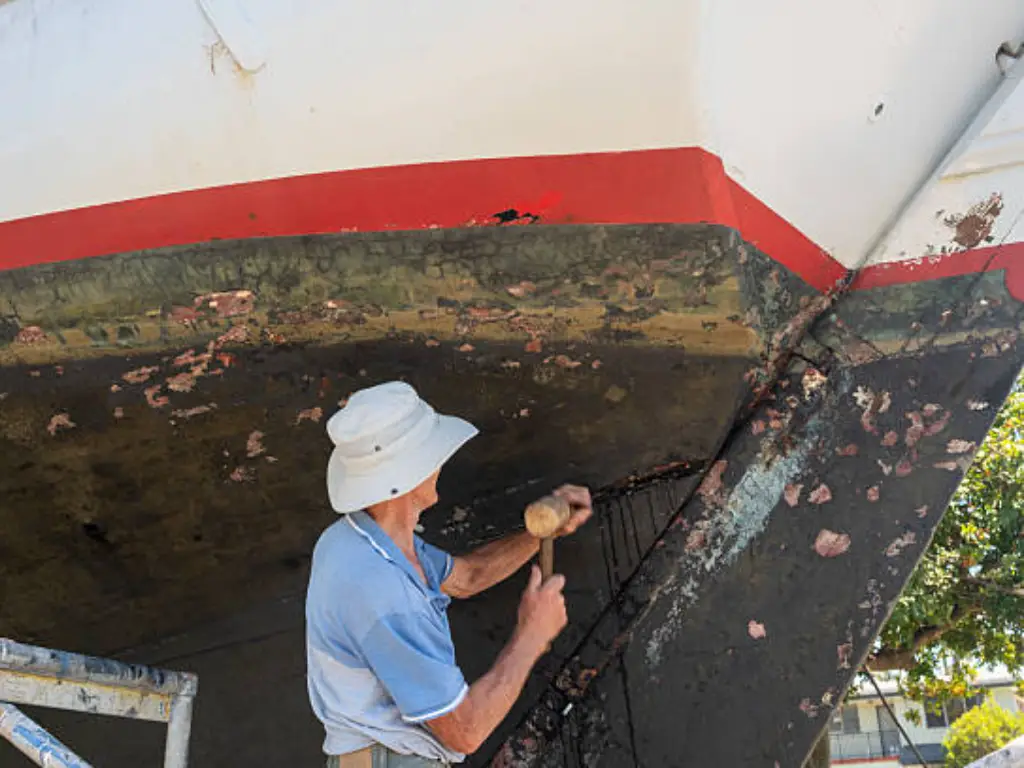
De balans tussen materiaalkunde en brute kracht is nodig om zeepokken succesvol te verwijderen. Het verkeerde gereedschap of de verkeerde hoek kan van een eenvoudige schoonmaakbeurt een permanente rompreparatie maken.
De benodigde hulpmiddelen voor het verwijderen van zeepokken op een boot
Voor een veilig en uitgebreid reinigingsproces heb je de volgende professionele kit nodig:
| Gereedschap | Best gebruikt voor | Primaire functie |
| Plastic schrapers | Glasvezel (GRP), Gelcoat, Rubberbootjes | Verwijdert schelpen zonder de hars te krassen of zachte materialen te doorboren. |
| Roestvrijstalen schrapers | Metalen assen, Schroeven, Stalen rompen | Biedt de hefboom die nodig is om door rijpe, verkalkte schillen op metaal te snijden. |
| Stijve nylon borstels | Detailwerk, Propellernaven | Verwijdert zacht organisch afval en losse kalkdeeltjes na het schrapen. |
| Hogedrukreiniger | Bulkromp voorbehandeling | Gebruikt kinetische energie om het grootste deel van de losse groei snel te verwijderen. |
| Marine ontkalker | Resterende calcium "ringen" (basen) | Breekt het "cement" van de zeepok chemisch af om fysiek schrobben tot een minimum te beperken. |
| PBM-kit | Gelaatsscherm, handschoenen, ademhalingstoestel | Beschermt tegen zeepokkenstof, dat een scherp, krachtig allergeen is. |
| Zuiveringszout | Post-chemische reiniging | Neutraliseert restzuren om metalen fittingen en trailerbunkers te beschermen. |
Fysieke verwijderingsmethoden: Specifieke oplossingen voor verschillende rompmaterialen
Eén maat is niet geschikt voor iedereen. Verontreiniging van materialen met menggereedschap kan desastreuze gevolgen hebben, vooral bij elektrochemische reacties.
- Glasvezel (GRP): Schrapers moeten onder een ondiepe, scherpe hoek ten opzichte van de romp staan. Dit is bedoeld om de basis van de zeepok van de gelcoat af te schrapen in plaats van in het substraat te snijden.
- Aluminium Romp: Borstels of schrapers van koperlegering mogen nooit worden gebruikt. Wanneer koper in een zoutwateromgeving op een aluminium romp wordt aangebracht, treedt er snel galvanische corrosie op met putjes en gaatjes als gevolg. Gebruik kunststof gereedschap of aluminium schrapers.
- Inflatables en zachte bodems: Hypalon of PVC is gevaarlijk voor mechanisch schrapen. Gebruik eerst een chemische methode om de schillen zacht te maken en gebruik dan een zachte plastic spreider of een grove spons om de zeepokken van het oppervlak te rollen zonder het materiaal te doorboren.
Hogedrukreiniging
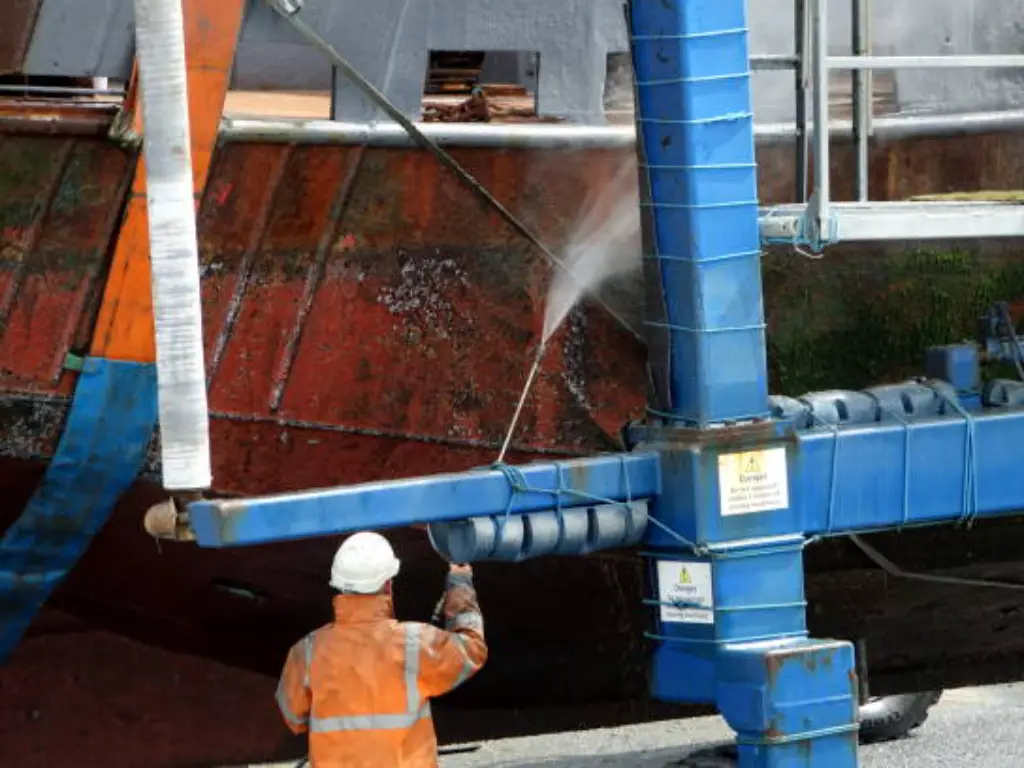
Een hogedrukreiniger is sterk, maar als je de romp onder een hoek van 90° raakt, kan het water in het laminaat dringen of dure aangroeiwerende verf wegstrepen.
De Parallel Techniek is de techniek waarbij de spuitmond op 15 o -30 o van het oppervlak wordt gehouden. Hierdoor wordt de waterstraal een hydraulische wig die de zeepokken van de zijkant schraapt in plaats van ze in de romp te slaan.
Chemische hulp: Veilig gebruik van HCl en speciale oplosmiddelen
Verwijder na het mechanisch schrapen de resterende kalkringen met een gebufferde Barnacle Dissolver. Deze zijn minder schadelijk voor de gelcoat dan ruw zuur; breng aan, laat 5-10 minuten rusten tot het schuimt en verwijder de minerale resten met een harde borstel.
Als je zoutzuur (HCl) gebruikt, verdun het dan tot 10 procent (1 deel zuur op 9 delen water). Giet het zuur altijd bij het water om schadelijke spatten te voorkomen en ervoor te zorgen dat de oplossing op het calcium blijft liggen. Raak geen rubberen pakkingen of nylon fittingen aan, want het zuur kan ervoor zorgen dat deze onderdelen broos worden en gemakkelijk barsten.
De laatste en belangrijkste is neutralisatie. Omdat het zuur actief kan blijven in de microscopische poriën van de romp, breng je een oplossing van water en zuiveringszout aan op alle behandelde plekken. Als het bruisen ophoudt, wat betekent dat de zuurgraad is verdwenen, spoel dan met een grote hoeveelheid zoet water om ervoor te zorgen dat je boot, trailer en hardware niet worden blootgesteld aan corrosie.
Schone romp Deze stap-voor-stap
- Onmiddellijk nat schrapen: Schraap zodra de boot uit het water is. Brandnetellijm zet uit zoals droog beton; het is het halve werk om ze te krijgen als ze nat zijn.
- Drukreiniging in bulk: Een hogedrukreiniger wordt gebruikt onder een kleine hoek ten opzichte van de romp. Dit verwijdert het grootste deel van de aangroei en slijm effectief zonder gruis in de gelcoat te duwen of sensoren te breken.
- Handmatig detailleren: Schraap de resterende harde schillen eraf met plastic of stalen schrapers (afhankelijk van het materiaal). Houd het gereedschap plat op het oppervlak om te voorkomen dat je de verf van de bodem beschadigt.
- Chemische verblijftijd: Gebruik een speciale ontkalker op de hardnekkige witte "donuts" die overblijven. Laat de formule 5-10 minuten rusten totdat de kalk begint te schuimen, wat aangeeft dat de verbinding verbreekt.
- Afschrobben en neutraliseren: Roer het zacht geworden residu op met een stijve nylon borstel. Spoel af met veel zoet water en een neutralisator om ervoor te zorgen dat er geen bijtende chemicaliën achterblijven op het oppervlak van de romp.
Hoe controleer en voorkom je zeepokkengroei?
De juiste aangroeiwerende verf kiezen
De keuze van de juiste coating is gebaseerd op de snelheid van je vaartuig, hoe vaak je het gebruikt en de plaatselijke milieuwetgeving.
- Coatings op basis van koper versus siliconen: De conventionele koperlakken geven biociden af om de larven te doden wanneer ze in contact komen, wat een directe maar chemisch zware oplossing is. Milieuvriendelijke afwerkingen met siloxaan daarentegen vormen een zogenaamde supergladde laag die de zeepokken geen fysieke houvast geeft en ze zijn geschikt voor hogesnelheidsboten die de aangroei onderweg kunnen wegspoelen.
- Ablatieve (zelfpolijstende) verf: Dit type coating wordt gebruikt op boten die vaak worden gebruikt en het wordt in lagen afgesleten terwijl de boot door het water vaart. Dit continue afslijten zorgt ervoor dat eventuele aangroei in een vroeg stadium wordt weggeveegd voordat het kan uitgroeien.
- Harde bodemverf: Dit type verf wordt gebruikt op snelle motorboten of racejachten en vormt een harde laag die moeilijk fysiek te schuren is en met de hand kan worden geschrobd zonder zijn eigenschappen te verliezen.
Ultrasone systemen en niet-giftige preventie
Bij moderne ultrasone technologie wordt een verfvrije optie geboden door trillingen van een bepaalde frequentie die door de romp worden uitgezonden. Deze pulsen verstoren de vorming van de eerste biofilm - de microscopische lijm die larven nodig hebben om een oppervlak te herkennen als een goed thuis. Je voorkomt de kolonisatiecyclus door het proces op cellulair niveau te stoppen.
Geautomatiseerde robotica: De proactieve onderhoudslogica
De introductie van onderwaterrobots zoals HullBot heeft de industrie veranderd in proactieve zorg. In plaats van zware aangroei te laten plaatsvinden en catastrofale revisie en onherstelbare schade aan de romp te veroorzaken, ondergaan deze autonome eenheden elke 48 uur een lichte schoonmaakbeurt. Dit regelmatige, milde onderhoud is veel goedkoper dan het brandstofverlies en de schoonmaakkosten van zware zeepokkengroei.
Strategisch aanmeren en verplaatsen
De omstandigheden van de omgeving bepalen het aantal inspecties en de behoefte aan speciale aanmeeruitrusting.
- Geografische intervallen: Controleer de waterinlaten en de waterlijn elke 2-4 weken in gebieden met warm water. Dit kan worden opgerekt tot 2 maanden in koudere klimaten omdat de biologische activiteit bij lagere temperaturen afneemt.
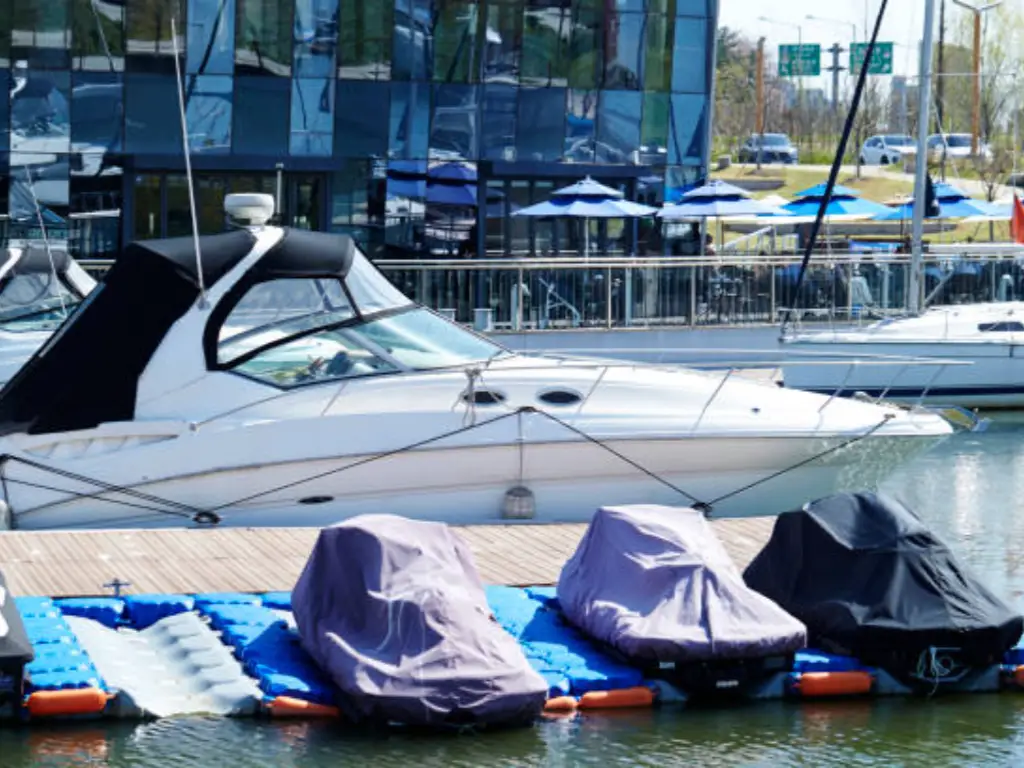
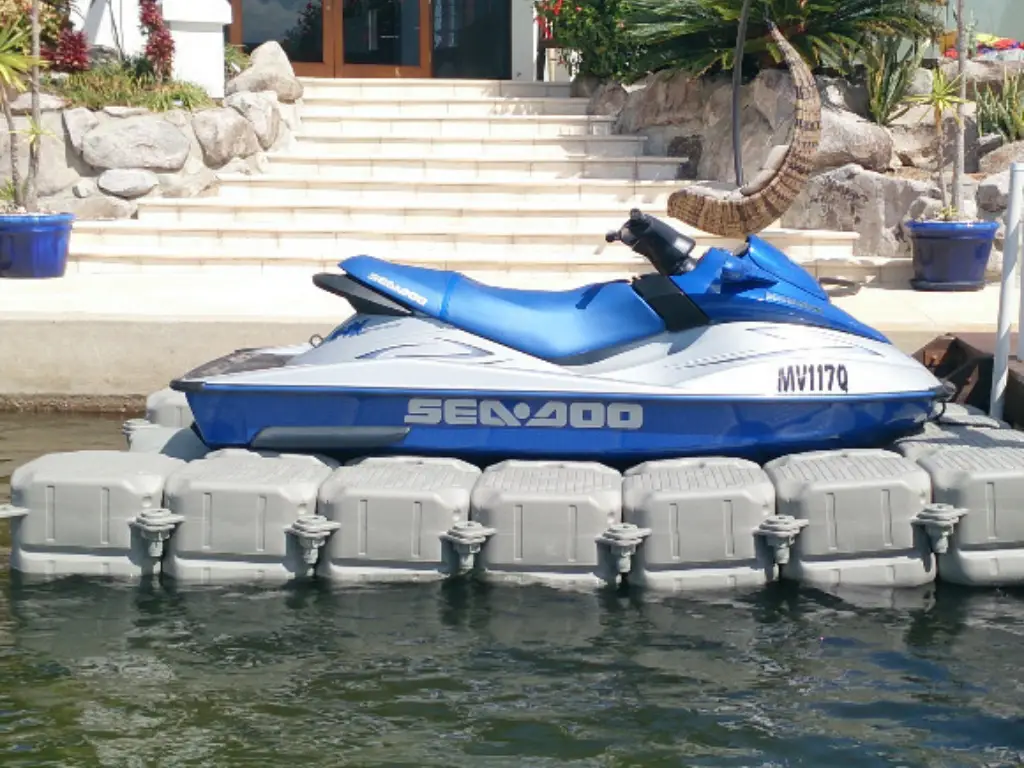
- Oplossingen voor droog aanmeren: Drijvende liften of modulaire doksystemen kunnen worden gebruikt om ervoor te zorgen dat de romp uit het water is wanneer deze niet wordt gebruikt. Dit is de enige 100 procent effectieve methode om aangroei van de zee te voorkomen, en dat is door een droogdok.
Waarom worstelen met zeepokken als je eraan kunt ontsnappen? Uw romp is altijd droog en toegankelijk met de Hisea Dock drive-on bootdokken, en u hoeft geen giftige verf en slopende schoonmaak te gebruiken om uw boot in showroom conditie te houden.
Effectieve zeepokpreventie met Hisea Dock Drijfsystemen
Hisea Dock werkt sinds 2006 aan een praktische, fysieke methode om de groei van zeepokken tegen te gaan: het verwijderen van het watercontact dat de groei mogelijk maakt. Onze aandrijfsystemen bieden een alternatief voor het eindeloze proces van chemische behandelingen en zwaar schrobben door uw vaartuig volledig uit het water te tillen wanneer het niet in gebruik is.
De reden waarom Hisea Dock een strategische keuze is
Materiaal van de volgende generatie: Onze dokken zijn gemaakt van polyethyleen met hoge dichtheid (HDPE) met geïntegreerde anti-UV-additieven om ervoor te zorgen dat ze na verloop van tijd niet verslechteren of een habitat worden voor leven in de barre omstandigheden op zee.
- Structurele integriteit: Het systeem heeft 19 mm dikke verbindingsoren en een ontwerp met verzonken groeven, waardoor het systeem stabiel is en de golfenergie afvoert.
- Gecertificeerde betrouwbaarheid: Onze systemen hebben een diagonale treksterkte tot 14.389 N, wat 20-30 jaar langer is dan de standaardopties, ondersteund door 5 jaar garantie en ISO-9001/CE certificeringen.
- Wereldwijde schaalbaarheid: We produceren dagelijks 1.120 stuks om te voldoen aan projecten van elke grootte, of het nu gaat om een particuliere jachteigenaar of een groot resort in meer dan 80 landen.
De aanschaf van een Hisea Dock is een investering in proactieve bescherming van de romp. Het is een logische oplossing voor de lange termijn die de prestaties en waarde van uw vaartuig behoudt door het gewoon uit het mariene milieu te halen.
Naleving van milieuwetgeving: 2026 Recente wettelijke vereisten
Rond 2026 ondergaat de maritieme sector een paradigmaverschuiving waarbij het schoonhouden van de romp niet alleen een prestatiekwestie is, maar ook een kwestie van varen door een doolhof van internationale milieuregelgeving en Zero-Leach vereisten.
Waarom is het reinigen van de romp onder water in toenemende mate illegaal?
Het schrapen van scheepsrompen onder water is in 2026 verboden in veel havens in de EU, Californië en Australië. Door zeepokken van een romp te schrapen die met conventionele verf op koperbasis is geverfd, dump je geconcentreerde zware metalen en afval van invasieve soorten rechtstreeks in het ecosysteem van de haven. Het overtreden van deze regels kan boetes opleveren van meer dan 10.000 dollar per geval.
Voldoen aan EPA- en IMO-voorschriften
Tegen 2026 is de maritieme wetgeving wereldwijd veranderd in best practices voor de strikte handhaving van Zero-Leach. De recente wijzigingen van de IMO AFS Conventie en de Amerikaanse EPA VIDA verbieden nu expliciet biociden zoals Cybutryne in Zero-Discharge gebieden, en een verschuiving naar niet-giftoxische rompbescherming is nu noodzakelijk.
- Niet-giftige fysieke barrières: Chemische verven worden vervangen door speciale zelfklevende films. Deze films verhinderen de aanhechting van biofouling door microvezeltexturen of polymeren met lage wrijving te gebruiken zonder zware metalen af te geven. Ze bieden een milieuvriendelijke oplossing voor de lange termijn die tot tien jaar kan worden gebruikt, zelfs in zeer gevoelige mariene omgevingen.
- Biocidevrije keramische coatings: Keramische coating op basis van nanotechnologie produceert een extreem glad, hydrofoob oppervlak dat niet kan worden vastgegrepen door zeeleven. Deze afwerkingen zijn gebaseerd op lage oppervlakte-energie in plaats van toxische afvloeiing om schoon te blijven. Ze genieten de voorkeur omdat ze volledig vrij zijn van biociden en daarom kunnen worden gebruikt in schepen die zich in beschermde reservaten en beperkte milieugebieden bevinden.
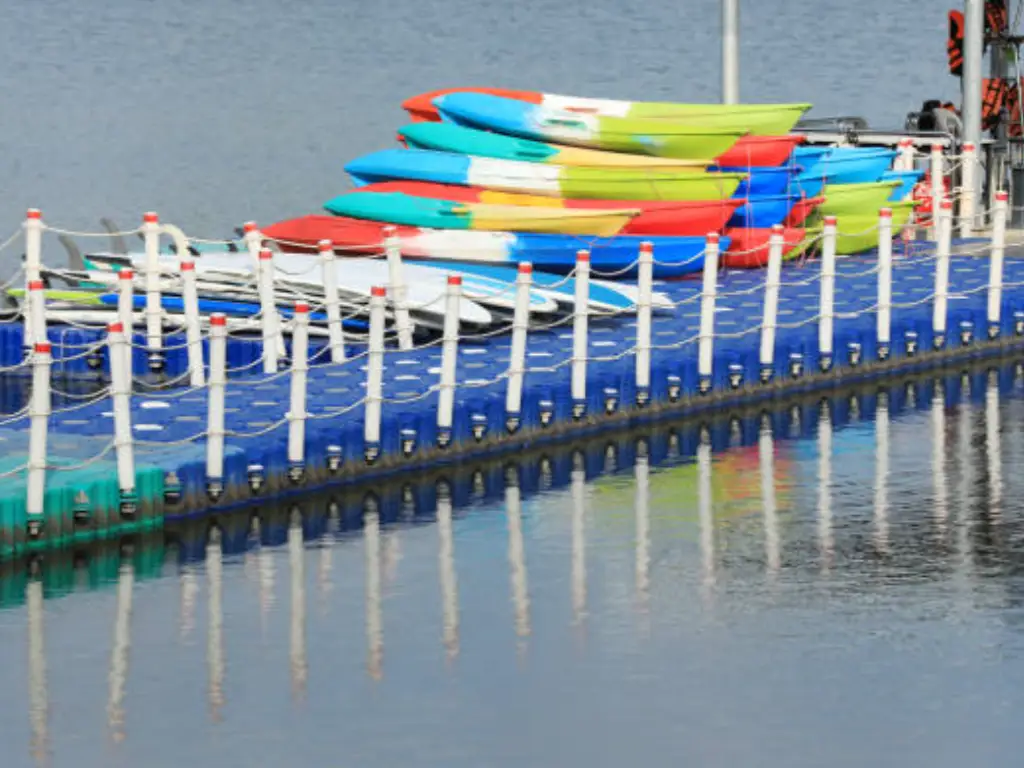
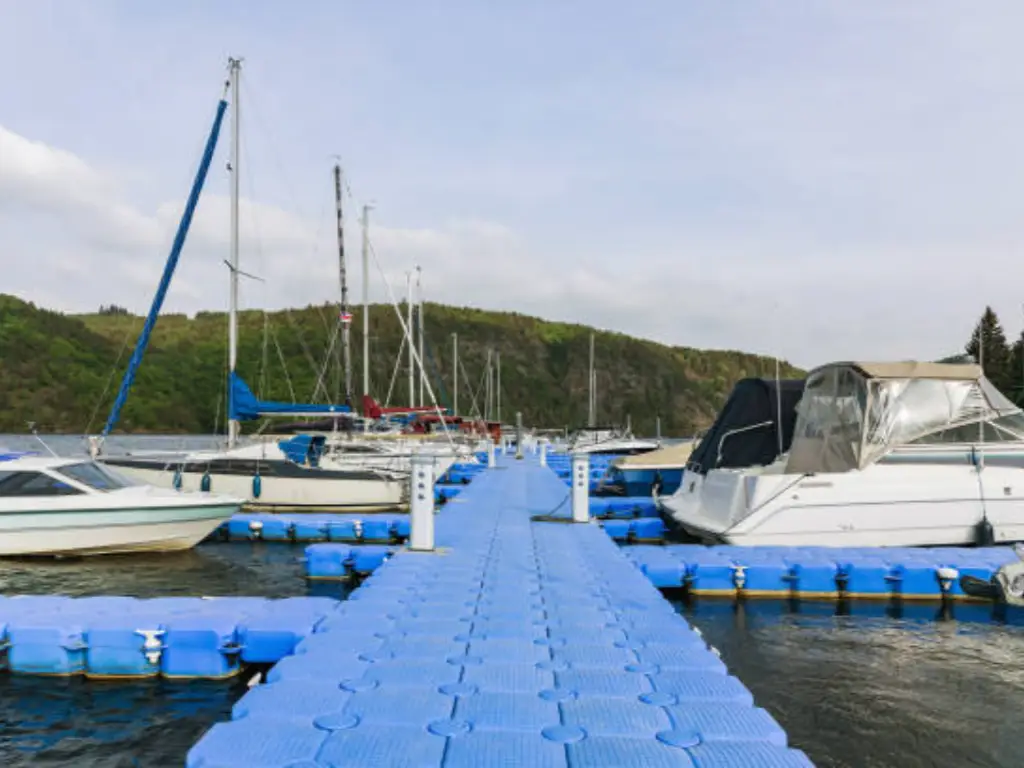
- De strategie voor droog aanmeren: De zekerste methode om 100 procent conformiteit te krijgen is om contact tussen romp en water te vermijden wanneer de boot in rust is. Droog aanmeren is mogelijk met modulaire drijvende platforms die ervoor zorgen dat de boot volledig boven de waterlijn ligt. Deze methode voorkomt in de eerste plaats biofouling en voldoet aan de strengste milieueisen zonder herhaalde chemische procedures.
Selectie en identificatie van professionele scheepswerven die voldoen aan de voorschriften
Zoek tijdens het doorlichten van een faciliteit naar faciliteiten die werken met een Closed-Loop afvalwaterherwinningssysteem. Deze speciale systemen zorgen ervoor dat alle liters water die worden gebruikt om zeepokken en oude verf af te blazen, worden opgevangen, gefilterd en behandeld in plaats van in de haven terecht te komen.
Een serviceprovider die voldoet aan 2026 moet vrijwillig de volgende documentatie verstrekken:
- Vergunningen voor afvalwaterbehandeling: Bevestiging dat de werf toestemming heeft om met zware metalen verontreinigd afvalwater te behandelen en af te voeren.
- Verslag over terugwinning van afval: Documentatie dat alle verwijderde kalk, zeepokkenhuisjes en verfschilfers werden gefilterd en afgevoerd als gevaarlijk afval.
- Primer Integrity & Hull Inspection Report: Een test na het reinigen die ervoor zorgt dat er geen structurele schade of overmatig lakverlies is veroorzaakt tijdens het ontkalkingsproces.
Conclusie
Zeepokken zijn biologisch onvermijdelijk bij het bezitten van een boot, maar ze hoeven geen economische ramp te zijn. Als je de vier fasen van hun levenscyclus kent en weet hoe zwaar ze de weerstand belasten, kunnen eigenaren hun reactieve reparaties omzetten in proactief beheer. Hoewel verven en ultrasone pulsen niet helemaal misplaatst zijn, is de meest rationele en ecologisch correcte ontwikkeling in 2026 de introductie van drijvende doksystemen. Door de romp uit het water te halen, lost u het probleem van de zeepokken bij de bron op en spaart u de prestaties van uw schip, de waarde ervan en het welzijn van het mariene milieu.
FAQS
V: Hoe voorkom ik dat zeepokken op mijn boot groeien?
A: Effectieve preventie bestaat uit het aanbrengen van hoogwaardige antifoulingverf, het regelmatig reinigen van de romp, het installeren van ultrasone afschriksystemen of het gebruik van een drijvend docksysteem om de romp volledig uit het water te houden wanneer deze niet wordt gebruikt.
V: Doet het pijn om zeepokken te verwijderen?
A: Het verwijderen van zeepokken is een fysiek veeleisend en arbeidsintensief proces dat agressief schrapen en onder druk wassen vereist, wat kan leiden tot huidbeschadigingen door de scherpe schelpen of mogelijke schade aan de gelcoat van de boot als er niet voorzichtig mee wordt omgegaan.
V: Wat veroorzaakt zeepokken op boten?
A: Zeepokken worden veroorzaakt door vrijzwemmende larven die op zoek gaan naar harde, onderwateroppervlakken om zich aan vast te hechten met behulp van een krachtige natuurlijke kleefstof. Uiteindelijk ontwikkelen ze zich tot permanente schelpen van calciumcarbonaat die een aanzienlijke weerstand creëren.
V: Waarom voorkomt rode verf zeepokken?
A: Traditioneel bevat rode aangroeiwerende verf hoge concentraties koperoxide, een biocide op basis van koper dat een oppervlakteomgeving creëert die giftig is voor zeepokkenlarven, waardoor ze zich niet kunnen vestigen en de romp niet kunnen koloniseren.

 English
  Thai
Thai  Spanish
  French
  German
  Dutch
Dutch  Italian