
Take your most frequently rented kayak to the dock trial. The cockpit may sit level with the edge when the boat is empty. Watch what happens when a paddler sits down and an instructor steps to the same side of the dock to steady the hull. That loaded height difference is the one your guests will encounter.
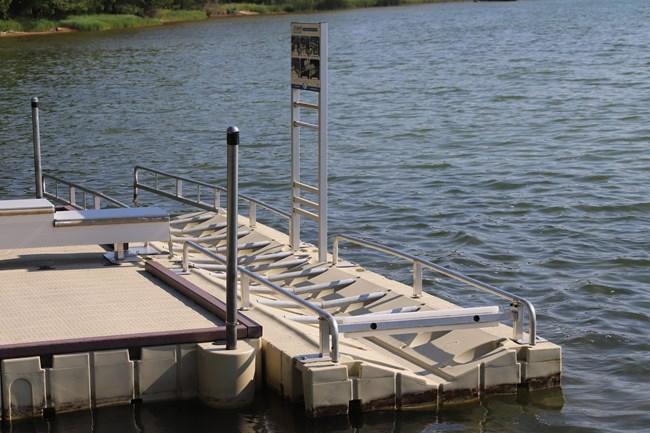
Can your longest tandem make the turn from the rack?
Walk a tandem from the storage rack to the water with two people carrying it. Leave benches and gear racks where they stand on a working day. The person in front may clear the gate while the stern is still swinging across the path. Now have another pair walk back carrying paddles. Where does either group have to stop?
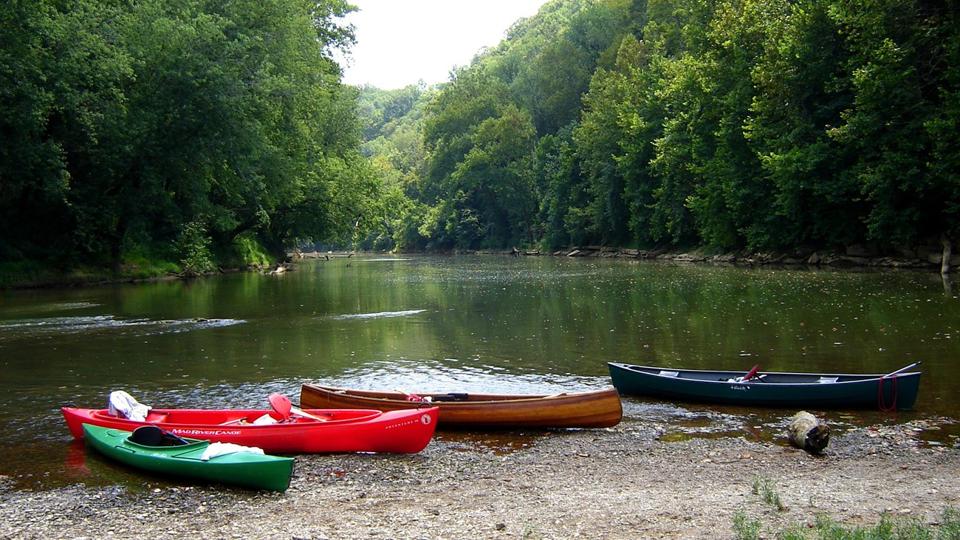
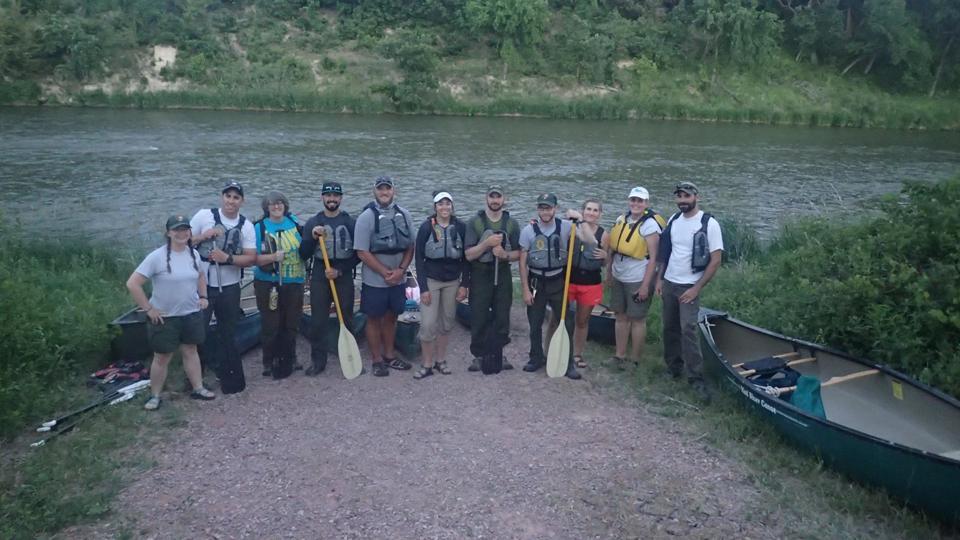
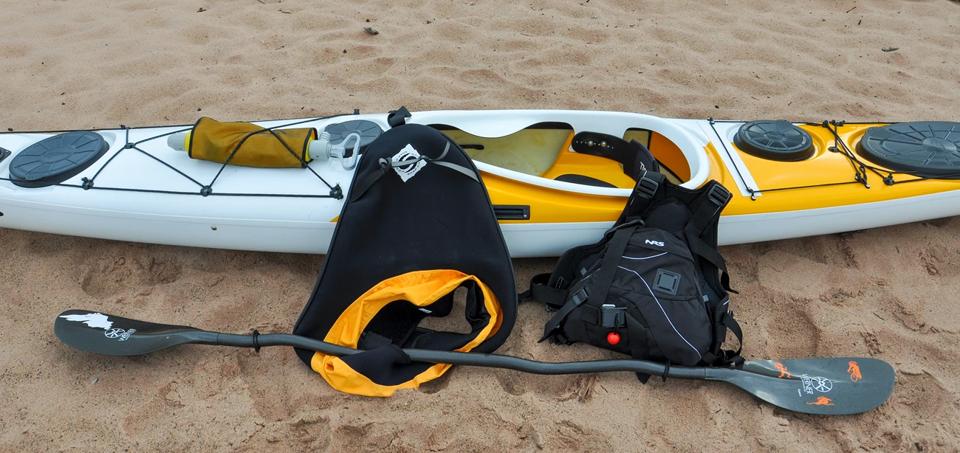
Fit life jackets, adjust footrests and issue paddles ashore. If every group adjusts its seats at the water’s edge, another launch lane may do little for the queue. Mark out the footprint of a waiting kayak and check whether an instructor can still reach both ends.
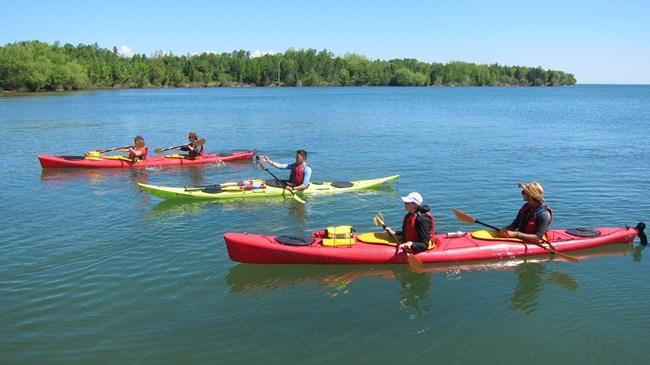
When does a low dock need a launch cradle?
| Operating conditions | Configuration to trial | What to check on the water |
|---|---|---|
| Sheltered water, experienced paddlers bringing different boats | Low side-entry dock with continuous edge protection and an open boarding face | Try the lowest cockpit for entry and exit, then bring the longest boat alongside and turn it clear. |
| Beginner groups using the same rental fleet | Guided cradle or roller launch with handrails | Check whether the widest hull binds, whether the narrowest tracks straight and whether both can re-enter from the water. |
| Paddlers making a lateral transfer from a wheelchair | Continuous access route, transfer seat and matching handholds | Invite experienced users to trial the full return trip, including wheelchair parking and room for a companion. |
Set the handrail position with a kayak in place. A rail that ends behind the seat can leave a paddler without a handhold halfway through a transfer. One that projects too far forward can catch the first paddle stroke. Ask the supplier for a cross-section showing the deck, seat, cockpit rim and handhold for a named boat and loading condition. Loon Lake in Michigan pairs a floating dock with a transfer system and a launch cradle. Loon Lake site notes
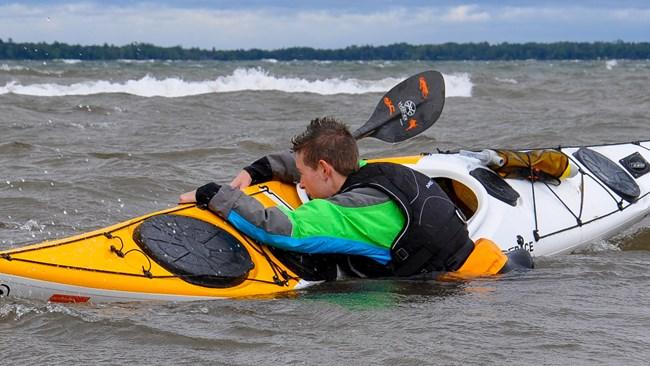
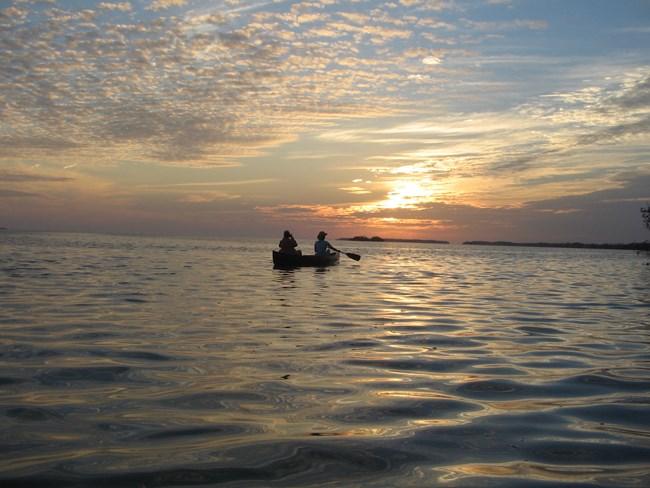
Can a returning paddler line up with the entrance?
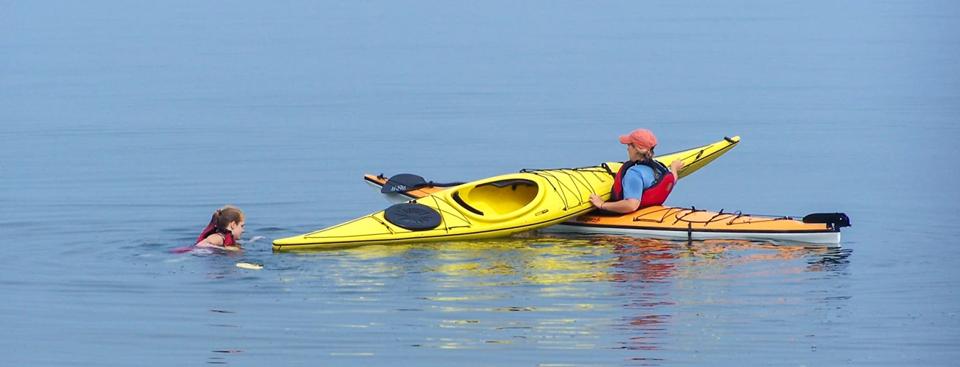
Approach the entrance from the water. In a crosswind, where does the stern drift once the bow lines up? Where can a second boat wait? Check whether an instructor can reach the hull while keeping hands clear of rollers and other pinch points. For boats with a rudder, skeg or pronounced keel, check retraction, hull support and clearance against the boat manufacturer’s instructions.
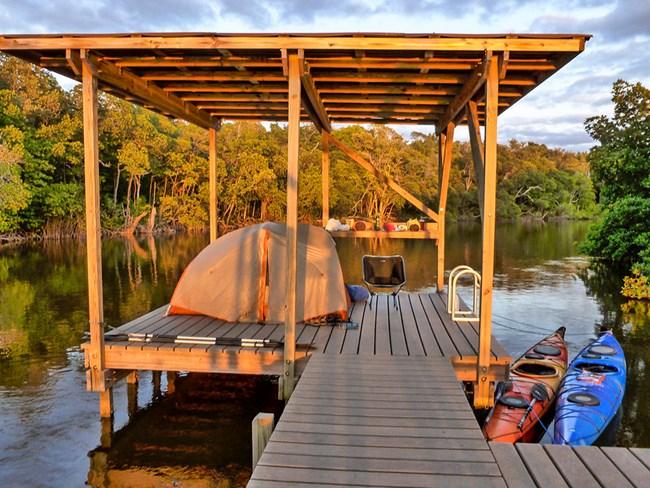
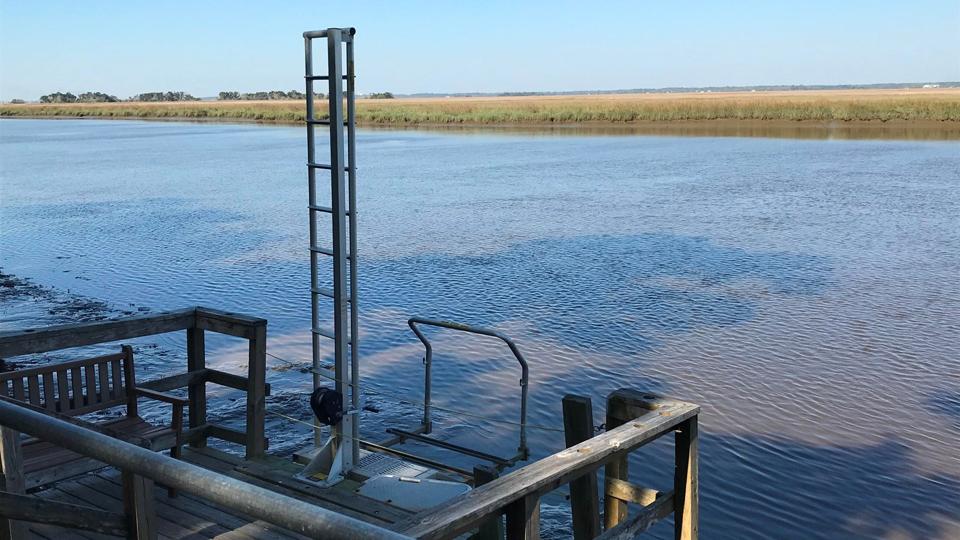
A floating dock follows the water level. The gangway slope and the depth beyond the launch still change. At low water, check clearance beneath the end of the chute. At high water, inspect the gangway transitions and look for debris at the entrance. Record the tide during trials. Fort Frederica uses a hand-cranked lift to reach a tidal river from a raised deck. The park asks paddlers to check tides and wind when planning a visit. Fort Frederica site notes
Run a round-trip trial before signing off
Trial the narrowest and widest boats in the rental fleet. Note who steadies each boat, whether anyone has to lift the stern and where each guest goes after stepping out. Then time a return while the next group is waiting to launch. Start when the returning boat enters the approach and stop when the landing is clear for the next crew. Mark each hold-up on the layout and agree who will address it.
Wat moet je meesturen bij een offerteaanvraag?
Send the dimensions and underside and stern photos of your fleet, a measured route from storage to the water, the operating water-level range and prevailing wind and current, plus group size, launch frequency and staffing. Ask for a layout and a cross-section with a boat in place. Have the supplier show how the rails attach, where a technician can reach the rollers and which spares the operator should stock.

 English
 Thai
 Spanish
 French
 German
 Dutch
 Italian
 Arabic
 Indonesian
 Portuguese
 Turkish