
Understanding Your Jet Ski’s Docking Capabilities
To begin, it is important to know about the docking capabilities of your PWC (personal watercraft) before you learn how to dock a jet ski. Jet skis, Waverunners, are meant for the speed and the agility, and this is what makes docking a bit difficult for beginners. The foundation of jet ski docking success is the ability to manipulate the throttle and handlebar for the purpose of speed and direction control of the PWC.
The location of your jet ski tow hooks is another important factor that you need to keep in mind as this is the primary point where you attach your PWC to any dock or pwc lift. Learn the placement of the hooks and check their condition before you dock your jet ski. In the same line, the knowledge of your watercraft’s mass and size will enable you to decide the best docking approach and the type of dock that suits your needs.
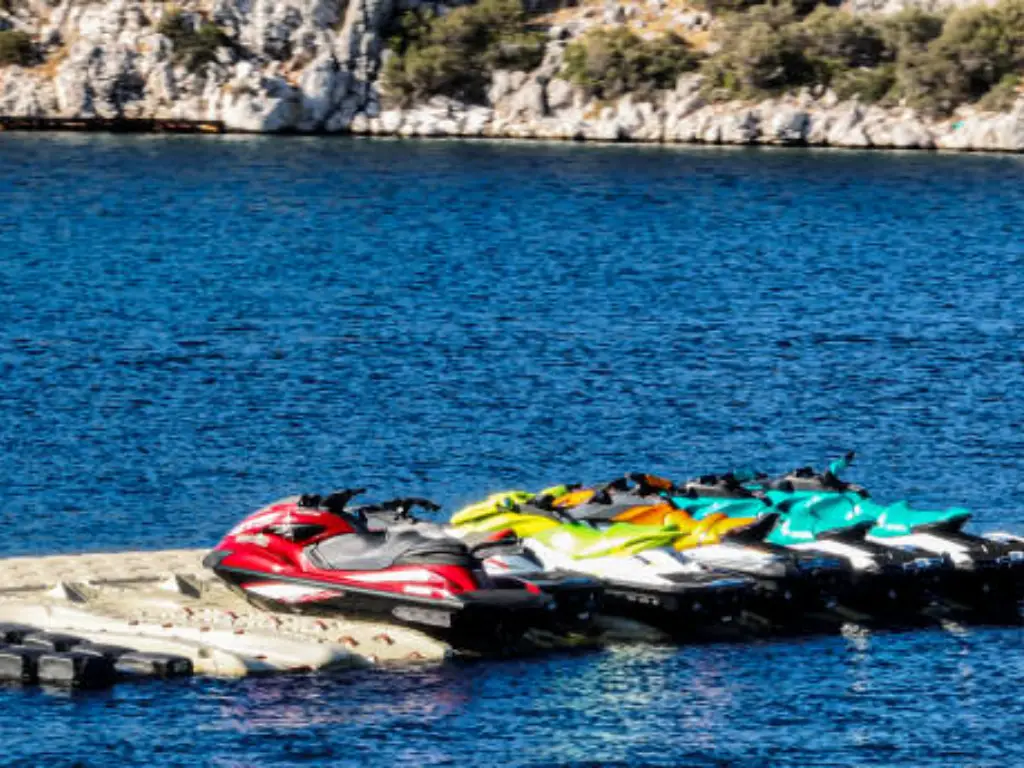
Avaliação do ambiente de acoplamento
Ao aprender a atracar um jet ski, é fundamental observar o ambiente com atenção. Ao se aproximar do cais, preste atenção à profundidade da água, ao movimento das ondas e à presença de outras embarcações ou obstáculos. Lembre-se de que, se estiver em uma marina, você deve seguir as regras e normas de conduta específicas dos cais da marina. Essas regras podem diferir das aplicadas em cais públicos ou em propriedades privadas.
Leve em consideração o tipo de doca que você vai construir; pode ser uma doca flutuante, uma fixa ou um elevador para jet skis. Cada tipo de atracação tem sua própria técnica específica, e você precisa estar familiarizado com todas elas para conseguir atracar seu jet ski com segurança. Um exemplo disso é quando você está usando uma doca flutuante, que é afetada pela ação das ondas ou pela esteira de outras embarcações. Por outro lado, uma doca fixa oferece um local de atracação mais estável, mas você precisa ter melhores habilidades de atracação para evitar erros.
Equipamentos e acessórios essenciais para atracação
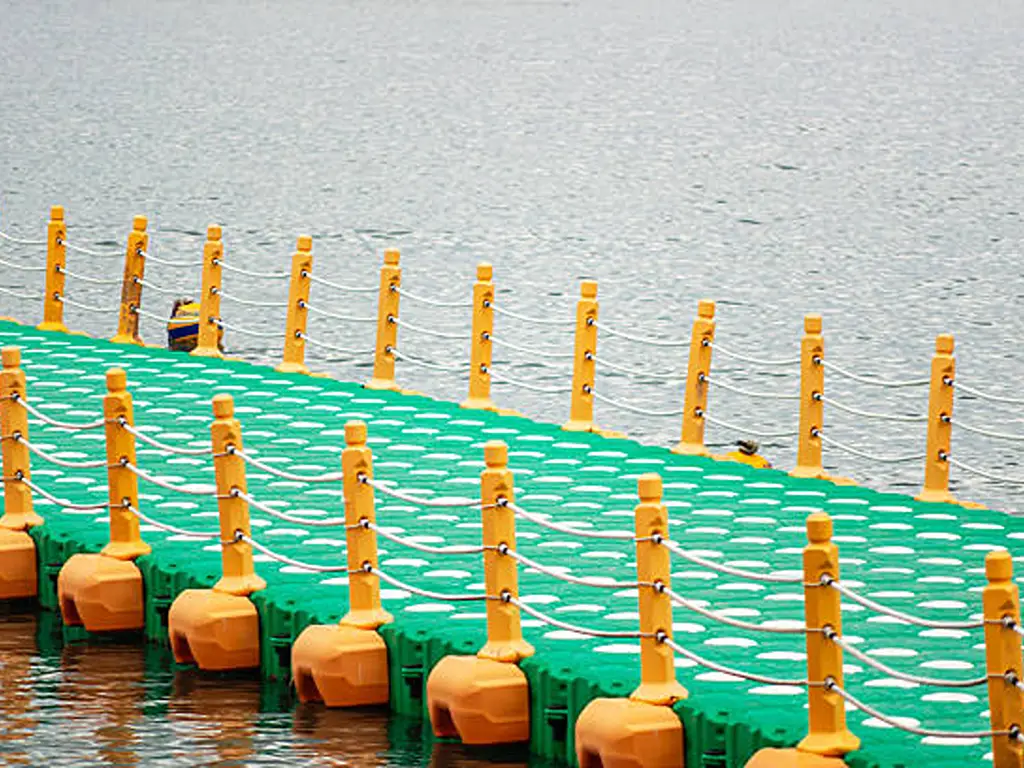
Se você for atracar sua moto d’água em um cais flutuante de plástico projetado para esse fim, é fundamental ter o equipamento e os materiais corretos para garantir uma experiência segura e bem-sucedida. A instalação de cabos de amarração e cordas elásticas é necessária para amarrar sua moto d’água às presilhas do cais usando um nó de presilha. Escolha cordas confiáveis e duráveis que se adaptem perfeitamente às dimensões e ao peso do seu jet ski, pois elas podem diferir das utilizadas para embarcações maiores. As cordas elásticas não só proporcionam espaço extra e absorção de impactos, como também são muito úteis em situações em que você precisa atracar em águas agitadas ou ao usar uma doca para jet skis que se move com as ondas.
Os para-choques e protetores fazem parte da lista de acessórios indispensáveis, pois ajudam a proteger seu jet ski e o cais contra danos durante a atracação. É o mesmo que colocar almofadas cilíndricas macias entre o jet ski e o cais flutuante de plástico para evitar arranhões, amassados e outros impactos. Ao escolher defensas e amortecedores para o cais do seu jet ski, leve em consideração o tamanho do seu jet ski e o layout do cais para garantir que eles se encaixem corretamente nele. Em alguns cais flutuantes de plástico, você pode encontrar ranhuras para amortecedores ou pára-choques embutidas diretamente no próprio cais, o que facilita a colocação desses dispositivos de proteção exatamente onde você precisa. Além disso, o gancho de barco pode ser uma ferramenta muito útil para segurar as amarras ou guiar sua moto aquática até a posição correta. Por outro lado, os mosquetões podem ser uma maneira muito rápida e fácil de prender e soltar as amarras, o que ajudará a tornar o processo mais prático e eficiente.
| Equipamentos essenciais para atracação | Objetivo |
| Linhas de amarração | Prenda o jet ski às presilhas do cais usando um nó de presilha |
| Cordas elásticas | Proporciona espaço adicional e absorção de impactos ao atracar em águas agitadas ou ao usar uma doca móvel |
| Pára-lamas e para-choques | Proteja o jet ski e o cais contra danos durante a atracação, colocando-os entre o jet ski e o cais |
| Gancho de barco | Segure as amarras ou conduza o jet ski até a posição correta |
| Mosquetões | Prenda e solte rapidamente as amarras para uma atracação prática e eficiente |
Choosing the Right Docking Approach
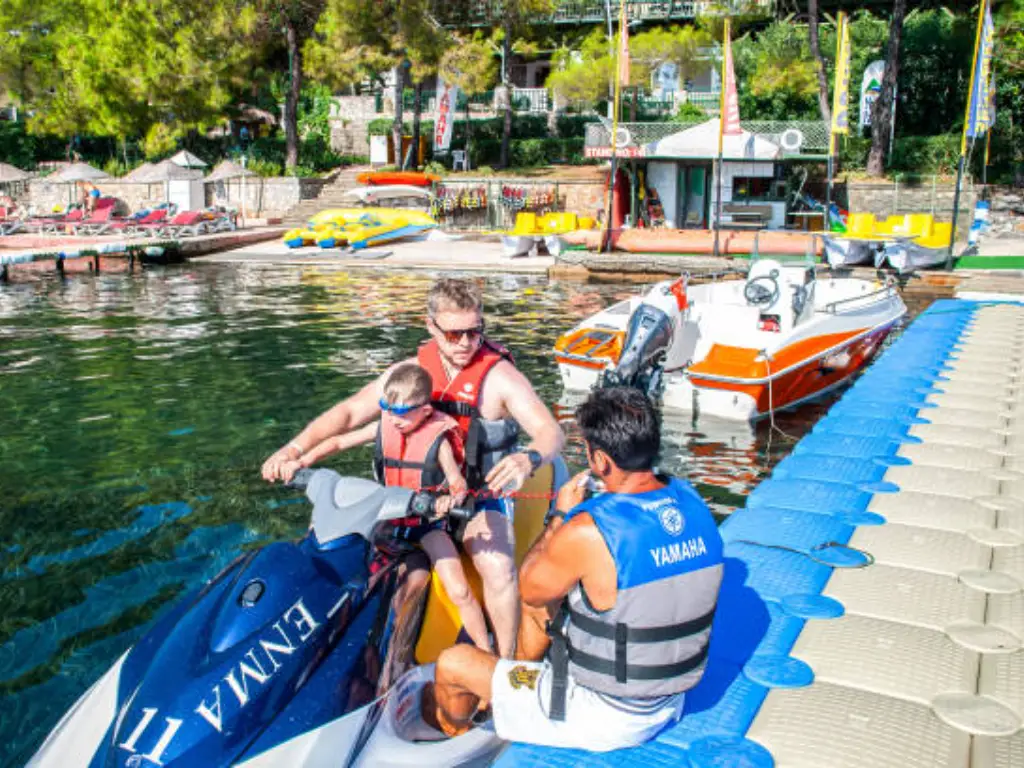
When it comes to docking your jet ski, there are two primary approaches: parallel parking and docking perpendicular. The selection of the one method is the result of the consideration of the type of dock, water conditions, and your personal preference. By becoming proficient in both of these techniques, you will get an opportunity to handle all the dock options in a more confident way.
Parallel Docking Technique
Parallel docking is the process of parking the back of your jet ski in such a way that you are side by side with the dock and your PWC is positioned parallel to the edge of the dock. This technique is typically used when docking maneuvers involve a narrow space along the shoreline and a lot of traffic. To accomplish a docking maneuver in parallel, come to the dock at a speed of 20-30 degrees and gradually turn handlebars to bring your jet ski parallel to the dock. Use short bursts of throttles to stay in control and prevent your PWC to drift off from the dock. Once you have reached the dock, tie your jet ski to the dock cleats with the dock lines.
Perpendicular Docking Technique
The second method is called perpendicular docking or “drive-in” docking that involves approaching the dock head-on and your jet ski stopping perpendicular to the dock’s edge. This method is quite convenient in cases where you have the luxury of space and you need to drop off or pick up passengers in a hurry. In order to carry out a perpendicular docking maneuver, come to the docking point slowly and at a 90-degree angle. Approaching the ferry, slow down and shift your jet ski into neutral. Continue riding your PWC’s momentum as it will carry you the rest of the way. If needed, use short bursts of reverse throttle to stop it before it hits the dock.
Avoiding Common Docking Mistakes
A jet ski docking may be a challenging task, even for the beginners. In order to avoid the common mistakes and ensure a smooth and safe docking experience, let us discuss the things to be avoided. One of the most common flaws is just over speeding to the dock. Make sure to keep your speed at a controllable level when you come near to the dock, giving yourself enough time to make changes if anything happens to the docking environment.
Yet another error to avoid is not including wind, current or wave action in your calculation. These elements might be the main cause of your difficulty in docking and can make the process more troublesome. Checking the conditions is the first step before docking, and you should be prepared to make changes as necessary. Lastly, after doing all of that, you should use your dock lines to secure your jet ski properly. Not following the correct procedure for securing your PWC can cause damage to your water vessel or the dock or even let your jet ski float away.
Advantages of Docking Your Jet Ski at a Plastic Floating Dock
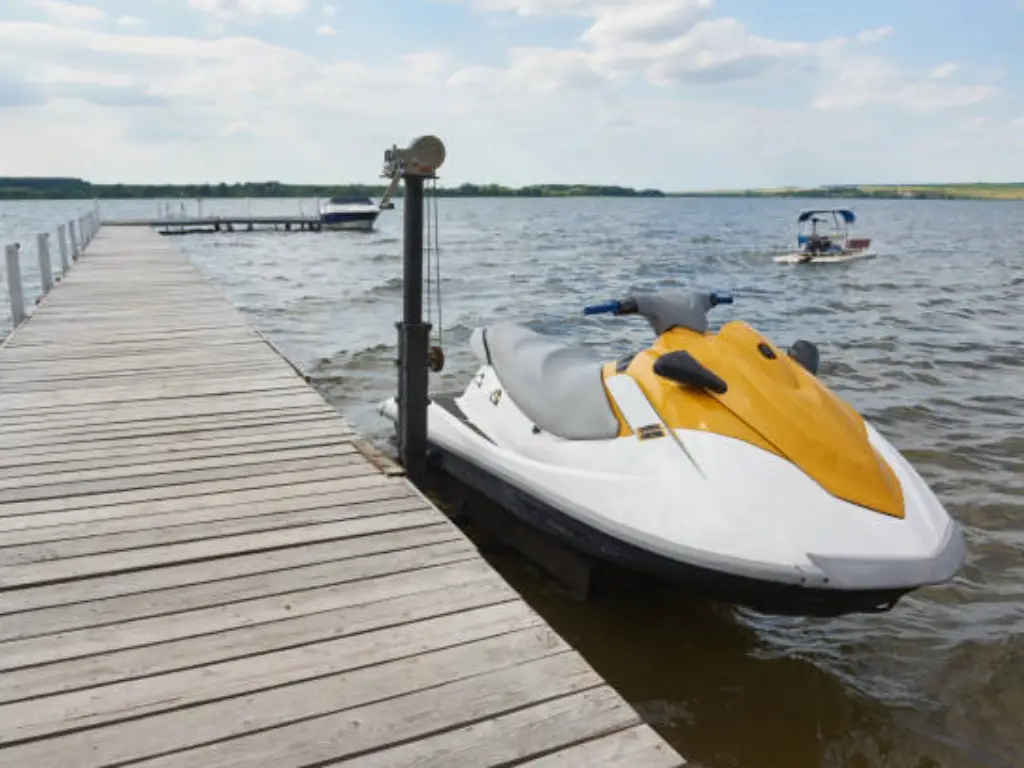
The case of docking your jet ski, it is the plastic floating dock which provides you with various benefits compared to others types of docks. These docks are designed with only small watercrafts in mind, like jet skis, and as such they provide a stable, safe and convenient platform for embarkation and disembarkation.
Durability and Low Maintenance of Plastic Floating Docks
Among the main benefits of plastic floating docks is the fact that they are durable and have minimal maintenance requirements. The docks are made of the HDPE (high-density polyethylene) which is resistant to UV rays, weathering, and impacts. In contrast with wooden docks, plastic floating docks are not splintered or rotted out, and they do not need painting or staining every so often. This translates into the fact that you’ll be able to spend more time having fun on your jet ski and less time worrying about maintaining the dock.
Stable Platform for Easy Boarding and Disembarking
Stable plastic pontoons serve as a base for jumping on and off your jetski, even under waves. The floats of the dock aid in the absorption of wave action as well as boat wakes and, consequently, create a more stable surface than fixed docks. It is this stability that makes it easier and safer for a child, the elderly or a person who is not physically able to get on and off the PWC.
Customizable Configurations for Jet Ski Docking
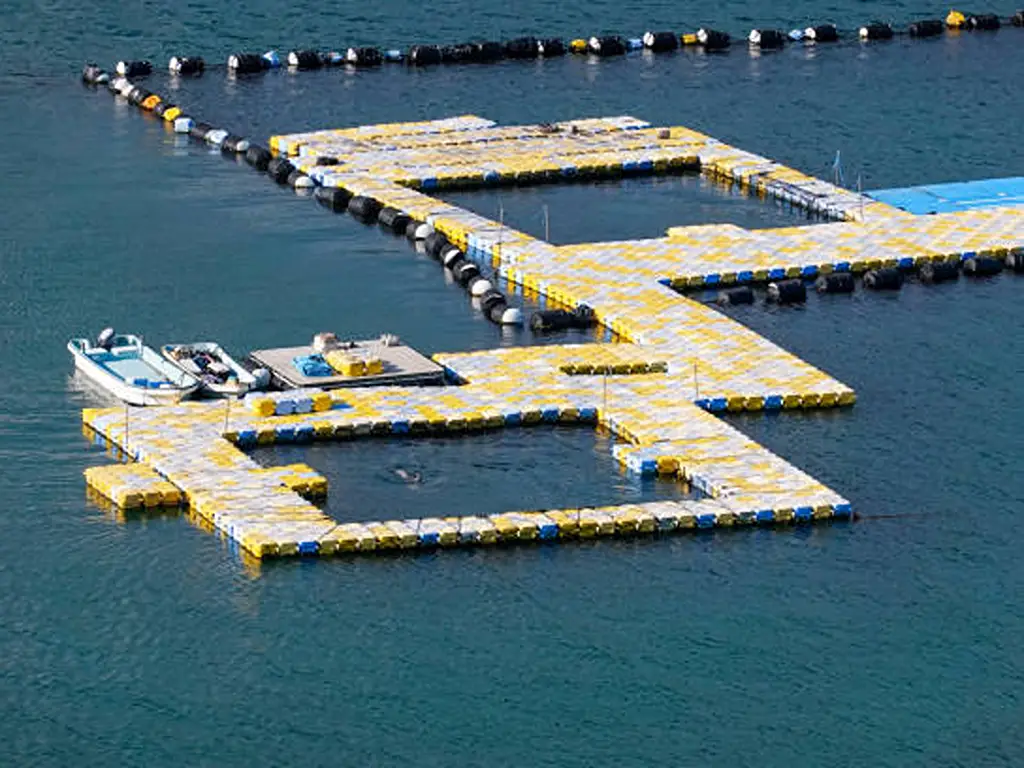
The other benefit of floats plastic is their modular structure that permits customized arrangements so as to meet the docking needs of your jet ski. You can choose to include or omit any section to get the exact sizing and layout you desire for your beachside property. Various floating Plastic dock systems are also furnished with a plethora of accessories, including PWC lifts, dock boxes, and fishing rod holders, to set the mood right for your docking experience.
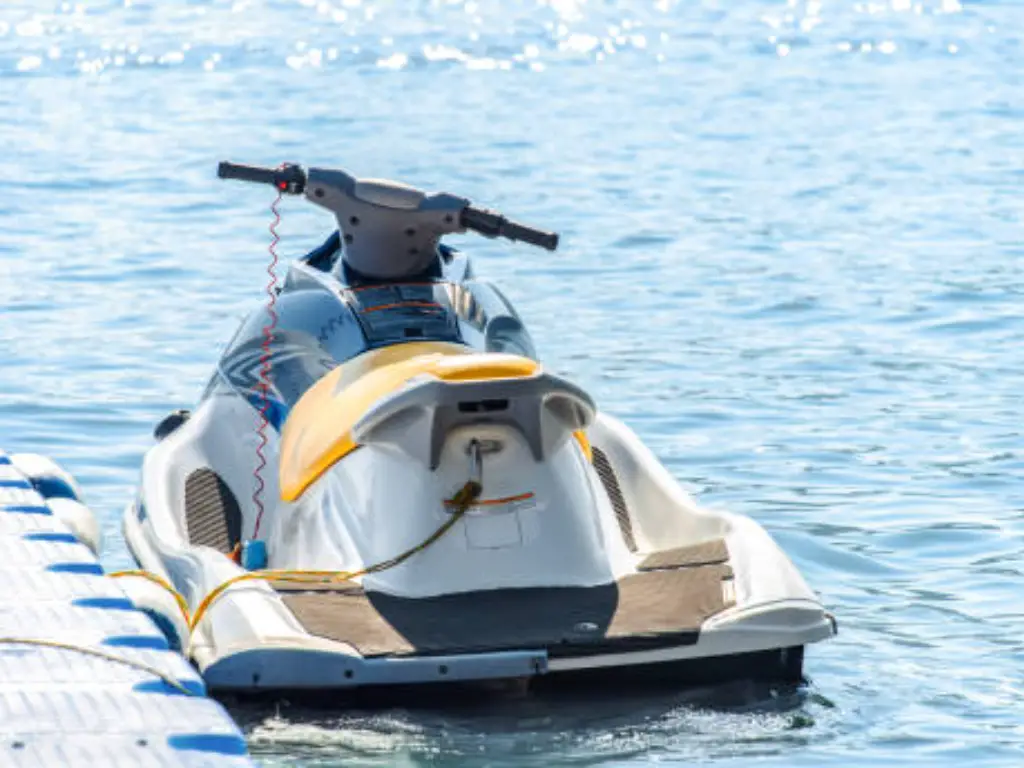
Maintaining Your Plastic Floating Dock for Optimal Jet Ski Docking
Regular Cleaning and Inspection Tips
First, clean your floating dock built of plastic at least once a week to remove dirt, debris, and algae. Try a brush with soft bristles, mild soap, and fresh water to clean the dock surface. Particularly pay attention to the high-traffic areas and the spaces between the dock sections. Clean the dock using a hose or pressure washer on the low setting, to make sure you don’t damage the plastic.
Examine your dock frequently for wear and tear, damage, or loose connections. To prevent any hardware failure, make sure that all of the bolts, nuts, and brackets are tight and secure. In case you find any cracks, punctures, or any other damage on the surface of the dock, call the manufacturer or a professional for getting the repair advice.
Proper Storage and Winterization Techniques for Plastic Floating Docks
If you happen to live in an area that experiences extreme winter conditions, it is important to store your plastic floating dock and winterize it. First, before the freezing temperatures come, remove your dock from water and clean it thoroughly. Keep the dock components in a dry, sheltered place, such as a garage or shed, to guard them from ice, snow, and debris accumulation.
Should you opt to keep your dock in the water during the winter, then you should consider installing a bubbler system or de-icer to prevent ice from forming around the dock. Ensure that you unplug any electrical devices and take out any accessories, like PWC lifts or dock boxes, to avoid them from damage due to freezing.
Troubleshooting Common Issues with Plastic Floating Docks
Plastic floating docks, being hardy and low-maintenance, may still occur to various problems that are detrimental to their performance. One of the common issues is that the water can collect inside the dock sections and the dock will get to sit lower in the water. To overcome this problem, inspect the dock area for cracks or holes and repair them immediately. If water has already accumulated, use a pump or a drain plug to get the water out.
Another important issue is the development of algae or other aquatic organisms on the docking surface, which can make the docking slippery and unsafe for jet ski docking. In order to avoid this, applying the eco-friendly algaecide or anti-fouling paint on your dock can be a good idea. Besides, frequent cleaning of the dock will help you to control the growth of algae and ensure the dock surface is safe for use.
Conclusão
Knowing how to safely and effectively dock a PWC is one of the most important skills for any jet skiing enthusiast. It is very important to know the docking capabilities of your jet ski, evaluate the docking environment, and use the proper equipment and methods for docking the jet ski with confidence.
If one is to be able to choose the best docking solution for their jet ski, a plastic floating dock offers a number of benefits such as its durability, stability, and customizable configurations. Proper upkeep and maintenance are key ingredients for keeping your plastic floating dock in good condition for many years of hassle-free jet ski docking.

 English
  Thai
Thai  Spanish
  French
  German
  Dutch
Dutch  Italian
  Arabic
  Indonesian
  Portuguese
  Turkish