
Introdução
Para a maioria dos velejadores, o barco pontão é o símbolo máximo do lazer aquático: uma sala de estar flutuante destinada a servir como espaço de convívio e relaxamento. Mas a tranquilidade de um dia no lago se perde facilmente assim que o capitão chega à marina. Para os novos velejadores, a parte mais estressante de ter um barco pontão é frequentemente citada como sendo a atracação. Mesmo para iniciantes que assumem o leme pela primeira vez, é importante perceber que um barco pontão funciona com princípios físicos diferentes em comparação com um barco convencional de fibra de vidro com casco em V, que corta a água e fica bem afundado nela.
Aprender a atracar não é apenas uma questão de evitar choques ou arranhões embaraçosos, mas sim uma questão de segurança, preservação dos bens e confiança no mar. Este manual é uma explicação técnica detalhada sobre como lidar com essas embarcações especiais, começando pela física do casco e indo até as manobras sofisticadas necessárias em circunstâncias desfavoráveis. Também discutiremos como a infraestrutura que você prefere utilizar para atracar, ou seja, os sistemas flutuantes modulares, pode alterar radicalmente o desafio dessa tarefa.
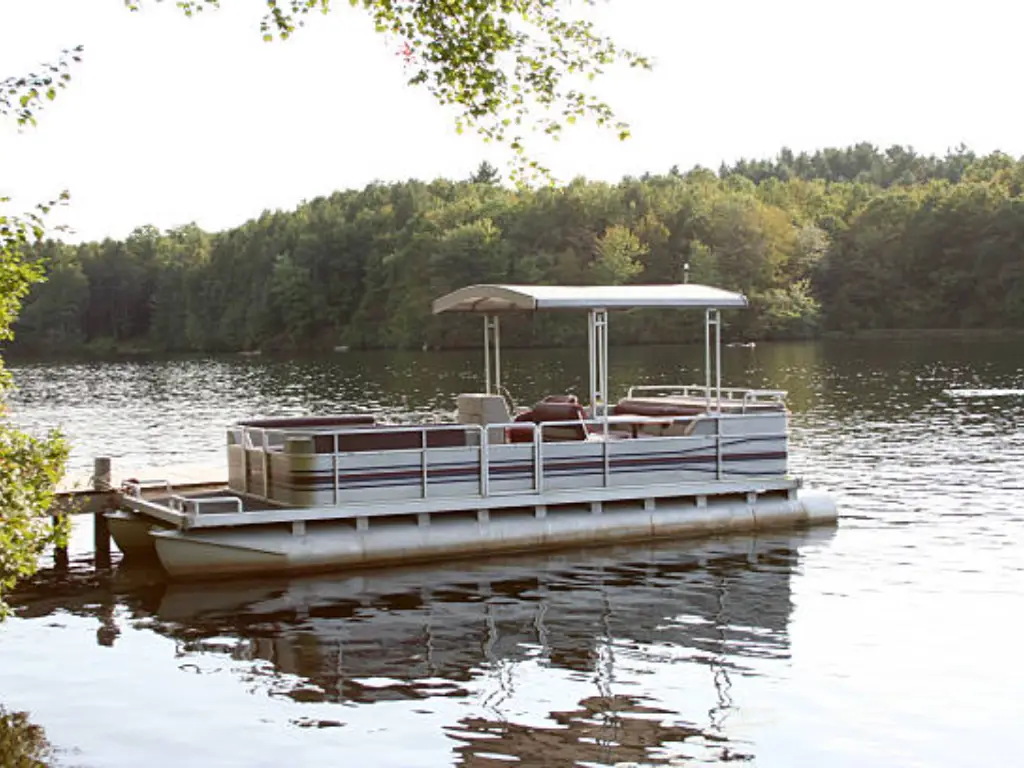
Por que é mais difícil atracar um barco pontão do que um barco comum?
Também é natural que atracar um pontão seja mais difícil do que outros tipos de embarcações, devido ao fato de que seu projeto é muito mais sensível às condições meteorológicas. Ao contrário de uma embarcação convencional, que repousa na água para manter sua estabilidade, a dinâmica de um pontão em qualquer corpo d’água cria três obstáculos distintos:
- Enorme área de resistência ao vento: O maior problema é o efeito de vela. Um barco de pontões possui grades altas de alumínio e costuma ter um grande toldo Bimini. Juntamente com um convés que fica bem acima da linha d’água, o barco funciona como uma vela gigantesca, que capta até mesmo a mais leve brisa. Um barco com casco em V é mais afetado pelas correntes de água, enquanto um barco de pontões fica quase totalmente à mercê do vento.
- Calado raso e atraso na direção: Os pontões ficam sobre a água, em vez de dentro dela. Os tubos de alumínio (troncos) têm flutuabilidade e são rasos; por isso, não oferecem a aderência que uma quilha profunda proporcionaria. Ao navegar em baixa velocidade, é possível observar que há um atraso entre o momento em que o leme é girado e o momento em que a embarcação realmente vira. Isso exige que o capitão antecipe os movimentos vários segundos antes de eles serem necessários.
- Gestão do impulso: Um barco pontão é uma plataforma enorme que apresenta atrito subaquático mínimo. Isso cria um paradoxo: é difícil fazer o barco partir quando ele está parado, mas, quando já ganha impulso, também é difícil pará-lo. Ele não desliza até parar como um carro; ele simplesmente desliza. Para lidar com essa inércia, sem o auxílio de freios, é necessário um controle rigoroso da propulsão do motor.
Preparações antes da atracação
O local de atracação é definido cinco minutos antes de você chegar lá. A principal causa dos acidentes é a pressa na aproximação; uma atracação profissional envolve analisar o ambiente ao redor e preparar o equipamento muito antes da atracação.
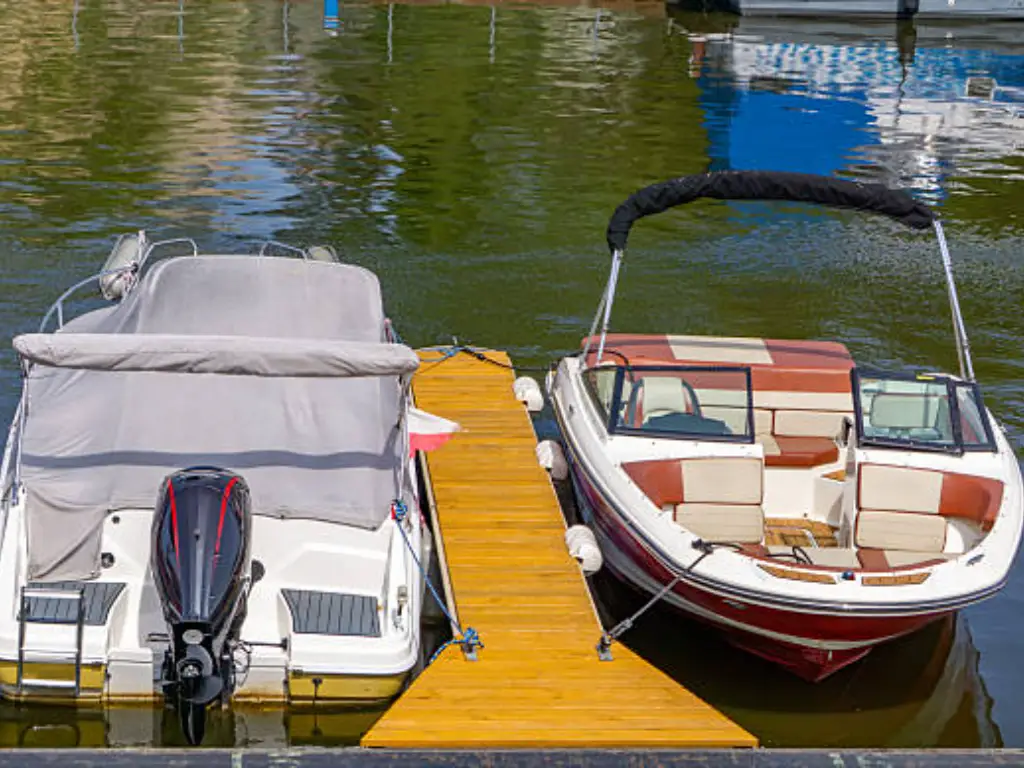
- Avaliação do ambiente e da abordagem: Antes de partir, observe a direção e a intensidade do vento observando as bandeiras, as ondulações da água ou a inclinação dos barcos atracados. Quando o vento estiver soprando em sua direção, em direção ao cais (Wind-On), aproxime-se em um ângulo raso, quase paralelo, e deixe que o vento leve o barco até a posição correta. Quando o vento estiver soprando na direção oposta (Wind-Off), você deve se aproximar em um ângulo mais inclinado, de 30 a 45 graus, com impulso suficiente para superar a deriva. Nesse caso, você deve, antes de tudo, colocar a corda da proa no lugar para que possa usá-la como ponto de apoio.
- Posicionamento estratégico dos pára-lamas: Os para-choques devem ser colocados na seção mais larga do trilho de proteção do barco e devem ser ajustados de acordo com o tipo de doca. No caso de docas flutuantes, suspenda os para-choques em um nível baixo, de modo que quase toquem a linha d’água, para garantir que o barco não suba acima da superfície da doca. Em pontões, coloque pelo menos três para-choques nos postes de sustentação principais da grade, na proa, no centro e na popa, nunca na malha de baixa resistência, de modo a cobrir totalmente o comprimento.
- Preparação da linha e da equipe: Antes de entrar no canal da marina, todas as amarras devem estar desatadas, todos os nós devem estar desfeitos e todas as amarras devem estar previamente presas às presilhas. Passe a ponta das amarras por cima das grades e pela lateral do barco, para que possam ser lançadas ou usadas para pular, sem ficarem presas nas ferragens. Enquanto isso, instrua sua tripulação e os passageiros a permanecerem sentados e avise-os especificamente para nunca usarem as mãos ou os pés para amortecer o impacto entre o barco e o cais.
Lista de verificação pré-acoplamento
| Categoria | Ação a ser realizada | Prioridade |
| Motor | Ajuste o motor na potência máxima para obter o máximo de impulso e controle de direção. | Crítico |
| Pára-lamas | Alinhe a altura com o trilho de proteção do cais; ajuste-a mais baixa para cais flutuantes. | Crítico |
| Linhas | Desfaça todos os nós e passe as cordas para fora das grades para a implantação. | Alto |
| Segurança | Certifique-se de que os passageiros permaneçam sentados e mantenham os membros dentro do barco. | Alto |
| Profundidade | Fique atento ao sonar para detectar pontos rasos ou detritos próximos à beira do cais. | Médio |
Princípio fundamental: “Devagar é bom”
A regra de ouro da atracação é nunca se aproximar de um cais ou de uma doca flutuante a uma velocidade maior do que a que você deseja para encostar nele. A principal causa de danos ao casco e de acidentes de atracação são as aproximações em alta velocidade. A atracação profissional baseia-se no controle do impulso e em impulsos calculados de força, em vez de propulsão contínua.
- Aprendendo a usar o Pulse Power: O erro mais comum é deixar o barco engatado por tempo demais e gerar uma inércia incontrolável. Em vez disso, adote um ritmo de “engatar e desengatar”. Engate o motor por apenas um segundo, para dar ao barco um leve impulso de direção e velocidade, e em seguida volte imediatamente para o ponto morto. Isso permite que a embarcação navegue com seu próprio impulso, enquanto o motor é usado para fazer pequenas correções e mantê-lo no rumo certo.
- Marcha à ré como freio: Os barcos não possuem freios convencionais; portanto, é preciso usar a propulsão reversa para neutralizar a energia de avanço. É possível parar o barco completamente no ponto desejado engatando a marcha à ré e dando uma acelerada curta e brusca logo antes de chegar ao destino. Esse método garante que o barco fique apoiado nos para-choques, em vez de bater no cais para se manter parado.
- Postura ao volante e visibilidade: A visibilidade é o fator mais importante na aproximação final e, por isso, recomenda-se enfaticamente que você fique em pé ao manobrar. Essa posição ereta permitirá que você olhe por cima da cerca e avalie corretamente a distância que vai diminuindo entre os pontões e a borda do cais. Além disso, certifique-se de que a proa esteja totalmente livre de passageiros; qualquer pessoa em pé na parte da frente criará um ponto cego grave que impedirá que você veja o ponto de contato.
Como atracar um barco pontão em 7 etapas padrão
Para realizar uma aterrissagem controlada e profissional, utilize este procedimento sistemático de sete etapas, que o ajudará a controlar o impulso e a posição do seu barco.
- A abordagem: Comece a aproximação com o barco em um ângulo de 30 a 45 graus em relação ao cais. Esse ângulo específico permitirá que você aponte a proa diretamente para o ponto de atracação de sua escolha e ainda mantenha a popa e a hélice em águas abertas. Esse posicionamento é fundamental, pois proporciona a distância necessária para virar a parte traseira do barco durante a última fase da manobra.
- Ajuste da direção: Um pontão só consegue ser manobrado em baixas velocidades de atracação quando a hélice está realmente girando. Para manter a velocidade sob controle sem acelerar demais, use a técnica “Manobrar, depois Engatar”: gire o volante na direção desejada e, em seguida, engate uma marcha para dar um impulso de aceleração de um segundo. Isso faz com que a embarcação vire assim que você engatar a marcha, em vez de seguir em frente enquanto você continua girando o volante.
- Microajustes de potência de pulso: Quando você estiver na zona de 10 pés (cais), o motor deve ficar em ponto morto 90% do tempo. Aplique potência em pulsos — cliques de um segundo na marcha à frente — para manter o rumo reto e combater o desvio causado pelo vento. Essa técnica de “apontar e avançar” não permite que o barco ganhe inércia, o que é a causa mais frequente de colisões violentas contra o cais ou os pilares.
- O freio de ré: When the bow is 2 to 3 feet off the dock, turn the steering wheel sharply away off the dock and put it in reverse. This maneuver is your brake to counteract any left over forward energy. At the same time, the reverse propulsion draws the stern to the dock, pancaking the boat in effect to land it perfectly parallel to the landing surface.
- Final Alignment: When the boat is parallel and the forward motion is terminated, make a last pulse of forward or reverse gear with the wheel in the center to move the vessel to its final position. The idea is to have the side gates of the boat perfectly in line with the cleats of the dock so that your passengers can pass without any danger and your mooring lines can be at the best angles.
- Tying the Lines: It is always best to tie the upwind or up-current line first. When the wind is blowing you off the dock, it is important to tie the bow line or a mid-ship spring line on the spot to avoid the boat returning out to sea. When the up wind side is anchored, the pressure of the wind will assist in holding the boat against your fenders as you tie off the remaining lines.
- Final Check: Once the lines are tight, close the engine. Finally, make a final walk-through to ensure that your fenders are properly placed at the broadest section of the rub rail and pressed against the dock. Make sure that they have not risen up on the surface of the piers because when a fender is placed in the wrong position, the aluminum pontoons are exposed to direct contact and may be damaged.
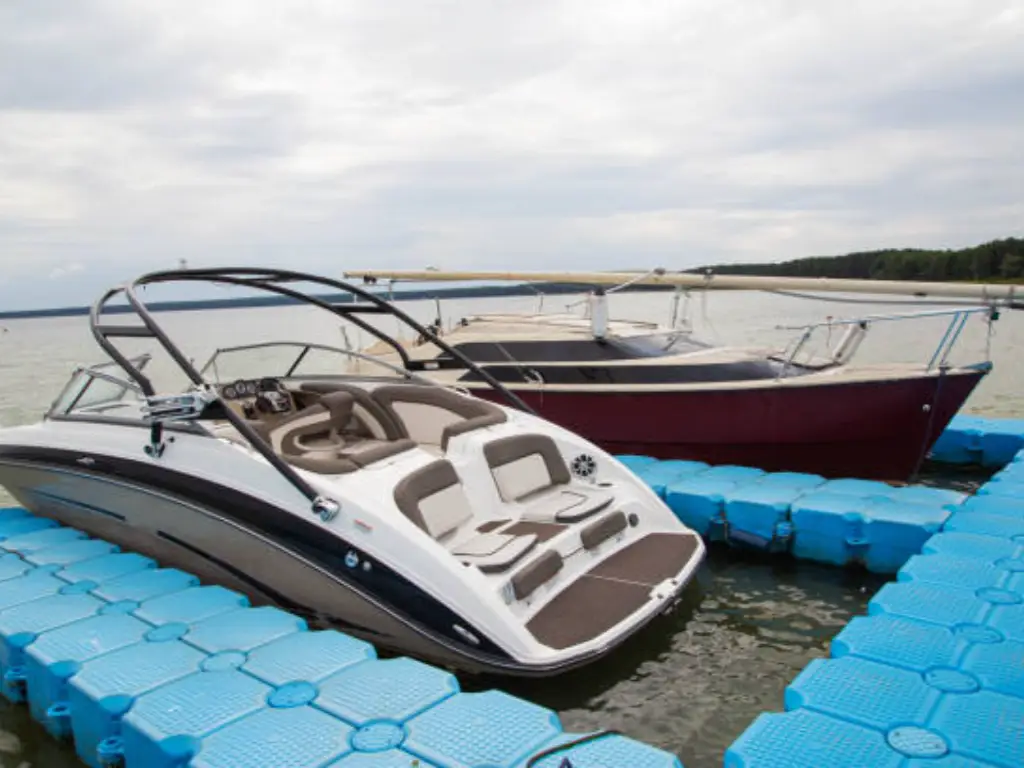
The Sophisticated Docking Methods in Special Situations
In more complex docking situations, professional control is based on the adaptation to certain environmental and mechanical variables. The polished methods of handling these complicated situations are given below.
Secrets of Solo Docking
The most important tool when docking without a crew is the mid-ship spring line. Rather than attempting to control the bow and the stern at the same time, attempt to tie one line in the middle of the boat to a dock cleat first. When this line is snubbed you may leave the engine in an idle forward gear with the steering wheel turned towards the dock; this will hold the boat against the fenders and you will have plenty of time to walk the deck and get the rest of the lines in place without the boat drifting off.
Strong Winds and Countercurrents Strategies
The way you do it will have to vary depending on the wind in relation to the dock. When the wind is on (blowing you toward the dock) keep out farther than normal and come nearly parallel to the pier and have the wind do the work and use reverse pulses to soften the impact. When there is a Wind-Off (wind blowing you away) you have to fight the drift with a steep 45-degree angle and more aggressive pulse power. The priority here is to get a spring line on a cleat as quickly as possible to serve as an anchor.
Tritoon Boats vs. Pontoons
Tritoons, which have three logs, have better buoyancy and tracking but have varying physics. They have much more momentum than normal two-log pontoons since they are heavier and have more mass. This implies that you have to start your reverse braking sooner to halt the vessel. On the positive side, tritoons will not be easily slipped or slide sideways during a cross wind, and their course is more predictable in a narrow channel.
Sailing through Narrow Boat Slips
In narrow slips, the comfort of a 45-degree approach is lost. Before you get to the mouth of the slip you must get the boat straight as straight as you can. Apply the aim small, miss small philosophy: pick one spot at the back of the slip and make sure your pontoons are concentrated on that spot. When the alignment is not correct, then do not make a sharp turn within the slip, back out, re-align and make another attempt at a straight entry.
Night Docking and Low-Light Maneuvering
Loss of depth perception is the main problem of night docking. Do not turn on bright docking lights until the last minute, which will blind other boaters and ruin your own night vision. Trust to the principle of Slow is Pro still further, and make use of a flashlight, but only in short pings to find cleats or the edge of the dock. When you are in the dark, you cannot see anything and therefore you should drive as slowly as possible to steer.
Challenges and Mitigation in Pontoon Boat Docking
To manage the special difficulties of docking a pontoon, you should pay attention to the correction of minor mistakes before they develop into effects. These plans deal with typical handling challenges in a technical manner.
- Over-Correction and Throttle Surges: The most common mistake is to use heavy throttle to salvage a missed approach and this can easily cause the boat to swing out of control. When you are not at the right angle or the landing momentum seems to be too much, do not press the landing. Turn into reverse, pull out into open water, and restart. Short, one-second bursts of power are used to make sure your corrections are minimal and the boat is kept in check.
- Bow Drift of the Sail Effect: Pontoon boats are high-fenced, so the wind is able to blow them like a sail, and the light bow is blown off course in a short time. To avoid this, you should always turn your steering wheel into the wind when in neutral before you apply power. This active steering involves the propeller thrust to pin the bow against the pressure of the wind to hold your line instead of struggling with a drift that has already begun.
- Steering Response Lag: At low speeds, it takes a visible amount of time before the boat actually moves in response to turning the wheel. Most captains over-steer due to the lack of immediate response and end up taking a sharp and unwanted turn as soon as the power is activated. To prevent this, make your steering motions when in neutral, wait till the mechanical alignment is attained, and then give a momentary impulse of gear, to cause the boat to go precisely where you have pointed it.
- Heavy Loads in the management of Inertia: The common challenge here is the incorrect estimation of stopping distance when the boat is full of people. The additional weight greatly raises the inertia of the vessel, and the reverse brake is less efficient. When overloaded, start your reverse pulse much sooner than normal. A quick, sharp reverse throttle is much more efficient in killing momentum than a drag at low power.
Beyond Skills: How Your Dock Choice can Make Everything Easy?
Although piloting skill is crucial, the physical aspect of your docking infrastructure can be the real test of error. A good captain may find it difficult to use the old wooden or concrete docks, which are rigid in nature and are at a fixed height. These fixed models do not take into consideration the special physics of a pontoon boat, namely its high windage and low buoyancy, which frequently causes a small error of calculation to result in an expensive crash. You can do away with the most irritating technical obstacles of the docking process by selecting a dock that harmonizes with the movement of the water.
The trick to docking without any effort is to stop thinking about how to control the vessel, but to think about how to control the environment. A docking system that follows the tides and waves will keep your boat, fenders and landing surface perfectly in line, no matter what the water level is. This synergy makes the work of the captain easier as he has a predictable, consistent target that absorbs the impact energy instead of opposing it. Once your infrastructure is set to match the movements of your boat, you no longer have to struggle with the elements, but rather allow the dock to do the heavy lifting on your behalf.
To have this kind of smooth coordination, you must have a system that is designed to be flexible, and that is where the modular design of Hisea Dock comes in, which is specifically designed to be flexible.
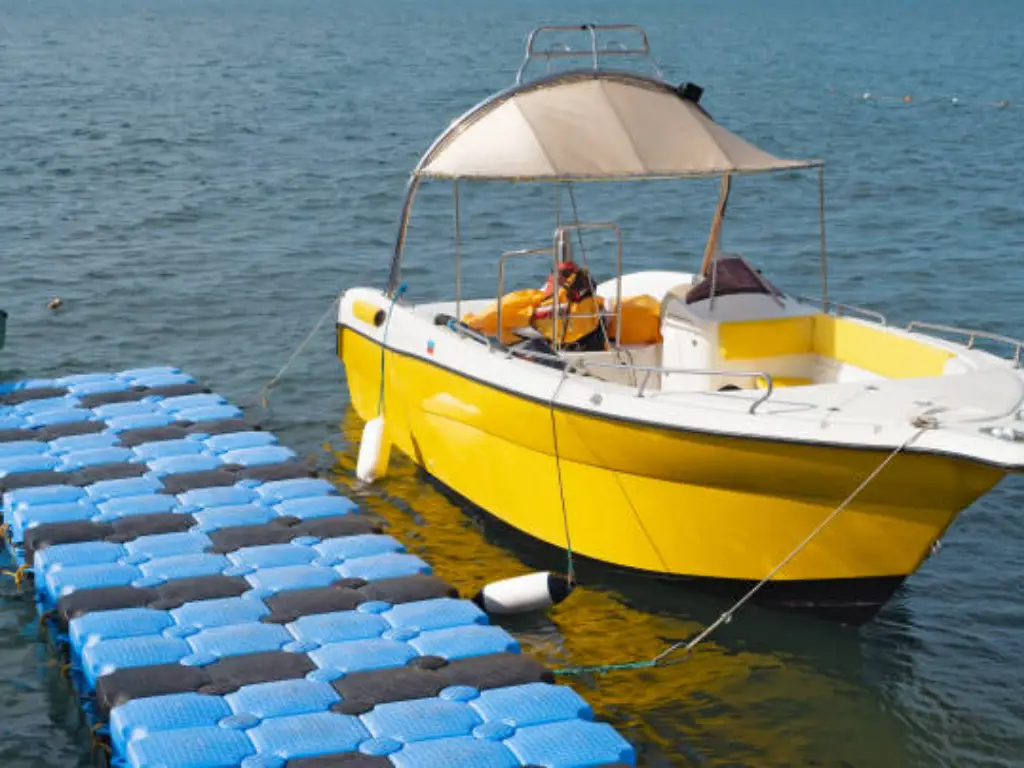
The Reason Why Floating Systems by Hisea Dock are The Ideal Fit with Pontoon Boats
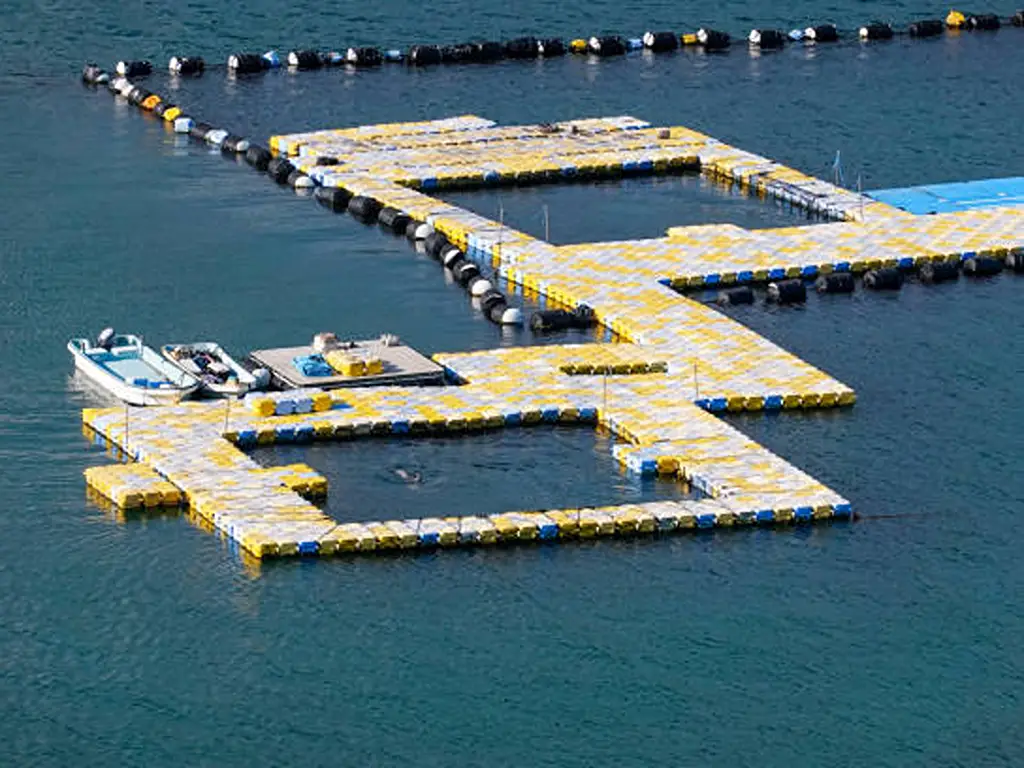
In order to be a master docker, your infrastructure should be as good as your piloting skills. Hisea Dock has more than ten years of experience in manufacturing, and it offers modular floating systems that are specially designed to address the special needs of pontoon docking.
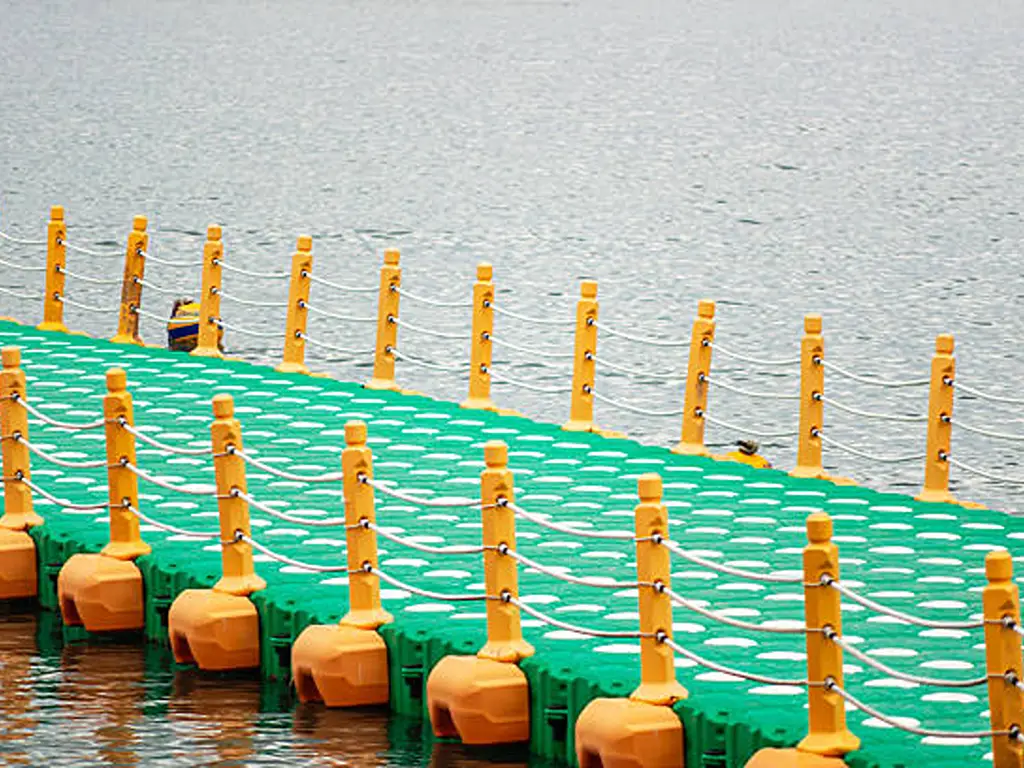
Our system is based on a new generation of HDPE (High-Density Polyethylene) that is combined with UV-resistant agents. This material is also soft-touch resilient, unlike abrasive wood or concrete, which prevents scratches and impact damage to sensitive aluminum hulls. In addition to material science, our docks are constructed to be technically tough; with 19mm reinforced connection ears and a diagonal tensile strength of 14,389 N, they can stand even in the most extreme conditions.
Most importantly to the owners of pontoons, these docks move in sync with the water, and they do not oppose the waves but absorb them. This helps to avoid the boat hitting a hard edge in the approach. To the crew, stability is the most important thing–we have made our platforms at least three pontoons in breadth, so that we have a rock-solid walking surface that is like land. Hisea Dock is fully certified by ISO, CE, and TUV and is supported by a 5-year warranty, providing a customizable, professional grade solution that has a 20-30% longer lifespan than the competition.
Conclusão
Learning to dock a pontoon boat is a process of learning physics, the subtle interplay of windage, momentum and engine thrust. With a philosophy of Slow is Good and the use of precision methods such as Pulse Power and calculated steering, any captain can sail through even a busy marina with grace and confidence.
But your ability is not the whole thing; the world itself is the ultimate goal. The forgiving, stable and well-aligned floating dock system gives the required infrastructure to absorb the impact and the special buoyancy of a pontoon. With professional handling and a docking surface that is made to work with the movement of the water, you will turn what could be a stressful maneuver into a smooth, professional end to every day on the lake.
Perguntas frequentes
Q: How to dock a boat on your own?
R: Docking alone involves pre-preparation of fenders and lines, approaching the dock at a slow and steady pace, steering with short bursts of engine power, and focusing on the use of a spring line to quickly stabilize the boat.
Q: What is the way to dock a pontoon boat when it is windy?
R: To dock successfully on a windy day, one should approach the dock with the wind to keep the steerage, apply a little more throttle to overcome the wind drift, and aim to the upwind side of the slip so the wind will blow the boat toward the pier.
Q: What is the correct way to anchor a pontoon boat?
R: To anchor correctly, bow into the wind or current, lower the anchor until it reaches the bottom, release sufficient line to give the scope ratio of 5:1 or 7:1, and reverse the engine at low RPMs to make sure the anchor takes hold in the seabed.
Q: Which is the right sequence of anchoring a boat?
R: The proper procedure is to sail the boat into the wind, stop it, drop the anchor to the bottom, pay out the anchor line as you drift, and lastly, hook the line to a bow cleat when the anchor has taken hold of the bottom.

 English
  Thai
Thai  Spanish
  French
  German
  Dutch
Dutch  Italian
  Arabic
  Indonesian
  Portuguese
  Turkish