
คำนำ
สกุลเงินพื้นฐานของท่าเรือที่ปลอดภัยและใช้งานได้ดีคือความมั่นคง ปัญหาหลักที่เจ้าของทรัพย์สินริมน้ำและผู้ประกอบการทางทะเลต้องเผชิญคือการลดการโคลงและความสั่นไหวของน้ำอย่างต่อเนื่องซึ่งเกิดจากคลื่นที่เรือสร้างขึ้น การรับแรงลม และการเปลี่ยนแปลงของกระแสน้ำ
การสร้างฐานที่มั่นคงแข็งแรงนั้นต้องใช้มากกว่าการเพิ่มน้ำหนักเพียงอย่างเดียว แต่เป็นการผสมผสานอย่างคำนวณระหว่างฟิสิกส์ไฮโดรสแตติกกับเรขาคณิตโครงสร้าง คู่มือเล่มนี้เป็นแผนที่ทางเทคนิคสู่ศิลปะแห่งการเสถียรท่าเทียบเรือ ตั้งแต่การกระจายน้ำหนักอย่างง่ายไปจนถึงวิศวกรรมโมดูลาร์ที่ซับซ้อน เพื่อให้ทุกก้าวที่ก้าวลงสู่ผืนน้ำเต็มไปด้วยความมั่นใจและความปลอดภัย
Floating Dock คืออะไร?
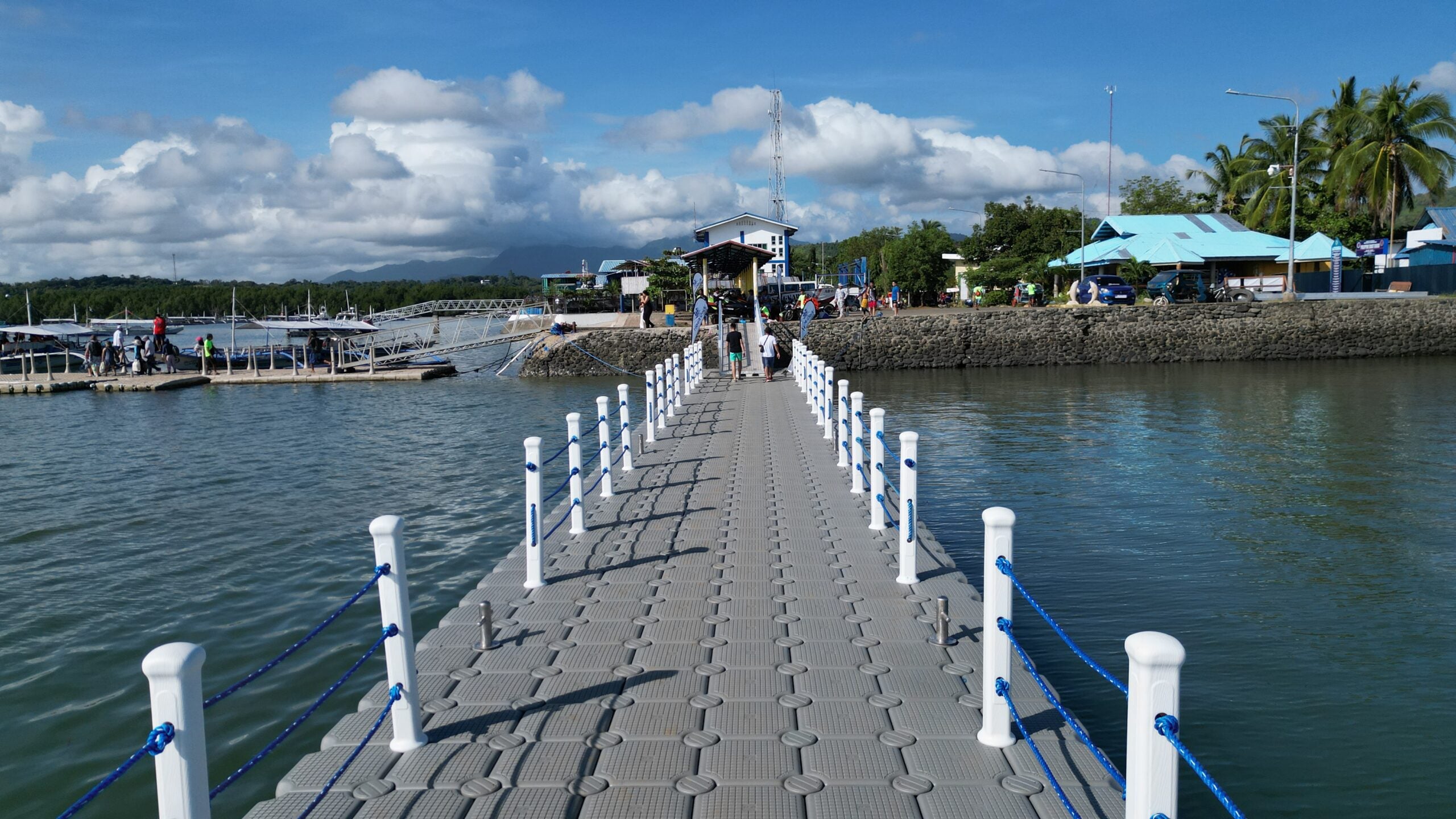
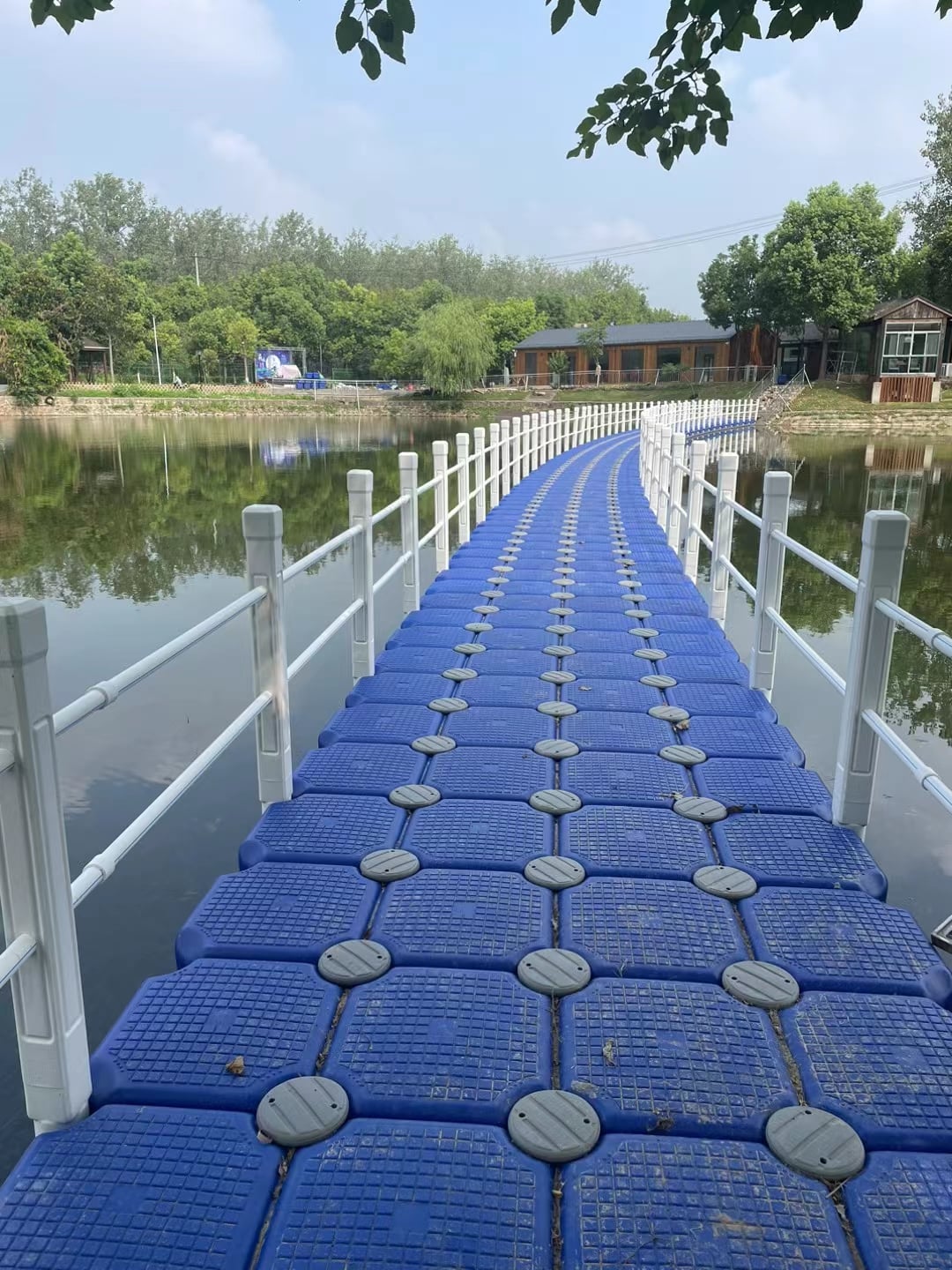
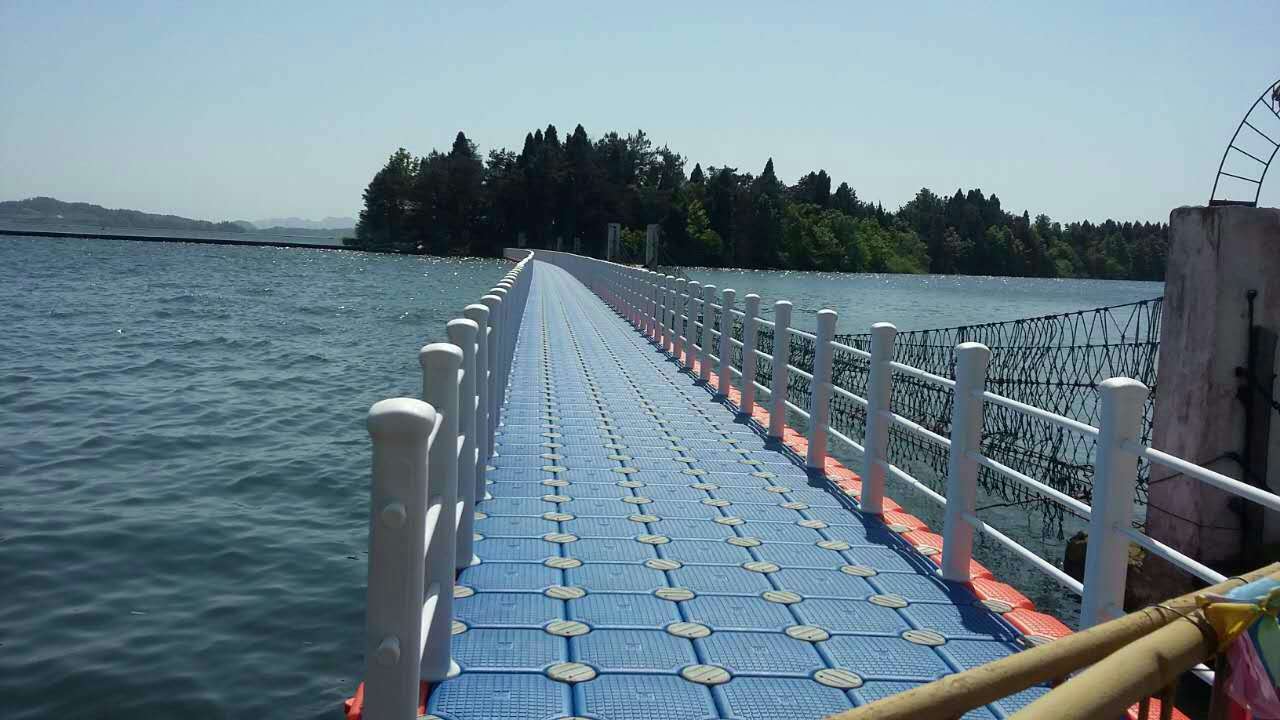
ท่าเทียบเรือลอยน้ำเป็นโครงสร้างที่ออกแบบให้วางบนน้ำและยึดกับชายฝั่งหรือจมอยู่ใต้น้ำ ท่าเทียบเรือลอยน้ำเป็นโครงสร้างที่สร้างขึ้นบนน้ำและสามารถเปลี่ยนความสูงได้ตามระดับน้ำในแหล่งน้ำ ทำให้เข้าถึงเรือได้ง่าย ท่าเทียบเรือลอยน้ำสามารถทำจากแผ่นไม้ โลหะเบา และพลาสติก และสามารถติดตั้งอุปกรณ์เสริมตามวัตถุประสงค์ของท่าเทียบเรือได้
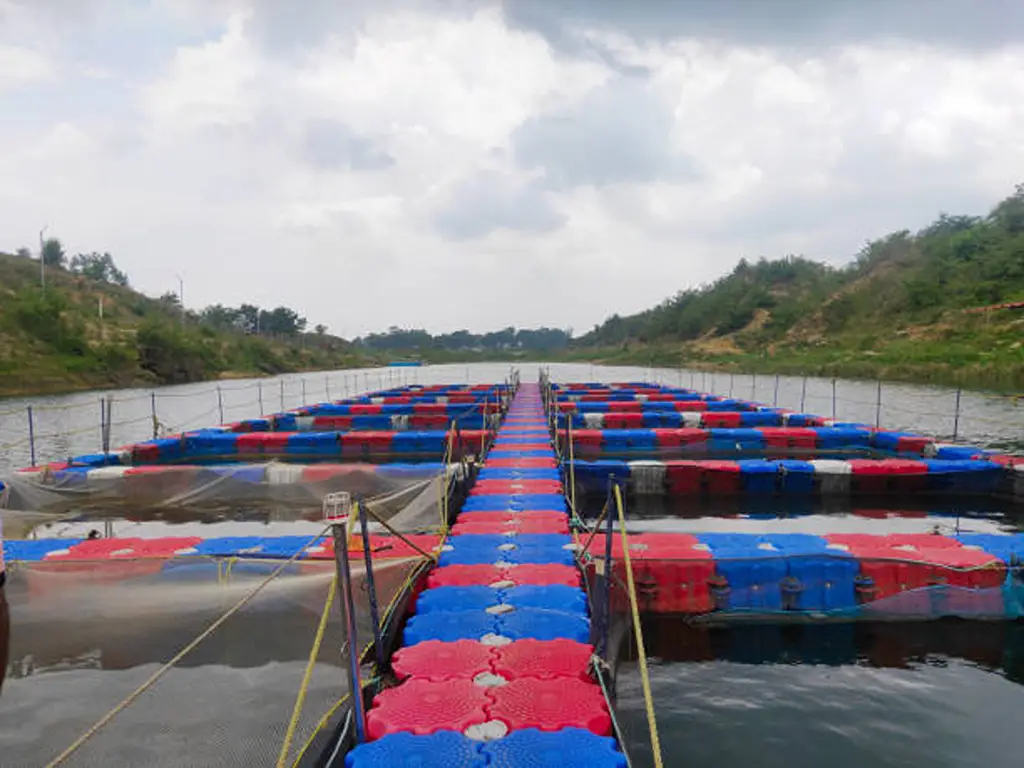
ท่าเทียบเรือลอยน้ำเป็นที่นิยมในท่าจอดเรือยอทช์และท่าจอดเรือส่วนตัว เนื่องจากสร้างและบำรุงรักษาได้สะดวกกว่าท่าจอดเรือแบบถาวร ท่าเทียบเรือลอยน้ำสามารถใช้ในสภาพน้ำสงบ แม่น้ำ และน้ำทะเลได้
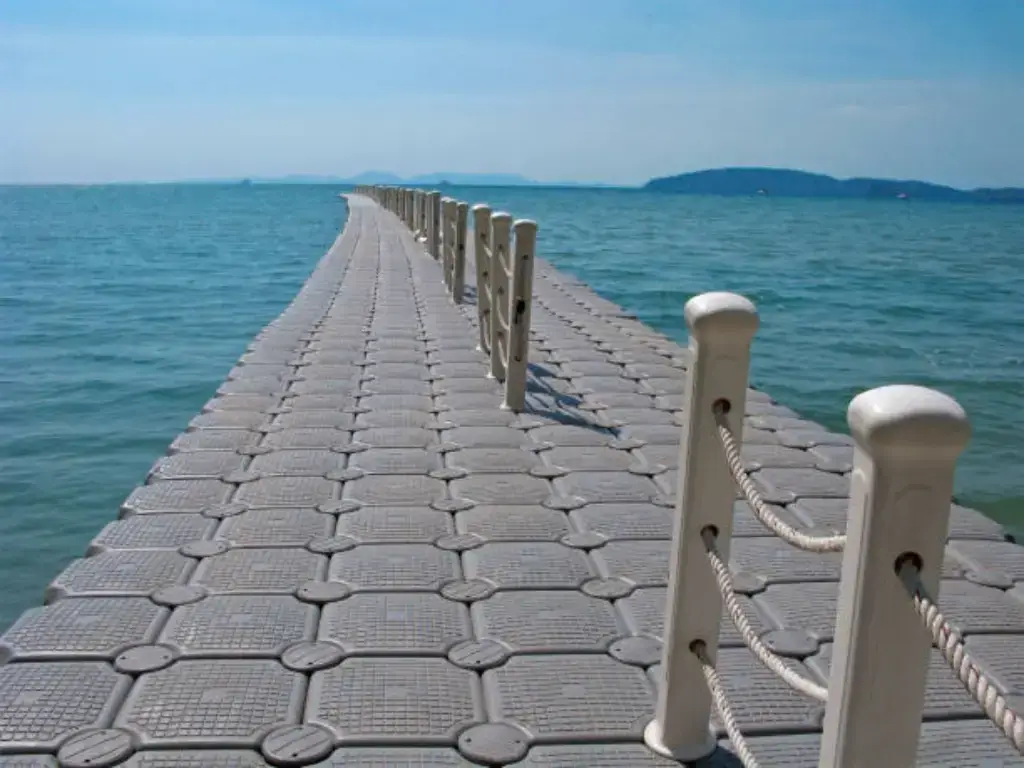
ทำไมท่าเทียบเรือลอยน้ำจึงโคลงเคลง: การวินิจฉัยทางเทคนิค
เพื่อแก้ไขปัญหาความไม่เสถียร จำเป็นต้องดำเนินการมากกว่าการแก้ไขปัญหาที่ผิวเผิน และทำการวิเคราะห์ทางเทคนิคของปัจจัยสิ่งแวดล้อม รูปทรง และแรงทางกายภาพที่เฉพาะเจาะจงซึ่งเป็นตัวกำหนดการตอบสนองของแพลตฟอร์มต่อน้ำ
แรงภายนอก
โดยปกติแล้วความเสถียรจะไม่ทำงานเนื่องจากท่าเทียบเรือไม่สามารถกระจายพลังงานได้ การกระแทกของพลังงานจลน์อย่างฉับพลันเกิดจากคลื่นที่เรือสร้างขึ้น และแรงดันด้านข้างที่เกิดจากกระแสน้ำในแม่น้ำสามารถทำให้ปลาว่ายหางกระดกได้ โครงสร้างโลหะที่มีลักษณะสูง เช่น ราวหรือหลังคา จะได้รับแรงลมซึ่งทำให้เกิดโมเมนต์เอียง และความตึงในระบบการเทียบเรือจะเปลี่ยนแปลงตามการเปลี่ยนแปลงของระดับน้ำขึ้นน้ำลง ทำให้เกิดความไม่เสถียรชั่วคราว
เรขาคณิตโครงสร้าง
ขนาดของท่าเทียบเรือเป็นตัวกำหนดความมั่นคงของมัน อัตราส่วนที่ไม่เหมาะสม เช่น การจัดวางที่ยาวและแคบ คือการจัดที่มีฐานกว้างเพียงพอที่จะสร้างโมเมนต์ที่ช่วยในการทรงตัว นอกจากนี้ การกระจายตัวของทุ่นลอยที่เพิ่มเข้ามาก็มีความสำคัญอย่างยิ่ง หากทุ่นลอยมีมากเกินไปอาจทำให้ท่าเทียบเรือสั่นไหว ในขณะที่การกระจายทุ่นลอยที่บางเกินไปจะทำให้เกิดจุดที่จมเมื่อผู้ใช้เคลื่อนไปด้านใดด้านหนึ่ง
ฟิสิกส์ของปฏิสัมพันธ์ระหว่าง G กับ B
ความสัมพันธ์ระหว่างจุดศูนย์กลางของน้ำหนัก (G) และจุดศูนย์กลางของแรงลอยตัว (B) หรือที่เรียกว่า ความสูงเมตาเซนตริก (GM) เป็นตัวกำหนดความมั่นคงที่แท้จริง
- ค่า GM บวก: ท่าเทียบจะผลิตแรงบิดโดยอัตโนมัติตามที่ต้องการเพื่อปรับตำแหน่งตัวเองให้อยู่ในระดับที่มั่นคง
- สูตร:

KG คือความสูงของจุดศูนย์ถ่วง KB คือความสูงของจุดศูนย์ลอยตัว และ BM คือรัศมีเมทาเซนตริกที่คำนวณจากความกว้างของท่าเทียบเรือ
ปริศนาความลอยตัว: ปรากฏการณ์ของจุกไม้ก๊อก
หนึ่งในข้อผิดพลาดที่พบบ่อยที่สุดคือการคิดว่าความลอยตัวที่สูงขึ้นจะนำไปสู่ความมั่นคงที่สูงขึ้นในทางปฏิบัติ ท่าเรือที่มีน้ำหนักเบาเกินไปจะมีปัญหาที่เรียกว่า "เอฟเฟกต์คอร์ก" ซึ่งทำให้ท่าเรือไม่ยึดเกาะกับของเหลวและตอบสนองต่อคลื่นน้ำอย่างรุนแรง เพื่อลดแรงกระแทกทางน้ำ (Hydrodynamic Damping) จำเป็นต้องหาสมดุลที่เหมาะสมระหว่างมวลที่มีน้ำหนักเบาแต่มีน้ำหนักเพียงพอเพื่อให้สามารถออกแบบท่าเรือที่มั่นคงได้ ปริมาณน้ำหนักที่สามารถรองรับได้จะถูกกำหนดโดยน้ำหนักเบา และปริมาณความมั่นคงจะถูกกำหนดโดยน้ำหนักกด (ความลึกใต้ระดับน้ำ)
ปัจจัยที่มีผลต่อเสถียรภาพของท่าเทียบเรือลอยน้ำ
ในการออกแบบท่าเทียบเรือลอยน้ำ มีปัจจัยหลายประการที่สามารถส่งผลต่อเสถียรภาพในน้ำ ต่อไปนี้คือปัจจัยหลักที่อธิบายโดยละเอียด:
- ความลึกของน้ำ
ความลึกของน้ำที่ท่าเทียบเรือตั้งอยู่เป็นปัจจัยที่ส่งผลต่อเสถียรภาพของท่าเทียบเรือมากที่สุด ตัวอย่างเช่น ท่าเทียบเรือที่สร้างในน้ำลึกอาจต้องใช้เสาสมอที่ยาวขึ้นและลูกลอยที่แข็งแรงขึ้นเพื่อป้องกันไม่ให้โครงสร้างล้มลง
- การกระทำของคลื่น
พลังงานและความถี่ที่คลื่นกระทบท่าเทียบเรือ คลื่นที่มีขนาดใหญ่และถี่ขึ้นจะทำให้เกิดการเคลื่อนที่มากขึ้น และอาจต้องใช้อุปกรณ์รองรับที่มากขึ้น เช่น สมอที่แข็งแรงกว่าหรือตัวทำลายคลื่น
- การเปลี่ยนแปลงระดับน้ำ
ปัจจัยต่างๆ เช่น กระแสน้ำ การเปลี่ยนแปลงของฤดูกาล หรือแม้แต่สภาพอากาศ เป็นปัจจัยบางประการที่ทำให้ระดับน้ำเปลี่ยนแปลง ความผันผวนของระดับน้ำอาจส่งแรงเพิ่มเติมต่อระบบยึดและลอยตัวของท่าเทียบเรือ จึงต้องใช้ส่วนประกอบที่สามารถปรับเปลี่ยนได้
- คุณภาพของวัสดุ
ประเภทของโครงสร้างและประเภทของวัสดุที่ใช้ในการสร้างท่าเทียบเรือ พลาสติกเป็นที่นิยมสำหรับท่าเทียบเรือลอยน้ำเพราะมีน้ำหนักเบา ไม่กัดกร่อนหรือผุพังง่าย มีความทนทานมากกว่า ไม่ต้องบำรุงรักษาบ่อย และสามารถทนต่อสภาพแวดล้อมที่ไม่เอื้ออำนวยได้เมื่อเทียบกับวัสดุอย่างไม้หรือโลหะ
- การกระจายน้ำหนัก
การกระจายน้ำหนักบนพื้นผิวของท่าเทียบเรือ น้ำหนักที่ไม่สมดุลอาจทำให้เกิดการพลิกคว่ำและโคลงเคลงได้ โดยต้องกระจายน้ำหนักให้เท่ากันเพื่อไม่ให้เกิดแรงกดทับที่ด้านใดด้านหนึ่ง
- ระบบยึด
ประเภทของระบบยึดที่ใช้เพื่อยึดท่าเทียบเรือและคุณภาพของระบบที่ใช้ ระบบยึดที่ประกอบด้วยเสาสมอ สมอที่มีน้ำหนักบรรทุก และเสาเข็ม ควรใช้เพื่อลดการเคลื่อนตัวและเพิ่มเสถียรภาพ
- การออกแบบท่าเทียบเรือ
การออกแบบโดยรวมและการก่อสร้างของท่าเทียบเรือโดยเฉพาะ ท่าเทียบเรือที่ดีคือท่าที่มีฐานที่มั่นคง ลอยตัวได้ดี และกระจายน้ำหนักได้ดี ซึ่งจะทำให้ท่าเทียบเรือมีความมั่นคงมากขึ้น คุณสมบัติอื่นๆ ที่สามารถใช้เพื่อเพิ่มเสถียรภาพได้ เช่น โครงค้ำยันหรือทางเดินเรือ
- สภาพแวดล้อม
สภาพแวดล้อมที่ตั้งท่าเทียบเรือ ได้แก่ ลม การไหลของน้ำ และอุณหภูมิ ปัจจัยด้านสิ่งแวดล้อมอาจส่งผลต่อท่าเทียบเรือและทำให้ท่าเทียบเรือสึกหรอได้ง่าย ดังนั้น จำเป็นต้องเลือกวัสดุและการออกแบบที่เหมาะสมกับสภาพแวดล้อมเหล่านี้เพื่อให้ท่าเทียบเรือมีความมั่นคง
- การบำรุงรักษาและการตรวจสอบ
การบำรุงรักษาและตรวจสอบท่าเรือและชิ้นส่วนต่างๆ อย่างถูกต้องและสม่ำเสมอ การบำรุงรักษายังรวมถึงการตรวจสอบท่าเรือเป็นประจำเพื่อดูว่าชำรุด สึกกร่อน หรือได้รับความเสียหายในลักษณะใดๆ หรือไม่ เพื่อให้สามารถซ่อมแซมหรือเปลี่ยนใหม่ได้ เพื่อป้องกันไม่ให้เกิดอันตรายต่อผู้ใช้งาน
- กฎระเบียบท้องถิ่น
ปฏิบัติตามข้อกำหนดทางกฎหมายเพื่อให้แน่ใจว่าการก่อสร้างท่าเทียบเรือเป็นไปตามมาตรฐานความปลอดภัยและเสถียรภาพที่กำหนด จึงลดโอกาสที่โครงสร้างจะพังทลายลง
ชุดอุปกรณ์กันโคลงท่าเทียบเรือลอยน้ำ
| ส่วนประกอบ | การทำงาน | คุณสมบัติ |
| เสาสมอ | ยึดท่าเทียบเรือไว้กับก้นทะเลสาบหรือพื้นทะเล เพื่อป้องกันไม่ให้เกิดการเคลื่อนตัวมากเกินไป | ผลิตจากวัสดุที่ทนทาน เช่น สแตนเลสหรือไม้ที่ผ่านการบำบัด ปรับความลึกของน้ำได้ |
| อุปกรณ์ลอยน้ำ | เพิ่มการลอยตัวให้กับท่าเทียบเรือ | ผลิตจากโพลีเอทิลีนความหนาแน่นสูง น้ำหนักเบา ทนทาน และติดตั้งง่าย |
| สมอท่าเรือ | ยึดท่าเทียบเรือให้เข้าที่เพื่อลดการเคลื่อนตัวด้านข้าง | มีหลากหลายชนิด เช่น บล็อกคอนกรีต และสกรูยึด ยึดแน่นแข็งแรง |
| ขาตั้งช่วยทรงตัว | ขยายความกว้างของท่าเทียบเรือเพื่อเพิ่มความเสถียร | ผลิตจากอลูมิเนียมหรือไม้ที่ผ่านการบำบัด น้ำหนักเบา แข็งแรง และปรับได้ |
| ทางเดินเชื่อม | สร้างการเชื่อมต่อที่มั่นคงระหว่างท่าเรือและฝั่ง | ผลิตจากอลูมิเนียมหรือเหล็กอาบสังกะสี พื้นผิวกันลื่นและโครงสร้างทนทาน |
| สมอน้ำหนักตาย | เพิ่มน้ำหนักให้ท่าเทียบเรือ เพื่อเพิ่มเสถียรภาพ | แข็งแรงทนทาน ทนทาน เรียบง่ายแต่คงตัวได้ดี |
| ขายึดปรับได้ | ยึดส่วนประกอบต่าง ๆ เข้ากับท่าเทียบเรือเพื่อให้สามารถปรับแต่งได้ | ผลิตจากโลหะที่ทนทานต่อการกัดกร่อน สามารถปรับให้เข้ากับการออกแบบท่าเทียบเรือที่แตกต่างกันได้ |
| เสาเข็ม | ให้จุดยึดที่มั่นคงด้วยการตอกลงไปในพื้นทะเลหรือก้นแม่น้ำ | ผลิตจากไม้หรือเหล็กที่ผ่านการบำบัด ออกแบบมาให้ทนทานต่อแรงกดทับได้มาก |
วิธีเลือกชุดอุปกรณ์กันโคลงสำหรับท่าเทียบเรือลอยน้ำที่เหมาะสม
ในการพิจารณาว่าชุดกันโคลงแบบใดเหมาะกับท่าเทียบเรือและสภาพแวดล้อมมากที่สุด จำเป็นต้องพิจารณาปัจจัยหลายประการ ประการแรก จำเป็นต้องประเมินความลึกของน้ำและสภาพคลื่นทั่วไปที่เกิดขึ้นในบริเวณนั้น สำหรับน้ำที่ลึกกว่านั้น คุณอาจต้องใช้เสาสมอที่ยาวขึ้นและอุปกรณ์ลอยน้ำที่แข็งแรงกว่าเพื่อรองรับโครงสร้าง พิจารณาชิ้นส่วนที่มีอยู่ในชุด ชิ้นส่วนสแตนเลสถูกนำมาใช้เนื่องจากแข็งแรงและสามารถทนต่อสภาพแวดล้อมที่รุนแรงได้ในกรณีที่มีความท้าทายใดๆ
นอกจากนี้ สิ่งสำคัญคือต้องดูข้อบังคับที่อาจมีผลบังคับใช้ในแต่ละภูมิภาคเกี่ยวกับการติดตั้งตัวกันโคลง บางสถานที่มีกฎหมายเฉพาะเกี่ยวกับประเภทของสมอหรือเสาเข็มที่สามารถตอกลงดินได้ สุดท้ายนี้ ขอแนะนำให้ปรึกษาผู้เชี่ยวชาญหรือผู้ผลิตเพื่อขอคำแนะนำที่ดีที่สุด โดยขึ้นอยู่กับประเภทของท่าเทียบเรือที่ใช้ ชุดตัวกันโคลงที่ดีจะช่วยให้ท่าเทียบเรือของคุณมีเสถียรภาพมากขึ้น และส่งผลต่อการใช้งานด้วย
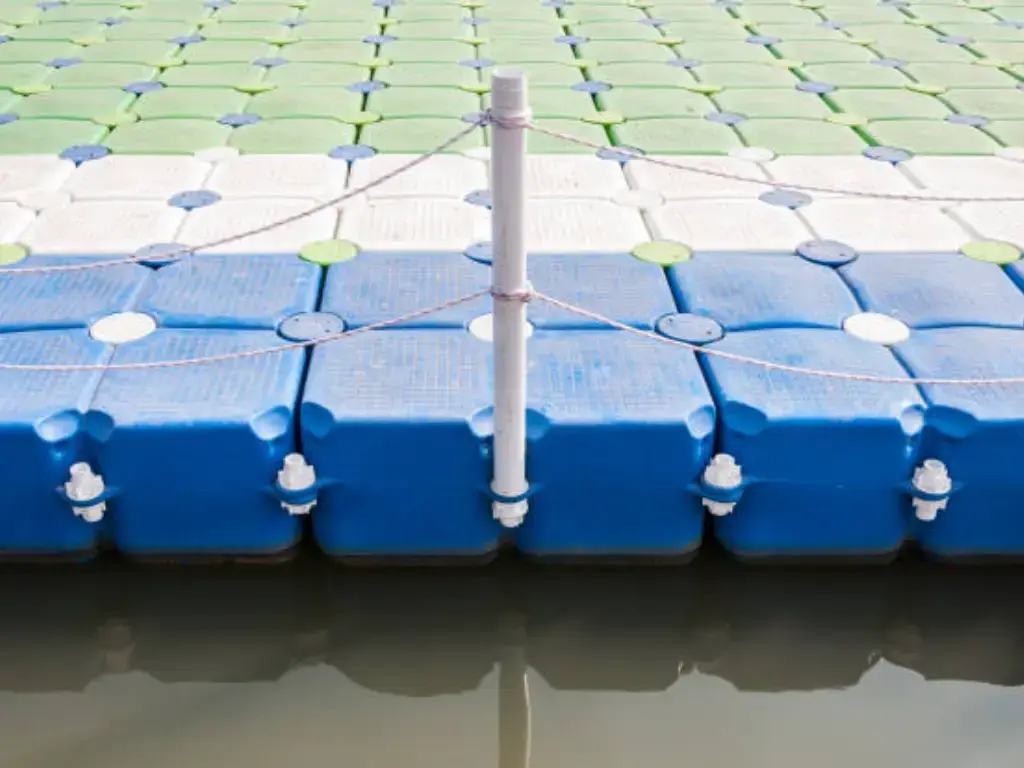
จะทำให้ท่าเทียบเรือลอยน้ำมั่นคงยิ่งขึ้นได้อย่างไร?
การทำให้ท่าเทียบเรือมั่นคงจำเป็นต้องใช้วิธีการหลายชั้น ด้านล่างนี้คือแปดวิธีที่ได้รับการพิสูจน์แล้วเพื่อเสริมสร้างสมดุลของแพลตฟอร์มในน้ำของคุณ
ด้วยการใช้ชุดอุปกรณ์กันโคลงท่าเทียบเรือลอยน้ำ
ชุดอุปกรณ์เสริมความมั่นคงใช้เพื่อรับประกันว่าท่าเทียบเรือของคุณมีความมั่นคงโดยการให้การสนับสนุนและการลอยตัวเพิ่มเติม โดยทั่วไปแล้วจะประกอบด้วยเสาสมอและกลไกการลอยตัวซึ่งคุณสามารถติดตั้งเข้ากับท่าเทียบเรือของคุณได้เสาแนวตั้งที่ใช้รองรับท่าเรือจะถูกยึดติดกับก้นทะเลสาบเพื่อลดการเคลื่อนไหวของท่าเรือที่เกิดจากคลื่นให้น้อยที่สุด ชุดอุปกรณ์เหล่านี้ทำหน้าที่เป็นชุดอัพเกรดที่ครอบคลุมสำหรับระบบยึดของคุณ โดยมักจะรวมฮาร์ดแวร์เฉพาะที่ปรับให้เข้ากับการเปลี่ยนแปลงของระดับน้ำในขณะที่ยังคงแนวตั้งที่มั่นคง ชุดอุปกรณ์เสถียรภาพติดตั้งง่ายและสามารถปรับปรุงความมั่นคงของท่าเรือของคุณได้อย่างมาก
การอัปเกรดระบบยึด
เสาที่ตอกลงสู่ก้นทะเลหรือแม่น้ำสามารถให้จุดยึดที่ดีสำหรับท่าเรือลอยน้ำของคุณ เสาแนวตั้งเหล่านี้ช่วยป้องกันการเคลื่อนที่ในแนวนอนของท่าเรือและเพิ่มการรองรับให้มากขึ้น เพื่อยกระดับระบบให้ดียิ่งขึ้น ควรพิจารณาใช้สมอเกลียวสำหรับแรงยึดเกาะที่เหนือกว่าในพื้นทรายหรือโคลน หรือใช้เทคนิคการเชื่อมต่อแบบไขว้การเชื่อมต่อข้ามโซ่เกี่ยวข้องกับการติดตั้งเส้นยึดในแนวทแยงข้ามโครงสร้างด้านล่างเพื่อสร้างระบบแรงตึงแบบ "สามเหลี่ยม" ซึ่งช่วยลดการเคลื่อนที่ในแนวนอนสมอถ่วงน้ำหนักสามารถเป็นบล็อกคอนกรีตหรือสมอคอนกรีตที่สามารถวางไว้ที่บริเวณเฉพาะของท่าเรือเพื่อเพิ่มความมั่นคงของท่าเรือ สมอเหล่านี้ช่วยในการต้านทานแรงที่เกิดจากคลื่นและกระแสน้ำที่อาจส่งผลกระทบต่อท่าเรือ ซึ่งจะช่วยลดการเคลื่อนที่ของท่าเรือได้ ในแง่ของพารามิเตอร์ทางวิศวกรรมที่เฉพาะเจาะจง ขอแนะนำให้ใช้โซ่ชุบสังกะสีขนาด 1/4 นิ้ว หรือ 3/8 นิ้ว เพื่อให้มั่นใจในความทนทานในระยะยาวและความแข็งแรงของโครงสร้างต่อการกัดกร่อนเกี่ยวกับการเลือกน้ำหนักสมอ สมอที่หนักกว่าจะให้ความมั่นคงที่ดีกว่ามากในน้ำที่มีคลื่นลมแรง ตัวอย่างเช่น การเลือกใช้สมอขนาด 600 ปอนด์แทนที่จะเป็น 450 ปอนด์ จะให้ความเฉื่อยที่จำเป็นในการต้านทานการลอยตัวในสภาพแวดล้อมที่มีกระแสน้ำแรงหรือลมแรง ควรตรวจสอบให้แน่ใจว่าสมอมีขนาดที่เหมาะสมเพื่อรองรับแรงกดดันจากสภาพแวดล้อม และวางในตำแหน่งที่เหมาะสมเพื่อให้แรงมั่นคงในลักษณะที่สมดุล
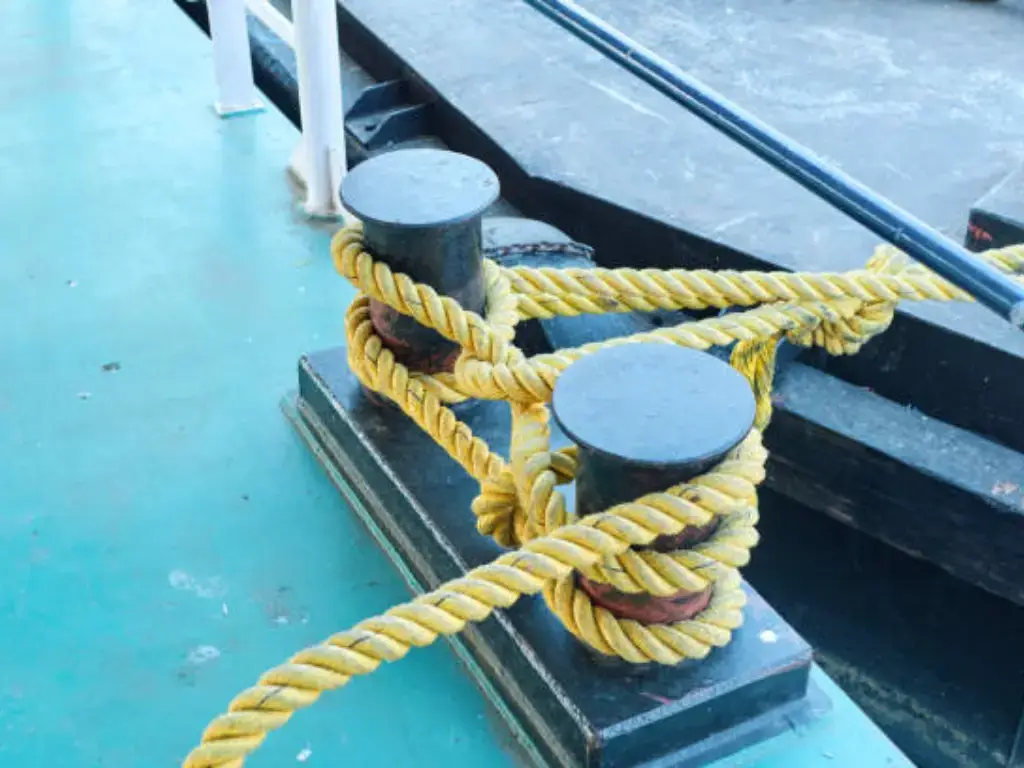
น้ำหนักถ่วงทางกายภาพและการสมดุล
คุณยังสามารถวางน้ำหนักบางอย่างบนท่าเรือลอยน้ำของคุณเพื่อให้แน่ใจว่ามันถูกยึดไว้อย่างดีและมั่นคงบนผิวน้ำได้เช่นกัน เพื่อเพิ่มการรองรับ สามารถวางบล็อกคอนกรีตหรือวัสดุหนักอื่น ๆ ที่ท่าเรือในลักษณะที่จะให้การรองรับที่จำเป็นได้เพื่อเพิ่มประสิทธิภาพสูงสุด ให้เน้นที่การถ่วงน้ำหนักทางกายภาพและการสร้างสมดุลโดยการเพิ่มน้ำหนักเฉพาะที่ด้านล่างของทุ่นลอยเพื่อลดจุดศูนย์ถ่วงของโครงสร้างทั้งหมด ซึ่งจะช่วยป้องกันไม่ให้ท่าเรือเคลื่อนที่หรือแกว่งไปมาด้านหนึ่งไปอีกด้านหนึ่ง วิธีนี้จะช่วยให้มั่นใจว่าโครงสร้างไม่รับน้ำหนักมากเกินไปในบางจุด ซึ่งอาจนำไปสู่ความเสียหายของโครงสร้างได้
การติดตั้งทางเดินและทางลาด
ทางเดินขึ้นลงยังช่วยรักษาการเชื่อมต่อที่มั่นคงระหว่างท่าเทียบเรือกับฝั่ง เนื่องจากช่วยกระจายน้ำหนักได้อย่างเหมาะสมและมีแรงสั่นสะเทือนน้อยลง ทางเดินขึ้นลงที่ออกแบบวิศวกรรมอย่างดีจะทำหน้าที่เป็นคานโครงสร้างที่ใช้ความแข็งแรงของฝั่งเพื่อจำกัดการเคลื่อนไหวในแนวข้าง โดยการยึดปลายฝั่งเข้ากับผนังกั้นคอนกรีต ทางเดินขึ้นลงจะทำหน้าที่เป็นตัวกันโคลงที่จำกัดการแกว่งไปมาของท่าเทียบเรือในแนวข้างน้ำหนักบางส่วนที่เกิดจากคลื่นและการเปลี่ยนแปลงของระดับน้ำได้รับการรองรับอย่างดีจากทางเดินเชื่อมที่ก่อสร้างอย่างถูกต้อง ส่งผลให้ท่าเทียบเรือมีความมั่นคงยิ่งขึ้น ตรวจสอบให้แน่ใจว่าทางเดินเชื่อมได้รับการยึดตรึงอย่างแน่นหนาและสร้างจากวัสดุที่ไม่ได้รับผลกระทบจากปัจจัยแวดล้อมที่มีอยู่
การเสริมโครงสร้าง
เพื่อป้องกันไม่ให้โครงท่าเรือบิดหรือโก่งตัวภายใต้แรงกดดันของคลื่นหนัก การเสริมโครงสร้างเป็นสิ่งจำเป็น ซึ่งรวมถึงการติดตั้งขายึดตัวถ่วงและค้ำยันขวางใต้พื้นท่าเรือ โดยการเพิ่มการสนับสนุนโลหะหรือไม้ในแนวทแยงระหว่างสมาชิกโครงหลัก ท่าเรือจะกลายเป็นโครงสร้าง "โมโนค็อก" ที่แข็งแรง ความแข็งภายในนี้จะป้องกันไม่ให้ทุ่นลอยแต่ละตัวเคลื่อนที่อย่างอิสระ ซึ่งช่วยลดความรู้สึก "เป็นคลื่น" เมื่อเดินบนท่าเรือได้อย่างมาก
นอกจากนี้ คุณสามารถเพิ่มขาตั้งเสริมความมั่นคงได้ ขาตั้งเหล่านี้เป็นแผ่นขยายท้ายเรือที่ติดตั้งอยู่ด้านข้างของท่าเทียบเรือและช่วยขยายความกว้างและความลอยตัวของท่าเทียบเรือ ขาตั้งเหล่านี้คล้ายกับไม้ค้ำยันของเรือแคนู เป็นพื้นผิวเพิ่มเติมที่ช่วยลดการโคลงและการเอียง สามารถทำจากแผ่นไม้หรือโลหะเบาขึ้นอยู่กับประเภทของท่าเทียบเรือ และต้องยึดติดกับด้านข้างของท่าเทียบเรืออย่างแน่นหนา
การเพิ่มหลังคา
นอกจากนี้ ยังควรสังเกตด้วยว่าหลังคาของท่าเทียบเรือลอยน้ำไม่เพียงแต่เป็นการเพิ่มเติมด้านความสวยงามเพื่อให้ร่มเงาและป้องกันฝน แดด และหิมะเท่านั้น แต่ยังเพิ่มน้ำหนักโดยรวมของโครงสร้างอีกด้วย น้ำหนักเพิ่มเติมจากหลังคาสามารถลดผลกระทบของลมและคลื่นต่อท่าเทียบเรือได้เนื่องจากความเฉื่อยของโครงสร้างที่เพิ่มขึ้น—มวลที่หนักกว่าจะเคลื่อนที่ตามคลื่นเล็กๆ ได้ยากกว่าอย่างไรก็ตาม การประเมินความสมดุลระหว่างความต้านทานลมเป็นสิ่งสำคัญอย่างยิ่ง เนื่องจากหลังคาทำหน้าที่คล้ายใบเรือ ดังนั้นการออกแบบโครงสร้างจึงต้องมั่นใจได้ว่าระดับความมั่นคงที่เพิ่มขึ้นจากน้ำหนักจะมากกว่าแรงด้านข้างที่เกิดจากลมแรง ในทำนองเดียวกัน หลังคาสามารถเพิ่มความสวยงามและประโยชน์ใช้สอยให้กับท่าเทียบเรือได้ด้วยการให้ร่มเงาแก่คนงาน
การกระจายน้ำหนักที่ถูกต้อง
ในบริบทของท่าเทียบเรือลอยน้ำ การกระจายน้ำหนักมีความสำคัญอย่างยิ่งต่อความมั่นคงของโครงสร้างเพื่อป้องกันไม่ให้จมลง นอกจากนี้ยังสำคัญอย่างยิ่งที่จะไม่บรรทุกของหนักไว้ที่ด้านใดด้านหนึ่งของท่าเทียบเรือมากเกินไป เนื่องจากจะทำให้ท่าเทียบเรือไม่มั่นคงและโคลงเคลงอย่างมากการกระจายน้ำหนักอย่างมีประสิทธิภาพเป็นไปตาม "หลักการถ่วงน้ำหนัก" — หากมีอุปกรณ์หนักชิ้นหนึ่งต้องอยู่ทางด้านเหนือ ควรเพิ่มน้ำหนักทางกายภาพที่เท่ากันทางด้านใต้เพื่อรักษาพื้นให้อยู่ในระดับเดียวกัน แต่จำเป็นต้องกระจายน้ำหนักให้สม่ำเสมอทั่วทั้งแพลตฟอร์มเพื่อไม่ให้แพลตฟอร์มเสียรูป ซึ่งต้องระบุตำแหน่งของอุปกรณ์ เฟอร์นิเจอร์ และโครงสร้างใดๆ ภายในบริเวณท่าเทียบสินค้า
มุ่งหน้าสู่ชายฝั่ง
เพื่อเพิ่มความมั่นคง แนะนำให้ยึดท่าเทียบเรือลอยน้ำของคุณกับฝั่งโดยใช้เชือกหรือโซ่ สำหรับวิธีแก้ปัญหาที่แข็งแกร่งยิ่งขึ้น ให้ใช้แขนยึดแข็ง ซึ่งแตกต่างจากเชือกที่ยืดหยุ่น แขนโลหะแข็งเหล่านี้เชื่อมต่อท่าเทียบเรือกับฐานที่ติดกับฝั่ง ทำให้สามารถเคลื่อนไหวในแนวตั้งตามกระแสน้ำขึ้นลงได้ ในขณะที่ป้องกันไม่ให้ท่าเทียบเรือแกว่งเข้าหาหรือออกห่างจากฝั่งได้อย่างสมบูรณ์ นอกจากนี้ยังช่วยป้องกันไม่ให้ท่าเทียบเรือเคลื่อนที่ในลักษณะที่ไม่พึงประสงค์เนื่องจากคลื่นและกระแสน้ำสำหรับอุปกรณ์ยึด แนะนำให้ใช้วัสดุที่ไม่เป็นสนิมง่าย เช่น สแตนเลส เพื่อเพิ่มความทนทานของผลิตภัณฑ์
ตารางเปรียบเทียบการเพิ่มเสถียรภาพของท่าเทียบเรือลอยน้ำ
| วิธีการปรับปรุง | ระดับต้นทุน | ระดับความยากในการติดตั้ง | ความทนทาน | กรณีการใช้งานที่ดีที่สุด |
| 1. ชุดอุปกรณ์เสริมความมั่นคง | กลาง — สูง | ปานกลาง | สูง | ท่าเทียบเรือเชิงพาณิชย์หรือท่าเทียบเรือที่มีการจราจรหนาแน่นที่ต้องการการอัปเกรดแบบครบวงจรในระดับมืออาชีพ |
| 2. การปรับปรุงระบบยึด | กลาง — สูง | สูง | ยอดเยี่ยม | บริเวณที่มีกระแสน้ำแรง ระดับน้ำผันผวนมาก หรือพื้นดินอ่อน |
| 3. น้ำหนักถ่วงทางกายภาพ | ต่ำ | ต่ำ | สูง | ทางเลือกประหยัดสำหรับท่าเทียบเรือที่รู้สึกเบาหรือ "กระโดด" เมื่อว่างเปล่า |
| 4. ทางเดินและทางลาด | ระดับกลาง | ปานกลาง | สูง | เมื่อจำเป็นต้องเข้าถึงชายฝั่งและสามารถใช้ประโยชน์เพื่อจำกัดการแกว่งตัวในแนวนอนได้ |
| 5. การเสริมโครงสร้าง | ระดับกลาง | สูง | สูง | ท่าเรือที่ประสบปัญหาโครงบิดเบี้ยวหรือความรู้สึก "เป็นคลื่น" ในพื้นที่ที่มีคลื่นแรง |
| 6. การเพิ่มหลังคา | สูง | สูง | กลาง — สูง | ความต้องการสองวัตถุประสงค์ (ร่มเงา + มวลเฉื่อย) ที่มีการจัดการความต้านทานลม |
| 7. การกระจายน้ำหนักที่ถูกต้อง | น้อยที่สุด | น้อยที่สุด | ตลอดไป | ตรรกะการดำเนินงานประจำวันที่สำคัญเพื่อป้องกันการเกิดรอยสึกหรอหรือการสึกหรอที่ไม่สม่ำเสมอ |
| 8. แขนแข็ง (แขนรองรับ) | ระดับกลาง | ปานกลาง | ยอดเยี่ยม | เชื่อมต่อชายฝั่งถาวรเพื่อกำจัดการสั่นหรือการลอยตัวขณะเทียบท่าอย่างสมบูรณ์ |
เทคนิคระดับมืออาชีพด้วยเทคโนโลยีขั้นสูงเพื่อความมั่นคงเหนือระดับ
การใช้บัลลาสต์น้ำในระบบโมดูลาร์ HDPE เป็นวิธีการพิเศษในการลดจุดศูนย์ถ่วงคุณสามารถทำให้ระบบเทียบเรือจมลึกลงและมั่นคงในน้ำมากขึ้นได้โดยการเติมน้ำในทุ่นขอบรอบๆ ให้เต็มประมาณ 1/3 อย่างไรก็ตาม ความแม่นยำเป็นสิ่งสำคัญเพื่อป้องกันผลกระทบจากผิวน้ำอิสระ ทุ่นที่ผ่านการพ่นควรเติมน้ำให้อยู่ในระดับเดียวกันอย่างแม่นยำและปิดผนึกอย่างแน่นหนา มิฉะนั้นน้ำจะกระเพื่อมเมื่อมีการเอียงและสร้างแรงเหวี่ยงที่อาจทำให้เรือ—แม้แต่เรือยอชท์หรู—พลิกคว่ำได้
เพื่อลดการโคลงตัวของเรืออย่างรุนแรง คุณสามารถติดตั้งแผ่นหรือครีบแนวตั้งที่ส่วนล่างของโครงสร้างท่าเรือได้ ครีบเหล่านี้ไม่ได้ให้ความลอยตัวเหมือนกับทุ่นลอยของท่าเรือ แต่ทำหน้าที่เป็นตัวหน่วงความหนืด คีลใต้น้ำเหล่านี้ต้องดันผ่านคอลัมน์ของน้ำขณะที่คลื่นพยายามยกท่าเรือขึ้น และแรงเสียดทานนี้จะชะลอการเคลื่อนไหวในแนวตั้งและแนวนอนของท่าเรือการออกแบบนี้ซึ่งได้รับแรงบันดาลใจจากเรือและสถานประกอบการทางทะเล มีประโยชน์อย่างยิ่งในท่าเรือที่ตั้งอยู่ในช่องทางเดินเรือที่พลุกพล่าน
วิธีที่ดีที่สุดในการกำจัดอาการโคลงคือการเพิ่มพื้นที่ผิวสัมผัสกับน้ำให้มากที่สุด ความต้านทานต่อการเอียงของท่าเรือสามารถเพิ่มขึ้นอย่างมากโดยการเพิ่มความกว้างของท่าเรือ เช่น การเปลี่ยนท่าเรือรูปตัว I ที่แคบให้เป็นรูปตัว L, U หรือ Tการสร้างรูปทรงเหล่านี้โดยใช้ Finger Docks หรือแขนยื่นนั้นอาศัยหลักการโมเมนต์ของพื้นที่ ซึ่งช่วยเพิ่มความเสถียรโดยรวมได้มากกว่าครึ่งหนึ่งของทางเดินเส้นตรงเพียงเส้นเดียว อย่างไรก็ตาม การปรับเปลี่ยนที่ซับซ้อนเหล่านี้มีความปลอดภัยเทียบเท่ากับตัวแพลตฟอร์มเอง และต้องการความแม่นยำและความสมบูรณ์ในการปิดผนึกในระดับอุตสาหกรรมที่มีอยู่ในระบบ Hisea Dock
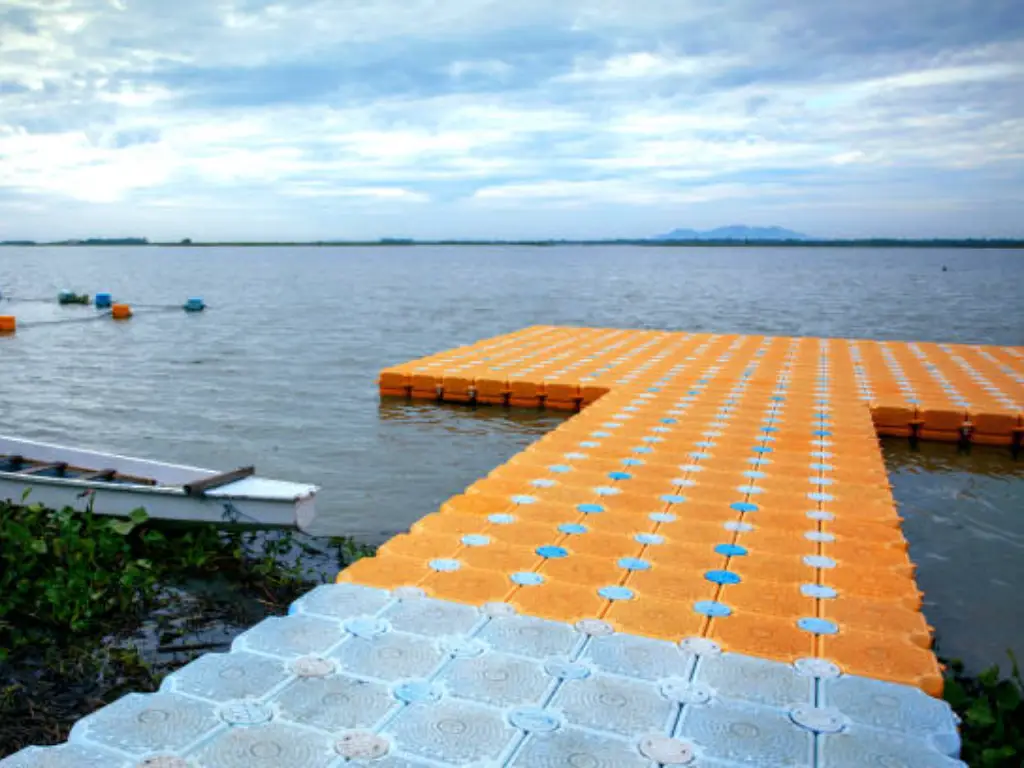
ประโยชน์ของ Hisea Dock: การออกแบบระบบโมดูลาร์เพื่อความเสถียรสูง
เพื่อให้ได้ความมั่นคงสูงสุดของท่าเทียบเรือ การออกแบบของโมดูลเองมีความสำคัญเท่ากับการตัดสินใจในการยึดสมาร์ตของคุณ Hisea Dock อยู่ในธุรกิจระบบโมดูลาร์ประสิทธิภาพสูงมาตั้งแต่ปี 2006 ซึ่งมีเป้าหมายเพื่อขจัดความรู้สึกเป็นคลื่นทั่วไปของแพลตฟอร์มลอยน้ำ บล็อกของเรามีหูเชื่อมต่อหนา 19 มม. และออกแบบร่องพิเศษสี่ด้านซึ่งช่วยเพิ่มความแข็งแรงของโครงสร้างและความมั่นคงด้านข้างอย่างมาก
HDPE รุ่นใหม่ของเราที่มีสารป้องกันรังสี UV จะมอบความรู้สึกมั่นคงเหมือนเดินบนแผ่นไม้ที่แข็งแรงให้กับผู้ใช้ โดยจะไม่จมลงเมื่อเวลาผ่านไปเหมือนท่าเทียบเรือแบบดั้งเดิม หรือแตกร้าวเหมือนแผ่นไม้เก่า เราแนะนำให้ใช้แผ่นลอยอย่างน้อยสามแผ่นเพื่อใช้ประโยชน์จากการออกแบบที่ไร้รอยต่อของเราและสร้างความสมดุลสูงสุด จากตัวเลือกออนไลน์ที่หลากหลายของเรา เรามีโมดูลที่สามารถทนต่อพายุไต้ฝุ่นได้ เพื่อให้มั่นใจว่าคุณมีชุดอุปกรณ์เสริมความมั่นคงสำหรับท่าเทียบเรือลอยน้ำที่เหมาะสมกับความต้องการของคุณการทดสอบแรงดึงเฉียงของเราได้รับการทดสอบที่ 14,389 นิวตัน เพื่อให้มั่นใจว่าสามารถทนต่อแรงกดดันสูงสุดได้
Hisea Dock ได้รับการรับรองมาตรฐาน ISO-9001, CE และ TUV ซึ่งหมายความว่าอายุการใช้งานของผลิตภัณฑ์ยาวนานกว่าคู่แข่งถึง 20 ถึง 30 เท่า การรับประกันของเราคือ 5 ปี ตลอด 24 ชั่วโมง พร้อมคำแนะนำการติดตั้งจากผู้เชี่ยวชาญเพื่อช่วยให้คุณบรรลุความฝันทางทะเลของคุณให้เป็นจริงอย่างมั่นคงและยาวนาน
การป้องกันความล้มเหลวที่สำคัญ: ข้อผิดพลาดทั่วไปและกลยุทธ์ที่พิสูจน์แล้วเพื่อความมั่นคง
เพื่อให้วิธีการเสริมความมั่นคงของคุณมีประสิทธิภาพ จำเป็นต้องทราบข้อผิดพลาดทางวิศวกรรมและขั้นตอนทั่วไปที่นำไปสู่ความไม่มั่นคงของโครงสร้างและการสึกหรออย่างรวดเร็ว ต่อไปนี้คือข้อผิดพลาดที่ต้องระบุและแก้ไข:
- การก่อสร้างโดยไม่ตรวจสอบข้อกำหนดทางกฎหมายในท้องถิ่น สิ่งนี้อาจทำให้คุณต้องเสียค่าปรับจำนวนมากหรือแม้กระทั่งการรื้อถอนระบบยึดของคุณ กรมทรัพยากรธรรมชาติ (DNR) หรือกองทัพวิศวกรควรได้รับการปรึกษาเสมอก่อนที่จะติดตั้งระบบจอดเรือเพื่อให้ได้รับใบอนุญาตที่จำเป็น
- ไม่โหลดน้ำหนักให้สมดุลบนแพลตฟอร์ม: สิ่งนี้ทำให้เกิดการเอียงเรื้อรังและก่อให้เกิดความเครียดที่ทำลายและไม่สมมาตรต่อหมุดเชื่อมต่อโครงสร้าง ควรเน้นที่การรับน้ำหนักตามแนวศูนย์กลาง กล่าวคือ การจัดวางเฟอร์นิเจอร์และอุปกรณ์หนักทั้งหมดในลักษณะสมมาตรเพื่อให้ได้สมดุลคงที่ที่เป็นกลาง
- การใช้สมอขนาดเล็กเกินไปหรือไม่เหมาะสมในพื้นที่ที่มีพลังงานสูง: การใช้ชิ้นส่วนท่าเรือโลหะที่มีขนาดเล็กเกินไปจะทำให้เกิดการลอยตัวและอาจเกิดความเสียหายจากการชนในช่วงพายุรุนแรง เพื่อหลีกเลี่ยงปัญหานี้ ให้ปรับน้ำหนักสมอให้เหมาะสมกับความลึกของน้ำและสภาพแวดล้อมโดยใช้สายโซ่ชุบกัลวาไนซ์ขนาด 3/8 นิ้ว พร้อมตัวเชื่อมเร็ว และตุ้มน้ำหนักถ่วง 600 ปอนด์ขึ้นไปในน้ำที่มีคลื่นลมแรง
- การละเลยผลกระทบของการเปลี่ยนแปลงตามฤดูกาลของระดับน้ำ: การยึดเกาะที่แข็งอาจทำให้ท่าเรือจมเมื่อระดับน้ำสูงขึ้นหรือถูกทิ้งให้สูงในฤดูแล้ง คำตอบคือการมีระบบปรับความตึงหรือวินช์เลื่อนที่สามารถทำให้ท่าเรือเคลื่อนตัวได้อย่างอิสระจากผิวน้ำ
- การเพิ่มอุปกรณ์ท่าเทียบเรือที่มีน้ำหนักมากโดยไม่มีความลอยตัว: การแนะนำบันไดอลูมิเนียม บันไดท่าเรืออลูมิเนียม หรือลิฟต์เจ็ตสกี อาจก่อให้เกิดจุดอับน้ำได้ เพื่อแก้ไขปัญหานี้ คุณสามารถใช้วิธีการเสริมแรงลอยแบบเป็นชั้น โดยวางทุ่นลอยคู่ (สูง 500 มม.) ไว้ใต้ฮาร์ดแวร์ท่าเรือที่มีน้ำหนักมากโดยตรง เพื่อรักษาระดับผิวน้ำให้คงที่
- การใช้ฮาร์ดแวร์คุณภาพต่ำที่ไม่เหมาะกับการใช้งานทางทะเล: สิ่งนี้จะส่งผลให้เกิดการกัดกร่อนอย่างรวดเร็วและการเสื่อมสภาพของโครงสร้างของสายการยึดของคุณ เพื่อรับประกันอายุการใช้งาน 1520 ปี ชิ้นส่วนโลหะและตัวยึดทั้งหมดของท่าเรือต้องทำจากเหล็กชุบสังกะสีแบบจุ่มร้อนหรือสแตนเลส 316
- การบรรทุกเกินกำลังของท่าเทียบเรือเกินความสามารถที่ออกแบบไว้ระหว่างการจัดงาน: สิ่งนี้ทำให้เกิดความไม่มั่นคงที่ไม่ปลอดภัยและมีโอกาสสูงที่แพลตฟอร์มจะพลิกคว่ำ ควรจัดการกับน้ำหนักที่เปลี่ยนแปลงโดยการนำแขกไปยังจุดศูนย์กลางและย้ายวัตถุที่เคลื่อนย้ายได้ เช่น ตู้เย็น ไปยังตำแหน่งอื่นเพื่อใช้เป็นมาตรการชั่วคราว
โซลูชันแบบเป็นขั้นในแต่ละระดับของความมั่นคง
การยึดเกาะอย่างชาญฉลาดและการวางตำแหน่งเชิงกลยุทธ์เป็นการปรับปรุงที่ไม่มีค่าใช้จ่ายซึ่งมุ่งเน้นไปที่การสร้างความสมดุลโดยไม่ต้องซื้อฮาร์ดแวร์ใหม่โดยใช้หลักวิศวกรรม ในการทำให้ท่าเทียบเรือมีแนวโน้มที่จะเอียงน้อยลง คุณสามารถจัดเรียงอุปกรณ์ที่มีอยู่ใหม่ เช่น ม้านั่ง กล่องเก็บของ ถังน้ำแข็งหนัก ฯลฯ ให้เข้าใกล้เส้นกึ่งกลางมากขึ้นเพื่อให้ได้สมดุลนิ่งที่เป็นกลางในงานสังคม ปัจจัยมนุษย์สามารถจัดการได้อย่างเชิงรุกโดยการเชิญแขกให้นั่งตรงกลางแทนที่จะเบียดกันอยู่ข้างๆ หรือโดยการย้ายวัตถุที่เคลื่อนย้ายได้ไปยังปลายด้านตรงข้าม
การปรับปรุงแบบง่าย ๆ ด้วยตัวเองโดยใช้วัสดุที่หาได้ง่าย เป็นทางเลือกที่ดีที่สุดเมื่อเจ้าของต้องการเห็นการปรับปรุงอย่างมีนัยสำคัญในความต้านทานต่อคลื่น ด้วยเงินลงทุนน้อยที่สุดการใช้สมอถ่วงน้ำหนักแบบทำเอง ซึ่งประกอบด้วยบล็อกคอนกรีตเทสำเร็จที่เชื่อมต่อกันด้วยโซ่ชุบสังกะสีขนาด 1/4 นิ้ว หรือ 3/8 นิ้ว มักมีค่าใช้จ่ายประมาณ 200 ดอลลาร์สหรัฐฯ แม้จะเป็นทางเลือกถัดไปที่เหมาะสมสำหรับผู้ที่ต้องการประหยัดงบประมาณ แต่ระบบนี้จำเป็นต้องตรวจสอบสภาพใต้ผิวน้ำเป็นประจำเพื่อป้องกันการสึกหรอ และให้แรงเฉื่อยเพิ่มขึ้นทันที อุปกรณ์เหล่านี้เมื่อใช้ร่วมกับน้ำหนักถ่วงแบบอื่นหรือค้ำยันเสริม จะช่วยสร้างฐานที่มั่นคงและคุ้มค่าสำหรับท่าเรือบ้านพักริมทะเลสาบ
สำหรับผู้ที่ต้องการโครงสร้างพื้นฐานระยะยาว วิธีการตอกเสาเข็มแบบมืออาชีพเป็นทางเลือกที่คุ้มค่าที่สุดสำหรับมูลค่าทรัพย์สินในระยะยาว แขนเหล็กแข็งสำหรับงานหนักหรือระบบตอกเสาเข็มแบบมืออาชีพอาจมีราคา 5,000 บาทขึ้นไป แต่มีอายุการใช้งานโดยไม่ต้องบำรุงรักษานานถึง 20-30 ปีในระดับนี้ ระบบโมดูลาร์ HDPE คุณภาพสูงมักมีอายุการใช้งาน 15 ถึง 20 ปี และแขนเหล็กเสริมความแข็งแรงมีอายุการใช้งาน 10 ถึง 15 ปี ขึ้นอยู่กับความคุณภาพของการชุบสังกะสี สำหรับผู้ประกอบการเชิงพาณิชย์ ความรับผิดชอบที่น้อยลงและอายุการใช้งานที่ยาวนานของระบบที่มีการยึดอย่างมืออาชีพนั้นมีค่ามากกว่าการลงทุนเริ่มต้นอย่างมาก
บทสรุป
ในที่สุด ท่าเทียบเรือมีความมั่นคงเนื่องจากสมดุลระหว่างพลังงานภายนอกกับความสมบูรณ์ของโครงสร้างภายใน คุณอาจเพิ่มพื้นที่ของท่าเทียบเรือเพื่อให้รู้สึกมั่นคงมากขึ้น เสริมความแข็งแรงของโครงเพื่อลดความรู้สึกเป็นคลื่น หรือปรับปรุงระบบยึดให้ต้านทานกระแสน้ำที่แรง แต่เป้าหมายยังคงเหมือนเดิม คือการสร้างจุดเชื่อมต่อที่ปลอดภัย มั่นคง และคาดการณ์ได้ระหว่างบกและน้ำ
แพลตฟอร์มที่มั่นคงจริง ๆ คือเพื่อนเงียบ ๆ ที่คอยสนับสนุนการปฏิบัติการทางทะเลของคุณ ด้วยหลักการทางวิศวกรรมและการปรับปรุงเชิงกลยุทธ์เหล่านี้ คุณจะสามารถมั่นใจได้ว่าทุกการเปลี่ยนผ่านระหว่างฝั่งและผืนน้ำจะดำเนินไปอย่างมั่นใจสมบูรณ์ และเป็นรากฐานที่มั่นคงสำหรับอนาคตข้างหน้า
คำถามที่พบบ่อย
ถาม: จะรับประกันความมั่นคงสูงสุดของชุดท่าเทียบเรือลอยน้ำได้อย่างไร?
A: เพื่อเพิ่มเสถียรภาพให้กับชุดท่าเทียบเรือแบบลอยน้ำ ควรกระจายน้ำหนักให้สม่ำเสมอ ใช้ลูกบอลโลหะหนักและเสาโลหะ และตรวจสอบการผุกร่อนและยึดสลักเกลียวให้แน่นเป็นระยะๆ และใช้อุปกรณ์ลอยน้ำที่เหมาะสมซึ่งสามารถรองรับน้ำหนักของชุดท่าเทียบเรือแบบลอยน้ำได้
ถาม: ท่าเทียบเรือลอยน้ำสามารถรับน้ำหนักได้สูงสุดเท่าไร?
A: น้ำหนักที่ท่าเทียบเรือลอยน้ำสามารถรับได้นั้นขึ้นอยู่กับโครงสร้าง วัสดุที่ใช้ และประเภทของทุ่นลอยที่ใช้ในการก่อสร้าง โดยทั่วไป ท่าเทียบเรือลอยน้ำสามารถรับน้ำหนักได้หลายพันปอนด์ แต่ควรตรวจสอบเอกสารของผู้ผลิตก่อน หากท่าเทียบเรือมีน้ำหนักมากเกินไป ท่าเทียบเรือจะไม่ปลอดภัยและอาจพังทลายได้
คำถาม: ควรมีมาตรการใดบ้างที่ควรนำมาใช้เพื่อเพิ่มความปลอดภัยบนท่าเทียบเรือลอยน้ำ?
A: มาตรการป้องกันบางประการที่ควรดำเนินการขณะออกแบบและสร้างท่าเทียบเรือลอยน้ำ ได้แก่ พื้นป้องกันการลื่น รั้วป้องกัน และขอบที่กำหนดไว้อย่างชัดเจน นอกจากนี้ สิ่งสำคัญคือต้องตรวจสอบให้แน่ใจว่าท่าเทียบเรือมีความปลอดภัยและปราศจากอันตราย เช่น แผ่นไม้หลวมหรือตะปูโผล่ออกมา สิ่งที่ต้องตรวจสอบ ได้แก่ การตรวจสอบรายวัน: นี่คือการตรวจสอบที่สำคัญที่สุดบางประการที่ต้องทำกับท่าเทียบเรือลอยน้ำเพื่อให้แน่ใจว่าสภาพแวดล้อมปลอดภัยสำหรับการใช้งาน

 English
  Thai
Thai  Spanish
  French
  German
  Dutch
Dutch  Italian
  Arabic
  Indonesian
  Portuguese
  Turkish