
การลงทุนในเรือส่วนตัว $20,000 เพียงเพื่อดูมันถูกกัดกร่อนด้วยเกลือเป็นเรื่องที่น่าใจสลาย การเลือก ลิฟต์เจ็ตสกีที่ดีที่สุด ต้องการให้ DNA สภาพแวดล้อมของท่าเทียบเรือของคุณตรงกับวิศวกรรมที่เหมาะสม เพื่อให้มั่นใจในการใช้งานที่ต้องการการบำรุงรักษาต่ำมากเป็นเวลาหลายปี
หยุดเดา: ต้นไม้ตัดสินใจลิฟต์เจ็ตสกีที่ดีที่สุด
ก่อนที่คุณจะเริ่มดูแคตตาล็อกและหลงใหลในคำโฆษณา ให้ตระหนักว่าสภาพแวดล้อมริมน้ำของคุณได้ตัดสินใจไปแล้ว 50% ของการตัดสินใจแทนคุณแล้ว ตามที่ผู้รับเหมาทางทะเลมักชี้ให้เห็น เจ้าของล้มเหลวเพราะพวกเขาซื้อเพราะ "คุณสมบัติ" แทนที่จะเป็น "ฟิสิกส์" ใช้ตารางตรรกะที่เป็นทางการนี้เพื่อกรอง pwc ลิฟต์ ตัวเลือกก่อนใช้เงินแม้แต่ดอลลาร์เดียว:
คำตัดสิน: ท่าเรือลอยน้ำแบบขับผ่านได้
ทำไม: กระบอกไฮดรอลิกและรางแนวตั้งไม่มีพื้นที่ว่างทางกายภาพเพียงพอที่จะหดกลับได้เต็มที่ในน้ำที่มีความลึกต่ำกว่า 3 ฟุต นอกจากนี้ โครงเหล็กหนักจะจมลงในโคลนอ่อนอย่างไม่มีที่สิ้นสุด ในสภาพน้ำตื้น ระบบลอยตัวแบบโมดูลาร์ เช่น ฮิเซด็อก หรือ อีซีด็อก เป็นทางเลือกเดียวที่มีความเป็นไปได้และปลอดภัยในทางกายภาพ
คำตัดสิน: ระบบลอยน้ำหรือเครนยกเรือสำหรับกำแพงกันคลื่นสูง
ทำไม: คงที่ ลิฟต์เจ็ตสกี ติดตั้งไว้ที่ความสูงคงที่สามารถถูกน้ำท่วมอย่างรุนแรงในระหว่างน้ำท่วมฉับพลันทำลายมอเตอร์ หรือทำให้ยานพาหนะของคุณแขวนอยู่สูงเกินไปและไม่สามารถเอื้อมถึงได้ในระหว่างน้ำลด ระบบลอยตัวสามารถขึ้นและลงตามวงจรของดวงจันทร์อย่างเป็นธรรมชาติ ทำให้ความเสี่ยงนี้หมดไปอย่างสิ้นเชิง
คำตัดสิน: ลิฟต์สายเคเบิล/วินช์ หรือฐานยึดติดกำแพงกันคลื่น
ทำไม: หากผู้รับเหมางานทางทะเลไม่สามารถตอกเสาเข็มไม้หรือคอนกรีตลงสู่พื้นทะเลที่เป็นหินปูนหรือหินแกรนิตแข็งได้โดยไม่เสียค่าใช้จ่ายในการเจาะที่สูงลิ่ว คุณจำเป็นต้องหลีกเลี่ยงพื้นทะเลโดยสิ้นเชิง การติดตั้งระบบรอกโดยตรงกับกำแพงกันคลื่นเสริมแรงหรือโครงสร้างท่าเรือลอยน้ำแบบรับน้ำหนักหนักที่มีอยู่เดิมจึงกลายเป็นสิ่งจำเป็น
คำตัดสิน: ลิฟต์ลอยน้ำแบบไฮดรอลิก ลิฟต์แบบลิฟต์ หรือลิฟต์แบบยึดเสาเข็ม
ทำไม: นี่คือสถานการณ์มาตรฐานสำหรับบ้านริมชายฝั่งส่วนใหญ่ ด้วยพื้นดินที่อ่อนนุ่มซึ่งเอื้อต่อการติดตั้งเสาเข็มได้ง่ายและมีความลึกเพียงพอสำหรับงานด้านเทคนิค คุณจึงมีอิสระในการเลือกระบบใดก็ได้ตามงบประมาณ ความชอบด้านความสวยงาม และระดับความพร้อมในการดูแลรักษาอย่างต่อเนื่องของคุณ
การถอดรหัสประเภทหลัก 4 ประเภทของลิฟต์เจ็ตสกี
เมื่อคุณได้วินิจฉัยพื้นที่ริมน้ำของคุณโดยใช้ตารางข้างต้นแล้ว ก็ถึงเวลาที่จะพิจารณาฮาร์ดแวร์ ไม่ใช่ทั้งหมด ลิฟต์สำหรับเรือส่วนบุคคล ถูกสร้างขึ้นมาอย่างเท่าเทียมกัน เพื่อค้นหา ลิฟต์เจ็ตสกีที่ดีที่สุดคุณต้องเข้าใจอย่างถ่องแท้ถึงการแลกเปลี่ยนทางกลระหว่างความเสถียรในเบื้องต้น ความเร็วในการติดตั้ง และภาระการบำรุงรักษาในระยะยาว
1. ท่าเรือลอยน้ำแบบขับผ่านได้ (มาตรฐานอเนกประสงค์)
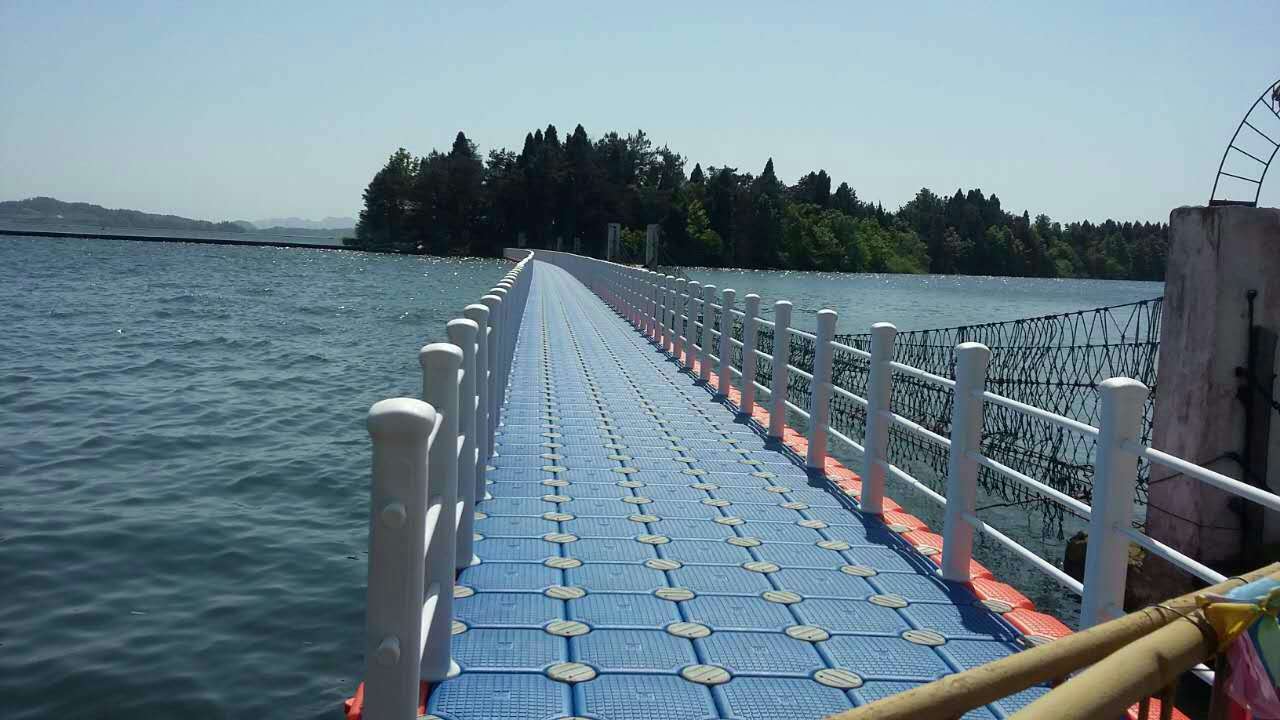
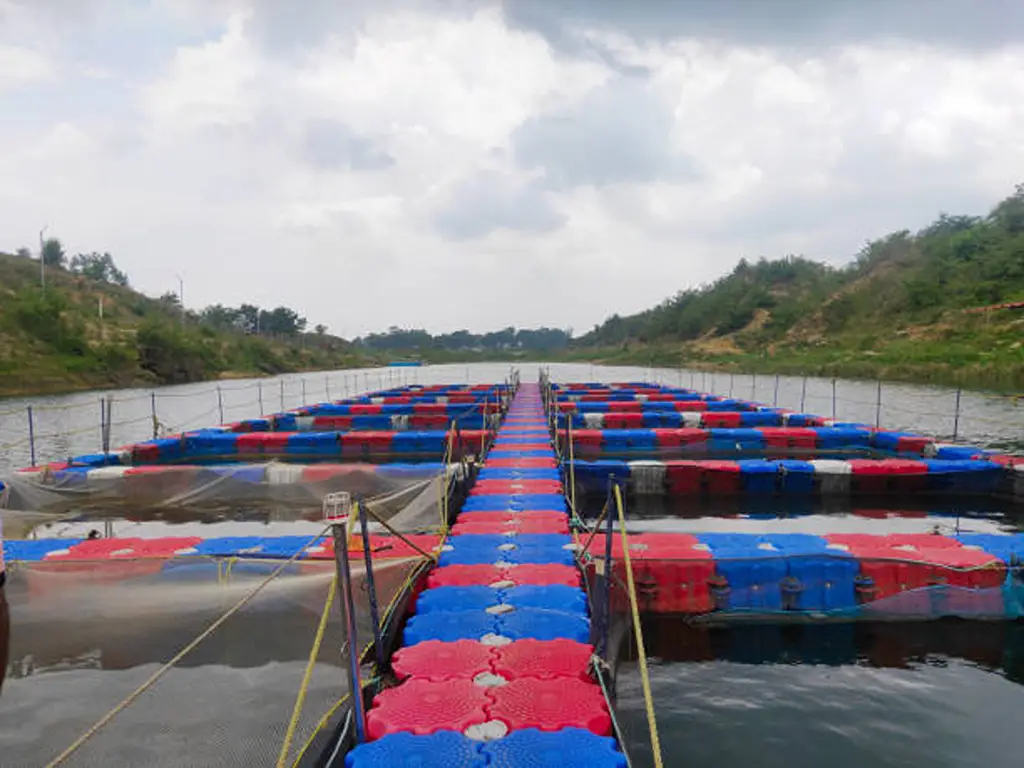
พอร์ตลอยตัวได้ปฏิวัติพื้นฐานของ ลิฟท์ท่าจอดเจ็ทสกี ตลาด แทนที่จะพึ่งพาไฟฟ้า สายเคเบิล หรือระบบไฮดรอลิกส์ พวกเขาใช้ระบบลอยตัวแบบโมดูลาร์ คุณเพียงแค่จัดแนวเรือของคุณและ "ขับขึ้นไป" บนแพลตฟอร์มที่แห้งและมีแรงเสียดทานต่ำ พวกมันมีความยืดหยุ่นสูง หมายความว่าคุณสามารถปรับเปลี่ยนหรือขยายได้หากคุณซื้อเรือลำที่สองในอนาคต
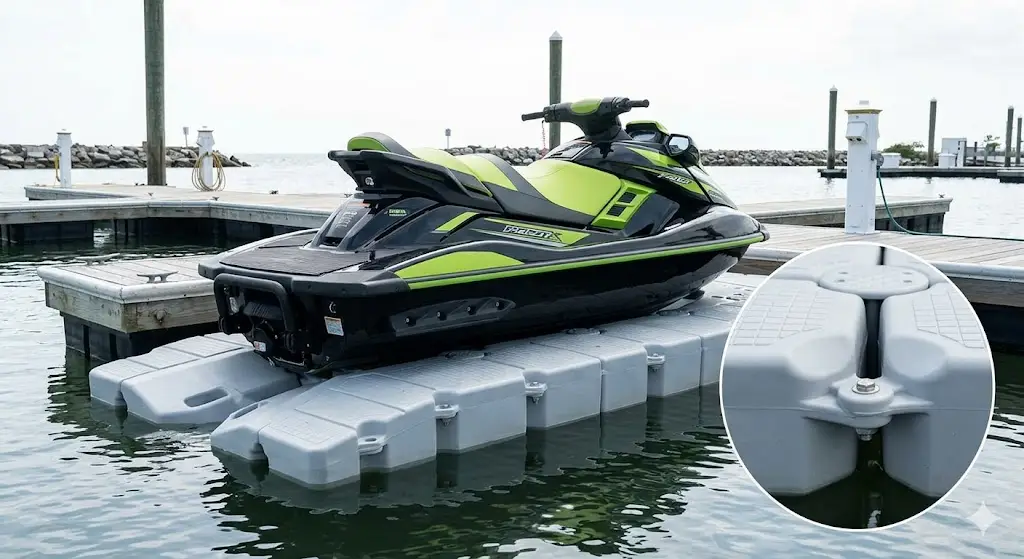
มาตรฐานอุตสาหกรรม: ในขณะที่แบรนด์ต่างๆ เช่น อีซีด็อก ทำหน้าที่เป็นชื่อครัวเรือนระดับพรีเมียมที่เป็นที่รู้จักในด้านข้อต่อยางเฉพาะของตนเอง ฮิเซด็อก ได้กลายเป็นที่นิยมอย่างรวดเร็วในกลุ่ม B2B สำหรับการใช้งานเชิงพาณิชย์และที่อยู่อาศัยหนัก เนื่องจากความหนาแน่นของวัสดุที่สูงเป็นพิเศษ โดยเฉพาะอย่างยิ่ง ความหนาของหูยึด 19 มม. ของ Hiseadock (ซึ่งหนากว่าค่าเฉลี่ยของอุตสาหกรรมถึง 40%) ช่วยแก้ปัญหาที่พบบ่อยที่สุดในอุตสาหกรรม: หูยึดที่หักภายใต้แรงกดดันจากคลื่นพายุรุนแรง
2. ลิฟต์เจ็ตสกีไฮดรอลิก (The Premium Speedster)
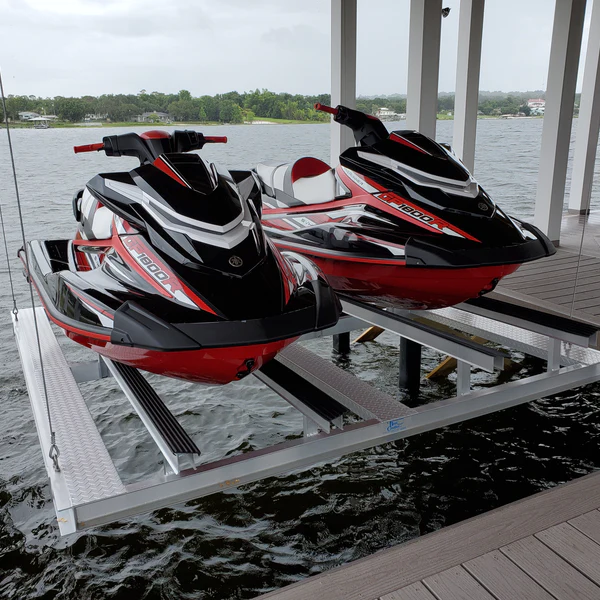
การ ลิฟต์เจ็ตสกีไฮดรอลิก มักถูกมองว่าเป็น "รถสปอร์ตหรู" ของท่าเรือ แบรนด์อย่าง ไฮโดรโฮิสต์ นำพื้นที่เฉพาะนี้ โดยใช้กระบอกไฮดรอลิกแบบกดปุ่มที่มีกำลังสูงเพื่อยกยานพาหนะขึ้นจากน้ำอย่างสมบูรณ์โดยไม่ต้องใช้แรงคนและด้วยความเร็วสูงเป็นพิเศษ พวกมันมีรูปลักษณ์ที่สวยงามอย่างน่าทึ่ง เนื่องจากเครื่องจักรส่วนใหญ่ถูกซ่อนอยู่ใต้แนวน้ำ
ข้อดี: ความเร็วในการติดตั้งที่น่าทึ่ง, การทำงานที่เงียบสนิท, และแทบไม่มีสิ่งกีดขวางทางสายตาที่บดบังวิวริมน้ำอันสวยงามของคุณ
ข้อเสีย: โดยทั่วไปแล้ว ระบบเหล่านี้ต้องการการลงทุนเริ่มต้นที่สูงกว่า นอกจากนี้ ระบบที่มีชิ้นส่วนกลไกอยู่ใต้น้ำมักต้องการการบำรุงรักษาโดยช่างผู้เชี่ยวชาญเป็นประจำ เพื่อจัดการกับการเจริญเติบโตของสิ่งมีชีวิตในทะเลและเพื่อให้มั่นใจถึงประสิทธิภาพการทำงานที่ดีที่สุดในระยะยาว
3. ลิฟต์โดยสาร (โซลูชันรางตั้งฉาก)
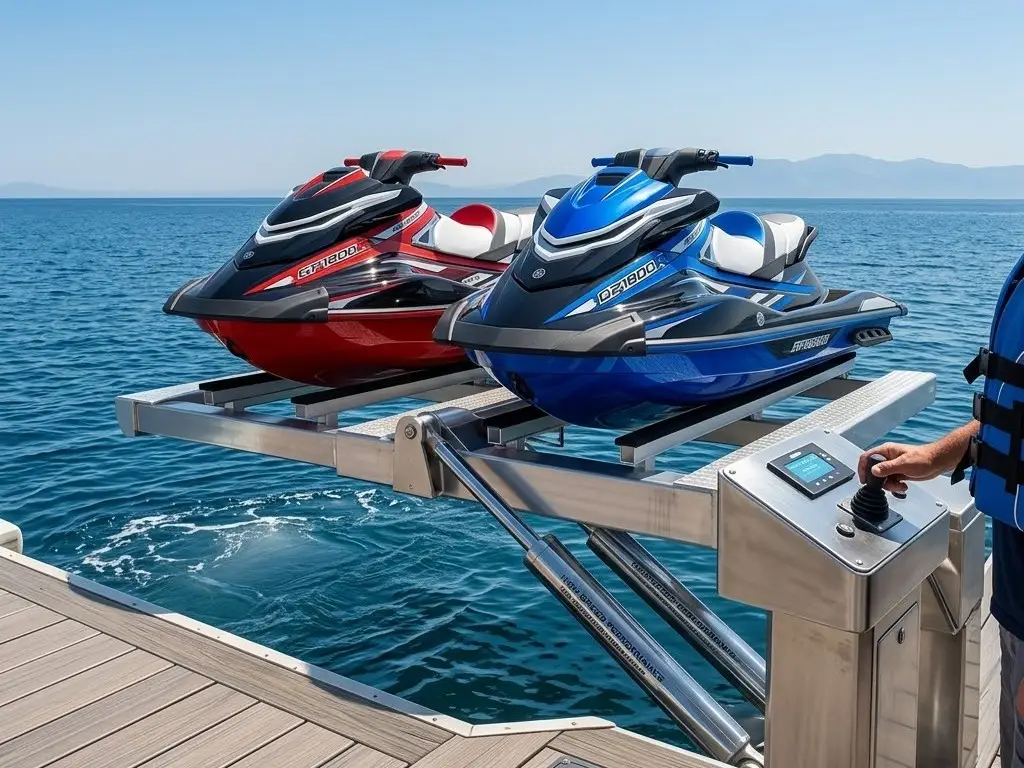
ต่างจากระบบไฮดรอลิก ลิฟต์ยกเรือใช้ระบบรางที่แข็งแรงและตั้งตรงหรือเอียงเล็กน้อย ติดตั้งโดยตรงกับเสาเข็มหรือกำแพงกันคลื่นของท่าเรือของคุณ ตัวรถที่ขับเคลื่อนด้วยมอเตอร์จะเคลื่อนที่ขึ้นลงตามรางเหล่านี้เพื่อปล่อยและดึงเรือขึ้นลง ระบบนี้เหมาะอย่างยิ่งสำหรับท่าเรือแคบในคลองที่พื้นที่กว้างไม่สามารถทำได้
ข้อดี: เหมาะอย่างยิ่งสำหรับพื้นที่แคบและจำกัด พร้อมความสามารถในการยกที่แข็งแกร่งสำหรับภาชนะที่มีน้ำหนักมากเป็นพิเศษ
ข้อเสีย: โดยทั่วไปแล้วพวกมันต้องการน้ำที่ลึกกว่า (มักจะเป็น 4 ฟุตหรือมากกว่า) เพื่อให้ทำงานได้อย่างราบรื่น. รางที่จมอยู่ใต้น้ำยังต้องการการทำความสะอาดและการหล่อลื่นเป็นประจำเพื่อรักษาความน่าเชื่อถือในระยะยาว.
4. ระบบสายเคเบิล, วินซ์, และดาวิต (ตัวเลือกแบบดั้งเดิม)
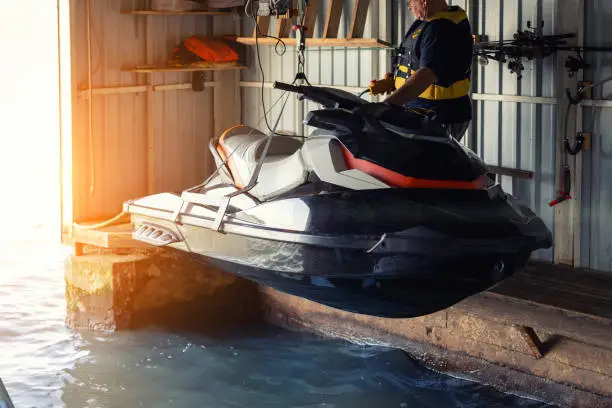
เอ เครนยกเจ็ตสกี หรือดาวิตหมุนได้นั้นโดยพื้นฐานแล้วเป็นโครงสร้างเครนขนาดเล็กและเรียบง่าย ใช้รอกไฟฟ้าและสายเคเบิลที่ทนทานในการดึงเรือหรืออุปกรณ์ขึ้นด้านบน และสามารถหมุนได้เพื่อเหวี่ยงเจ็ตสกีให้อยู่เหนือกำแพงกันคลื่นหรือพื้นท่าเรือโดยตรงสำหรับการบำรุงรักษา
ในขณะที่พวกเขายังคงเป็น ลิฟต์ pwc ที่ดีที่สุด สำหรับกำแพงกันคลื่นสูงหรือการติดตั้งแบบปิดล้อม "โรงเก็บเรือ" โดยทั่วไปแล้วจะทำงานด้วยความเร็วที่ช้าลง นอกจากนี้ยังต้องการการบำรุงรักษาอย่างสม่ำเสมอและการตรวจสอบสายเคเบิลเป็นประจำเพื่อให้มั่นใจในประสิทธิภาพที่ปลอดภัยและยาวนาน
กับดัก 1,000 ปอนด์: การรับน้ำหนักแบบไดนามิกและการเคลื่อนที่ทางกายภาพ
หนึ่งในความผิดพลาดที่อันตรายที่สุดที่เจ้าของริมน้ำทำคือการซื้อ ลิฟต์ส่วนตัวสำหรับเรือ อ้างอิงจากข้อมูล "น้ำหนักแห้ง" ของผู้ผลิตเท่านั้น กฎทางฟิสิกส์ของการจัดเก็บในทะเลนั้นเข้มงวดกว่าการจัดเก็บยานพาหนะในโรงรถอย่างมาก
วิวัฒนาการของน้ำหนักของ PWC
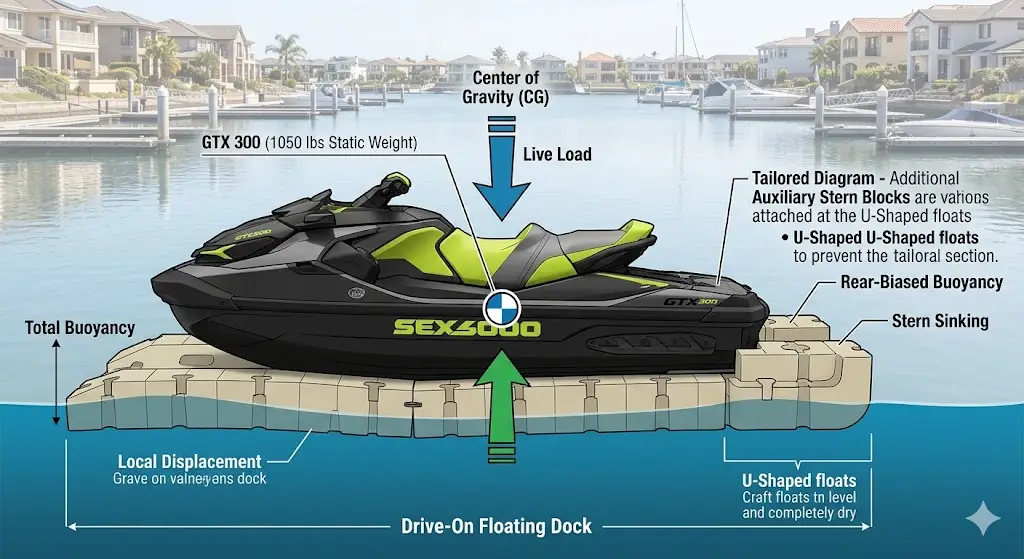
ในช่วงปลายทศวรรษ 1990, Yamaha Waverunner รุ่นมาตรฐานมีน้ำหนักประมาณ 400 ปอนด์. เมื่อมาถึงปัจจุบัน, รถยนต์สามที่นั่งรุ่นใหม่เช่น ยามาฮ่า FX ลิมิเต็ด SVHO หรือ ซี-ดู จีทีเอ็กซ์ 300 มีน้ำหนักแห้งเกือบ 900 ปอนด์ เมื่อเติมน้ำมันเต็มถัง (ประมาณ 18 แกลลอน/110 ปอนด์) พร้อมอุปกรณ์เก็บของ สมอ และอุปกรณ์ฉุกเฉิน เครื่องจะหนักเกิน 1,050 ปอนด์ได้อย่างง่ายดายก่อนที่ผู้ขับขี่จะขึ้นไปนั่ง
น้ำหนักบรรทุกขณะใช้งานเทียบกับขีดจำกัดน้ำหนักคงที่
เมื่อเลือก ลิฟต์สำหรับเรือส่วนบุคคลคุณต้องบันทึกอย่างละเอียดถี่ถ้วน น้ำหนักบรรทุกขณะใช้งาน (แรงไดนามิก) หากเครื่องจักรของคุณ ลิฟต์เจ็ตสกี ได้รับการจัดอันดับให้รับน้ำหนักสูงสุด 1,200 ปอนด์ การวางเรือที่มีน้ำหนัก 1,100 ปอนด์เต็มความจุบนนั้นจะทำให้ไม่มีขอบเขตความปลอดภัยเหลืออยู่เลยทันทีที่คุณยืนบนแพลตฟอร์มสำหรับว่ายน้ำเพื่อล้างเครื่องยนต์ หรือในขณะที่เรือยาว 2 ฟุตกระแทกเข้ากับตัวเรือขณะลอยตัวอยู่ แรงกระแทกที่เกิดขึ้นสามารถทำให้คานอลูมิเนียมของฐานรองรับโค้งงอหรือสายเคเบิลที่เป็นสนิมขาดได้อย่างง่ายดาย แนวทางวิศวกรรมที่ดีที่สุดกำหนดว่าคุณต้องสร้างขอบเขตความปลอดภัยขั้นต่ำที่ 20% ถึง 30%
ความท้าทายการแทนที่แบบลอยตัว
สำหรับผู้ที่เลือกใช้ท่าเรือลอยน้ำแบบโมดูลาร์ น้ำหนักจะกลายเป็นความท้าทายทางกายภาพในรูปแบบที่แตกต่างออกไป: การโยกย้ายถิ่นฐานตามหลักการของอาร์คิมิดีส เพื่อรองรับน้ำหนักของเรือเจ็ตสกี 1,100 ปอนด์ ฝั่งซ้ายจะต้องแทนที่น้ำในปริมาณที่มีน้ำหนักเท่ากัน เนื่องจากเรือสมัยใหม่มีน้ำหนักมากที่ส่วนท้าย (ซึ่งเป็นที่ตั้งของเครื่องยนต์ขนาดใหญ่และปั๊มเจ็ต) การวางเรือที่มีน้ำหนักมากบนทุ่นลอยน้ำที่มีขนาดเล็กเกินไปจะทำให้ท้ายเรือจมต่ำกว่าแนวน้ำ ซึ่งขัดกับวัตถุประสงค์ของการจัดเก็บแบบแห้ง
นี่คือเหตุผลที่การเลือก ท่าเทียบเรือเจ็ตสกีที่ดีที่สุด ระบบมีความสำคัญอย่างยิ่ง ระบบโมดูลาร์พรีเมียมจาก Hiseadock ช่วยให้คุณสามารถติดตั้งทุ่นลอยรูปตัวยูเพิ่มเติมหรือบล็อกเสริมรูปสี่เหลี่ยมผืนผ้าเฉพาะส่วนด้านหลังได้อย่างง่ายดาย วิธีการที่ปรับแต่งนี้ช่วยเพิ่มการลอยตัวเฉพาะจุด (การแทนที่) อย่างมีประสิทธิภาพตรงบริเวณที่เครื่องยนต์ตั้งอยู่ ทำให้เรือของคุณแห้งสนิท อยู่ในระดับที่สมดุล และปลอดภัยจากการเกิดโอโซมิสที่ทำให้ตัวเรือบวม
ความจริงระดับทางทะเล: วิทยาศาสตร์ของการกัดกร่อนแบบกัลวานิก
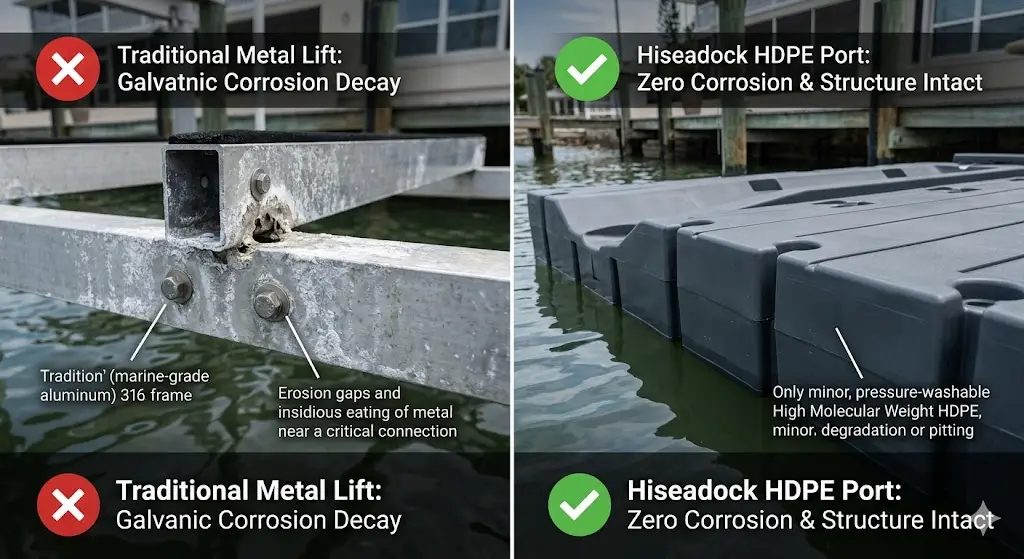
ผู้ซื้อจำนวนมากเข้าใจผิดว่า "อะลูมิเนียมเกรดทางทะเล" นั้นทนต่อการเกิดสนิมได้อย่างสมบูรณ์ แม้ว่าอะลูมิเนียมจะไม่เกิดสนิมเหมือนเหล็กดิบโดยตรง แต่มันมีความไวต่อการกัดกร่อนอย่างเงียบๆ และทำลายโครงสร้าง: การกัดกร่อนแบบกัลวานิก.
น้ำเค็มโดยพื้นฐานแล้วคือของเหลวที่มีคุณสมบัติเป็นอิเล็กโทรไลต์ขนาดใหญ่และมีความสามารถในการนำไฟฟ้าสูง เมื่อคุณประกอบโลหะ ลิฟต์เจ็ตสกีสำหรับเรือ การติดตั้ง คุณหลีกเลี่ยงไม่ได้ที่จะต้องรวมโลหะที่แตกต่างกันเข้าด้วยกัน—ตัวอย่างเช่น โครงอลูมิเนียมที่ยึดด้วยน็อตสแตนเลส 316L เมื่อถูกจุ่มในน้ำเค็ม โลหะเหล่านี้จะทำหน้าที่เหมือนขั้วแบตเตอรี่ โลหะที่มีค่าต่ำกว่า (อลูมิเนียม) จะกลายเป็น แอโนด และสละอิเล็กตรอนของตัวเองอย่างแข็งขันให้กับโลหะที่ประเสริฐกว่า (สแตนเลส) ในช่วงเวลาที่สั้นอย่างน่าประหลาดใจ น้ำเกลือจะกัดกร่อนจนเกิดรูโครงสร้างลึกผ่านคานหลักของคุณอย่างแท้จริง
วิธีรับมือกับผลกระทบของแบตเตอรี่
หากคุณซื้อโลหะ เครนยกเจ็ตสกี, คุณจำเป็นต้องติดตั้งตามการรับประกันของผู้ผลิตและมาตรฐานโครงสร้าง แอโนดสังเวย (โดยทั่วไปทำจากสังกะสีสำหรับน้ำเค็มหรือแมกนีเซียมสำหรับน้ำจืด) แอนโอดเหล่านี้ทำหน้าที่เป็น "ตัวล่อ" สุดท้าย โดยละลายลงในน้ำเพื่อให้โครงอลูมิเนียมของคุณไม่ต้องทำ คุณต้องจ้างนักดำน้ำเพื่อเปลี่ยนแอนโอดเหล่านี้ทุก 12 ถึง 18 เดือน เพื่อป้องกันการเสียหายของโครงอย่างรุนแรง
เพื่อให้บรรลุถึง บำรุงรักษาต่ำมากท่าจอดเรือที่มองการณ์ไกลกำลังเลิกใช้เรือดำน้ำโลหะโดยสิ้นเชิง พอลิเมอร์น้ำหนักโมเลกุลสูง HDPE (โพลีเอทิลีนความหนาแน่นสูง) เป็นพอลิเมอร์ที่ไม่เป็นตัวนำไฟฟ้าโดยสิ้นเชิง เป็นไปไม่ได้ทางกายภาพที่ HDPE ที่ขึ้นรูปด้วยวิธีการเป่าจะ ลิฟต์สำหรับเรือพีดับเบิลยูซีแบบติดตั้งที่ท่าเทียบเรือ ประสบปัญหาการกัดกร่อนแบบกัลวานิก แม้ว่าคุณยังคงต้องล้างสิ่งมีชีวิตทางทะเลที่เป็นอินทรีย์ออกจากพลาสติกเป็นครั้งคราว แต่ความสมบูรณ์ของโครงสร้างพื้นฐานจะยังคงไม่ถูกทำลายเป็นเวลาหลายทศวรรษ
ชายฝั่งของคุณพร้อมสำหรับการอัปเกรดหรือยัง? มาลองคำนวณทางฟิสิกส์กัน
อย่าเสี่ยงกับเรือของคุณมูลค่า 1,000,000 บาทด้วยการคาดเดา ก่อนที่คุณจะตัดสินใจใช้เครื่องจักรหนัก ให้ผู้เชี่ยวชาญทางทะเลของเราทำการประเมินโครงสร้างจากระยะไกลก่อน ส่งรูปถ่ายให้เราสักสองสามรูปก่อนและหลังน้ำขึ้น/น้ำลง หรือเพียงแค่ระบุรหัสไปรษณีย์ในพื้นที่ของคุณและรุ่นของ PWC เราจะให้คำแนะนำที่อิงจากข้อมูลและข้อเท็จจริง โดยไม่มีข้อผูกมัดใดๆ ทั้งสิ้น
รับการประเมินวิศวกรรมระยะไกลฟรีของฉัน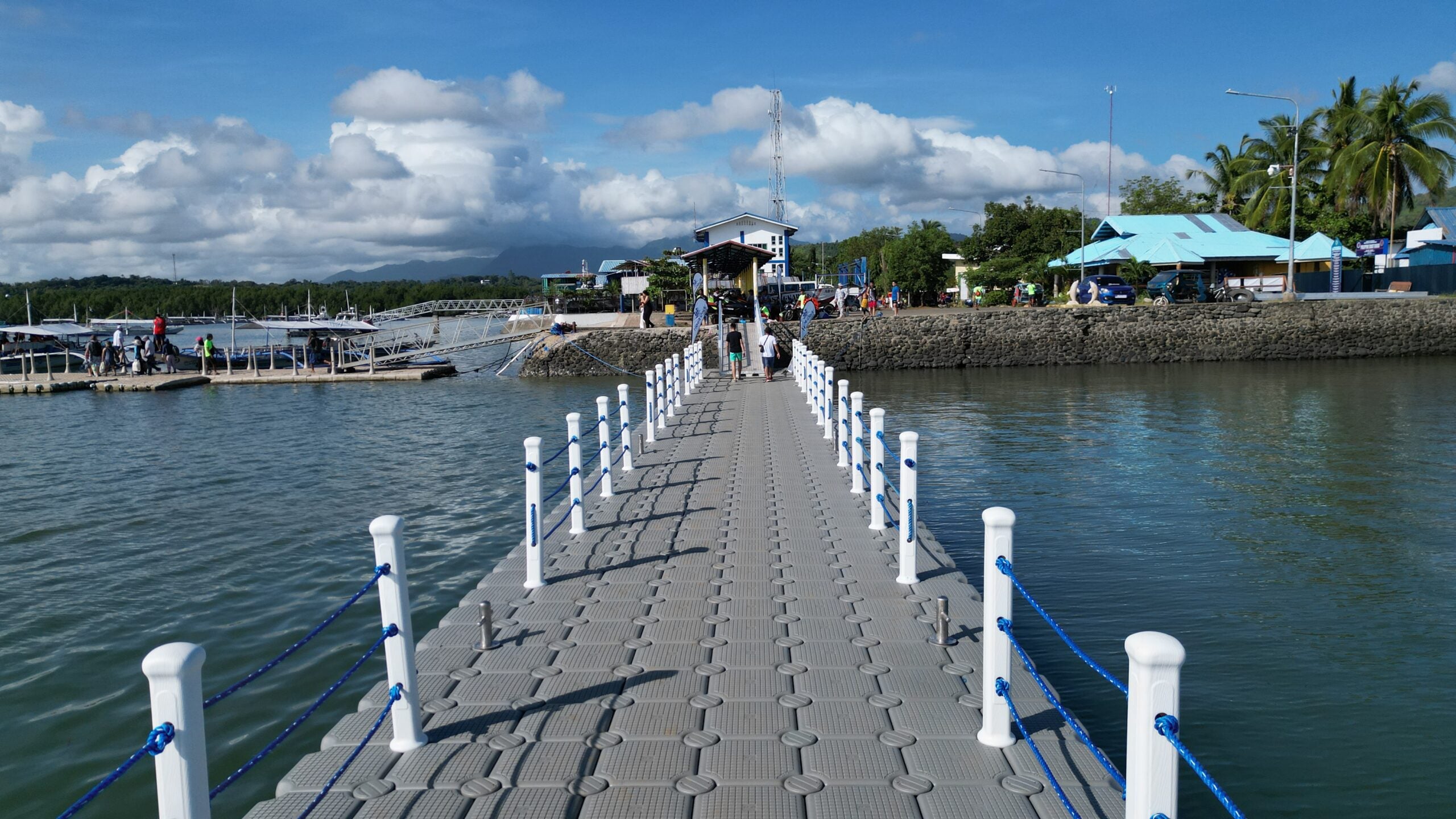

 English
  Thai
Thai  Spanish
  French
  German
  Dutch
Dutch  Italian
  Arabic
  Indonesian
  Portuguese
  Turkish