
Introducción
La construcción de un muelle personal no es un mero proyecto de mejora del hogar, sino una inversión estratégica que conectará la brecha entre los bienes inmuebles en tierra y la utilidad en el mar. Según los expertos del sector, es un juego de arquitectura fiscal, con un delicado malabarismo entre la aspiración de vivir frente al mar y la dura realidad de la ingeniería, las aprobaciones medioambientales y la durabilidad de los materiales. Aunque la idea de poder salir del patio trasero de casa y subirse a un barco es seductora, el camino hacia el logro está plagado de complicados factores de coste de los muelles que pueden cambiar drásticamente según la geografía y el diseño.
La pregunta ¿Cuánto cuesta construir un muelle? rara vez tiene una respuesta única. Más bien ofrece una gama de resultados financieros, desde una simple plataforma de temporada que puede adquirirse con unos pocos miles de dólares hasta un muelle permanente de gran calado que puede ser tan caro como un coche de lujo. El secreto para salir airoso de esta inversión es conocer las fuerzas ocultas que subyacen al coste, como la geometría del trazado, la composición química de los materiales y los ciclos de mantenimiento a largo plazo. Esta guía desglosa cada coste de forma granular para que cada dólar que gaste se convierta en fiabilidad estructural y aumento del valor de la propiedad.
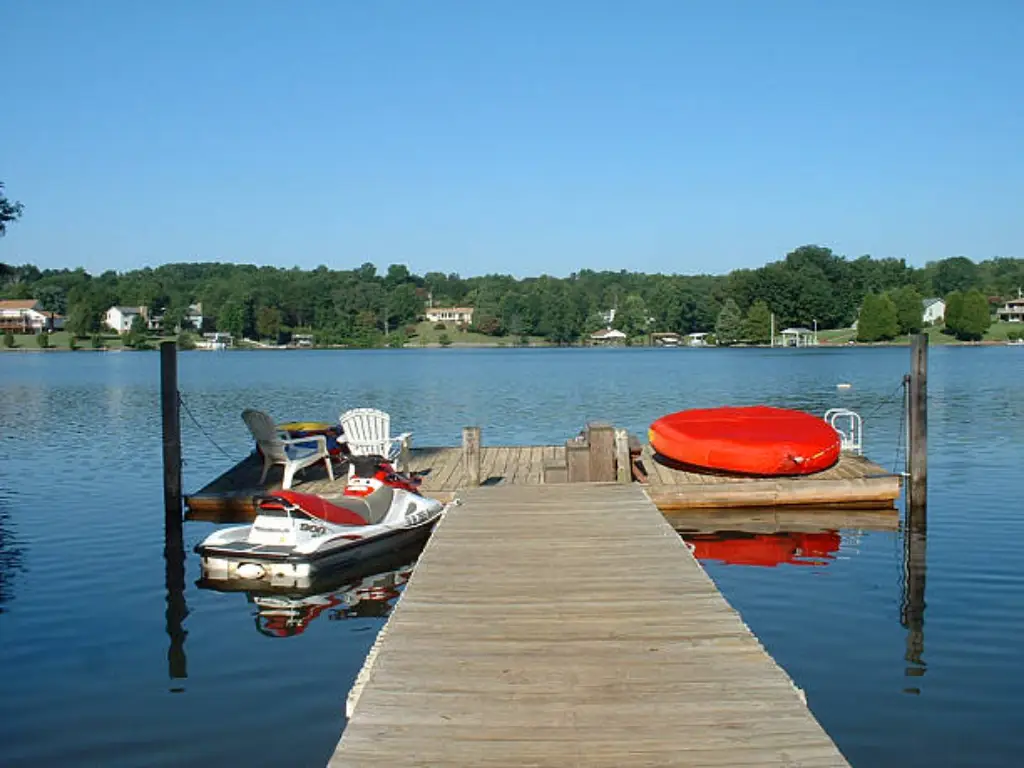
¿Por qué construir un muelle privado?
La decisión de invertir en un muelle privado casi nunca es una decisión de lógica fría y dura, pero las ventajas lógicas son sorprendentemente fuertes. Para empezar, está la cuestión del valor de la propiedad. Según las estadísticas inmobiliarias, un muelle bien construido puede añadir entre un 10% y un 15% al valor de una casa junto al agua. Convierte una casa cerca del agua en una vivienda frente al mar.
En segundo lugar, está el factor comodidad. Cuando se tiene un barco, los gastos constantes de los amarres en los puertos deportivos, la pesadilla logística del remolque y las colas en las rampas públicas bastan para que uno se plantee vender el barco y dedicarse a tejer. Hay un muelle personal con acceso directo.
Por último, un muelle es un centro social versátil. Es una cubierta de pesca, una cubierta de baño y una galería para ver la puesta de sol combinadas. Es una continuación de tu salón, sólo que en plena naturaleza.
Conozca el coste medio de la construcción de muelles
La respuesta a la pregunta "¿Cuánto cuesta construir un muelle?" requiere comprender que los precios difieren en función de varios factores, como el tipo, el tamaño, la complejidad y el alcance global del proyecto, como ocurre con todas las construcciones. Una instalación de muelle de gama básica a media suele costar entre $4.000 y $25.000, con un coste medio que cubre la compra de materiales, la mano de obra y su instalación. Se calcula que un muelle estándar de 360 pies cuadrados cuesta alrededor de $15.000.
Su elección personal es lo que, en última instancia, determinará el precio final. Por ejemplo, un muelle flotante pequeño puede costar unos pocos miles de dólares, pero las características personalizadas permanentes y la compleja construcción de un muelle más grande pueden aumentar los costes considerablemente.
Debido a una construcción más sencilla, los diques flotantes cuestan menos en general, mientras que los diques de pilotes o de cuna elevarán los precios. Los muelles de opción permanente fabricados con materiales de alta gama, como cubiertas de composite, aluminio u otros, aumentarán significativamente los costes.
¿Cuáles son los factores que influyen en el coste global de la construcción de un muelle?
Un muelle es un ecosistema sensible de variables en el que el precio final viene determinado por una combinación de tamaño físico, factores medioambientales y necesidades normativas. El conocimiento de estos factores es la diferencia entre una inversión que tiene éxito y un presupuesto que desaparece sin previo aviso.
Factores primarios de coste: Dimensiones y elección de materiales
El tamaño físico y la superficie cuadrada total del edificio es el factor determinante del coste en la mayoría de los casos, ya que determina la gran cantidad de materia prima y la magnitud de la ingeniería necesaria. El área total de la superficie es la base de cualquier presupuesto; en un proyecto sencillo de 120 pies cuadrados, perfecto para albergar una moto acuática o una pequeña plataforma, el presupuesto suele oscilar entre los 2.000 y los 5.500 dólares. Pero con la ampliación de la instalación a una superficie de 540 pies cuadrados para albergar embarcaciones más grandes, el precio aumenta de forma natural a entre 8.100 y 18.900. Esta subida no sólo se debe al número de cubiertas, sino también a la necesidad de contar con anclajes de calidad comercial y armazones reforzados que puedan soportar las mayores cargas de viento y oleaje que conlleva el aumento de superficie.
Además, la complejidad del diseño es un potente multiplicador de costes que puede alterar considerablemente la factura final. Aunque una extensión recta en forma de I es la opción más rentable porque requiere la menor cantidad de accesorios, la transición a diseños en forma de L, de U o incluso de dos pisos añadirá primas estructurales significativas. Estos diseños tan elaborados generan mucho más espacio en los bordes, lo que requiere piezas adicionales caras, como defensas perimetrales, parachoques y barandillas de seguridad. Además, los diseños detallados pueden necesitar un armazón reforzado y una mayor flotabilidad para que el muelle sea estable con las cargas desiguales de varios amarres o eventos sociales.
Por último, aunque las dimensiones y la disposición definen el tamaño del proyecto, la elección del material exacto definirá el precio final por pie cuadrado y la huella financiera a largo plazo del muelle. El uso de maderas baratas tratadas a presión puede reducir el coste inicial de construcción en un margen significativo, pero estos costes suelen verse contrarrestados a largo plazo por los repetidos gastos de tintes y reparaciones estructurales. Por el contrario, una mayor inversión de capital inicial en materiales de alto rendimiento, como el HDPE, los materiales compuestos o el aluminio, tendrá un mayor valor a lo largo de su vida útil, ya que básicamente eliminará la necesidad de gastar dinero en mantenimiento anual y tendrá una vida útil significativamente más larga en condiciones marinas severas. Estas categorías de materiales se desglosan en la siguiente tabla comparativa, que compara su coste estimado por pie cuadrado con su vida útil estimada en el mar.
| Material | Coste por m2 | Pros | Contras | Vida útil típica |
| Pino | $1 - $5 | Asequibles, fácilmente disponibles | Menos duradero, requiere un mantenimiento regular | 5-15 años |
| Cedro | $4 - $8 | Naturalmente resistente a la putrefacción, estéticamente agradable | Más caro que el pino | 15-30 años |
| Secoya | $7 - $10 | Duradero, resistente a los insectos y a la podredumbre | Requiere sellado y tinción periódicos | 20-30 años |
| Madera tratada a presión | $3 - $7 | Asequible, resistente a los insectos y a la caries | Requiere un sellado periódico y puede contener productos químicos | 10-25 años |
| Madera dura | $6 - $15 | Muy duradero, resistente a la putrefacción y a los insectos | Caro | 25-40 años |
| Maderas frondosas exóticas | $10 - $25+ | Extremadamente duradero, aspecto lujoso | Muy caro | Más de 30 años |
| Compuesto | $4 - $16 | Bajo mantenimiento, duradero y de varios colores | Más caro que algunas maderas, puede calentarse a pleno sol | 20-30+ años |
| Plástico/PVC | $4 - $10 | Resistente al agua y de bajo mantenimiento | Puede parecer menos natural que la madera | Más de 20 años |
| Aluminio | $8 - $15 | Ligero, resistente a la corrosión y de bajo mantenimiento | Más caro que algunas maderas, puede calentarse a pleno sol | Más de 30 años |
| Madera sintética | $8 - $20+ | Gran durabilidad, bajo mantenimiento, resistente a la decoloración | Caro | Más de 25 años |
| Hormigón | $10 - $25+ | Extremadamente duradero, muy bajo mantenimiento | Muy caro, requiere una instalación especializada | Más de 50 años |
Costes de mano de obra e instalación
Uno de los principales impulsores del presupuesto es la mano de obra, que suele representar entre el 40% y el 60% de la inversión total. Los contratistas marinos profesionales suelen costar entre 50 y 150 por hora y trabajador, lo que equivale a entre 15 y 40 por pie cuadrado sólo en costes de mano de obra. En el caso de un proyecto residencial típico, esto se traduce en una factura de mano de obra profesional de entre $5.000 y 15.000. Estos gastos pueden ser muy elevados en los diques de pilotes permanentes, en los que la instalación de equipos especializados, como martinetes, puede costar entre $500 y 1.500 por pilote.
Por el contrario, una solución de bricolaje le ayudará a reducir los costes de mano de obra casi a cero, y podrá invertir el dinero ahorrado, que oscila entre 4.000 y 6.000 dólares, de nuevo en el proyecto. Mientras que los conocimientos profesionales son necesarios en el pilotaje en aguas profundas o en lugares muy transitados, un sistema modular de bricolaje puede ser la opción más racional en el entorno residencial tranquilo, ya que puede aprovecharse al máximo sin comprometer la calidad de los resultados profesionales.
Investigación geotécnica, dragado y preparación del terreno
Los factores específicos del emplazamiento son los llamados cimientos ocultos del presupuesto antes de que empiece la construcción, y suelen añadir entre un 20% y un 50% a los costes totales. La investigación geotécnica, que cuesta entre 1000 y 3500 dólares, suele ser necesaria para determinar si el lecho del lago puede sostener el sistema de anclaje. Además, cuando la costa es demasiado poco profunda para acoger el barco, los servicios de dragado cuestan entre 25 y 75 dólares por yarda cúbica para dragar el agua hasta la profundidad requerida.
El presupuesto de desbrozar la vegetación y estabilizar la orilla con escollera también cuesta entre $1.500 y 5.000 para preparar el terreno. Estos costes iniciales son necesarios ya que la calidad del suelo o la profundidad pueden aumentar esencialmente el coste de entrada del proyecto antes de la instalación del primer módulo.
Licencias y costes jurídicos
Los requisitos legales añaden costes blandos que normalmente incrementan el presupuesto del proyecto entre un 5% y un 15%. El coste de la solicitud del permiso oscila entre 500 y 3.000 dólares y la no obtención del permiso puede acarrear fuertes multas. Además, el coste de la evaluación de impacto ambiental puede oscilar entre 1.500 y 5.000 dólares para asegurarse de que la estructura no afectará negativamente a los hábitats locales de peces o hierbas marinas.
Para certificar el diseño conforme a las cargas locales de viento y hielo, la mayoría de las jurisdicciones exigen también planos del emplazamiento sellados por un ingeniero titulado, que cuestan entre $1.000 y $4.000. En caso de líneas de propiedad complicadas, los honorarios legales y de consultoría pueden aumentar el coste entre 2.000 y 6.000 dólares más. Por último, estos obstáculos normativos actúan como un filtro administrativo que puede aumentar indirectamente el coste mediante la exigencia de determinados materiales respetuosos con el medio ambiente o una ingeniería más duradera.
Complementos necesarios: Hardware y utilidades marinos
Los accesorios especializados convierten una plataforma sencilla en un puerto funcional, pero tienen un gran impacto en el coste final de construcción. Los elevadores de barcos, que cuestan entre 2.500 y más de 20.000 según el tipo de sistema, sirven para proteger el casco, pero necesitan armazones más resistentes. Además, los sistemas de agua y electricidad en tierra son convenientes con un coste total de $2.000 a $8.500 con pedestales de electricidad de entre 1.200 y 3.500.
El principal sistema de seguridad son los herrajes de amarre, y los presupuestos oscilan entre cornamusas y topes de acero inoxidable de calidad 316 entre $500 y 4000. Otras medidas de seguridad, como las escaleras marinas (300-800) y la iluminación instalada por profesionales (800-4500) también se incluyen en la lista. Cada adición de alta funcionalidad tiene un efecto dominó en el coste, ya que requiere refuerzos estructurales que aumentan las estimaciones originales de construcción.
Presupuesto anual de mantenimiento y seguros
Los costes de construcción diferidos son el mantenimiento y los seguros, que determinan la inversión total durante toda la vida útil. Los muelles de madera deben conservarse con materiales que cuestan entre 500 y 1.500 al año, y el control de la corrosión de los herrajes cuesta entre 150 y 400 al año para sustituir los pernos oxidados. Además, los muelles de pilotes necesitan auditorías estructurales cada dos o tres años, con un coste de entre 400 y 800, para garantizar que los cimientos no se desplazan.
El seguro es un gasto fijo que suele elevar la prima entre 200 y 600 al año, y las primas por tormentas entre 300 y 1000+ en las regiones costeras. Su primera decisión sobre el material producirá un pasivo anual fijo; una elevada tasa de mantenimiento la produce una madera que se denomina presupuesto, y los diseños modulares resistentes pueden reducir el coste global a largo plazo al recibir descuentos en el seguro de entre el 20% y el 30%.
Tipos de muelles y sus precios
La selección del muelle adecuado es un compromiso entre la geografía especial de su costa y su presupuesto a largo plazo. Para que le resulte más fácil encontrar lo que necesita, hemos dividido los sistemas más populares en cuatro grandes grupos: permanentes, flotantes, estacionales y especiales. Con una huella estándar de 200 pies cuadrados (10′ x 20′) como punto de referencia, la siguiente guía le ayudará a entender con precisión lo que está pagando en materias primas frente al coste total de una instalación profesional llave en mano.
Estructuras de cimentación permanentes

Estos muelles son permanentes y se supone que deben utilizarse como estructura permanente de la propiedad. Son los más estables y los más caros de poner en marcha.
- Muelles de pilotaje: Los muelles de pilotes se construyen taladrando profundamente en el lecho del lago o el fondo marino postes de soporte resistentes, normalmente de madera tratada a presión, acero galvanizado o pilotes compuestos, con equipos profesionales de hincado de pilotes. El coste material de los pilotes y la tarima de alta calidad (IPE o composite de alta calidad) oscilaría entre 4.000 y 8.000 dólares en el caso de una superficie de 200 pies cuadrados. Sin embargo, el coste total de la construcción oscila entre 8.000 y 20.000 dólares, ya que es necesario instalarla en una barcaza y con un equipo especial. La primera ventaja es una sensación de solidez capaz de atracar barcos pesados. En el lado negativo, no pueden moverse; no pueden ajustarse a los cambios de nivel del agua y es probable que sufran daños debido al levantamiento del hielo en climas fríos. Se aplican mejor en zonas de aguas profundas donde el nivel del agua es estable y el tráfico de embarcaciones es elevado.
- Muelles cuna: Se trata de una técnica ancestral en la que grandes cajones de madera entrelazados (cribs) de cedro, cicuta o madera tratada se rellenan con toneladas de piedra natural o granito y se hunden hasta el fondo. La madera y la roca utilizadas para construir un muelle de 200 pies cuadrados costarían entre 7.000 y 12.000 en material. Si a esto se añade el duro trabajo de construcción y relleno de estos edificios bajo el agua, el coste total del proyecto oscila entre 12.000 y 24.000. Los diques cuna son posiblemente los diques más resistentes que existen, con capacidad para soportar movimientos de hielo intenso durante más de 50 años. Sin embargo, son los más costosos y suelen estar prohibidos por la normativa medioambiental vigente, ya que ocupan grandes porciones del lecho del lago. Son más aplicables en los lechos rocosos de los lagos, donde no pueden clavarse pilotes.
- Muelles de hormigón: Suelen utilizarse en puertos deportivos comerciales o en urbanizaciones de alto nivel y se componen de un núcleo de espuma EPS (poliestireno expandido) de alta densidad con una pesada cubierta de hormigón reforzado con fibras de calidad marina. El coste del material de una sección de 200 pies cuadrados es de unos 12000-18000. Son extremadamente pesados, por lo que el coste total de construcción puede superar los 20.000 dólares, incluyendo grúas pesadas y logística especial. Ofrecen una estabilidad que es como caminar sobre tierra firme y son ignífugos, imputrescibles y prácticamente no necesitan mantenimiento. Su enorme peso las hace adecuadas en agua salada y en lugares donde hay mucha energía de las olas, pero apenas se utilizan en pequeños lagos residenciales debido a la elevada barrera de entrada.
Sistemas de diques flotantes
La solución más flexible para los frentes marítimos contemporáneos son los sistemas flotantes, creados específicamente para poder subir y bajar con las mareas o las variaciones estacionales del agua.
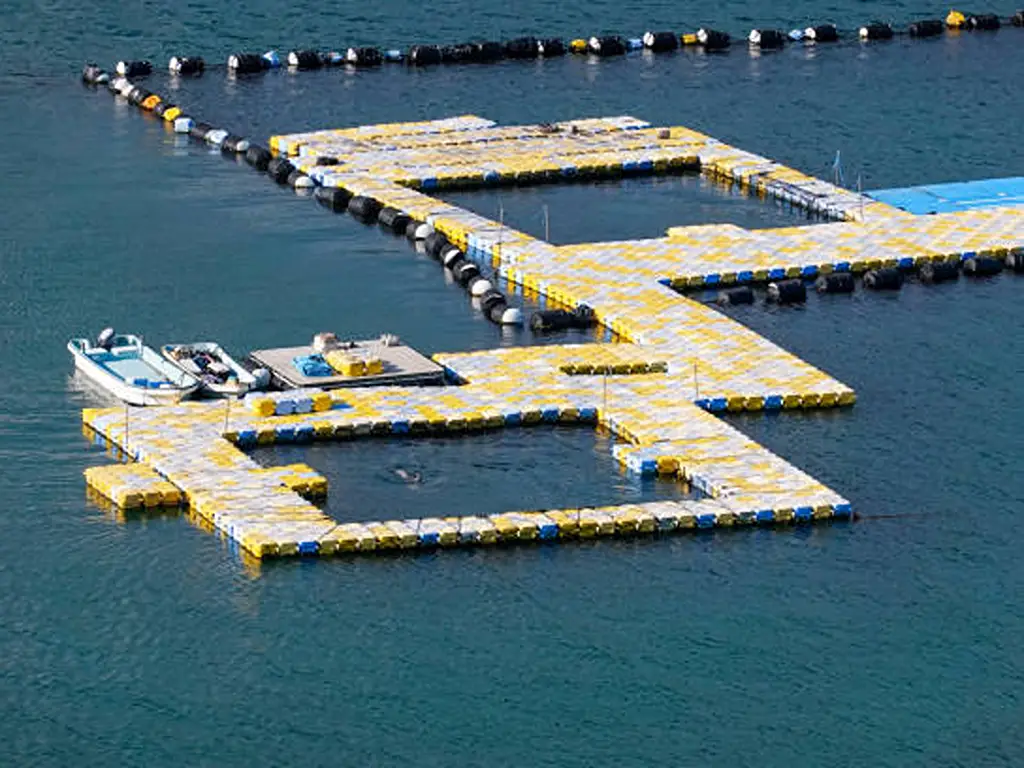
- Muelles modulares de HDPE: Estos sistemas están formados por cubos encajables de polietileno de alta densidad (HDPE) que se unen entre sí con pasadores de alta resistencia. El coste del material utilizado oscila entre 3.500 y 7.000 dólares en el caso de una instalación de 200 pies cuadrados. La mayor ventaja es que el coste total de construcción es muy cercano al coste del material -entre 4.000 y 9.000 dólares-, ya que están construidos para ser instalados por bricolaje sin la ayuda de un profesional. Estos muelles no necesitan ningún tipo de mantenimiento; no se pudren, no se oxidan ni hay que pintarlos. Son lo suficientemente flexibles como para soportar tormentas que arruinarían un muelle rígido debido a su flexibilidad frente a las olas. Son la opción preferida en plataformas para motos acuáticas, muelles de baño y zonas respetuosas con el medio ambiente en las que no se permite el contacto con el lecho del lago.
- Muelles para pontones: Se trata de un muelle flotante más convencional que se compone de un armazón de aluminio o madera y se mantiene unido mediante largos tubos de pontón de aluminio o plástico. Los materiales que hay que comprar para construir una versión de 200 pies cuadrados cuestan aproximadamente entre 3.000 y 6.000, y el coste total de la construcción suele oscilar entre 5.000 y 10.000. Ofrecen un aspecto tradicional y pueden equiparse con distintos materiales de cubierta para adaptarse a una casa. Aunque ofrecen una gran flotabilidad, necesitan un mantenimiento regular para inspeccionar las juntas del armazón y asegurarse de que los pontones no tienen fugas ni se han corroído. Funcionan mejor en lagos interiores tranquilos donde el nivel del agua es variable pero las olas son pequeñas.
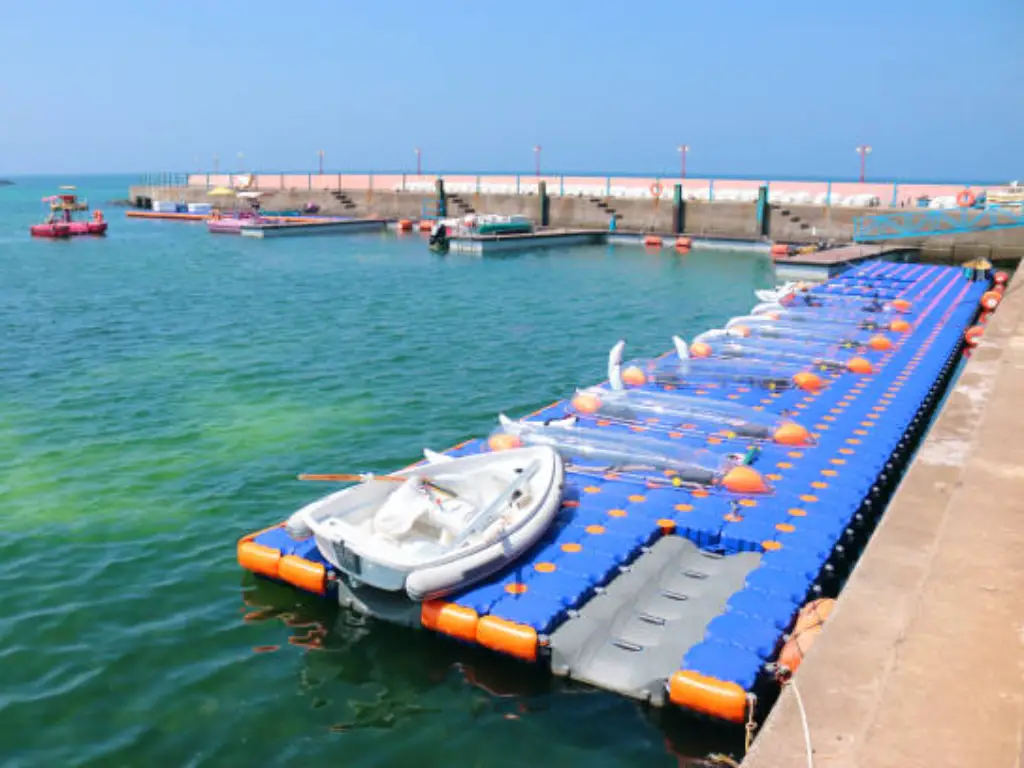
Soluciones desmontables y estacionales
Se trata de estructuras ligeras y fáciles de desmontar, utilizadas sobre todo por los propietarios en zonas donde el hielo invernal destruiría un muelle permanente.
- Muelles de tuberías: Estos son los más baratos y están hechos de un marco de aluminio de grado marino con patas ajustables de acero galvanizado (tubos) que se colocan en la parte inferior. El coste del material de un kit de 200 pies cuadrados oscila entre 1500 y 4000. Como la mayoría de los propietarios los instalan ellos mismos, el coste total apenas supera entre $2.000 y 6.000. Su principal ventaja es la sencillez; dejan una pequeña huella en el medio ambiente y son fáciles de cosechar durante el otoño. Sin embargo, no son estables para embarcaciones grandes y sólo son aplicables en aguas poco profundas, con un fondo firme y nivelado. No pueden utilizarse en lugares con mucho viento o tráfico.
- Muelles rodantes: Un muelle roll-in es simplemente un muelle de tubos con enormes ruedas de polietileno. El coste de material de un sistema roll-in de aluminio de 200 pies cuadrados oscila entre 2.500 y 5.500 dólares, y el coste total de construcción es de aproximadamente 3.000 a 8.000 dólares. El diseño se basa en la comodidad, ya que una o dos personas pueden enrollar el muelle en el agua durante la primavera y sacarlo del agua durante el otoño en forma de remolque. Es la solución más adecuada para los propietarios de costas graduales y firmes que deben poder mantener sus muelles por temporadas sin necesidad de emplear a una cuadrilla profesional.
Soluciones de ingeniería especializadas
Estos diques están diseñados para hacer frente a ciertas dificultades geológicas o medioambientales en las que fallan los cimientos normales.
- Muelles suspendidos (en voladizo): Estos muelles se construyen con pesadas vigas estructurales de acero y cables tensores y se anclan a una plataforma de hormigón en la orilla y quedan suspendidos sobre el agua sin ningún apoyo en el lecho del lago. El coste del material utilizado en la construcción de un muelle de 200 pies cuadrados es elevado, entre $8.000 y 15.000, pero el coste total de construcción es alto, entre 16.000 y 30.000, debido a la ingeniería estructural y a los enormes anclajes en la orilla. Sólo se aplican en propiedades con acantilados escarpados o en la costa, donde está muy prohibido construir bajo el agua. No pueden verse afectados por el hielo ni la corriente de agua, por lo que requieren muy poco mantenimiento una vez instalados, pero el proceso inicial de ingeniería es complicado.
- Muelles elevadores: Un dique levadizo es una construcción de tipo fijo que cuenta con un sistema de cabrestante mecánico o hidráulico que eleva toda la cubierta directamente fuera del agua. El coste de material de 200 pies cuadrados, incluida la estructura de acero y el mecanismo de elevación, oscila entre 7000 y 15000 dólares, y el coste total de construcción, entre 10000 y 25000 dólares. Se fabrican para adaptarse a lugares con alta presión de hielo. El propietario puede tener la ventaja de tener el muelle elevado en invierno y seguir teniendo la ventaja de tener un muelle fijo en verano. Son ideales en lagos de aguas profundas, donde los muelles flotantes pueden romperse por el movimiento de las placas de hielo.
Comparación detallada y tabla de casos de uso (200 pies cuadrados)
| Criterios de clasificación | Tipo de muelle | Coste del material | Coste total | Ventajas | Desventajas | El mejor caso de uso |
| Estructuras de cimentación permanentes | Apilamiento | $4k - $8k | $8k - $20k | Estabilidad inigualable; se siente como en tierra. | Vulnerable al hielo; coste de instalación elevado. | Niveles estables; aguas profundas. |
| Cuna | $7k - $12k | $12k - $24k | Durabilidad extrema superior a 50 años; resiste el hielo. | Más caro; impacto ecológico. | Lechos rocosos; zonas de hielo pesado. | |
| Hormigón | $12k - $18k | $20k+ | Sin mantenimiento; a prueba de fuego y podredumbre. | Muy pesado; requiere instalación con grúa. | Puertos deportivos de lujo; zonas onduladas. | |
| Sistemas de diques flotantes | HDPE Modular | $3,5k - $7k | $4k - $9k | No necesita mantenimiento. | Aspecto de plástico industrial. | Niveles fluctuantes; motos acuáticas. |
| Pontón | $3k - $6k | $5k - $10k | Aspecto tradicional; buena flotabilidad. | Requiere inspección del chasis y del pontón. | Lagos tranquilos; casas tradicionales. | |
| Soluciones desmontables y estacionales | Tubería | $1,5k - $4k | $2k - $6k | Bajo coste; fácil de retirar para el invierno. | Poca estabilidad con viento y olas. | Aguas poco profundas; lechos lacustres firmes. |
| Roll-in | $2,5k - $5,5k | $3k - $8k | Desplazamiento estacional sobre ruedas sin esfuerzo. | Requiere una orilla plana y dura para rodar. | Hielo estacional; costas firmes. | |
| Soluciones de ingeniería especializadas | Suspendido | $8k - $15k | $16k - $30k | No toca el agua; acceso por acantilado. | Costosa ingeniería a medida. | Acantilados escarpados; zonas ecoprotegidas. |
| Ascensor | $7k - $15k | $10k - $25k | Inmune al daño por hielo (se levanta). | Requiere mantenimiento mecánico. | Hielo severo; muelle profundo permanente. |
Construcción de muelles en función del tipo de masa de agua
Las distintas masas de agua, como lagos, ríos y zonas costeras, determinan el coste y el diseño del muelle. Cada masa de agua tiene sus propios retos, y conocerlos de antemano puede ayudar a planificar y presupuestar.
Muelles para lagos
Los muelles pueden construirse con relativa facilidad y a bajo coste en los lagos. Las aguas de los lagos rara vez son bravas, lo que significa que problemas como las fuertes corrientes y las propiedades corrosivas del agua salada no son motivo de preocupación. En los lagos pueden utilizarse tanto diques flotantes como pilotes. Los muelles flotantes son los preferidos por su facilidad de instalación y desmontaje durante los cambios estacionales, aunque el nivel del agua y la profundidad plantean algunas limitaciones. Un dique flotante de 200 pies cuadrados suele costar entre 1.000 y 1.200 euros en materiales y elementos adicionales.
Si el nivel de profundidad del agua del lago cambia constantemente, aumentará el coste de los pilotes más profundos necesarios para mantener la estabilidad. Además, si se desea un muelle más grande y un diseño más complejo, los costes también aumentarán. Por ejemplo, un muelle con múltiples amarres y una disposición en forma de U requerirá mucho más material de hormigón y mano de obra, lo que elevará los costes considerablemente.
Muelles para ríos
Los muelles fluviales son más caros que los lacustres. La principal preocupación en los ríos es el caudal de agua y cómo afectará a la estabilidad del muelle, así como los materiales que se necesitarán. A diferencia de los lagos, los ríos tienen agua en movimiento, lo que aumenta el desgaste del muelle y exige una construcción más duradera. Para los muelles fluviales, los más apropiados suelen ser los muelles de pilotes o los de cuna.
Los diques fluviales son también más costosos debido a los requisitos estructurales adicionales de apoyo, como pilotes más profundos que son necesarios para anclar firmemente el muelle al lecho del río. Factores como la profundidad del agua y la fuerza de la corriente también determinan el coste de la construcción de muelles para ríos, con instalaciones básicas que empiezan en aproximadamente $10.000 y aumentan significativamente para diseños más complejos.
Muelles costeros o de agua salada
Construir un muelle en un entorno de agua salada no es tarea fácil. El agua salada es muy agresiva para los materiales utilizados en la construcción de los equipos, por lo que la selección de materiales es fundamental. Los muelles de aluminio, las cubiertas de material compuesto y la madera de calidad marina son algunos de los materiales más adecuados para su uso en agua salada, ya que no se corroen con facilidad. Los muelles para agua salada son más caros al principio debido al tipo de material utilizado y al proceso de instalación.
El coste de construir un muelle costero o de agua salada puede depender en gran medida del tamaño del muelle, pero el coste de un muelle puede oscilar entre $10.000 y $50.000 o más. Los muelles de mayor tamaño para las embarcaciones más grandes, por ejemplo, los de madera sintética y tubos de aluminio, suelen costar mucho más que los normales.
¿Qué hacer para minimizar con éxito el coste de la construcción de muelles?
Construir un muelle es un proyecto costoso, pero es posible ahorrar mucho capital sin comprometer la calidad. Con una planificación adecuada en cuanto a diseño, plazos y mano de obra, puede sacar el máximo partido de cada dólar invertido. Eche un vistazo a estos consejos útiles sobre cómo obtener la mejor relación calidad-precio en la construcción de su muelle:
Hay que dar prioridad a los trazados lineales y básicos
Un diseño sencillo es el principio de la reducción de costes. Aunque los muelles en forma de L, de T o de varios niveles son impresionantes, también son caros en términos de coste. Cada vuelta de un muelle debe contar con conectores de esquina especiales de alta resistencia, arriostramientos adicionales y, en muchos casos, pilotes de apoyo para mantener el muelle en su sitio. El uso de ménsulas estándar puede optimizarse utilizando una simple huella rectangular o en forma de I. Con una geometría simplificada, puede ahorrar aproximadamente un 20% en costes de herrajes estructurales y diseñar un muelle que tenga menos puntos de fallo a lo largo de su vida útil.
Diseño en torno a las normas de residuo cero
El método más sencillo para reducir costes es adaptar el tamaño de su muelle a las normas internacionales sobre materiales. La mayoría de la madera y los suelos compuestos se fabrican en longitudes de 12, 16 y 8 pies. Puede ahorrarse el impuesto sobre la chatarra haciendo un muelle de 12 pies de ancho en lugar de 11 pies, para no pagar por tener material en la basura. Esto le ahorrará entre un 10 y un 15% de su presupuesto en recortes no utilizados y le ahorrará mucho tiempo en el proceso de construcción, ya que se pierde menos tiempo en las mediciones y el aserrado a medida.
Adoptar una estrategia híbrida de materiales
Se puede conseguir una gran integridad estructural a bajo coste invirtiendo en una base para siempre, como un armazón de aluminio de calidad marina o HDPE, pero utilizando madera tratada a presión o pino, menos caros, como cubierta superficial. Dado que el armazón es el componente más difícil y costoso de sustituir, un esqueleto a prueba de óxido garantizará la durabilidad, mientras que el acabado estándar en madera mantendrá bajo el precio de compra original. Esto le proporcionará la amortización más óptima, ya que en el futuro podrá cambiar a un entarimado compuesto de alta calidad sin tener que reestructurar la base.
Calendario y comparación de mercados
El negocio de los muelles es muy estacional y los precios son los más altos durante la primavera. Para superarlo, termine sus diseños a finales de verano y haga sus pedidos durante la temporada baja (normalmente de octubre a diciembre). Los fabricantes suelen hacer descuentos del 10-15% para liquidar existencias y los contratistas negociarán tarifas de mano de obra mucho mejores. Además, siempre es aconsejable obtener al menos tres presupuestos con el mismo alcance de trabajo y materiales para que te den un precio justo de mercado.
Evitar obstáculos reglamentarios y administrativos
Los trámites burocráticos dependerán de si va a utilizar un muelle de pilotes fijos o un sistema flotante. Las mejoras inmobiliarias permanentes suelen considerarse estructuras fijas, y pueden dar lugar a costosos estudios de impacto ambiental y sellos profesionales de ingeniería. Los muelles flotantes o desmontables, en cambio, suelen clasificarse como estructuras temporales. Esto le permitirá evitar los complicados trámites de obtención de permisos, ahorrarse entre 1.000 y 5.000 en gastos administrativos y, en muchos casos, le ayudará a evitar una subida anual de la cuota del impuesto de bienes inmuebles.
Longevidad Retirada Estacional
En las regiones donde las temperaturas descienden hasta el punto de congelación, la solución más rentable es desmontar y montar un dique cada temporada. Un dique flotante o tubular que pueda sacarse del agua durante la temporada invernal ahorrará los enormes gastos de los llamados daños por hielo que pueden destruir los diques de pilotes permanentes. Esta técnica mejora la estabilidad de la construcción y le ahorra el costoso gasto de un diseño especial de protección contra el hielo.
Utilice kits modulares de bricolaje para eludir los impuestos especializados
En la construcción convencional de muelles suelen intervenir contratistas marítimos, martinetes montados en barcazas o equipos de buceo submarino, todos ellos muy caros. Dado que la mano de obra suele suponer entre el 40% y el 60% de un presupuesto llave en mano, el último método para maximizar su presupuesto es montarlo usted mismo. Si elige un sistema flotante modular de HDPE, reducirá un complicado proyecto de ingeniería a un proyecto de fácil montaje. Esto le permitirá evitar los gastos de movilización, que pueden ascender a 2.000 dólares sólo para que los equipos pesados lleguen a su ubicación. Hisea Dock es la solución definitiva para su muelle en caso de que esté buscando un muelle que cumpla todos estos criterios: sin mantenimiento, fácil de montar y rentable en el sector.ach correctamente.
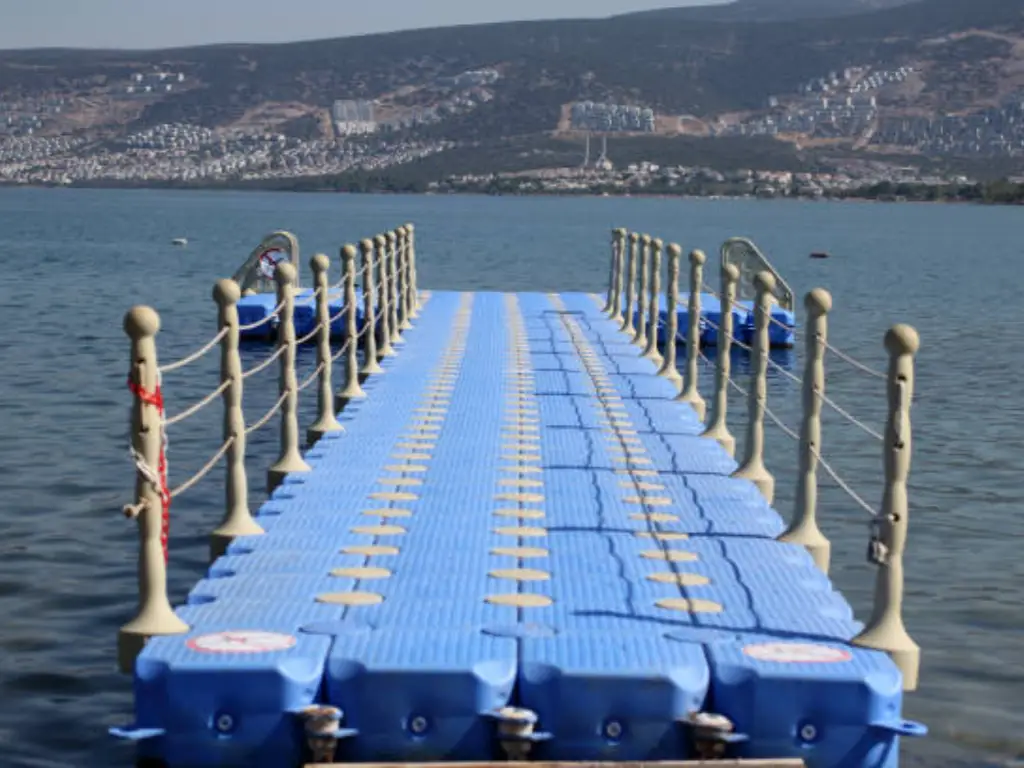
Reducción de la mano de obra: Por qué Hisea Docks es una opción inteligente de instalación DIY
Para maximizar su presupuesto para muelles, debe contar con una solución que sea a la vez de ingeniería de alta precisión y rentable a largo plazo. Desde 2006, Hisea Dock ha restablecido el valor de las inversiones en muelles proporcionando sistemas modulares creados específicamente para eliminar el llamado impuesto del especialista.
La próxima generación de módulos de polietileno de alta densidad tendrá un diseño propio de esquinas cóncavas y orificios pretaladrados para permitir un montaje sin problemas con pasadores y pernos. Esta ingeniería de precisión permite que cualquiera pueda instalarlo, eliminando de su presupuesto el elevado coste de los contratistas. Nuestro polietileno de alta densidad con protección UV prácticamente no necesita mantenimiento y tiene un diseño de tapa roscada para garantizar una flotabilidad hermética, a diferencia de los materiales tradicionales. Esto hace que la vida útil de la estructura sea 20-30% más larga que la de los competidores normales, con una garantía de 5 años.
Lo más importante a la hora de invertir en un muelle es la garantía de calidad. La excelencia de fabricación de Hisea Dock está confirmada por las normas internacionales, como las certificaciones ISO-9001, CE, SGS y TUV. Cuando elige a un socio con casi 20 años de experiencia en fabricación especializada, no sólo ahorra en los gastos iniciales de construcción, sino que obtiene un activo certificado y de alto rendimiento que le ayudará a maximizar el coste total de propiedad de su propiedad frente al mar.
Conclusión
Por último, el precio de la construcción de un muelle es una inversión variable que puede oscilar entre 4.000 y 25.000 dólares, en función de los materiales que se utilicen, la complejidad del trazado y las necesidades específicas del emplazamiento. Como hemos visto, el coste final no es simplemente la superficie, sino un ecosistema sensible de variables, como el trabajo profesional (que puede llevarse hasta el 60% del presupuesto), la preparación necesaria del emplazamiento, como el dragado, y los costes continuos de mantenimiento y seguro.
Aunque la inversión inicial puede ser elevada, es importante considerar esos costes en el contexto del valor a largo plazo. El coste total de propiedad puede reducirse al mínimo tomando decisiones informadas en la fase de planificación, incluida la elección de materiales duraderos y la optimización de su diseño. Por último, un buen muelle es un elemento de legado; no sólo añade mucho valor a su propiedad, sino que también ofrece un punto de acceso al agua práctico y fiable durante las próximas décadas.
FAQS
P: ¿Qué valor tiene un muelle para una casa?
A: Por lo general, un muelle añade entre un 10% y un 20% al valor de la propiedad, lo que supone una gran amortización de la inversión, ya que aumenta el atractivo de la acera, la comerciabilidad de los bienes inmuebles frente al mar y el uso recreativo inmediato para el posible comprador.
P: ¿Cuánto dura un muelle?
A: La vida útil vendrá determinada por el material y el entorno: los muelles de madera tratada durarán entre 10 y 15 años, mientras que los muelles flotantes modulares de aluminio o HDPE de alta calidad pueden durar entre 25 y 50 años porque son más resistentes a la putrefacción, los rayos UV y la corrosión.
P: ¿Cuál es un buen tamaño de muelle?
A: Un tamaño de muelle funcional es aquel que equilibra la normativa local con los requisitos de uso; una pasarela estándar tiene al menos 1,2 m de ancho para ser segura, y una plataforma de 10×20 es el mejor tamaño para ofrecer asientos, almacenamiento de aparejos y un amarre seguro de la embarcación.

 English
  Thai
Thai  Spanish
  French
  German
  Dutch
Dutch  Italian
  Arabic
  Indonesian
  Portuguese
  Turkish