
What is a modular plastic float?
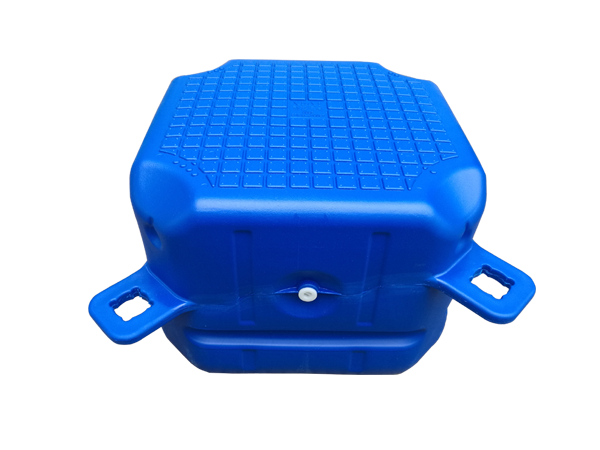
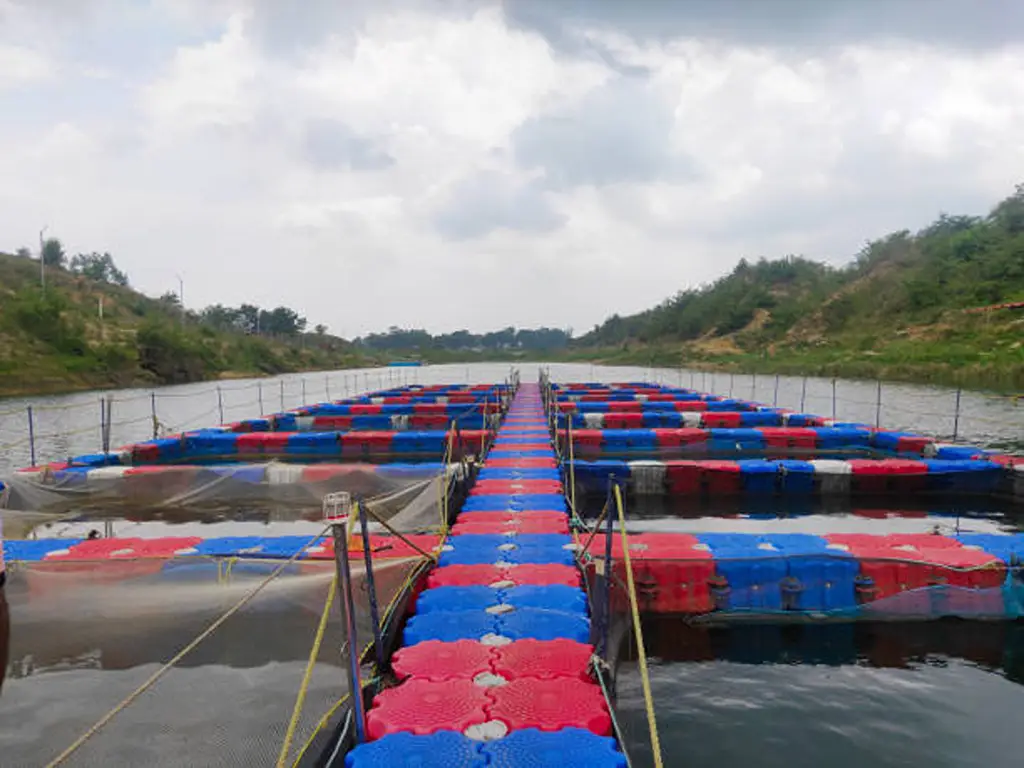
A float provides buoyancy; a platform is the assembled system. Hisea Dock presents HDPE floats in single, double, low-profile, U and V configurations. Check the specific model’s dimensions and intended use. Modules allow flexible layouts, but loads, connections, stability and anchoring must be assessed together.
Modular plastic floats are buoyant units connected to create floating walkways and platforms. A complete system combines float modules, compatible connectors, positioning or anchoring, shore access and any required railings. Selection depends on model specifications, operating loads and site conditions.
For resorts, fishing venues and boat operators, comparing the price of one float is only a starting point. Understanding how the components work together helps you request a useful layout and quotation.
From individual float modules to a complete platform
Hisea Dock’s product range includes single, double, low-profile, U-shaped and V-shaped configurations. These products serve different purposes: confirm the dimensions, material and intended use of the proposed model. Modules provide flexibility to arrange walkways, corners and activity spaces, but connections, loads, stability and anchoring must be assessed together.
What components make up a floating platform?
| Component | Purpose | What to check |
|---|---|---|
| Float modules | Buoyancy and layout | Dimensions, self-weight and stated load conditions |
| Connectors | Join adjacent units | Compatibility, installation and replacement |
| Anchoring or positioning | Control horizontal movement | Depth, water levels, bottom conditions, waves and currents |
| Shore access | Connect land and platform | Elevation, connections and gangway slope |
| Railings and accessories | Support intended use | Weight, location and attachment design |
Request an itemized configuration. Float-only prices may exclude connectors, anchoring equipment, freight and installation.
Where are modular plastic floats used?
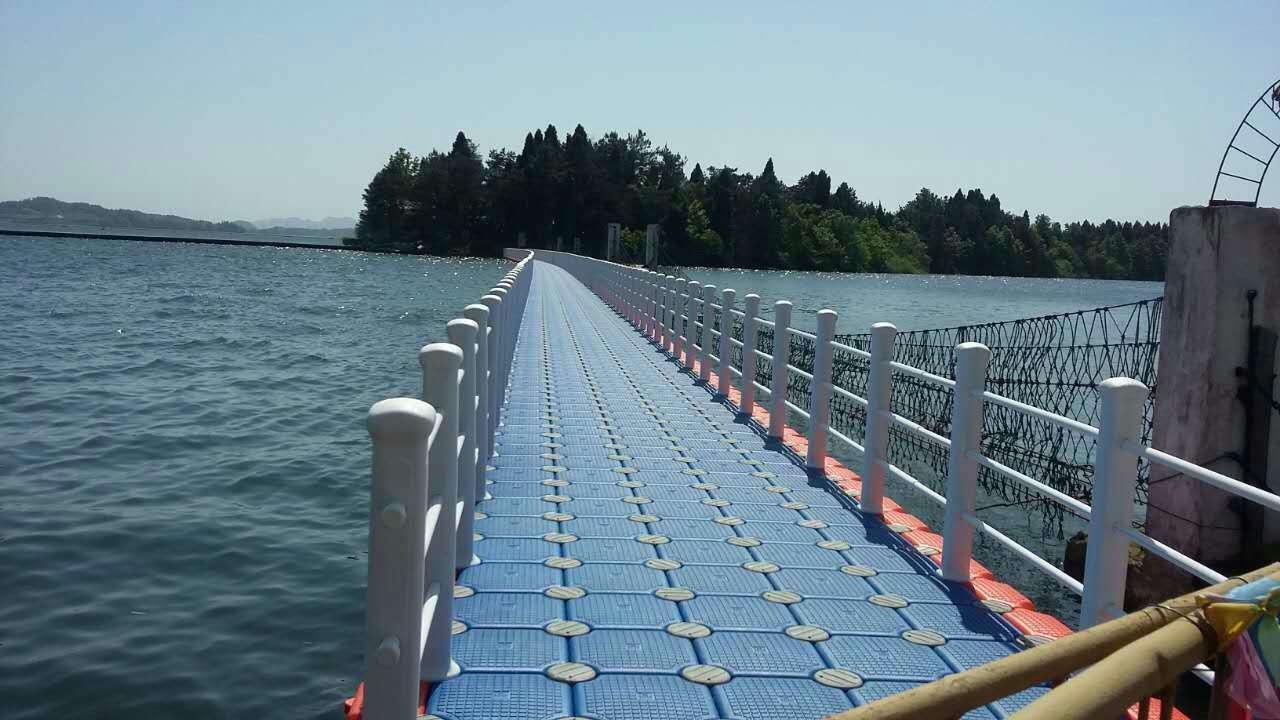
Floating bridges and access walkways
Modules can form routes between shore and waterfront facilities. Specify width, length, pedestrian use, shore access and water conditions. A floating walkway moves with the water; performance depends on the complete system.
Fishing platforms and activity areas
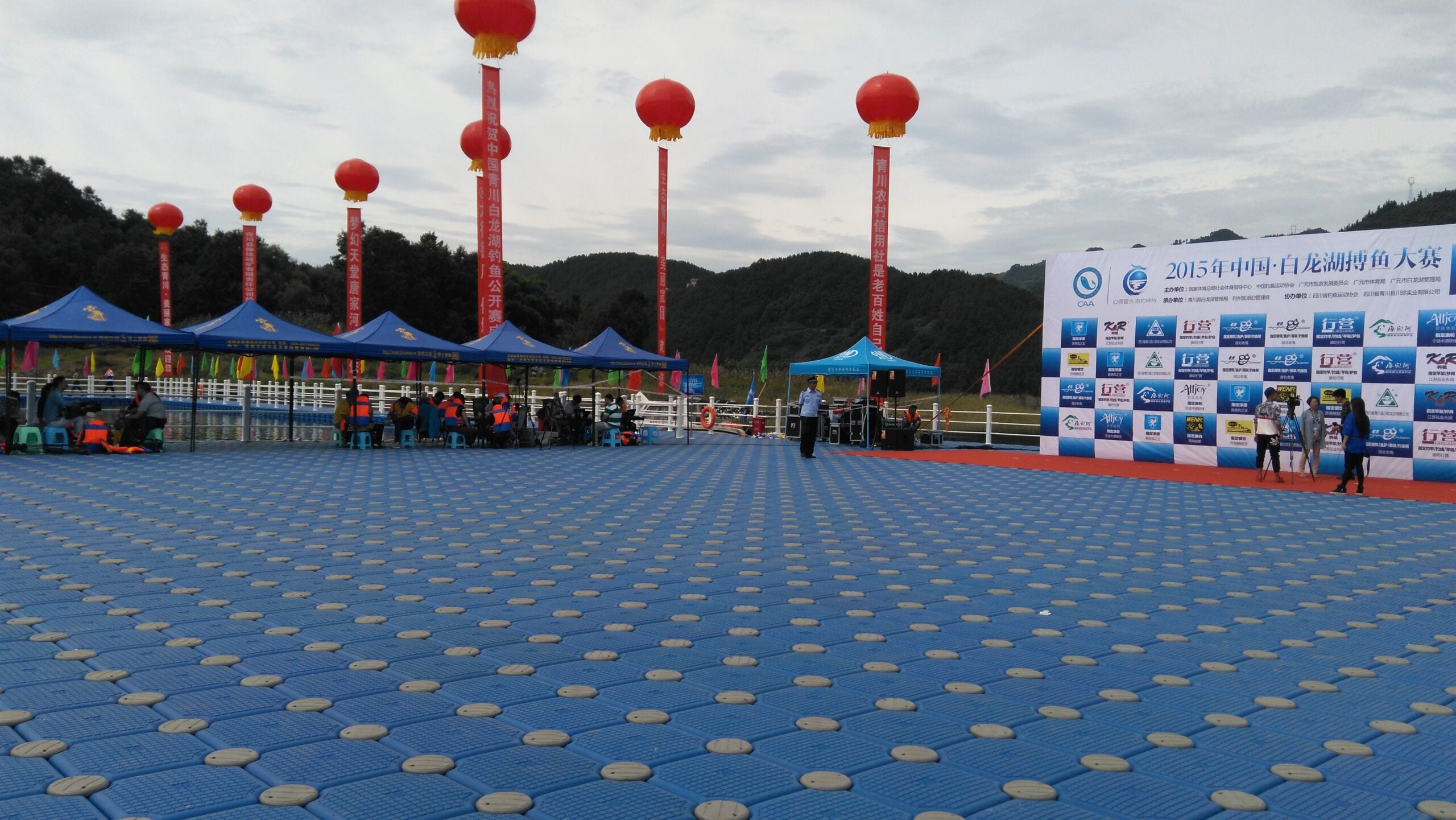
Plan space for fishing positions and circulation. Seats, shelters and equipment add weight and attachment requirements. Crowds can concentrate loads; platform area alone does not establish safe occupancy.
Passenger access and marina facilities
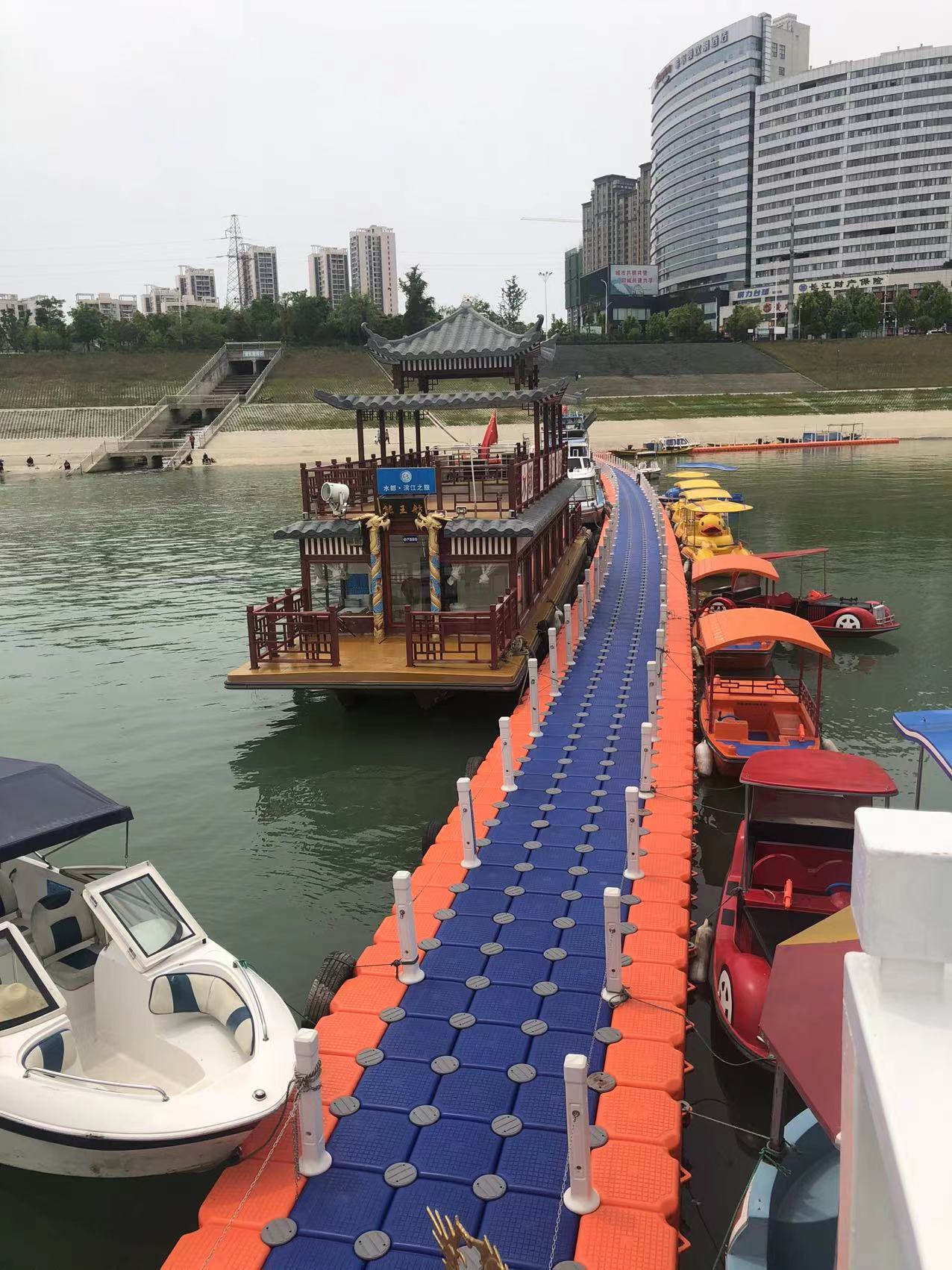
Consider vessel dimensions, berthing, boarding height and pedestrian circulation. Vessel contact and mooring forces must be addressed in protection, connection and anchoring design.
Watercraft parking
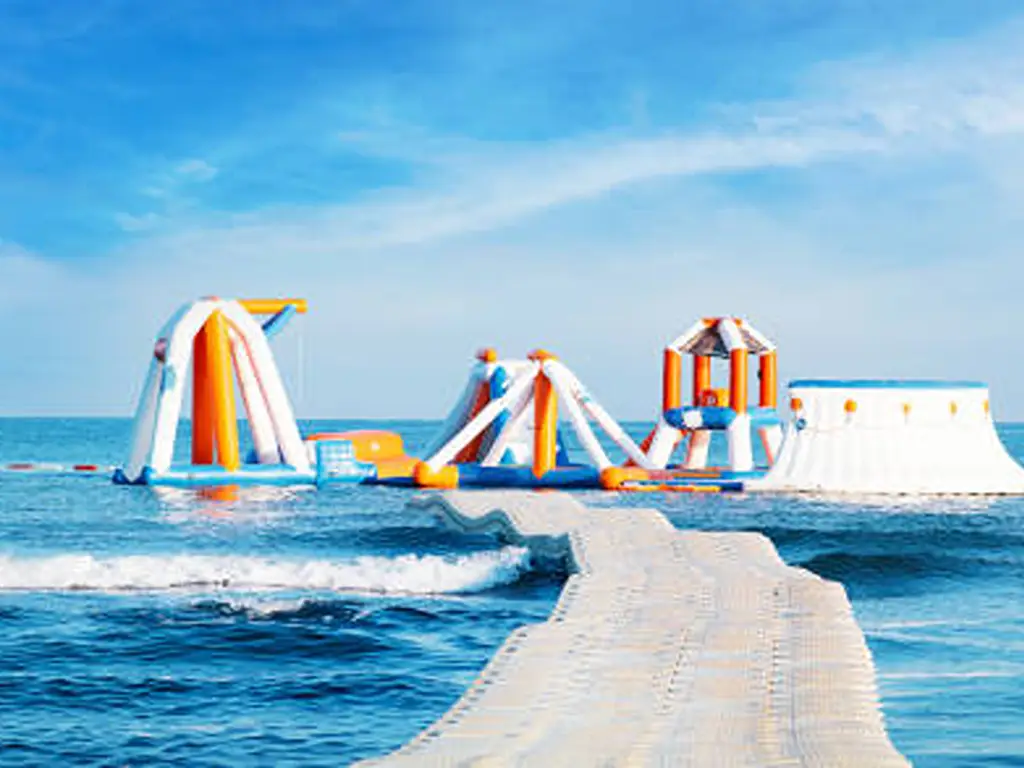
Jet ski and drive-on boat systems require specialist modules and accessories matched to the vessel. An ordinary flat platform is not automatically a suitable drive-on dock.
Three technical questions before buying
How much weight can plastic floats support?
Maximum buoyancy is not allowable payload. Buoyancy supports floats, connectors and accessories as well as people and equipment. Operating draft, freeboard and stability matter. Freeboard is the vertical distance from the water surface to the deck.
Ask whether a rating describes one module or the complete platform, the operating assumptions and supporting calculations or tests. Concentrated edge loads also require assessment. Use model-specific documentation rather than generic capacity figures.
Will a floating walkway move?
Yes. Waves, wakes, layout, load distribution, connections and anchoring influence movement. More modules alone do not prove adequate stability. Do not add ballast without assessing draft, freeboard and structural effects.
What happens when water levels change?
A platform can rise and fall, but permitted travel depends on positioning, shore access and surroundings. Account for the expected range without excessive restraint, insufficient travel or unsuitable gangway slopes.
How do you choose a plastic float manufacturer?
Review production information, model documentation and comparable projects together. Factory photographs show the site; equipment, quality records and delivery information provide further evidence.
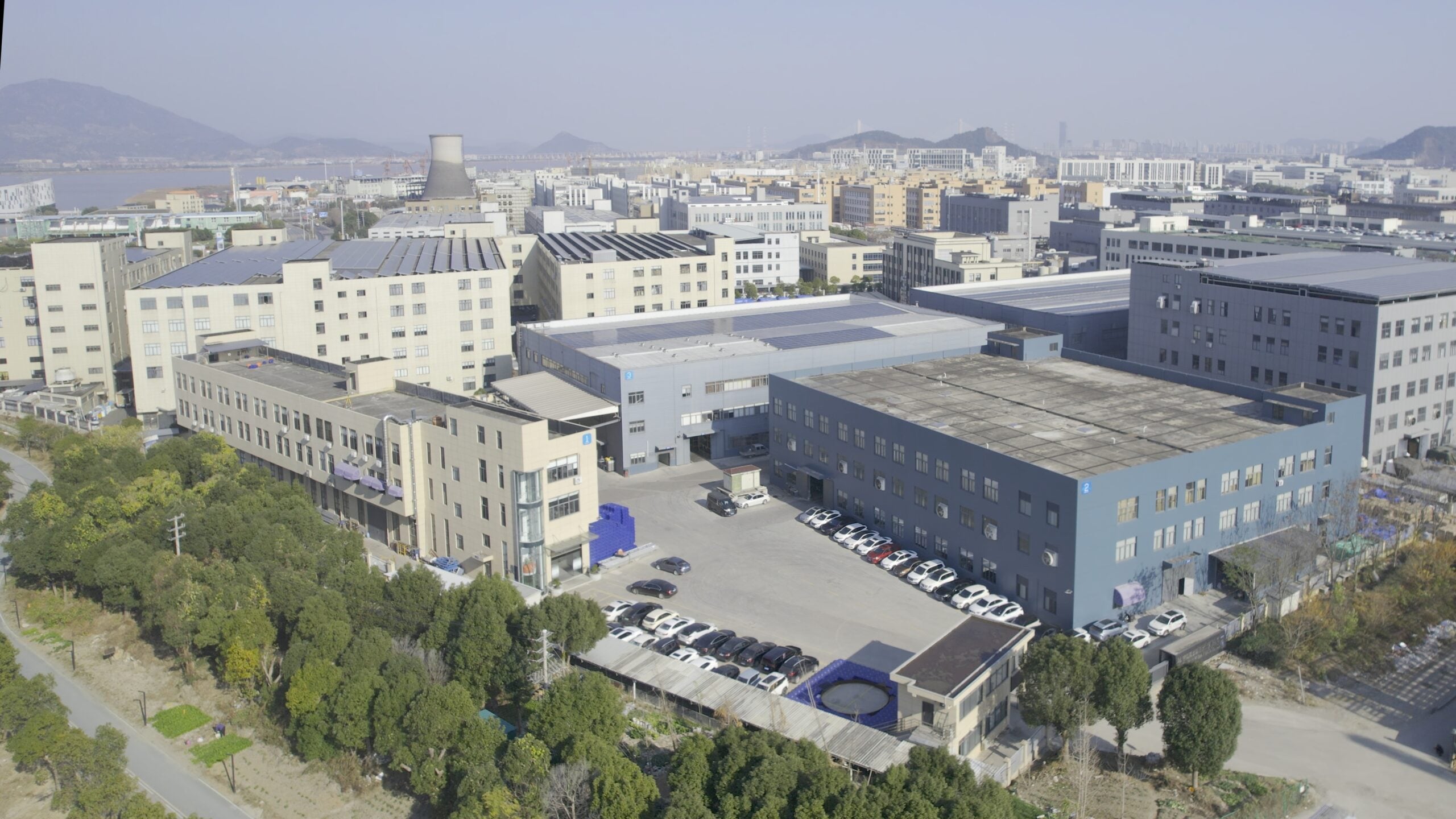
- Product documentation: request model specifications, connection details and load conditions.
- Relevant applications: ask for comparable projects and the supplier’s actual scope of supply.
- Complete configuration: review modules, accessories, shore access and anchoring together.
- Clear quotation: identify freight, installation and exclusions.
- Maintenance support: confirm warranty terms, spare parts and replacement procedures.
What should you send Hisea Dock for an enquiry?
Provide location and intended use; dimensions or a sketch; water depth and water-level range; waves and currents; people, equipment and accessory loads; relevant vessel dimensions and weight; and delivery requirements. Mark unknown information as unconfirmed.
Discuss your floating dock project with Hisea Dock.
Frequently asked questions
Can I buy individual float modules?
Ask about individual and bulk supply terms. For replacement or expansion, check compatibility with existing modules and connectors.
Can plastic floats be used in seawater?
Confirm the proposed model and complete-system suitability. Accessories, anchoring and local wave conditions matter alongside material.
Can I expand the platform later?
Modularity can simplify changes, but expansion requires reassessing loads, connections, stability and anchoring.
Is area enough for a quotation?
Area starts the discussion. A defined configuration and quotation also need intended use, layout, site conditions and accessories.

 English
 Thai
 Spanish
 French
 German
 Dutch
 Italian
 Arabic
 Indonesian
 Portuguese
 Turkish