
HISEA DOCK / TECHNICAL GUIDE 07
Start with the resin and stabilizer package. Then check molding quality, exposure and operating conditions. Inspect the float body and its connections separately.
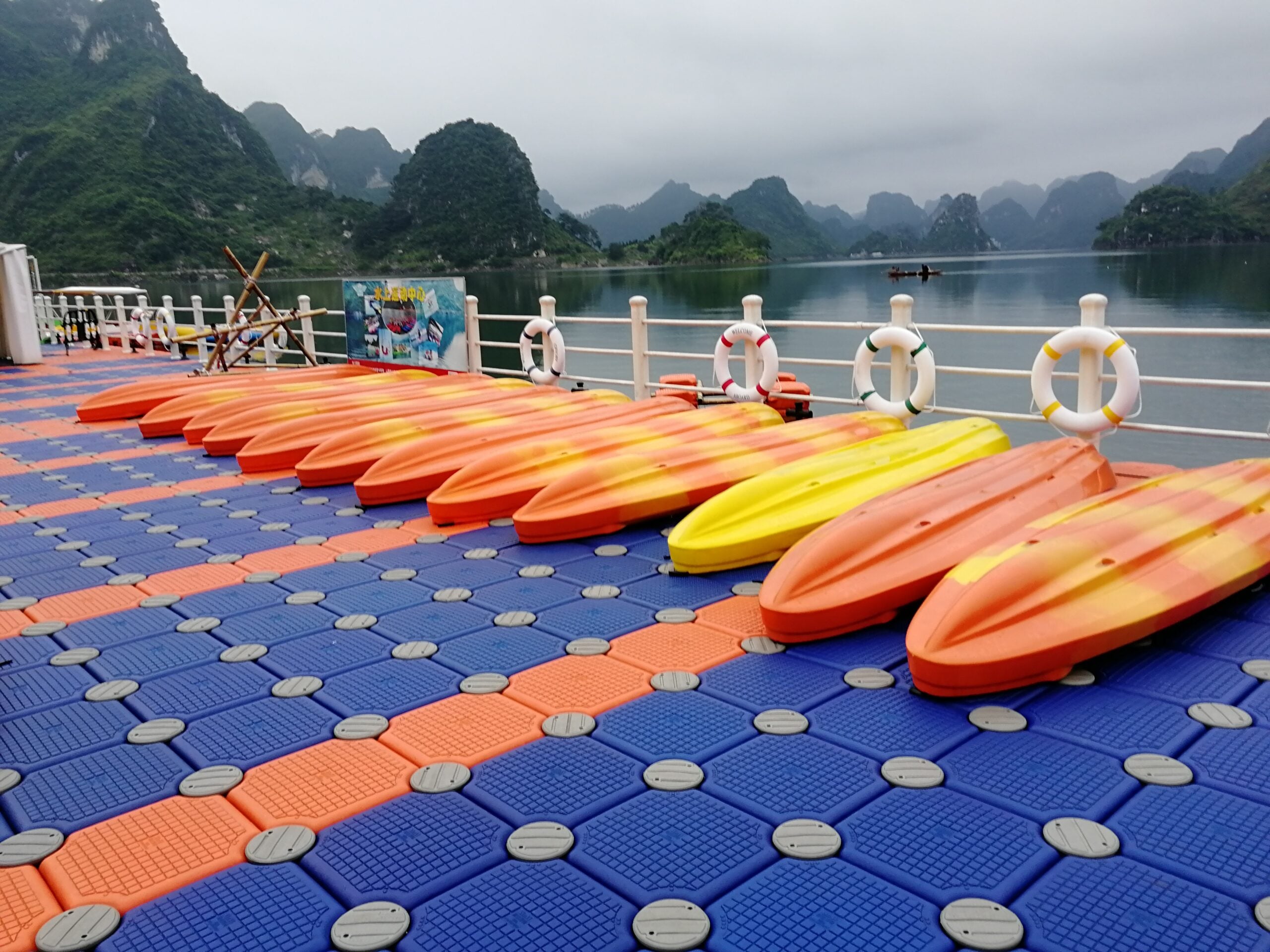
Identify the resin and its supply records
Hisea uses imported high molecular weight high-density polyethylene (HMW-HDPE) as its float resin. This material information is supplied by the company. Buyers can check the producer, grade, technical data sheet (TDS) and batch records against the order.
Origin and molecular-weight designation are useful starting points. Durability also depends on the grade, stabilizer formulation and processing. Review density, melt-flow information and relevant impact or environmental stress-cracking data. Establish whether results concern resin specimens or finished floats.
Specify any virgin or recycled-content requirements in the purchase documents. Colour, gloss, smell or a photograph of a resin bag cannot establish formulation quality, batch consistency or remaining durability.
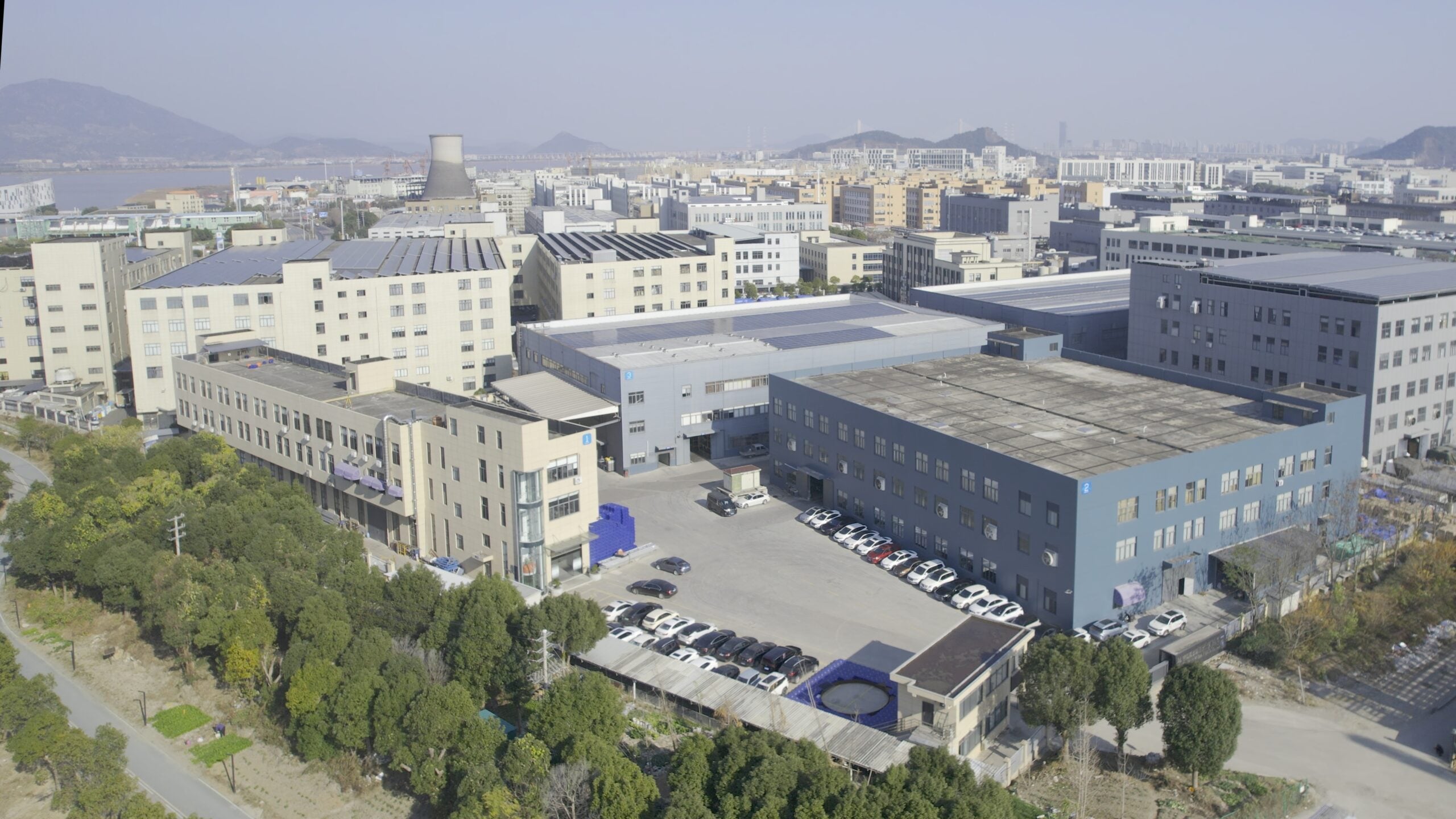
Understand how the stabilizer package works
Hisea’s published production process includes adding a UV-resistant agent.[2] Light stabilization and oxidation protection have different roles in outdoor polyethylene. Review them with the resin, colour masterbatch and processing conditions.
| Material element | Role and purchasing checks |
|---|---|
| Base resin | Provides the underlying properties. Confirm grade, batch, processing suitability and relevant mechanical and environmental data. |
| Light stabilization | UV absorbers (UVA) absorb harmful UV energy; hindered amine light stabilizers (HALS) inhibit radical reactions involved in photo-oxidation. Selection and combination depend on the formulation.[3] |
| Antioxidant protection | Helps control oxidative degradation during processing and service. Confirm the existing protection package and finished-product performance.[4] |
| Colour and compatibility | Check evidence for the chosen colour and formulation. A darker or lighter appearance alone does not establish service life. |
Ask what environment the formulation is intended for and how it was evaluated. Additive type, active content, dispersion and compatibility matter. Comparing dosage percentages alone is insufficient: a masterbatch addition rate is not the final active-ingredient concentration. These are general stabilization mechanisms, not a claim that Hisea uses a named supplier or every additive described here.
Look for evidence in the finished product
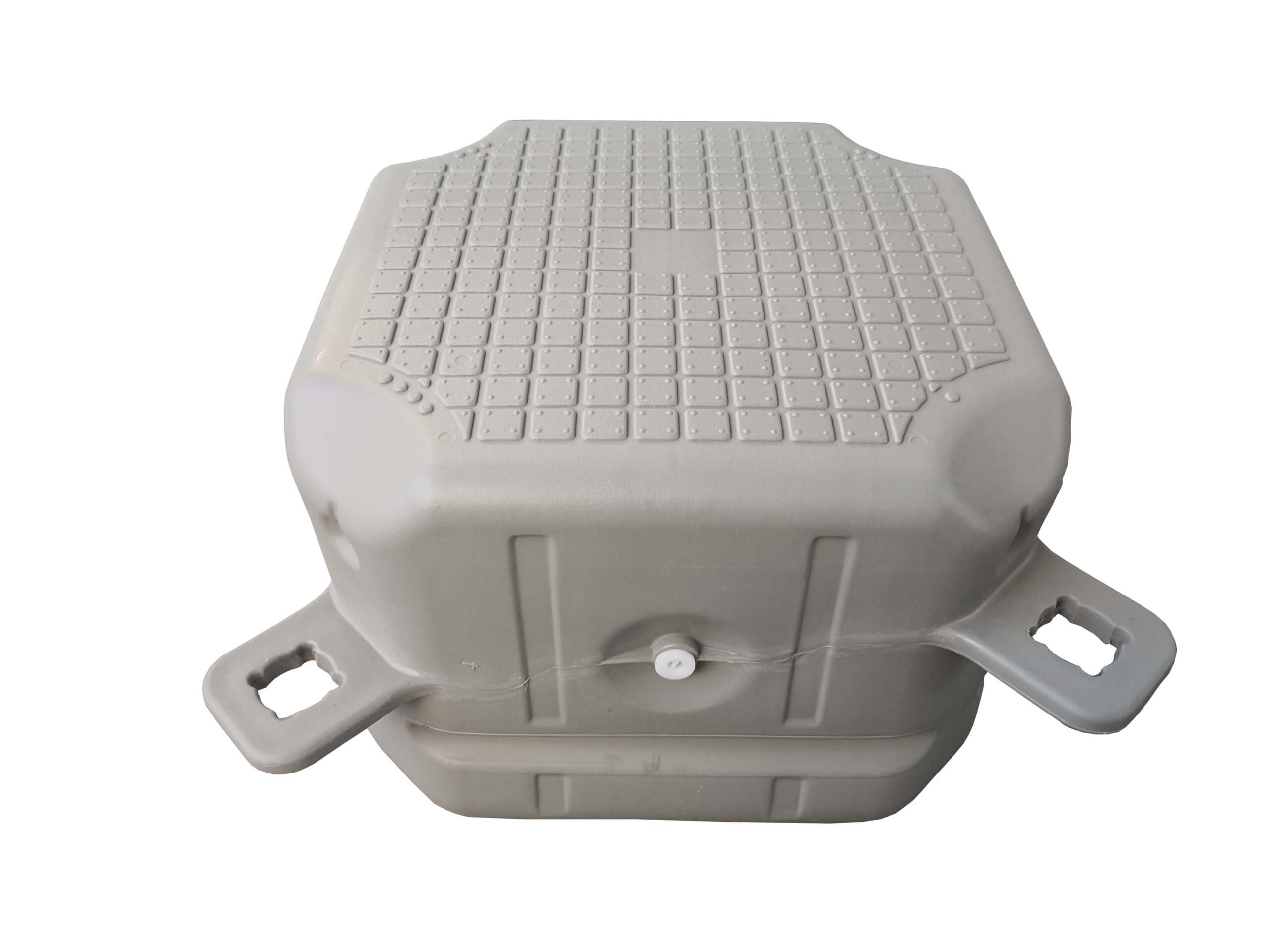
Local wall thickness, closures and connection lugs affect performance in use. Review molding, dimensions and sealing checks alongside the resin records. A suitable resin and additive package still need consistent processing.
A weathering report should identify the specimen, colour, exposure conditions and evaluation criteria. Look beyond appearance to relevant changes in impact, elongation or connection performance. Accelerated exposure hours cannot be converted into outdoor years using a universal factor. Service-life prediction needs evidence linked to the material, failure mode and environment.[5]
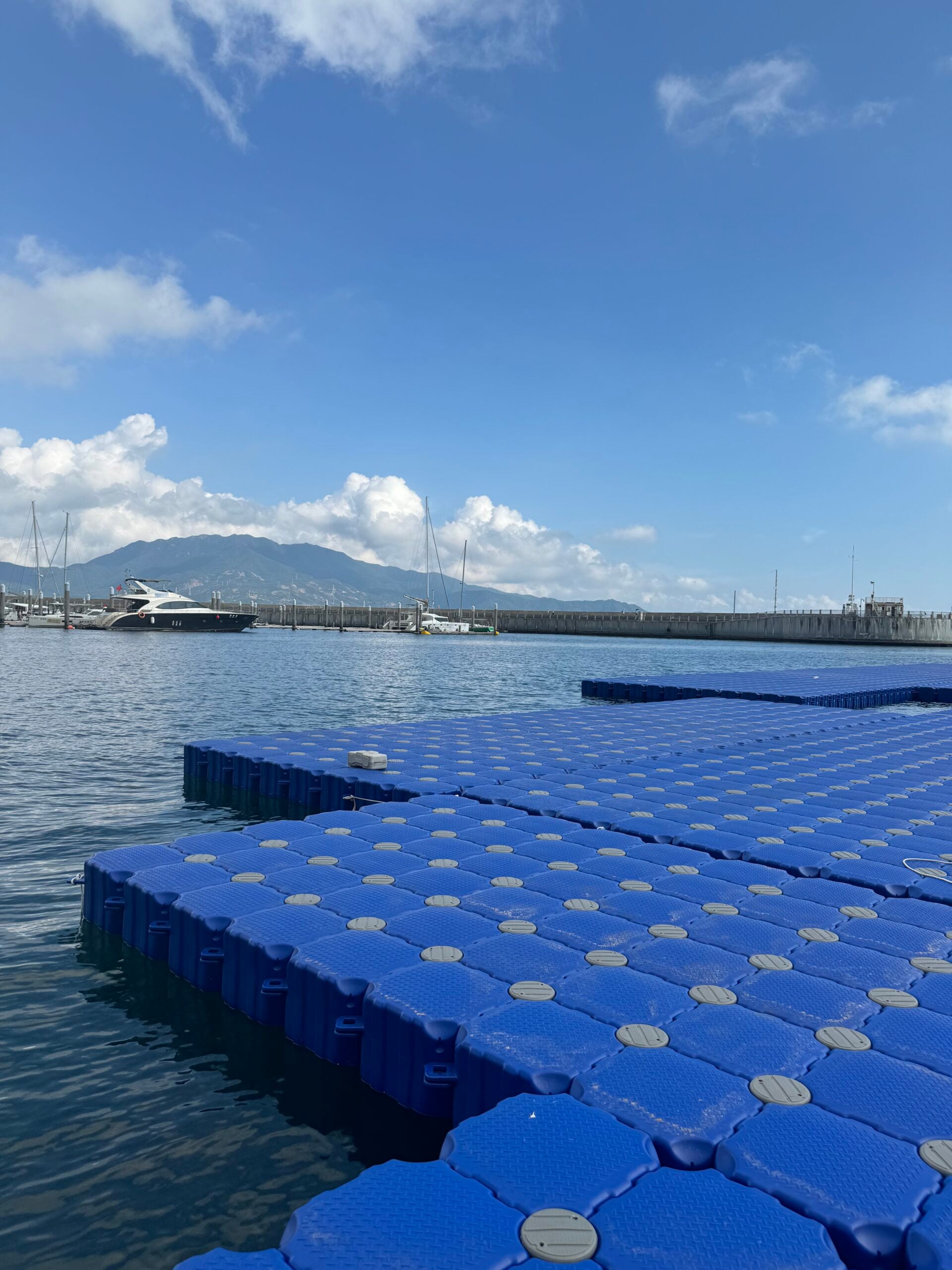
A sheltered lake, strong solar exposure, repeated boat wake and a location prone to grounding impose different conditions. Impacts, sustained uneven loads, incompatible restraint movement or unsuitable cleaners may cause local problems sooner. Distinguish the lifespan reference, contractual warranty and inspection requirements.
Inspect three areas during routine maintenance
Surface and body: remove mud, growth and oil, and check scratches, cracks, closures and unusual submergence. Use approved cleaning methods. Avoid sharp tools, unconfirmed solvents and close-range forceful washing that could damage surfaces or closures.
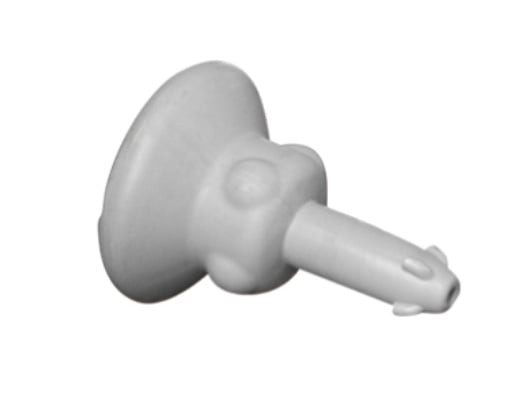
Lugs and pins: check lug roots, openings and fittings for cracks, distortion, wear or loosening. A pin head that remains visible does not establish the condition of the whole connection.
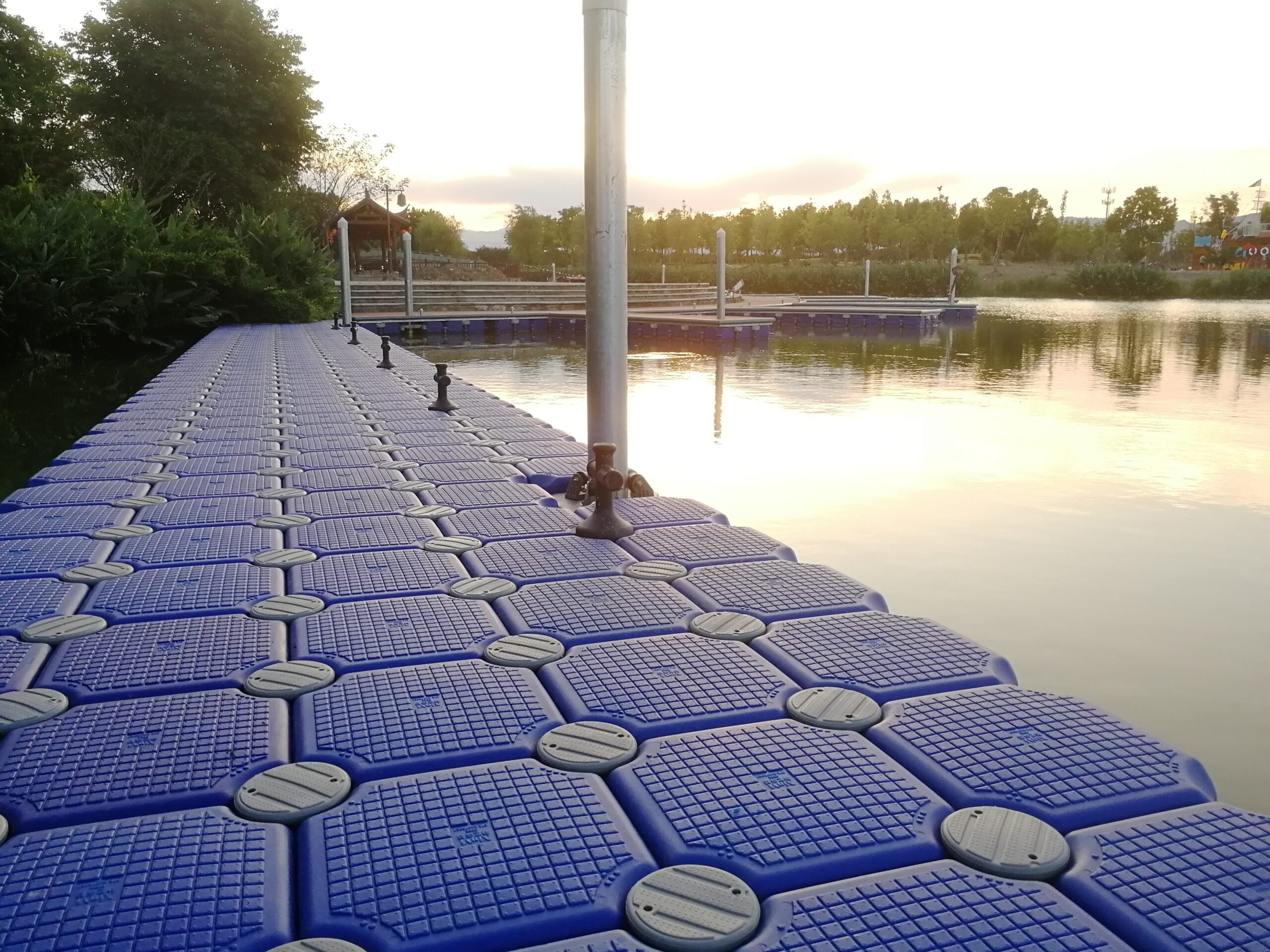
Restraints and shore access: check worn lines, guides, gangway supports and abnormal pulling. Set inspection intervals for the site, with additional checks after storms, impacts or significant water-level changes.[6]
| Observation | Response |
|---|---|
| Fading or surface whitening | Clean, record and check for chalking, cracks or performance changes. Colour alone neither condemns a unit nor confirms safety. |
| Loose or worn fittings | Restrict the affected area. Inspect adjacent lugs and restraint loading, then service or replace matching parts as instructed. |
| Holes, cracks, broken lugs or unusual submergence | Isolate the affected area, remove added loads and investigate before deciding the replacement scope. |
| Cracking or brittleness at several locations | Extend inspection to the same batch and similarly exposed areas; assess samples if needed. Replacing a few visibly damaged units may not resolve widespread ageing. |
Replacing a float starts with securing the surrounding sections
- Define the affected area and cause.Record location, photographs and model details. Investigate floats, fittings, loading and anchoring. Remove people and movable equipment from the affected area.
- Provide temporary restraint and safe access.Keep neighbouring sections controlled and protect their connections, accessories and shore interfaces. Do not release positioning connections or anchors without an agreed method.
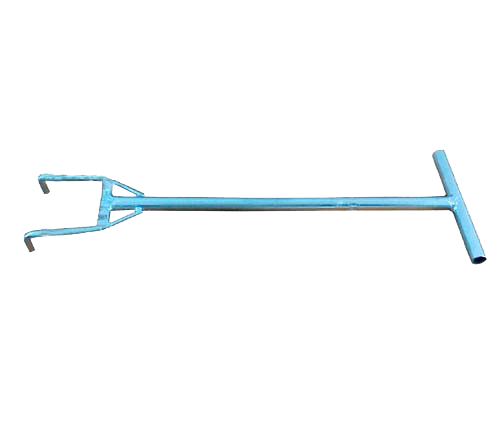
- Check replacement compatibility before dismantling.Confirm model, interface height, lugs and matching fittings. Follow the supplied dismantling and assembly instructions. Inspect adjacent joints as work proceeds. Sealant or an improvised heat repair is not evidence that rated performance has been restored.
- Inspect before reopening.Check locking, deck transitions, draft, restraints and accessories. Complete the required functional and acceptance checks. Record the replacement batch and cause, and recover old components ashore for appropriate handling.
Put durability requirements into the supply documents
Confirm resin traceability, exposure suitability and weathering evidence, finished-product checks, spare parts, warranty and maintenance requirements. For an existing platform, include commissioning information, exposure and water-level conditions, repair history and close-ups of affected areas.
Discuss materials, maintenance or replacement parts with Hisea
For a new project, send the use, location and expected exposure. For maintenance, include the original model and photographs of affected parts. Connect resin and stabilization choices to product evidence, and include spares and support in the purchasing discussion.
www.hiseadock.com
WhatsApp: +86 17369861101
References
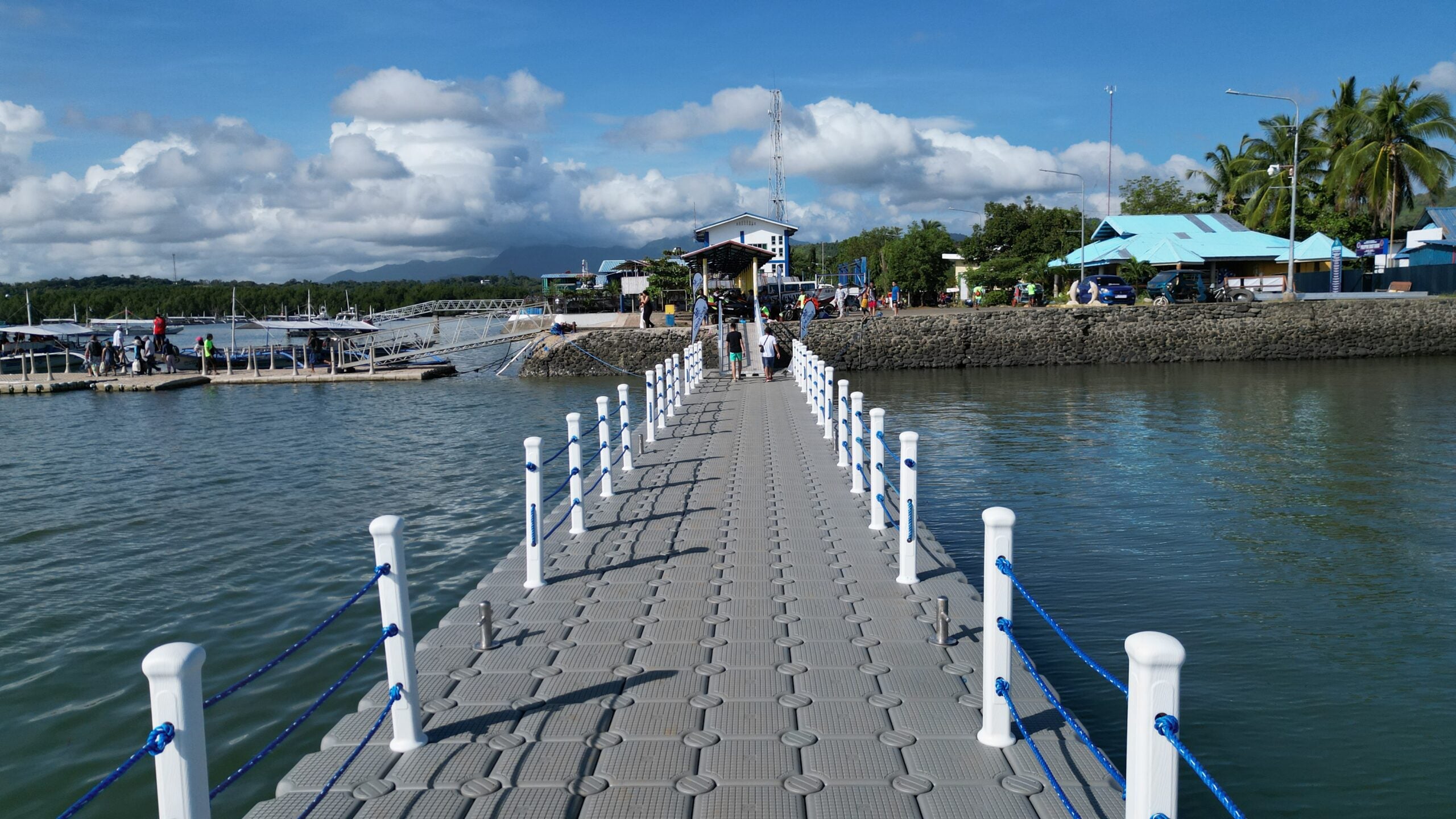
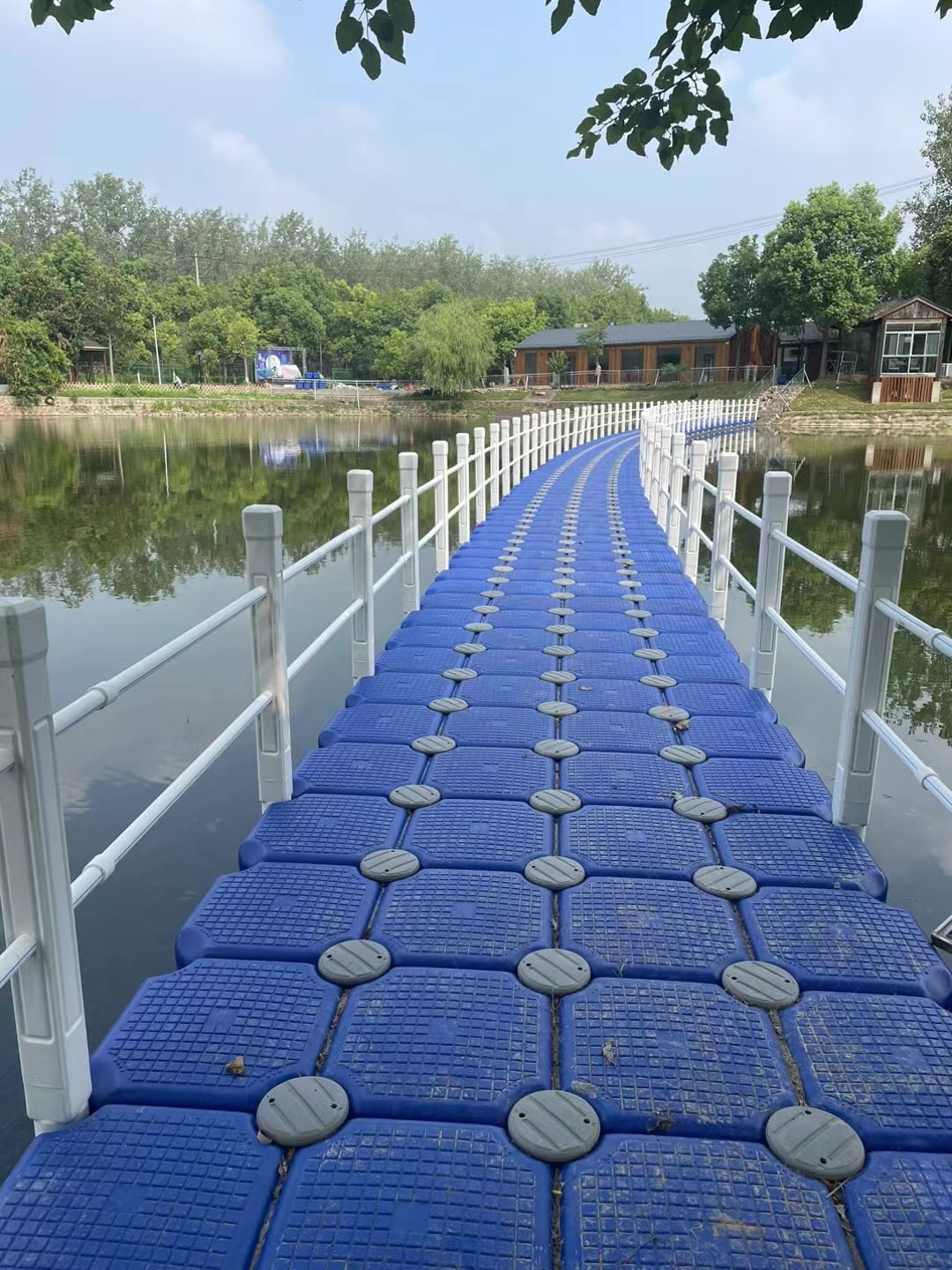
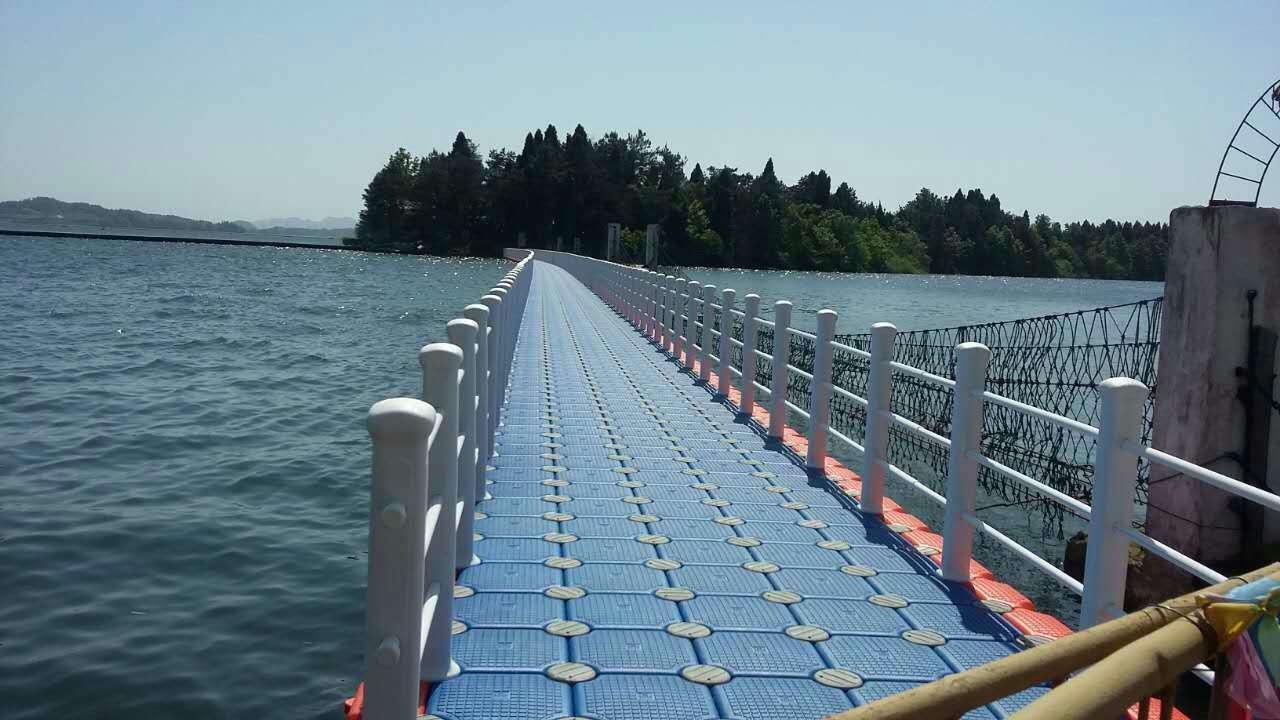
Material references explain general mechanisms, not Hisea supplier identities or a specific formulation. The FAQ lifespan reference retains its use and site qualifications. Replacement requires model instructions and a site method. Eight company images illustrate products and applications, not ageing tests, damage or a replacement sequence.
- Hisea Dock FAQ: lifespan and site conditions
- Hisea Dock: production process and UV-resistant additive
- BASF: light stabilizers, UV absorbers and HALS
- BASF: antioxidants and polymer oxidation
- Q-Lab: weathering, correlation and service-life prediction
- Hisea Dock: maintenance and component inspections
- Hisea Dock: connecting hardware and assembly tools

 English
 Thai
 Spanish
 French
 German
 Dutch
 Italian
 Arabic
 Indonesian
 Portuguese
 Turkish