
Introduction
The operation of a waterfront property needs a rigorous method of engineering and environmental management to ensure a premium waterfront experience. A boat dock is not just a fixed platform; it is a dynamic interface between land and water, designed to withstand the unstoppable flow of tides, the abrasiveness of rough currents, and the chemical demands of the aquatic ecosystem. Implementing regular dock maintenance is essential to protect this asset. To keep such a structure is like an endless dialogue between the human ingenuity and the relentless beat of the tide. The most resilient maritime infrastructure will eventually suffer structural damage of its environment in a slow-motion process without a systematic maintenance philosophy.
This manual is a strict outline on how to maximize the life of your dock, ensuring it remains a safe and useful entry point into the water for decades.
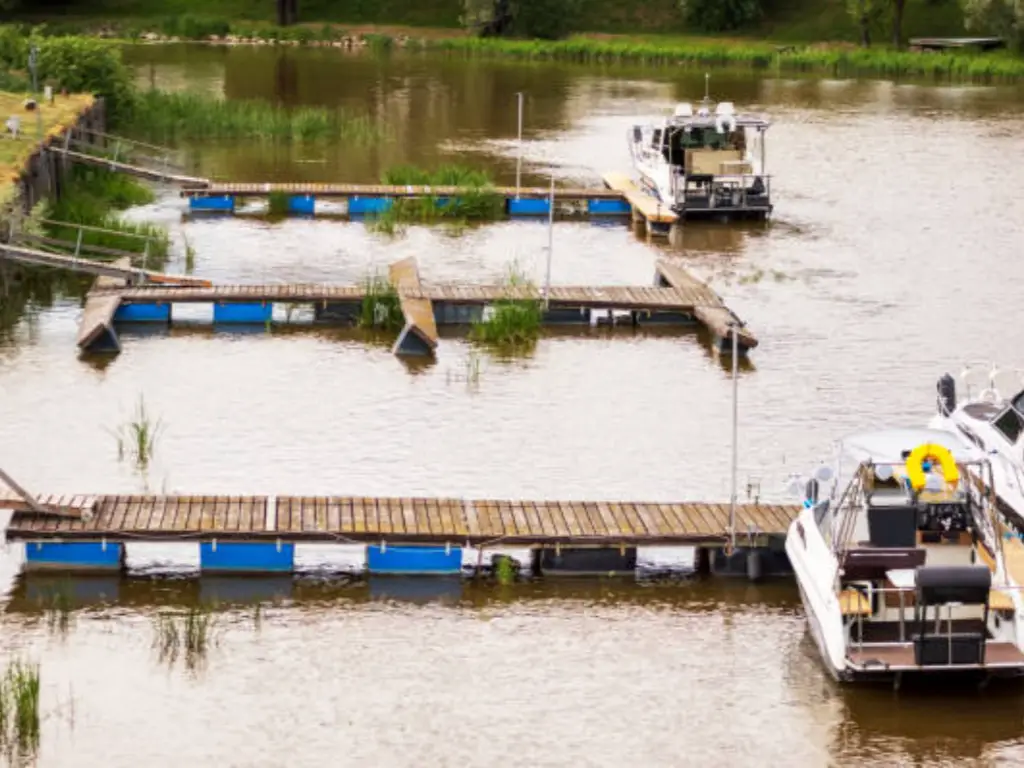
The Significance of Dock Maintenance
The pillar of maritime longevity is regular maintenance. Whereas the buildings on land have to fight against gravity and weather, a floating dock faces constant exposure to moisture, salinity, and motion. It should bend with the energy of the waves, it should not be corroded by the salt water and it should be able to withstand the biological pressure of the marine life. Maintenance can appear to the uninitiated as a reactive task, a set of repairs that are only done when something goes wrong. Keeping the structure in top shape requires more than just reactive fixes; it requires the methodical recognition of signs of wear prior to failure.
Proactive stewardship goes a long way in preventing costly repairs and ensuring the platform remains a safe place for users. Through an all-encompassing maintenance routine, the owners can identify potential issues, avoid significant damage, and mitigate safety hazards associated with heavy use. Be it a small residential dock or a large dock configurations, the technical your system’s maintenance needs are the initial step towards securing your investment and the safety of the vessels that will be moored near your dock.
Floating Dock Systems: What You Need to Know
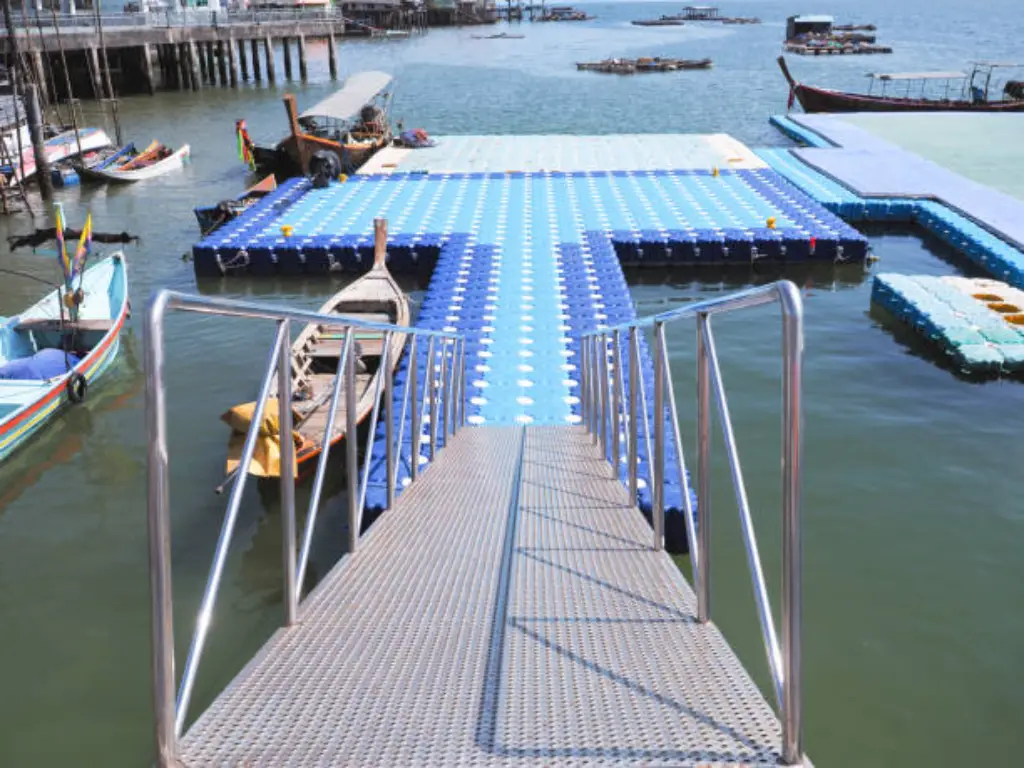
A floating dock system is an advanced system of dock materials designed to spread the buoyancy and structural loads over a fluid surface. To ensure the stability and longevity of a floating dock, one must comprehend how the three main structural pillars of the floating dock interact to distribute the buoyancy and manage the mechanical stress.
- The Surface Interface (The Deck): The deck is the main point of contact, which gives the required traction and structural rigidity to foot traffic and equipment. It should be made to allow quick drainage of water and withstand the eroding influence of direct sun exposure to be functional. In the absence of these properties, the material may be brittle or warped, which will undermine the safety of the walking surface.
- Subsurface Flotation Units: These units are located below the water and they give the displaced volume needed to maintain the system level and dry. They are designed in such a way that they are hermetically sealed to avoid water intrusion to keep the dock afloat. The majority of high-quality units have complicated internal geometries that are aimed at maximizing the displacement and structural integrity against the constant hydrostatic pressure of the surrounding water.
- Hardware Connections and Anchoring: These parts are the nervous system of the dock, Dock lines, connectors, and anchors handle the greatest mechanical loads. The connectors enable the individual modules to move freely and this enables the dock to absorb the wave energy by flexing instead of opposing it with brute force. In the meantime, the anchoring system, which may be piles, cables, or chains, limits the horizontal movement, but permits the structure to move vertically with the tides, in effect, letting the dock breathe with the sea.
Any failure in these areas, either in the decking, the flotation, or the anchoring, will upset the balance of the whole system. The best way to prevent long-term degradation is by inspecting these three pillars on a Regularly identifying signs of damage.
Dock Maintenance of Docks of Other Materials
Your dock has a chemical and physical composition that determines its specific maintenance routine. Maritime care has no universal solution.
Wood Docks
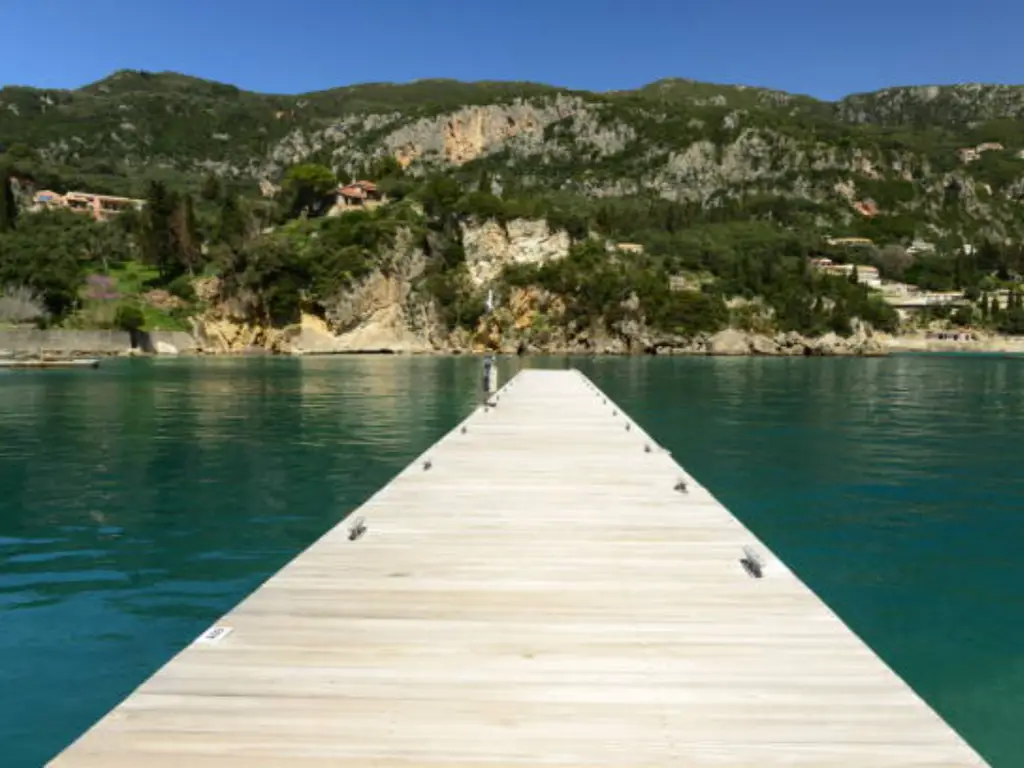
A wooden dock is a classic option, but it is arguably the most challenging material. Maintenance involves the prevention of natural biological degradation of the fibers. The owners should also check frequently to see whether there are any soft spots that are signs of rot or marine growth- marine borers that can eat a beam of timber hollow inside. To eliminate slippery algae growth, regular cleaning and thorough cleaning are necessary, although at a certain pressure to prevent furring the wood. After cleaning, it is necessary to apply a marine-grade, environmentally friendly sealant to ensure that the wood does not lose its moisture balance and to avoid the warping and cracking of wood in the process of constant wet-dry cycles.
Aluminum Docks
Aluminum is valued due to its high strength to weight ratio and inherent ability to resist rust. But in salt water, it is prone to galvanic corrosion. This happens when the aluminum is used as an anode and it sacrifices itself to other more noble metals in the vicinity. The periodic replacement of sacrificial zinc or magnesium anodes is necessary to maintain it. Moreover, weld points should be examined using a magnifying lens to check on stress crazing especially in high traffic zones where the metal can undergo work-hardening and subsequent fracture.
HDPE Modular Docks
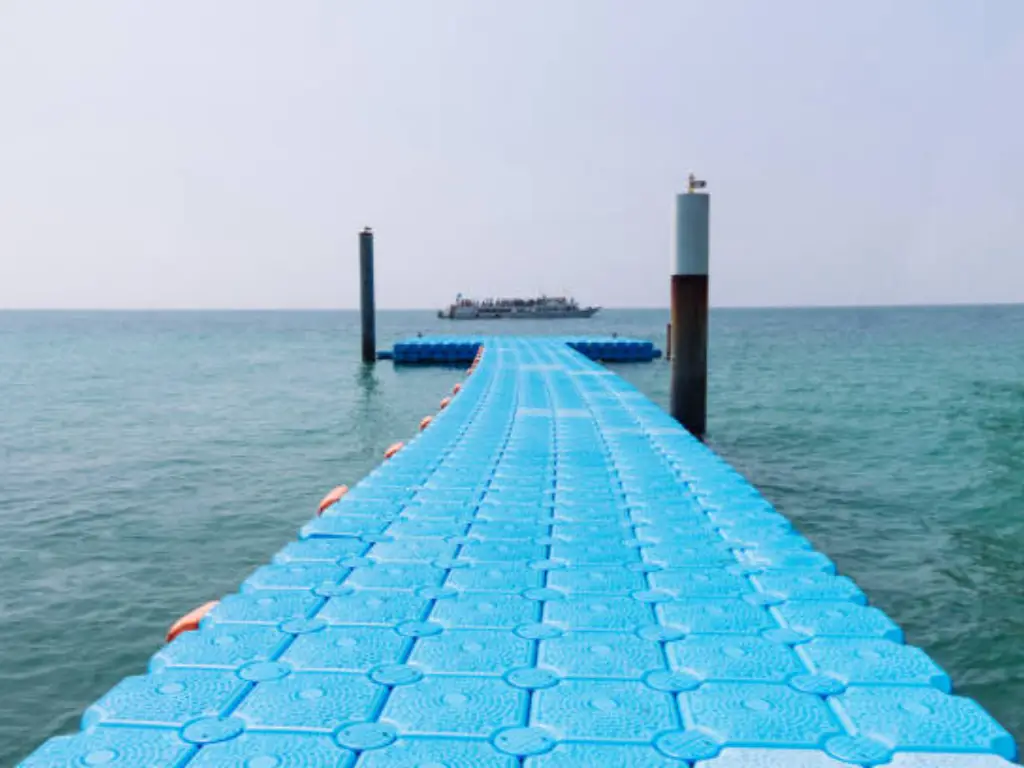
The best of the new low-maintenance design is the High-Density Polyethylene (HDPE) systems. The material is chemically inert and therefore does not rot, rust or corrode. The preservation aspect here is not structural, but functional hygiene and hardware integrity. It is necessary to make sure that the connecting pins are completely inserted and that the surface is not covered with oily residues or industrial pollutants that may destroy the anti-slip texture. Since HDPE is designed as an outpost on a liquid frontier, it needs no painting or sealing, but it is essential to keep the surface free of salt crystals, which can serve as a lens to increase the amount of UV heat on the polymer chains.
Basic Maintenance
Standard Maintenance Tools
In order to achieve the longevity, safety and structural integrity of a floating dock, it is necessary to use a specialized marine-grade toolkit that is divided by purpose as shown in the table below:
| Category | Tool Name | Function & Description |
| 1. Cleaning & Bio-removal | Adjustable Pressure Washer | Used to blast away algae, silt, and bio-fouling. Adjustable nozzles are critical to prevent damaging the substrate or protective coatings. |
| Heavy-duty Plastic Scraper | Used for the manual removal of stubborn barnacles or shellfish at the waterline. Plastic avoids scratching surfaces or leaving rust-prone metal debris. | |
| Soft-bristle Brush & Eco-cleaner | Ideal for gentle deck surface cleaning. When paired with biodegradable cleaners, it removes stains without harming the aquatic ecosystem. | |
| 2. Hardware & Anti-corrosion | 304/316 Stainless Steel Wrenches | Essential for tightening or replacing fittings. Marine-grade stainless steel prevents the transfer of carbon particles that cause “tea staining.” |
| Torque Wrench | Ensures that all connection bolts are tightened to specific standards, preventing structural fatigue from over-tightening or loosening from under-tightening. | |
| 3. Inspection & Monitoring | Telescopic Inspection Mirror | Allows maintenance crews to view the underside of the deck and the condition of the floats from the safety of the dock without entering the water. |
| Digital Tension Meter | Used to measure the stress on anchoring cables or chains, ensuring they are neither too loose (causing drift) nor too tight (risking snap). | |
| Waterproof Headlamp | Provides hands-free illumination when inspecting dark areas like gangway undersides or narrow gaps between floats. | |
| 4. Maintenance & Protection | Marine-Grade Grease (PTFE) | Provides long-lasting lubrication for gangway hinges and pile guides. It is water-resistant and eco-friendly to prevent water contamination. |
| UV Protectant Spray | Applied to plastic (HDPE) floats to prevent material embrittlement and cracking caused by prolonged exposure to intense sunlight. | |
| Sanding & Sealing Tools | Specifically for timber decks; used to remove splinters and apply marine-grade oil/sealer to prevent wood rot and warping. | |
| 5. Emergency & Safety | HDPE Repair Kit / Epoxy | Used for on-site patching of small cracks or punctures in floats to prevent water ingress and loss of buoyancy. |
| Oil Absorbent Pads/Booms | An environmental necessity for cleaning up accidental fuel or oil spills from docked vessels, meeting local environmental regulations. | |
| Inflatable Life Jacket (PFD) | Mandatory safety gear for maintenance personnel working near or over the water to ensure personal safety. |
Routine Cleaning Measures
Cleaning must be considered a preventive action and not an aesthetic one. The main objective is to eliminate salt, bird droppings and algae. It should be started with a complete freshwater rinse to dissolve the salt crystals. Apply a biodegradable, pH-neutral marine soap that will not cause harm to the local aquatic life. A soft-bristled brush should be used to scrub the surface of HDPE to prevent scratching or removing the sealant of wood.
In case of recalcitrant mineral stains or waterline stains, a weak solution of white vinegar and water can be more effective and less harmful than severe industrial acids. A final low-pressure rinse is done after scrubbing to make sure that no residue of the soap is left behind, which would otherwise be a slip hazard when wet.
Scheduled Inspections
In order to maintain the structural integrity of a floating dock, it should be inspected on a Monthly (detailed), Seasonal (deep dive) and Post-Storm (emergency) basis.
The Gangway and Shore-Side Connection
The boundary between the land and the water is a high-movement zone that should be paid attention to. Begin by ensuring that hinges and pins turn freely; they must be well-lubricated and fixed with cotter pins or locking nuts to ensure they do not become loose due to vibration.
Test the rollers and slide tracks to make sure that the gangway slides freely on the dock surface. Particularly watch out on the rollers, which have flat spots, and ensure that the tracks are free of sand or debris that may lead to binding. Lastly, check the stability of the abutment of the shore-side mounting, whether there is any evidence of cracking of the concrete or erosion of the soil that could lead to the entire gangway moving.
The Anchoring System
This system offers the main stability to the dock and is exposed to friction at all times. Check the integrity of the chain and cable, specifically, the link-thinning. When any chain has lost over 10 percent of its original diameter, it is to be replaced immediately.
All shackles and cotter pins should be tight and preferably moused (stainless steel wire) to ensure that they do not unscrew. Check the tension balance with a tension meter, and make sure that the cables are not over-stressed when the tide is low or hanging slack when the tide is high. Following major weather conditions, it is always important to check the anchor points to confirm that the weights have not walked or moved on the seabed.
Hardware and Structural Connectors
Consider this the frame of your dock. Physically hand-test all cleats, handrails and fenders; rattling or play of any kind is a sign of a loosened fastener.
Inspect the frame integrity of the under-deck using an inspection mirror, and look at the welds of aluminum or steel to identify hairline cracks. The material health of all metal parts should also be observed- watch out of tea staining on stainless steel or white oxidation on aluminum. Replacement of any hardware that is exhibiting deep pitting before the structural core is affected.
Flotation Units
The equilibrium of the system is based on buoyancy. Start with a freeboard reading, which is the height of the water level to the deck surface. When one corner is lower than the rest it is a definite sign of a slow leak or water ingress in that particular float.
Check the shell condition (punctures or cracks), and examine the evidence of UV-induced brittle plastic. Bio-fouling density is also critical to observe; dense masses of barnacles or algae introduce a lot of weight and drag, and this imposes an unwarranted burden on the whole anchoring system.
Decking and Surface Quality
The main user interface is the surface, which should be safe to walk on. In the case of wood surfaces, look at rot, splinters or cupping, and composite or plastic decks should be examined at warping and fading.
Make sure that all fasteners are not sticking out of the deck and cause tripping. Another aspect that needs to be checked is that the drainage holes between boards should be free of debris. Blocked openings retain moisture, which increases the rate of mold growth and deterioration of the material in the lower joists.
Safety Equipment and Utilities
A professional waterfront cannot compromise on functional services and safety gear. Inspect all electrical pedestals and water lines to ensure that there is no corrosion or leakage that might have occurred as a result of the constant movement of the dock.
Lastly, ensure that all safety equipment such as life rings, throw lines, and emergency ladders are in place, very visible and in proper working condition. These products must be readily available and without environmental degradation.
Inspection Frequency Table
| Frequency | Focus Area | Key Action |
| Weekly | Visual Walkthrough | Check for debris, tripping hazards, and dock leveling (freeboard). |
| Monthly | Hardware & Gangways | Hand-test cleats, lubricate hinges, and check roller tracks. |
| Quarterly | Anchoring & Floats | Check chain wear, cable tension, and underwater bio-fouling. |
| Annually | Deep Structural Audit | Full inspection of under-deck welds, utility insulation, and anchor positioning. |
| Post-Storm | Emergency Check | Immediate inspection of anchoring tension and structural impact points. |
Seasonal Maintenance Tasks
- Spring: The boating season starts and is concerned with re-calibration. Tension adjustment of anchoring systems is frequently required after a winter of inactivity because of water level changes or sediment movement. This is when it is time to clean up and audit hardware. It is also the best time to apply anti-fouling coating to submerged surfaces to deter the spring bloom of marine organisms.
- Summer: UV radiation is the most dangerous during the summer. Materials tend to expand when the temperature is high and therefore it is important to ensure that expansion joints are operating and not binding. Bio-growth, e.g. barnacles and seaweed, will grow in warm water; a monthly scrape-down of the flotation units will maintain the dock light and buoyant. Bio-growth is a creeping siege on the displacement of your dock, and it puts hundreds of pounds of unwarranted weight on it, unless checked.
- Autumn: As the storm season approaches, anchoring is the priority. Make sure that all your line snubbers or shock absorbers are not brittle. Clear the deck of all loose furniture or equipment that may be turned into a projectile during high winds. Ensure that the fendering system is sound to ensure that the dock and the boats are not subjected to heavy surging.
- Winter: In freezing climates, the main objective is to control ice pressure. When the dock is remaining in the water, it is necessary to find out whether the ice is in the water is safe (static) or dangerous (moving). The dock can be required to be decommissioned and relocated to a safe cove in regions where ice is in motion. In case of the only concern being the static ice, make sure that the dock is winterized by loosening the anchor lines to enable the ice sheet to expand. In systems that are not intended to be mounted on ice, de-icers or bubblers must be fitted to ensure that there is a pool of liquid water surrounding the piles and floats.
Methods of Maintenance to Prolong the Dock Life
Whereas regular check-ups reveal the existing problems, advanced maintenance aims at preventing the environmental threats at the molecular and structural level. With these professional-level strategies in place, you are no longer doing reactive repair, but proactive preservation.
- Electrochemical Protection and Galvanic Isolation: To prevent corrosion before it occurs, you have to control the electrical contact between submerged metals. Rather than merely inspecting to find out whether there is rust, install sacrificial anodes (zinc in saltwater, magnesium in freshwater). These anodes redirect the corrosive currents off the structural frame of your dock. In addition, apply dielectric isolation, by making sure that all the points of contact between dissimilar metals (e.g. stainless steel bolts and aluminum frames) are isolated with non-conductive PTFE bushings or nylon washers. This interrupts the battery effect which causes rapid pitting and structural fatigue.
- Kinetic Energy Dissipation through Catenary Anchoring: Secure your dock connection points against structural fatigue by optimizing the physics of your anchoring. You can form a catenary curve by adding clump weights to your anchor lines. This curve serves as a natural shock absorber, which is heavy-duty and the weights are able to rise and fall with the energy of the waves. This loss of force stops sudden surges to impose on your piles a sort of lateral shear or to tear at the connection lugs, in effect cushioning the effect of swells which the old rigid lines cannot absorb.
- Molecular Surface Sealing and Pore Protection: Go beyond simple cleaning and apply a hydrophobic ceramic coating or high quality UV-inhibiting wax to all exposed HDPE and composite surfaces. These treatments close the microscopic pores of the material unlike soap. This inhibits chalking and forms a protective layer against the organic acids present in bird guano which otherwise can cut into the surface and permanently soften the structure. This molecular coating makes the material flexible and UV-resistant much longer than it would be otherwise in the factory.
- Precision Wear Analytics and Tolerance Monitoring: Replace your visual monitoring with quantifiable data. Measure the thickness of high-friction hardware, including connection pins and shackle bows, at set intervals using digital calipers. By measuring these accurate dimensions, you will be able to calculate the exact wear rate of your dock depending on the local water conditions. This enables you to know when hardware is nearing its tolerance limit before it breaks down and makes maintenance a science and not a game.
- Asset Forecasting and Predictive Life-Cycle Logging: Predictive Logging is the most valuable in dock management. Record the date of installation of each component and monitor their degradation patterns with time. This historical data will enable you to predict the remaining useful life (RUL) of your infrastructure. Rather than having to deal with emergency repairs, you can apply these trends to plan significant overhauls during the off-season and properly budget long-term replacements years ahead.
Indications Your Floating Dock Requires Repair and General Troubleshooting
To have a dock, it is necessary to pay attention to the structural details regularly in order not to turn minor problems into the expensive replacement. The following is a list of the typical wear indicators and the troubleshooting actions you can take to deal with them:
- Dock Tilting or Localized Sinking: When you see that one side of the dock is lower in the water or you feel that you are not stable when stepping on the surface, then you are probably dealing with water intrusion or heavy bio-fouling. This is normally due to the water getting into a flotation unit, usually by hairline cracks formed by the expansion of ice or by debris hitting it, or by the overgrowth of marine life such as oysters and barnacles. To correct this, an inspection mirror should be used to identify the breach and a siphon pump should be used to remove any internal water. In the case of HDPE (plastic) floats, plastic welding kit with corresponding filler rods is the surest permanent solution; in the case of fiberglass units, marine grade epoxy and glass matting should be used. When it is merely bio-fouling, a vigorous scraping with a long-handled scraper will restore the natural buoyancy of the dock.
- Warped Deck Panels or Bloated Pontoons: Once puddles start to form on a flat deck or you notice that the shape of your pontoons is distorted, it is an indication that there is internal pressure problems. This distortion normally happens in airtight floats that are exposed to extreme temperature variations. In the absence of proper ventilation, the air in the float will expand in the heat or shrink in the cold, permanently deforming the material. In the case of minor plastic deformation, a heat gun can be used carefully to re-heat the shape after balancing the pressure. To avoid a repeat, fit automatic vent plugs to enable the unit to breathe. In case the structural frame itself has been twisted, attach a galvanized steel C-channel to the underside to push the section back into place.
- Shaky Handrails or “Spongy” Guardrails: When you pick up a rail and it feels like it is wobbling or you can see that it is wobbling, then you know that your hardware is no longer safe. Unstable rails are typically caused by cyclic loading, in which the mounting points are repeatedly pulled until the holes in the decking are enlarged. It is not very effective to tighten the screws that are already in place after the material is stripped. Rather, place an HDPE or stainless steel backing plate on the bottom of the dock to sandwich the decking and spread the force across a greater surface area. Installation of 316-grade stainless steel through-bolts: 3M 5200 Marine Sealant should be applied around the holes of the bolts to prevent the seepage of water into the flotation units through the deck.
- Orange Streaks, Black Spots, or Pitting on Metal: Orange streaks or black spots on the surface of your hardware or jagged pits in the metal surface are all obvious indicators of electrochemical corrosion. This is a sign of galvanic corrosion, which is enhanced in the saltwater when various metals (such as aluminum frames and steel bolts) come into contact. Begin by scrubbing off the oxidation using a stiff wire brush and spraying it with cold-galvanizing. In case the hardware is highly damaged, it should be substituted with 316-grade stainless steel. To offer long term protection, affix a sacrificial zinc anode onto the metal frame; the corrosive forces will act on the zinc block rather than your vital structural fasteners.
- Loose Decking Boards or Clicking Noises: When you hear clicking noises underfoot or when you see boards beginning to curl at the edges, the fasteners have probably lost their hold. Boards swell and shrink as they get wet and dry, and this swelling and shrinking slowly pumps out fasteners out of the joists. Do not even think of using the original screw holes. Rather, cut new pilot holes and install high-torque deck screws with reverse-threading around the head to draw the board tight. When a screw turns without catching, the joist beneath it might have become softened by moisture; in such a situation, a sister joist (a parallel support beam) should be installed to give the screws new material to cut into. Always leave a 3-5mm space between boards to provide future expansion.
- Squeaking, Grinding, or Metal Clunking at Connections: When you hear sharp squeaks or heavy metal clunking each time a wave goes through, it is a sign that your connection points are rubbing against each other. These sounds are definite indications that the nylon or rubber bushings in your hinges have frayed, or that the crystals of salt are drying and are serving as a lap. To cleanse the joints, first flush them with fresh water to get rid of salt and grit. Never use grease that is petroleum-based, which will trap sand and form a destructive grinding paste; rather, apply a dry PTFE (Teflon) spray. When the connection holes are found to be ovalized (egg-shaped), the bushings have broken and should be replaced with self-lubricating composite bushings to ensure that the metal pins do not snap under stress.
Do-It-Yourself vs. Professional Maintenance: When to Hire the Professionals?
Floating docks are typically easy to maintain by the owners provided that the work is done above the waterline and is reachable by the deck. This range involves routine pressure washing, coating with UV-protective finishes, and hardware inspections like tightening loose bolts or lubricating gangway hinges. These simple mechanical operations and surface treatments can be performed by the owners themselves, which means that they can maintain the functionality and beauty of the dock at a low cost without having to use specialized tools.
Any work that involves submerged infrastructure, electrical systems, or significant structural instability would require professional intervention. Commercial diving equipment is needed to inspect underwater anchor blocks or repair deep-water piles, and the maintenance of shore power pedestals and lighting should be left to qualified marine electricians to avoid Electric Shock Drowning (ESD) and stray current corrosion. Moreover, when the dock is structurally listed or grossly tilted, a maritime contractor possessing heavy-duty winches and cranes is needed to address what is probably a structural anchoring failure.
Legal & Permitting: Do You Require a Permit to Repair a Dock?
Most jurisdictions do not require the permitting process of minor maintenance and like-for-like repair, as long as the work does not change the original size, shape, or location of the dock. This usually involves the maintenance work like pressure washing, tightening of hardware and replacement of single deck boards or cleats. Unless the maintenance is carried out below the waterline and does not entail any disturbance of the bed of the waterway, it is generally considered exempt upkeep and does not need any formal legal notice.
Conversely, major repairs, structural alterations, or any activity that affects the waterway floor are nearly always subject to a permit. Driving new piles, resetting heavy anchor blocks, or dredging are all activities that must be approved by local environmental agencies and in most instances, federal agencies such as the Army Corps of Engineers. Moreover, when your project includes a substantial improvement, which is generally considered to be the replacement of over 50 percent of the dock, or an increase in the footprint of the dock, you will need a new construction or coastal zone management permit. Regulations on the Ordinary High Water Mark (OHWM) must be checked before starting work since any extension beyond this boundary will cause a more stringent environmental control and certain legal submissions.
First Investment vs. Long-term Maintenance Costs (TCO) Analysis
The cost of a dock is not just the tip of the iceberg when it comes to the purchase price. A far more realistic financial picture is the Total Cost of Ownership (TCO) in ten years.
| Cost Factor (10-Year Period) | Pressure-Treated Wood | Marine-Grade Aluminum | HDPE Modular System |
| Initial CapEx (USD) | $5,000 – $8,000 | $12,000 – $18,000 | $9,000 – $13,000 |
| Annual Maintenance Labor (Hours) | 250 Hours | 60 Hours | 15 Hours |
| Material Costs (Sealants/Anodes) | $4,500 | $2,000 | $300 |
| Replacement Parts (Boards/Bolts) | $3,000 | $1,500 | $400 |
| Total 10-Year Expenditure | $12,500 – $15,500+ | $15,500 – $21,500 | $9,700 – $13,700 |
The TCO is a ledger of concealed expenses that usually shocks new owners. Although wood is the lowest entry price, the maintenance labor and material costs (stains, replacement boards and rot prevention) grow exponentially, making it the most costly and time consuming in the long term (10 years). Aluminum is an excellent option but it needs regular financial contribution towards galvanic protection. HDPE modular systems become the most economical choice; the higher initial cost is quickly compensated by the fact that there is almost no material costs and labor per year. To a commercial operator, the saved Labor Hours are directly converted to higher profitability and less downtime.
Although HDPE offers the most overall value, the reinforced connections and high-level UV stability of Hisea Dock make these long-term savings a reality to your waterfront.
Hisea Dock: Low-maintenance Solutions Made to Your Order
Although learning DIY repairs can prolong the life of a traditional dock, the best method of minimizing the amount of labor in the long term is to begin with a system designed to be durable. Hisea Dock has used more than 10 years of manufacturing experience to address the most frequent waterfront pain points at the source since 2006.
Our modular systems are made of a new generation of High-Density Polyethylene (HDPE) that is impregnated with superior UV inhibitors. This particular material selection eliminates the aging, fading, and brittle nature that causes the cracks and leaks described in the maintenance manuals. To ensure structural integrity, we have strengthened our designs with 19mm-thick connecting ears, which gives our designs the high tensile strength and IZOD impact strength to withstand heavy wave energy and even typhoon conditions.
What comes out is a floating dock that lasts 20-30% longer than competitors and is virtually maintenance free. Supported by ISO-9001, CE, SGS, and TUV, Hisea Dock does not only offer hardware, but we also offer full anchoring schemes, installation instructions, and 5-year warranty. Be it a home or a business port, our four high-tech production lines will have your project backed by quality that you can rely on and experience that knows the demands of the water.
Conclusion
The days in the water do not count the days of the floating dock, but the days of the floating dock count the days. Knowing the mechanical relationship between your decking, flotation, and anchoring, and by choosing materials such as HDPE that are engineered to the extremes of nature, you can make sure that your maritime asset is a source of pride. Maintenance is not a liability; it is the necessary cost of entry to the waterfront lifestyle.
FAQS
Q: What is the way to keep a floating dock?
A: To keep a floating dock in good condition, hardware and connector inspections, pressure washing to eliminate algae and debris, flotation tank puncture or leakage inspections, and anchoring systems must be checked to be secure and properly tensioned.
Q: How long will a floating dock last?
A: The average life of floating docks is 20-30 years, but this is greatly affected by the material (plastic/composite or wood), the water salinity, and the regularity of preventive maintenance.
Q: Is it possible to leave a floating dock in all winter?
A: Yes, lots of modern modular docks can remain in the water, although they are to be removed when they are prone to moving ice or ice jacking. In less cold regions, de-icers or bubblers can be used to avoid the ice pressure that may cause damage to the structure.
Q: What to do to remove barnacles on a floating dock?
A: To eliminate barnacles, spray the dock with a pressure washer when it is wet, then scrape off the stubborn areas with a heavy-duty scraper or putty knife, and paint or apply anti-fouling paints or coatings to the submerged areas to deter future growth.

 English
  Thai
Thai  Spanish
  French
  German
  Dutch
Dutch  Italian