
Introduction
The possession of a Personal Watercraft (PWC), otherwise referred to as a jet ski, is a portal to water freedom along any waterfront. But the change between the stagnant safety of the dock to the active conditions of the open sea or lake is a critical one. To most fans, it is not the ride, but the physics of getting the machine off these specialized jet ski docks. When it is done wrong, what would have been a smooth process may turn out to be a tedious task that may cause the hull to be damaged or the operator to strain his back.
This guide will discuss the specifics of the launching of a jet ski on a floating dock system. We will go beyond mere push and pull tips to examine the mechanical benefits of various dock designs, the role of material science in hull protection, and the specialized methods employed by professionals to make sure that the launch is safe and painless every time. The stage is the water and your jet ski is the main character; it is the most important that its entrance is smooth to have a successful performance.
What is Jet Ski?
A jet ski is also referred to as a personal watercraft (PWC) and is a small watercraft powered by a jet engine and designed to accommodate one or two riders. Jet skis are different from other water vessels because they are more mobile and fast and are used for leisure activities on water bodies. Starting from the early 1970s, jet skis have undergone a series of changes and improvements with the incorporation of modern technologies to enhance their performance and safety. Jet skis are typically measured in feet (ft) and can range from 7-15 ft in length.
These vehicles are widely used in various conditions, including bodies of different types, such as lakes, rivers, and seas. Due to their small size and maneuverability, they are well-suited for navigating shallow waters and performing stunts.
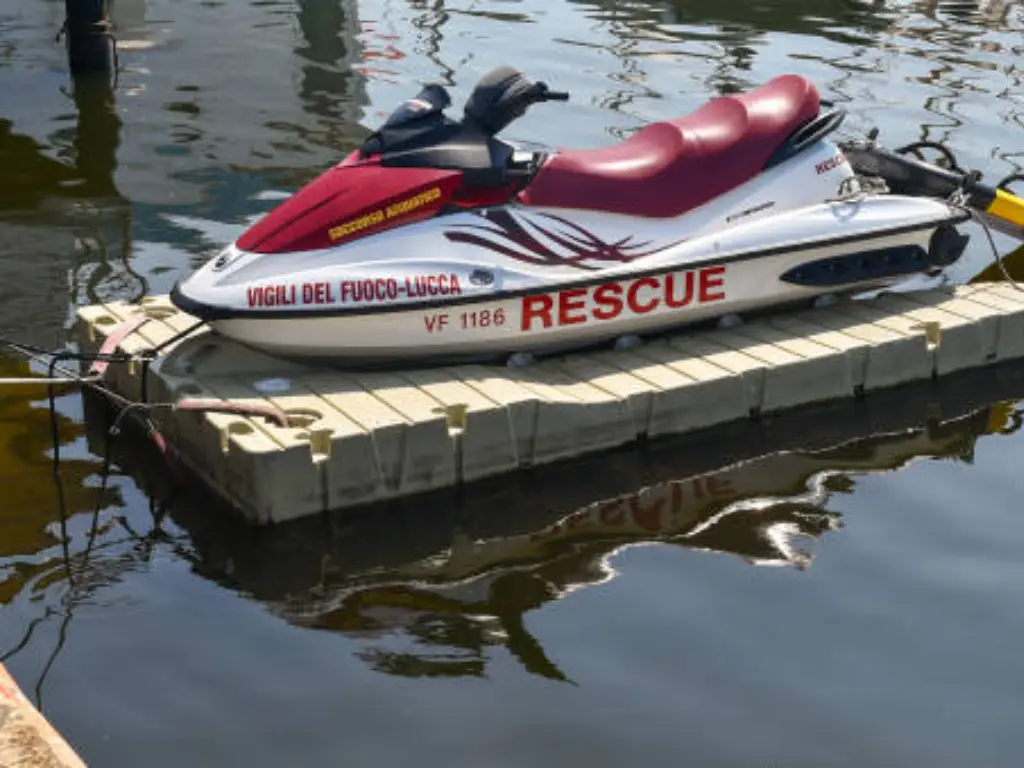
Learning the Mechanics of Floating Dock Systems
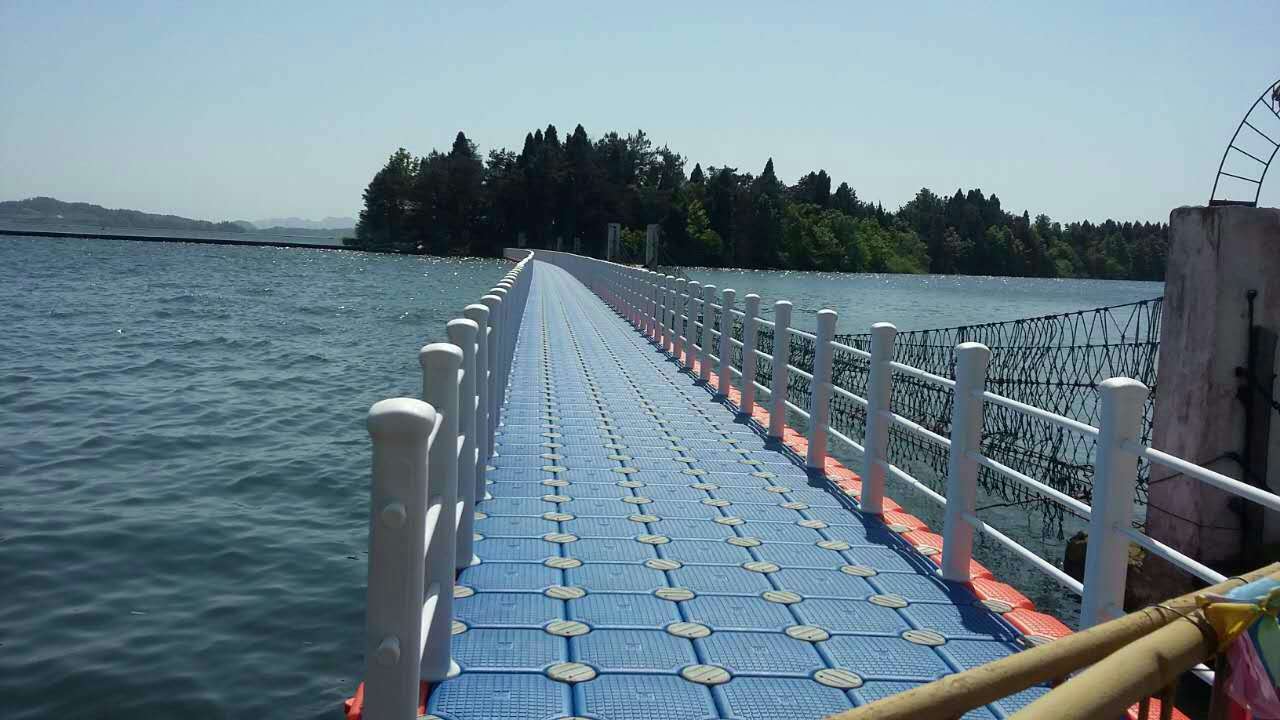
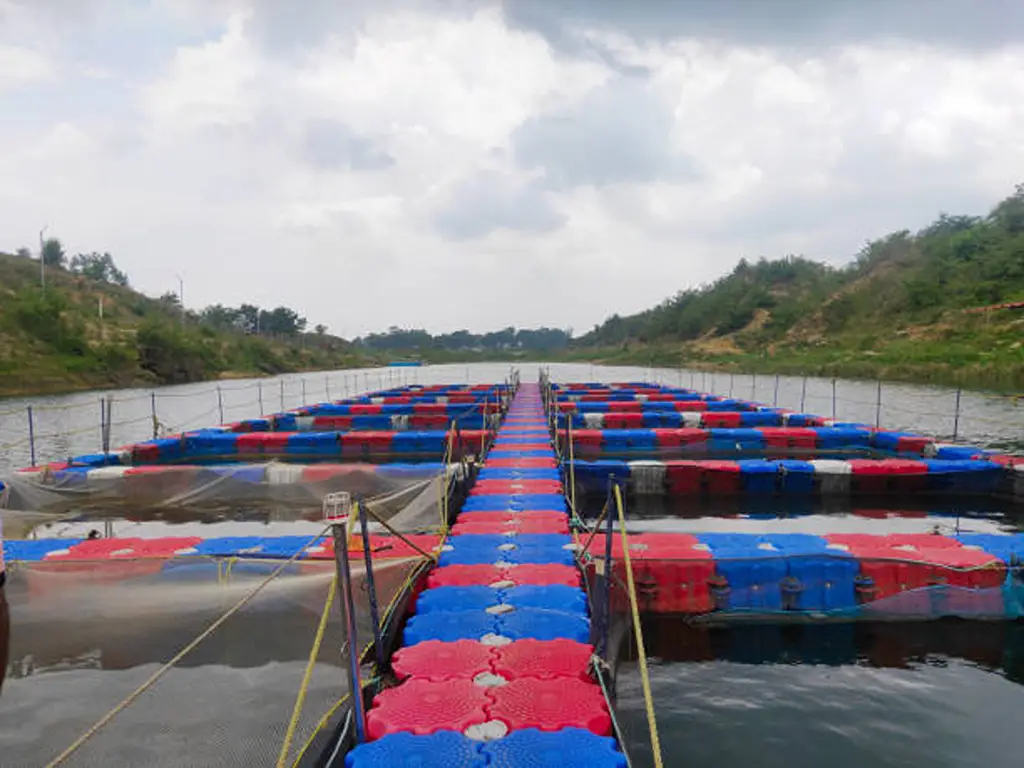
Floating docks are portable structures that are used to moor watercrafts such as jet skis. They are adjustable to the water levels and are more stable than the fixed docks that are permanently built. These docks are normally constructed from floating materials such as plastics or aluminum and are usually in the form of modules to ease their maintenance.
The primary benefit of floating docks is that they can adapt to the changes in water levels, which is essential for ensuring the visibility and accessibility of the dock. This versatility makes them suitable for use in different environments such as lakes, rivers, and the sea. For example, in Canada, floating docks are widely used because water levels in many areas of the country change throughout the year.
Learning the Fixed State – Why Your PWC Won’t Budge
It is important to note that your jet ski is not parked on the floating dock before you go out to move your personal watercraft (PWC) into the water. The craft is physically anchored using a series of industrial grade hardware points to resist the constant forces of tides, wind, weather conditions, and wakes. This fixed position keeps your ship in one place and safe when storing, but it also makes it a stiff, unified structure with the dock.
Thus, the initial action in the launching process is not the use of physical force, but the systematic dismantling of this high-stability connection. The restraint includes forward mechanical locks to lateral stability supports. Trying to move the jet ski without initially employing the appropriate specialized equipment or hardware to unlock these points may cause structural damage to the hull or a breakdown of the docking system of the dock.
We will disaggregate the particular specialized hardware and tools needed to safely disengage these fixed points in the following sections.
Necessary Tools and Equipment in Demolition and Launching activities
The process of launching a jet ski, especially when it is necessary to make some changes to the dock or remove heavy-duty restraints, presupposes the use of a certain set of tools. When you are doing some kind of work that can be termed as demolition like taking out seasonal winterizing brackets or modular accessories, performing maintenance on a jet ski lift or just getting ready to ride every day, having the correct toolkit will make sure that you do not harm the modular integrity of the system.
The physical process requires mechanical support and personal protection. The use of sturdy nylon ropes is not negotiable to steer the craft once it has reached the water and safety belts or life jackets (PFDs) should be used throughout the process. The tension of the anchoring winches or tightening of the 19mm connecting pins that hold the modular units together may require the use of manual tools like wrenches, screwdrivers and pliers. Moreover, portable LED lighting is an essential resource to people who like to go out in the early morning or late evening when all tie-down points and underwater obstacles can be seen.
Non-slip marine shoes are used to ensure the operator and the equipment are safe by offering the required traction on wet HDPE surfaces, and heavy-duty gloves are used to avoid rope burn. Lastly, the dock should have fenders and bumpers that are placed strategically at the edge of the dock to serve as shock absorbers in case the craft pivots unexpectedly during the transition.
| Category | Tool/Equipment | Primary Purpose | Benefit to Launching |
| Protective Gear | Fenders & Bumpers | Protecting the hull & dock edge. | Prevents structural damage during high-wind or high-friction launches. |
| Heavy-Duty Gloves | Hand protection. | Protects against rope burn and pinches during dock pin adjustments. | |
| Non-Slip Marine Shoes | Providing grip on wet HDPE. | Prevents falls when applying the physical force needed to push off. | |
| Mechanical Aids | Sturdy Nylon Ropes | Securing and guiding the craft. | Prevents the jet ski from drifting into other structures after launch. |
| Marine Silicone Spray | Lubricating the bunk surface. | Reduces static friction coefficient ($mu$) by up to 40%. | |
| Hand Winch & Straps | Controlled release of the PWC. | Provides mechanical advantage for heavy 3-seater models. | |
| Manual Tools | Wrench/Screwdriver/Pliers | Tightening or removing hardware. | Essential for adjusting dock rollers or removing seasonal brackets. |
| Telescoping Boat Hook | Minor positioning adjustments. | Extends reach to guide the bow without leaning dangerously over the edge. | |
| Safety & Visibility | Safety Belt/PFD | Personal buoyancy. | Ensures operator safety if they accidentally slip into the water. |
| Portable LED Lighting | Illumination for low-light. | Critical for identifying tie-points during dawn or dusk launches. |
The Secret to Successful Takeoff of your Jet Ski on a Floating Dock
A heavy push is not enough to get a jet ski into the water. Your approach will vary depending on whether you are using a roller-style dock, such as a hydroport epic, or a static slide dock. This is the entire professional procedure of a safe, hassle-free launch.
Universal Pre-Launch Operational Checklist
The process of moving a jet ski out of a locked storage mode into a free-moving vessel must have a standardized procedure to guarantee the safety of equipment and the preparedness of the operator. When you are ready to start the launch, do the following steps in this order:
- Step 1: Release Secondary Restraints First. Start by loosening the stern tie-downs and any subsequent lateral bungee cords. By eliminating these secondary stability points when the primary bow connection remains intact, you will not be able to pivot or slide the craft unevenly as you work around it.
- Step 2: Soften Primary Tension. Gradually unscrew the tension on the winch strap or safety chain and then unhook the bow eye. Always avoid opening a high-tension hook when fully loaded; a controlled release will avoid tension snap-back injury and will ensure the craft does not suddenly and uncontrollably slide backwards.
- Step 3: Clear the Launch Path. Clear the ramp of all loose hooks, shackles and tools. Make sure that the dock surface is not covered with metal debris or grit that may scratch the fiberglass hull of the jet ski during the transition.
- Step 4: Tie and Store All Lines. Take off the winch strap and put all loose ropes or straps in the internal storage compartments of the PWC. Always keep the lines short, because they can be sucked into the jet pump immediately the ignition is made, and cause disastrous mechanical failure.
- Step 5: Verify Hull Integrity. Do a last check of the rear drain plugs to make sure that they are tightened. This is the most important dry land procedure because a forgotten plug is the number one reason why a jet ski will either take on water or sink as soon as it touches the water.
- Step 6: Check the Intake Grate. Look visually at the bottom of the hull to make sure that there are no rocks, debris or pieces of docks stuck in the intake grate. The impeller needs a definite direction to work properly as soon as you get out of the dock.
- Step 7: Do the Engine “Burp” Test. Connect your safety lanyard and turn on the engine not more than 1-2 seconds. This momentary dry-start on the dock is only to check your system and ensure that your battery and starter are working, not to produce launch thrust.
- Step 8: Final Environment and Safety Check. Ensure that the water at the end of the dock is not less than 3 feet deep to prevent sucking up sand or silt. Make sure that the operator has a fastened life jacket on and that the launch path is free of swimmers or other vessels.
Identifying Your Launch Strategy
The physics of your launch is determined by the design of your floating dock.
- Roller Docks: These are friction minimizing wheels. The Manual Method should be used on these systems almost always. Since the craft is so maneuverable, turning off the engine by using the engine may lead to the jet ski accelerating out of control.
- Static Slide Docks: These are constructed of smooth plastic (HDPE) and do not have any moving components. They tend to form a vacuum seal on the hull. In their case, the Powered Method tends to be more efficient, particularly with heavy three-seater models, to prevent physical stress.
The Manual Launch (Leverage and Physics)
This is the most desirable approach to use in lightweight personal watercraft (PWC) or those who would like to have a quiet dock environment.
- Surface Friction: Before you can move the craft, pour at least two buckets of water over the dry plastic ramp to do what is commonly known as the Water Splash Ceremony. This basic motion forms a slippery film that decreases the coefficient of friction between the hull and the dock by almost half, and the initial push is much lighter.
- Break the Static “Suction” Seal: Hold the handlebars and vigorously rock the jet ski side to side to break the vacuum seal, or “stiction,” which forms naturally between the hull and the dock surface during storage. This sideways motion injects air and water between the two surfaces, and makes the craft really free before you exert backward force.
- High-Leverage Leg Drive: You can use your legs to propel the jet ski instead of pushing with your arms, lean your lower back against the rub rail of the bow, and use your quadriceps and glutes to push the jet ski in reverse. This is a back-push method that involves the use of the strongest muscle groups in your body, which offers huge leverage and leaves your spine in a neutral and safe position to avoid strain.
- Pivot the Gravity: Keep pushing until about 60 percent of the hull is suspended over the water. When the craft stalls, you may step on the rear boarding platform with care, and your body weight is a natural lever, which dips the stern into the water and lifts the bow up, breaking the rest of the surface contact and letting the craft slide in easily.
- Control Momentum using a Friction Brake: When the craft is floating freely, hold firmly to your bow line to control the speed of the craft moving backward. When it is windy or the current is strong, you may loop the line once around a dock cleat, forming a manual friction brake, and then you can control the departure of the craft with one hand, so it does not blow away before you can get into it.
The Reverse Burst (The “Reverse Burst” Path)
The motorized route is the most effective way of using heavy three-seater models or when the operator is alone and wishes to reduce physical effort.
- Mandatory Track Lubrication: It is always important to start by sprinkling the entire dock track with water so that the engine power does not grind the hull against the dry and abrasive plastic. This lubrication is a required requirement to a powered launch, since it prevents the gel coat of your hull to be scratched by friction during the high-torque departure.
- Submerging the Intake to Operational Thrust: You have already conducted a momentary “Burp Test” of the system on the dock, but now you need to push the jet ski backwards by hand until the intake grate is completely submerged before you can use the engine to actually depart. This will make sure that as you give throttle to the powered launch, the pump has instant access to water to cool and give the thrust, avoiding the dry-burn damage to the wear ring.
- Stabilized Boarding off the Dock: Board the jet ski when the front half of the hull is still firmly seated and held in place by the dock ramp. The dock provides a stable surface to stand on when entering, which keeps the center of gravity low and the craft does not tip or roll over to the side, which is a frequent danger when attempting to board a fully floating craft in rough water.
- Make a Water Cushion: When the engine is running and the intake is flooded, use your reverse system (iBR or RiDE) and press the throttle a few times lightly. This action causes the high-pressure water flow to move forward and down the slope of the dock, forming a temporary cushion of water that literally peels the hull off the surface and slides the craft into the water using no physical effort.
- Throttle Feathering and Departure Control: When the craft is clear of the dock, and the friction disappears, be ready to have a sudden surge of backward velocity. Apply a feathering method, that is, short, light taps on the throttle instead of constant pressure, to keep the movement slow and steady as you make a final 360-degree safety check of your environment.
When you realize that your jet ski is always hard to move even with these methods, then the problem is probably a high coefficient of friction on the hull. When you are doing your seasonal maintenance, use a Marine-Grade Ceramic Wax on the lower hull. This forms a hydrophobic, slick coating that enables the heaviest craft to be launched with a single nudge of the hand.
Manual vs. Powered Removal Method
| Aspect | Manual Method | Powered Method |
| Effort Required | High, physical labor involved | Low, minimal physical effort |
| Speed | Slower, depends on manual strength | Faster, aided by mechanical tools |
| Safety | Higher risk of injury | Lower risk, more controlled process |
| Cost | Low, minimal equipment needed | Higher, requires investment in tools |
| Suitability | Small to medium jet skis | Suitable for all sizes, especially large |
The Physics of Modularity: The Effect of Dock Configuration on How to Get Jet Ski Off Floating Dock
The simplicity of starting a PWC is usually decided well before you exert physical effort; it begins with the geometry of your modular system. The Launch Incline and Buoyancy Distribution are to be analyzed when it comes to how to get a jet ski off a floating dock. A properly designed modular dock will form a natural V-shaped or U-shaped recessed channel that aligns the center of gravity of the hull. This alignment is so that when you start the manual push, the craft takes a pre-programmed path of least resistance.
Moreover, the modularity of a dock enables the adjustment of the “Pivot Point” the particular modular row at which the stern starts to grab the buoyancy of the water. When a dock is too long or the rear modules are too buoyant, the jet ski will be left high and dry and will need a lot of force to move. On the other hand, a professionally designed modular system will enable the rear part to be slightly lower in the water, which will provide a gravitational benefit that will help the slide. The dock eliminates the buckling or swaying of the cubes by maximizing the interlocking stability of the cubes. It is this very synergy between structural physics and modular engineering that Hiseadock has mastered to make sure that the mechanics of the launch works in your favor, rather than against you.
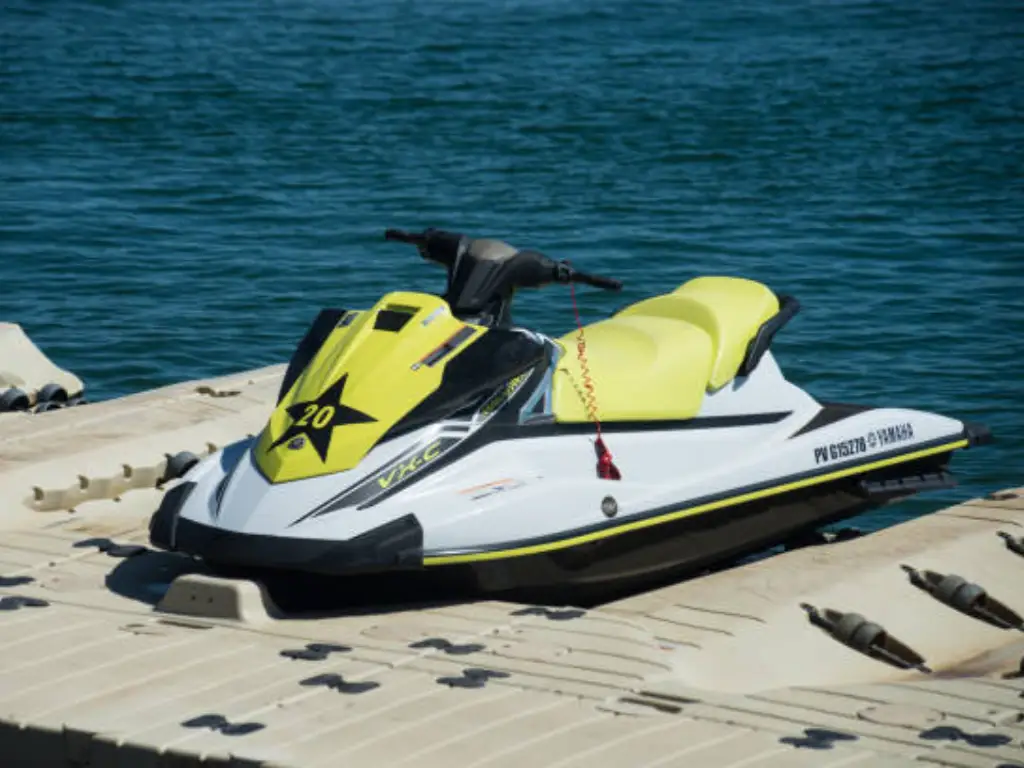
How Hiseadock Systems Provides a Faster and Safer Launching Experience
The selection of the appropriate hardware is equally important as the technique itself. Hiseadock has more than 10 years of manufacturing experience since 2006 and focuses on the development of modular systems that do not require friction and instability to launch a business. Our platforms are made of a new high-density polyethylene (HDPE) that is impregnated with superior anti-UV agents. This creates a long lasting, ultra smooth surface that does not age and does not create the suction effect that tends to trap hulls on inferior materials and in effect keeps your gelcoat out of the abrasive wear.
In addition to surface friction, Hiseadock discusses the necessity of a fixed pivot point. We make a rock-solid interlocking surface with 19mm-thick connection ears and a special four-sided recessed groove design that does not wobble or move when a heavy craft is placed on it. This structural integrity guarantees that 100 percent of your physical effort is directly applied to the movement of the jet ski, not to a floating dock. Moreover, our smooth, adjustable modular design enables you to adjust the height and layout to maximize your desired launch angle. Hiseadock systems, which have been certified by ISO, CE, and TUV, have a 30 percent extended life and a 5-year warranty, which gives the high-precision environment required to ensure a smooth departure each time.
Solving Problems: Troubleshooting Problems and Risks
With the right technique, environmental factors and maintenance issues can transform an otherwise normal launch into a high risk scenario. Knowing the physics of these issues enables you to prevent risks before they cause hull damage or mechanical failure.
- Surface Bonding and the “Vacuum Seal”: When a jet ski is kept in one place on a dock over long periods, evaporating saltwater deposits micro-crystals forming a salt bridge between the hull and the dock. This, together with the pressure of the craft pushing out the air, forms a strong vacuum seal. To overcome this, never use brute force to launch it, this may overstretch the connection points of the dock. Rather, pour fresh water into the contact channels to dissolve the crystals of salt and apply the so-called lateral rocking method to loosen the suction and then, without trying to push back, apply force.
- Tidal Incline and Steep-Angle Effects: In places where the tide is very high and low, the angle of a floating dock may become very steep during low tide. When starting under such circumstances the craft will tend to accelerate excessively, and the stern will either hit the bottom of the sea or the bow will hit the edge of the dock as it comes out of the ramp. To reduce this risk, it is always important to ensure that the water level is at least 3 feet at the end of the ramp. When the angle is too steep, a winch can be used to give a controlled descent or wait until the tide is high so that the entry angle is shallower and safer.
- Early Ignition and Pump Ingestion: The most frequent and costly error is that the engine is started with the intake grate still partially over the dock or in shallow, turbulent water. The jet pump is a vacuum engine that draws loose dock lines, floating seaweed or silt of the seabed. To avoid disastrous pump damage, you should always follow the 3-foot depth rule by never turning on the starter until the craft is completely afloat and the intake area is visually inspected to be free of debris.
- Abrasive Fouling and Barnacle Growth: In warm or high salinity waters, the submerged edges of floating modules and roller axles are likely to accumulate barnacle and calcium. These are hardened shells that are like glass cutters on a fiberglass hull. When the jet ski glides over these obstructions, it will leave deep gouges that will cut through the gelcoat. Proactive maintenance includes a monthly path inspection. Clean the exit path and rollers of the dock using a plastic scraper to remove any biological growth and leave the surface smooth and non-abrasive.
- Uncontrolled Momentum and Runaway Drifting: A jet ski can acquire backward momentum at a rate that is far greater than the operator anticipates on high-mobility roller docks, or when the trailing winds are very strong. This may lead to the craft floating into open water or hitting other ships before the operator can board. To prevent falling, you must have a safety tether, a bow line looped once around a dock cleat, in your hand when pushing. This serves as a hand-brake, so that you can hold the craft till you are safely on board, and the engine is in readiness.
Safety Precautions
These four pillars of safety are the most important before the craft leaves the dock in order to have a professional and injury-free launch:
- Dry-Starts Only to System Checks: Although a momentary 1-2 second “Burp Test” is okay to make sure your battery is charged, you should never leave the engine running when you are on the dock. The internal wear ring and the cooling system need water flowing immediately to avoid damage caused by friction and to make sure that the pump does not ingest abrasive dock debris.
- Apply High-Leverage Body Mechanics: To prevent strain on the spine, never bend at the waist or push the craft with the strength of your arm alone. Rather, use the Back-Pushing method, where you use your quadriceps and glutes to push the craft backwards. Maintaining a neutral position of the spine will make sure that you move the weight safely and use maximum force.
- Keep Your Feet on Wet Surfaces: High-density polyethylene (HDPE) is extremely slippery when wet, so you should not take off your shoes and go in flip-flops. Wear water shoes with rubber soles to ensure maximum traction and ensure that both feet are always on the dock modules. Do not put your weight between the dock and the moving craft as this may cause a very dangerous fall in case the jet ski slips faster than anticipated.
- Secure Safety Gear and Momentum Control: Make sure to wear your Personal Flotation Device (PFD) and have your safety lanyard at hand to be attached to your wrist or vest when you board. Also, maintain a tight hold on a bow line or safety tether when pushing; this will enable you to be a manual brake, so that the jet ski does not drift into open water or run into other ships once it becomes buoyant.
With such precautions in mind, you make the launch a technical exercise and not a physical battle, and you and your equipment are in optimum condition.
Machinery Checking and Repair
Your dock needs simple yet strategic maintenance to ensure a smooth launch in the long run. Correct maintenance keeps the slick surface of your investment in good condition and avoids unnecessary structural wear:
- Post-Use Freshwater Rinse: Saltwater evaporation deposits abrasive crystals that are like sandpaper to your hull. A 30-second rinse after each use maintains the slick HDPE profile and keeps rollers free to spin and keep the friction low on your next departure.
- Structural Pin and Ear Check: Check every connecting pin is in place and the 19mm-thick ears are firmly attached periodically. A hard, firm surface puts 100 percent of your physical effort into the launch, whereas a wobbly dock takes your energy and makes the craft feel heavier.
- Seasonal Surface Scrub: Cleanse with a soft brush and environmentally-friendly soap to remove the algae or bio-film. This removes the sticky bond that may develop between the dock and the hull, and also provides the required traction to ensure that you do not slip when pushing.
- Annual Buoyancy Check: Make sure that your modular system is level in the water. A dock that is listed or is too low raises the launch angle and the possibility of the intake grate snagging on the edge of the dock. The watertight seals should be checked every year to guarantee an ideal, uniform exit height.
With these lifecycle checks, you can be sure that your tenth year of launching is as smooth and effortless as the first one by taking a few minutes to check these lifecycle checks. A dock that is in good condition does not only secure your jet ski, but also ensures that you have peace of mind whenever you go out to the water.
Conclusion
The process of getting a jet ski off a floating dock is not supposed to be a tedious exercise; it is the smooth beginning of an adventure. Knowing the mechanics of your dock, selecting the appropriate materials such as the high-quality HDPE systems of Hiseadock, and using the appropriate manual or powered methods, you will be able to save your craft and your own physical health.
The right docking system is not just a docking system that holds your boat, but it also adds to your whole experience on the water. The correct equipment, a little physics and a high quality modular platform will mean you are spending less time at the shoreline and more time on the waves.
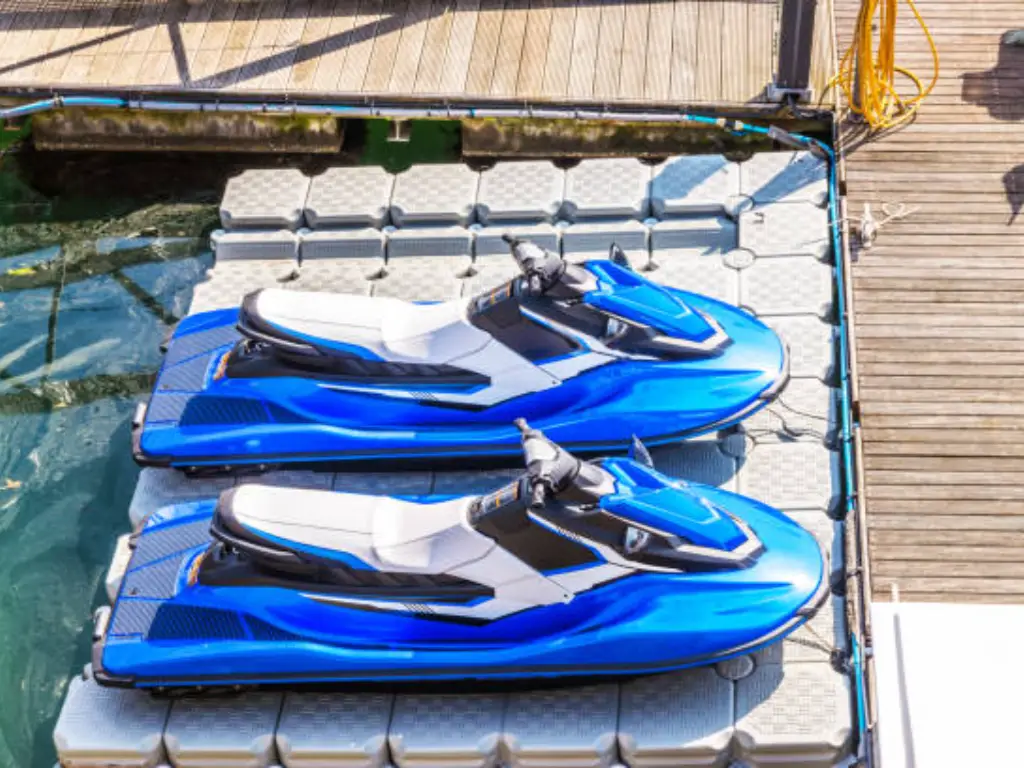
FAQS
Q: How to dock a jet ski on a floating dock?
A: To dock successfully, one needs to approach slowly to be precise, center the ramp, a brief and controlled burst of throttle to get momentum and ensure the bow line is secured as soon as the craft is at rest.
Q: How to remove jet ski off trailer?
A: To take off in a trailer, you need to support the vehicle into the water until the stern of the jet ski starts floating, unscrew the winch strap and safety chain, and give it a strong and steady push to propel the craft off the rollers or bunks.
Q: How to install jet ski on floating dock?
A: To place a jet ski on a dock, one should maintain a constant idle speed heading towards the platform, steer into the V-channel, and press a timed pulse of power to overcome the incline of the ramp and make sure that the hull is centered to provide maximum stability.


 English
  Thai
Thai  Spanish
  French
  German
  Dutch
Dutch  Italian
  Arabic
  Indonesian
  Portuguese
  Turkish