
Boat Dock Insurance: Four Identities Decide Whether Your Dock Is Covered
Is Your Boat Dock Covered by Insurance? The Short Answer
Most owners ask the same question: is my boat dock covered by insurance? The honest answer is that the question is slightly off. Insurance never sees “a dock.” It sees a piece of property with an identity. That identity decides whether a policy responds.
The same boards on the same water can carry four different identities. They can be part of the property (a structure), personal property, a business asset, or something no common policy will accept. Four answers, one dock.
Three corrections first. They cause most of the confusion.
- Your boat policy does not cover the dock. Boat insurance is built around the boat and your liability. Progressive states it plainly: boat docks usually aren’t covered under a boat insurance policy.
- “Homeowners covers it” is conditional. That holds only when the dock qualifies as an other structure on the property. The default limit is modest: typically around 10% of the home’s insured value. A $300,000 home therefore carries roughly $30,000 of dock coverage unless the limit is raised (Colby Insurance Group).
- Flood insurance does not pick up what homeowners drops. The National Flood Insurance Program’s standard policy excludes most outdoor property. Docks are named on the list (Progressive; Flood Insurance Guru).
What follows is a framework for asking the right questions. It is not a reading of your policy; policy language and your carrier’s interpretation govern. By the end, you will know what a denial actually means. You will know which identity your dock carries, and where the real gaps sit.
Which identity does your dock carry?
- Stays put, on your own shoreline, used only to moor your own boat, built with a permit → structure.
- Can be removed, pulled out, or moved; sits at a rented or off-site slip → personal property, or excluded.
- Rented out, or used in a business → business asset; commercial policy territory.
- Used for anything other than mooring (party deck, dive platform, living space), or never permitted → ineligible with many carriers.
What Dock Owners Actually Run Into: Five Denials and Why They Happen
The distance between “I have insurance” and “my claim was paid” is where the frustration lives. Five situations repeat over and over. None of them is bad luck. Each is a classification problem wearing a storm’s clothing.
What triggers each denial, and what to do first
The pattern behind all five: nobody asked what the dock is before asking whether it was covered. That question comes next.
What Kind of Property Is Your Dock? The Four Identities Insurers Assign
Every denial above traces back to one decision a carrier makes early: what kind of property is this? Four identities are possible. Three things you can check decide which one applies: form (does it stay or can it go), use (mooring only, rented, or commercial), and records (permits and installation).
Four Identities a Dock Can Carry
| Identity | Typical Form | Where It Usually Lands | One Clue to Check |
|---|---|---|---|
| Structure | Permanent, own shoreline, private mooring, permitted | Homeowners policy, “other structures” section | Does it stay in place year-round? |
| Personal property | Removable, seasonal, floating; off-site slips | Personal property coverage, endorsement, or an exclusion | Can you take it out of the water? |
| Business asset | Rented out or operated commercially | Commercial policy, separate market | Does anyone pay to use it? |
| Ineligible | Non-mooring use; unpermitted builds | No common personal policy will accept it | Was it permitted, and what is it used for? |
“Other structures”: when the dock is part of the property
Say the dock stays put on your own shoreline and moors your own boat. It usually lands in the “other structures” section of a homeowners policy. The coverage is real. The default ceiling is low: often around 10% of the home’s insured value (Colby Insurance Group). Owners rarely notice the limit until a replacement quote arrives. That is when the gap between $30,000 and a full rebuild becomes visible. The classification also assumes the dock is attached to your property and used for mooring. Step outside those conditions and the identity changes.
When the dock becomes personal property
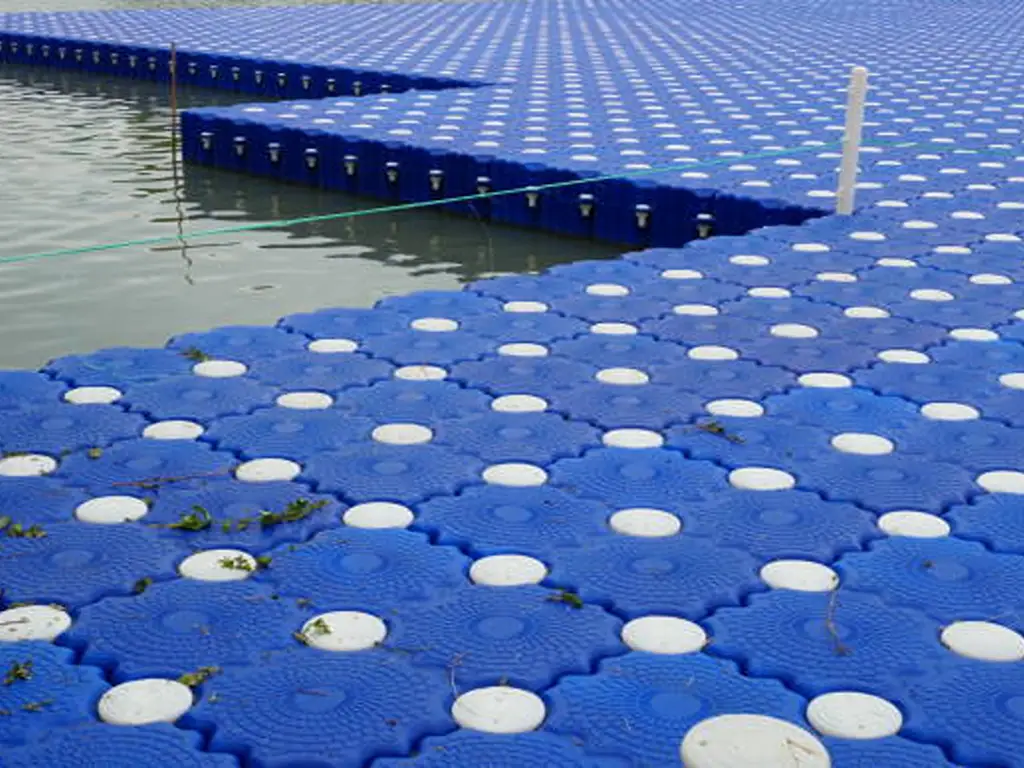
Two insurers can look at the same dock and see two different things. Progressive notes that some carriers “may consider docks that can be removed to be personal property instead of an actual structure.” DockGear reports the same pattern for floating and seasonal docks. They are often treated as personal property, or excluded outright unless added as a named structure.
What decides the identity is not the word “dock.” It is whether the thing can be taken away. Two insurers can look at the same float and assign it two different classifications. The policy that responds, if any, follows from that split.
The same split explains the quiet gap at rented and off-site slips. An off-premises structure is not covered under a homeowners policy by default. It needs its own endorsement (Colby Insurance Group). A dock three miles away at a marina is a different policy problem than the one in your backyard.
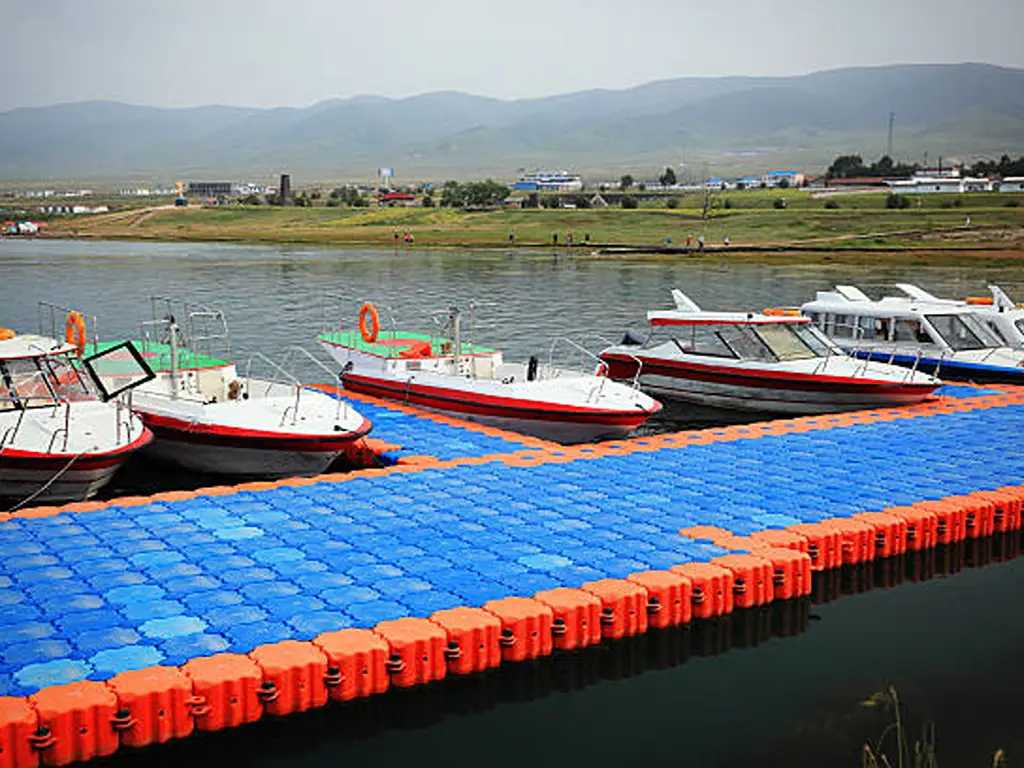
When the dock is a business asset
Rent the dock out, or run it as part of a business, and the personal policy stops applying to it. Progressive’s position is direct: a marina owner, or a dock used commercially, needs a commercial policy. The commercial market has its own appetite. It is not always hungry. As Colby puts it: “rented boat slips are hard to insure.” That is worth knowing before a slip becomes an income stream. One more line in this layer matters to boaters. Marinas and dockominiums commonly require the boat owner to carry liability coverage. One thread cites a $300,000 minimum requirement (The Hull Truth). If you dock at a marina, the first insurance question may not be about your dock at all.
When no common policy will take it
The strictest layer is about use and paperwork rather than ownership. One carrier’s published underwriting rules for North Carolina are strict. A qualifying dock must be “a structure extending out from the shore into a body of water to which boats may be moored.” Then the rules close the door: “All other structures over the water are ineligible.” Docks built for something other than mooring are named and excluded. “2 story party docks, diving platforms or living quarters are ineligible” (Homeowners of America underwriting guidelines). Pair that with an unpermitted build and you have the second denial from earlier in this article, fully explained.
One rare branch flips the frame: some floating structures can be written as vessels rather than property. “Floating Property Insurance covers floating homes, boathouses, or a vessel without an engine,” as one insurance-side commenter puts it (r/Insurance). If your structure floats and lives like a boat, ask about that market by name.
What’s Covered, What Isn’t, and What’s Contested
Identity decides which policy is in play. The cause of loss then decides whether that policy pays. Carriers agree on the broad shape of this. Fire, lightning, wind, and hail generally sit inside a standard policy’s covered perils. Flooding, freezing, and wave damage sit outside, unless something specific is added.
Which Causes of Loss Usually Pay
| Cause of loss | Privately owned dock | Rented or operated | Flood policy | What to verify |
|---|---|---|---|---|
| Fire, lightning, wind, hail, vandalism, vehicle impact | Usually covered if the identity is structure or personal property | Only under a commercial policy | Not a flood loss | The limit, not the peril: 10% structures vs. personal property caps |
| Flood and storm surge | Typically excluded | Excluded from private; check commercial terms | NFIP standard policy names docks among exclusions | Whether any private flood market will write the structure, and on what terms |
| Wave action | Usually denied, even in a named storm | Same pattern | Not applicable | How the policy separates wind damage from wave damage, in writing |
| Freezing, thawing, weight of water or ice | Excluded by default | Same structure of answer | Not a flood loss | Whether your carrier offers a comparable endorsement and at what limit; one carrier sells a $30,000 dock endorsement covering exactly these causes, “whether driven by wind or not” (Central Insurance) |
| Collapse | Excluded unless caused by something covered, such as a falling object | Same | Not applicable | What has to fall, and onto what |
| Maintenance and gradual wear | Excluded everywhere | Excluded | Not applicable | Records that separate storm damage from age |
The contested middle: wind-driven waves, lifted floats, drifting boats
Three situations refuse to sort cleanly, and they are where most disputes live.
Wind versus wave. After a storm, the same torn dock can be described two ways. The description decides the claim. Adjusters describe wave action as a routine denial (r/adjusters). So the practical question is not “was there a storm.” It is “which cause does the file name.” Ask your carrier one precise question before you ever need it: when wind drives water that damages the dock, does the policy treat the loss as wind damage or wave damage? Get the answer in writing.
A float that ends up onshore. A windstorm lifts a floating dock and sets it against a seawall or a lawn. Now the argument is whether wind or water did the moving. Expect friction, and expect that earlier question to matter.
Someone else’s boat. A neighbor’s boat breaks loose and strikes your dock. That is a liability question on their policy, not a coverage question on yours. Photograph everything before repairs begin. One adjuster’s advice: “take photos (wide shots and damage shots).” It is the cheapest insurance in this article.
Who pays when the dock isn’t the cause
The liability side has its own short map. If you cause damage to a marina’s dock with your boat, your boat liability coverage may pay (Progressive). If the dock at your rented slip is damaged, the operator insures it. Your homeowners policy was never in play (American Family Insurance). And if a guest is injured on your dock, the exposure is yours. That is why some dock owners add umbrella coverage once the primary limit is exhausted (DockGear). None of these lines requires a new policy concept. They require knowing which layer of the map you are standing on.
Closing the Gap: A Short Action Order
Five steps, in this order, because each one changes the next.
Five steps, in sequence
One honest note about cost. There is no trustworthy public price list for boat dock insurance coverage. Rating depends on the state, the carrier, the identity of the dock, and the peril profile. Anyone quoting a single number is guessing. What you can ask a carrier for is the rating basis: which factors move the premium, and by how much. That conversation is worth more than any average.
What This Means If Docks Are Your Business, Not Just Your Backyard
Everything above reads differently when the dock is a working asset rather than a backyard amenity. For marinas, waterfront clubs, resorts, and any dock that carries customers instead of family, the pattern compresses into one sentence. A dock’s insurability is not decided when coverage is bought. It is decided when the dock is bought.
The identity a carrier assigns tracks form, use, and records. All three are fixed at purchase and installation. Two identical installations can sit in different risk categories on paper. The difference: one left a documentation trail and the other did not. The permit, the installation record, the structural data, and the anchoring method are not paperwork. They are the inputs to the classification that decides whether a policy responds and whether a claim pays. Treat them as fixed assets, collected at purchase and archived with the asset. Then the claims conversation becomes a reading of records, not a negotiation of memories.
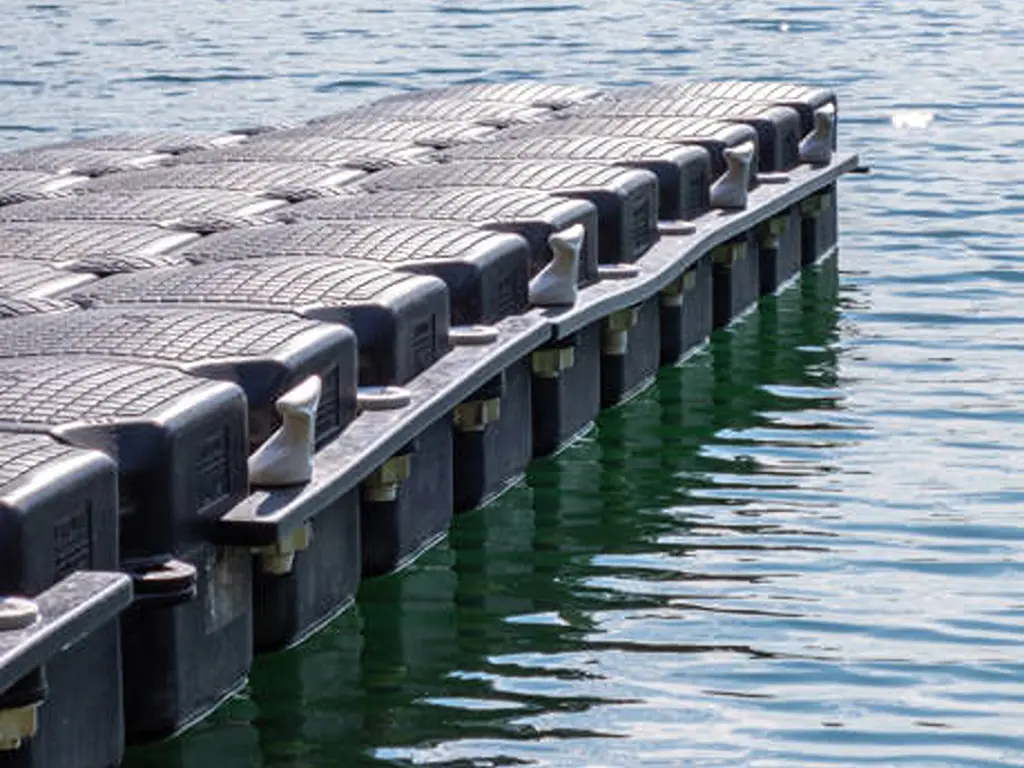
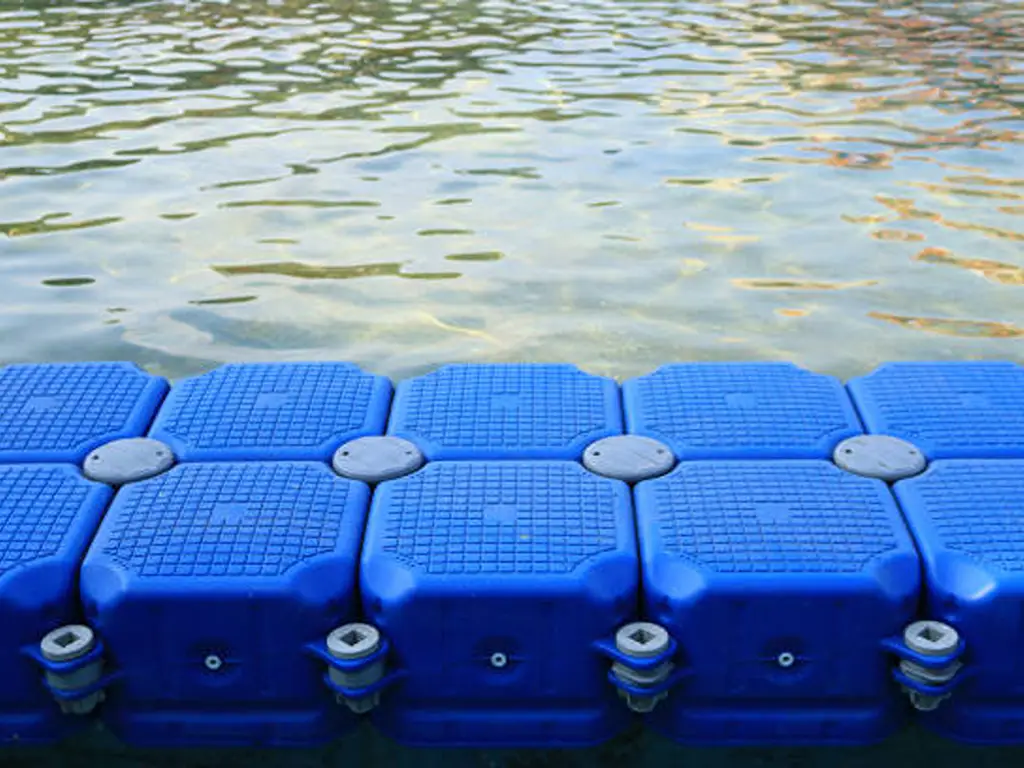
We don’t write policies and we don’t settle claims. What we can put in your hands is the other half of that record. Every float we ship is pull-tested before it leaves the line. The diagonal tensile test on our floats has held to a maximum of 14,389 N. The structural details are specified rather than implied. The lugs are 19 mm thick. Threaded end caps seal each chamber, and the hollow compartments stay buoyant even if a wall is breached. That is the kind of material a claim file or an underwriting review runs on. It is available for the float range and its load ratings and for how each float is tested before it ships. Hisea Dock has been manufacturing modular HDPE floating dock systems since 2006. Before the paperwork starts, you can have the specifications and test records in hand. Talk to our team or your local dealer.
Before the paperwork starts
Get the specifications and test records for your dock
Tell us what you are building — a private dock, a marina row, a work platform — and we will send the structural documentation for the floats you are considering: materials, load ratings, and how each float is tested.
Request the specification packReferences
- Progressive. “Are Boat Docks Covered by Insurance?” https://www.progressive.com/answers/boat-docks-and-insurance/
- Colby Insurance Group. “Boat Slip Owners, Understand Your Coverage Options.” https://colby-group.com/blog/boat-slip-owners-understand-your-coverage-options/
- Central Insurance. “Boat Dock Coverage.” https://www.central-insurance.com/docs/home-boat-dock.htm
- American Family Insurance. “Are Boat Docks Covered by Homeowners Insurance?” https://www.amfam.com/resources/articles/understanding-insurance/boat-dock-coverage
- Homeowners of America. “Other Structures Eligibility (NC).” http://ptshelp.hoaic.com/index.cfm/underwriting-guidelines/north-carolina-homeowners/other-structures-eligibility-nc
- Flood Insurance Guru. “Does Flood Insurance Cover Docks?” https://www.floodinsuranceguru.com/floodvideoblog/does-flood-insurance-cover-docks
- Reddit r/adjusters. “Boat Lift-Insurance.” https://www.reddit.com/r/adjusters/comments/1akhl0c/boat_liftinsurance/
- Reddit r/adjusters. “Boat Dock Damages, Boat Lift Damage.” https://www.reddit.com/r/adjusters/comments/ysibgp/boat_dock_damages_boat_lift_damage/
- Reddit r/Insurance. “Land Insurance That Will Cover Other Structures (Not Just Liability).” https://www.reddit.com/r/Insurance/comments/1fg0itn/land_insurance_that_will_cover_other_structures/
- The Hull Truth. “Dock Insurance.” https://www.thehulltruth.com/boating-forum/884553-dock-insurance.html
- The Hull Truth. “Marinas and Boat Insurance.” https://www.thehulltruth.com/boating-forum/1313079-marinas-boat-insurance.html
- Hisea Dock. “Modular Floating Dock Cubes.” https://www.hiseadock.com/modular-floating-dock-cubes/
- Hisea Dock. “Quality.” https://www.hiseadock.com/quality/
- Hisea Dock. “Hisea Dock.” https://www.hiseadock.com/
- Hisea Dock. “Contact Us.” https://www.hiseadock.com/contact-us/

 English
  Thai
Thai  Spanish
  French
  German
  Dutch
Dutch  Italian