
A single scull and an eight can share a launch dock if both crews can carry their shells to the edge, lower them into the water and board with room beneath the riggers. Ask the coach for two drawings: a plan of the longest shell and a cross-section of the shell whose dock-side rigger sits closest to the edging. Those drawings may come from different boats.
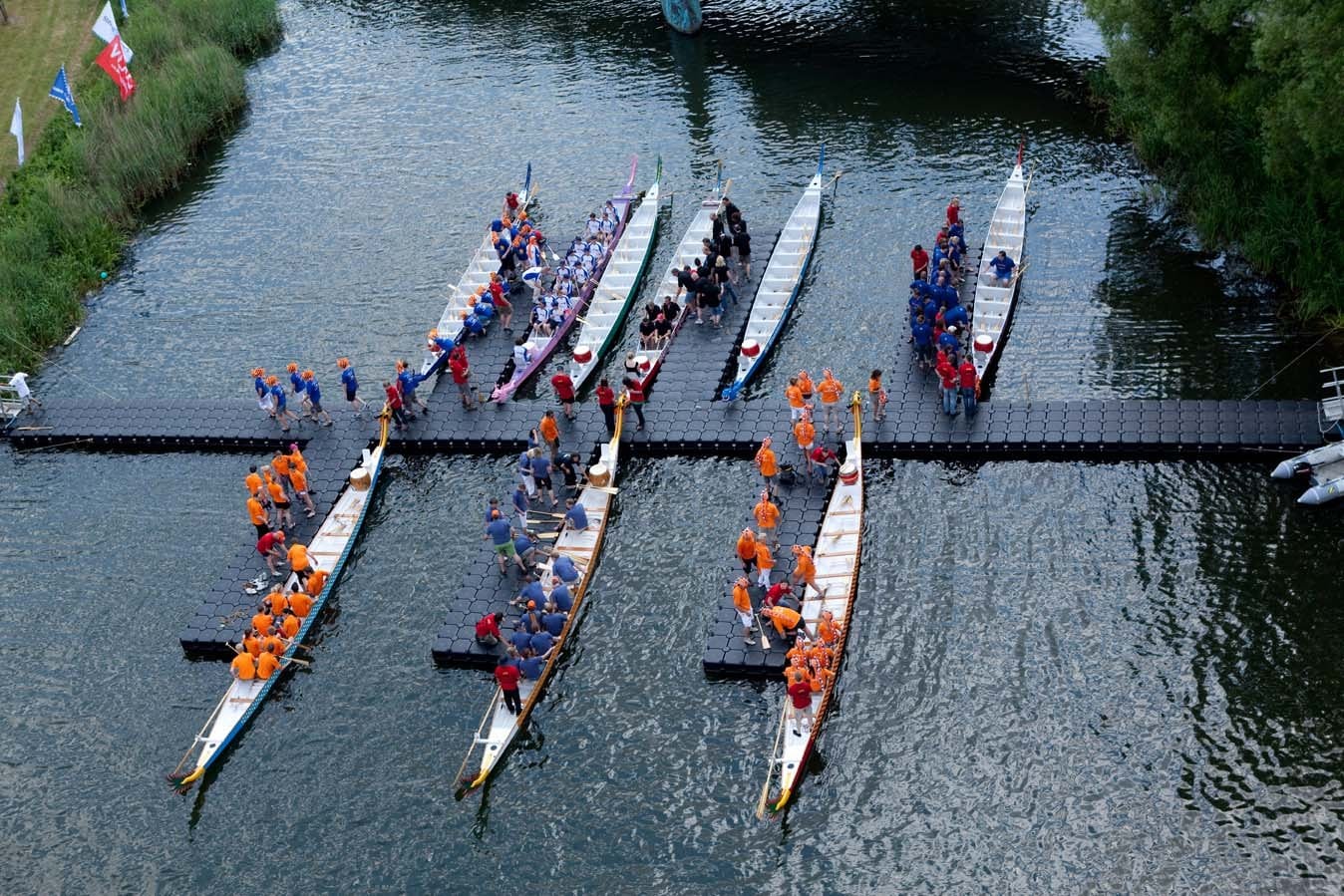
Trace the carry from the boathouse to the water
Draw the whole route. Include the shell’s length, its width with riggers fitted and the positions of the people carrying it. At a right-angle turn, move a scale outline through the maneuver the coach actually calls. Where is the stern when the bow reaches the launch platform? The last rail post at the gangway exit can be the tightest point.
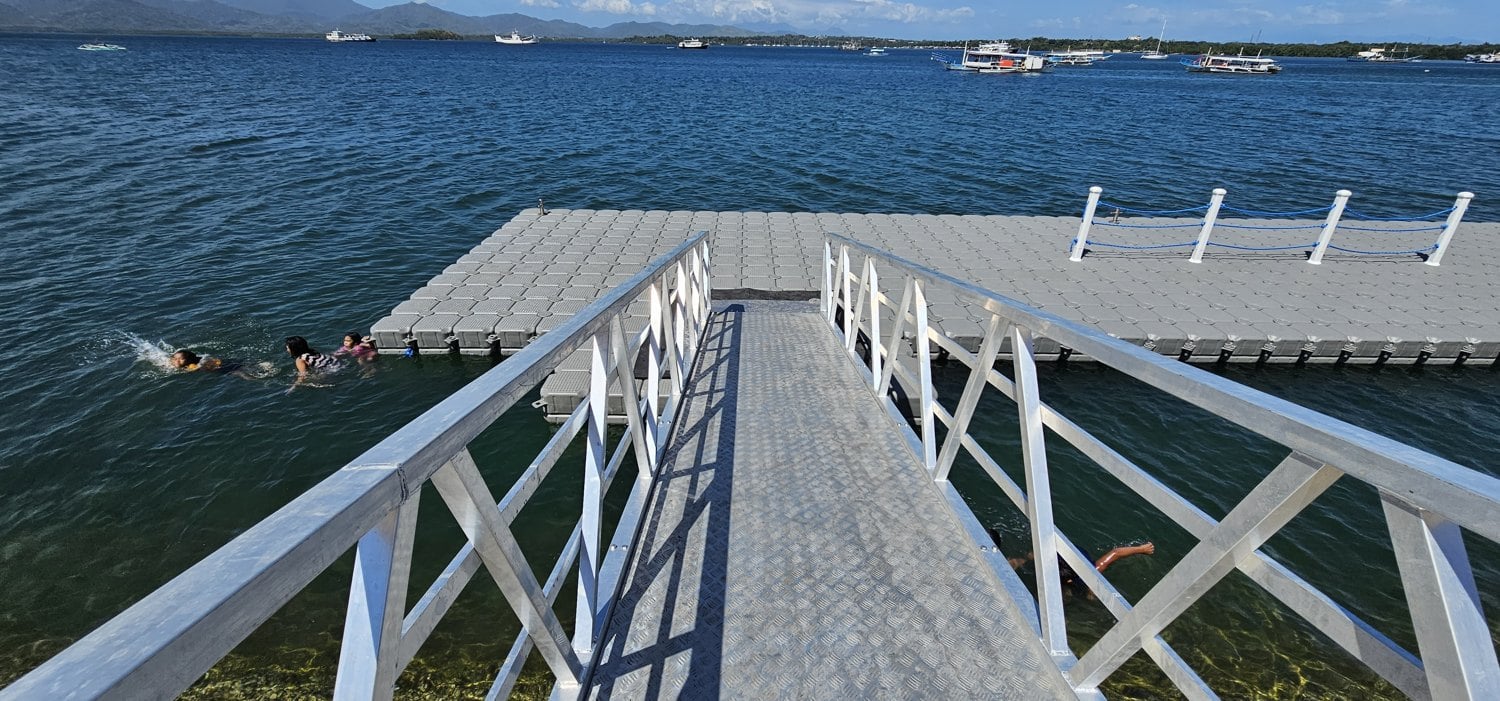
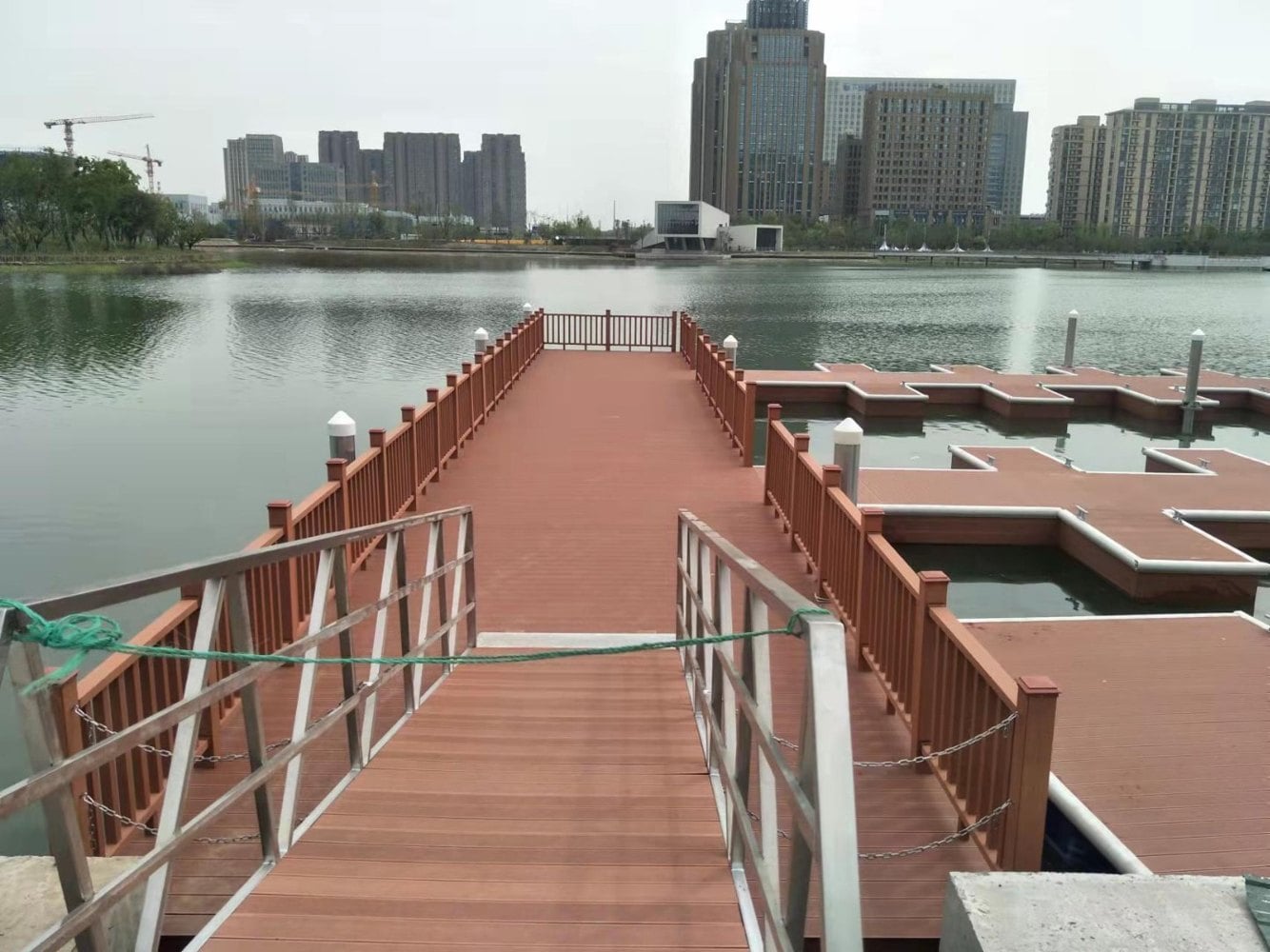
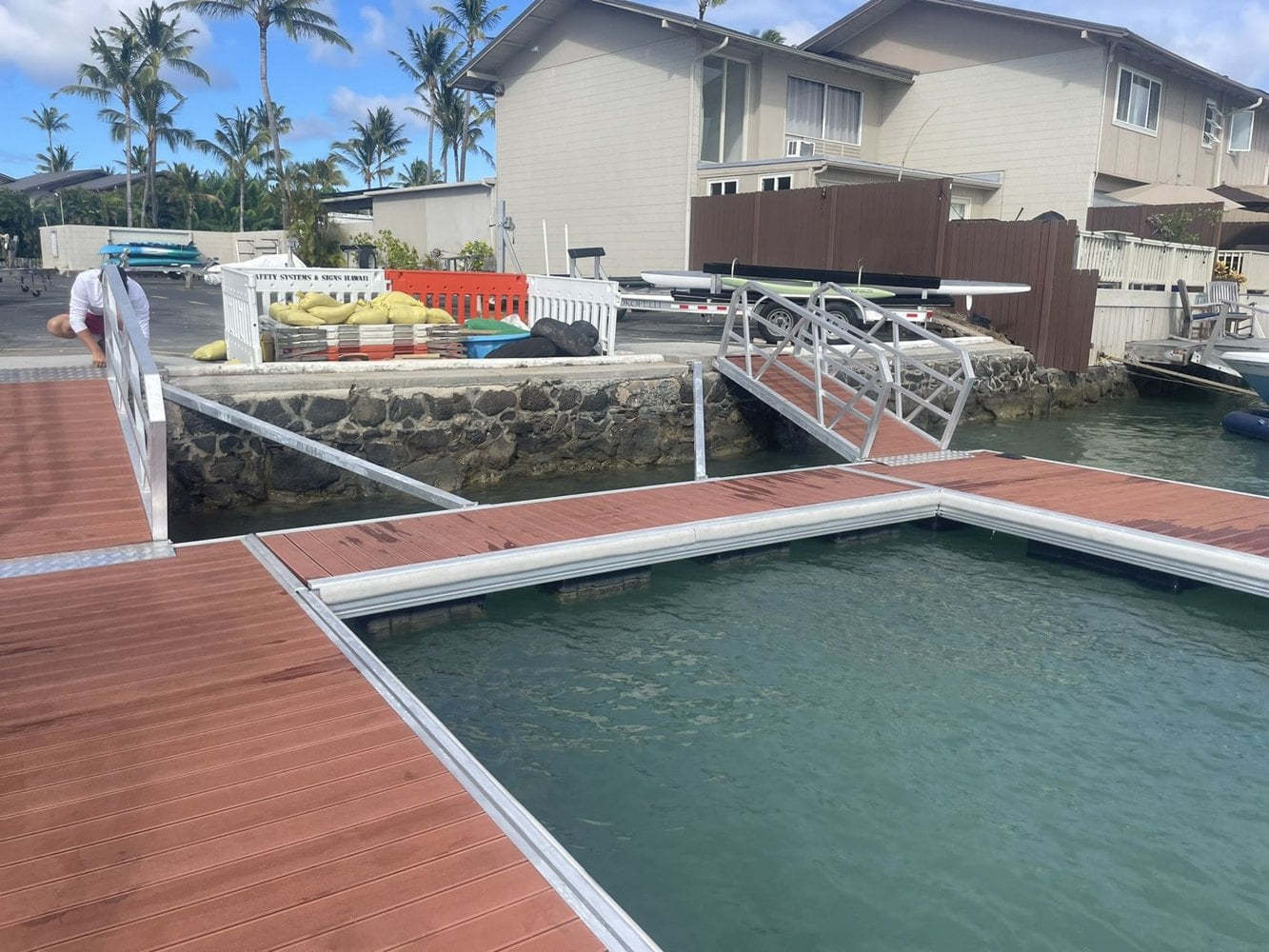
Repeat at high and low water. As the floating dock moves, the gangway changes slope. A shell carried at shoulder height can project well beyond the crew at the change of grade. Mark out the route on shore with a light pole the length of the boat and templates for the riggers. If one crew must back up the gangway for another to pass, agree on one-way operation or move the waiting area before requesting prices.
Specify freeboard at the launch edge
A supplier can measure a float’s overall height in the warehouse. Launch-edge freeboard is the vertical distance from the waterline to the finished deck on the assembled dock. Ask for that measurement with the decking, edging and gangway in place. Then ask for the freeboard on both sides when the crew stands along the launch edge.
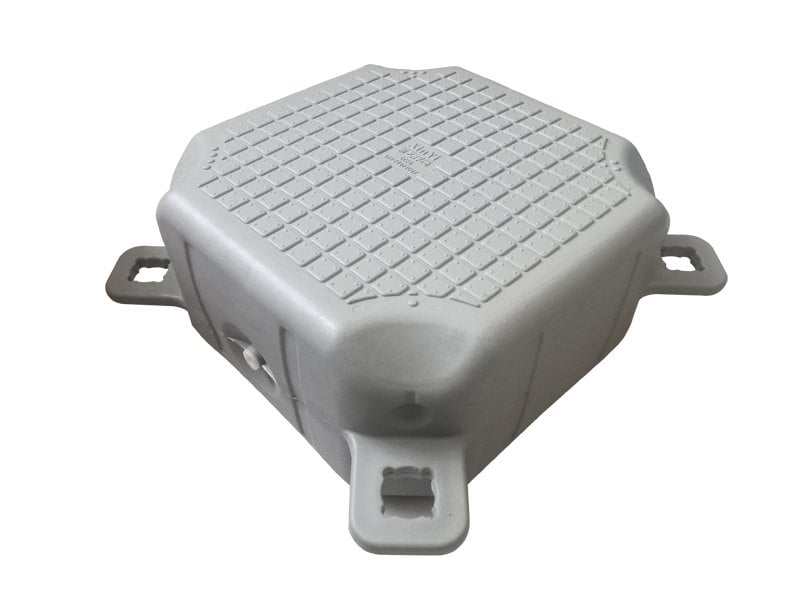
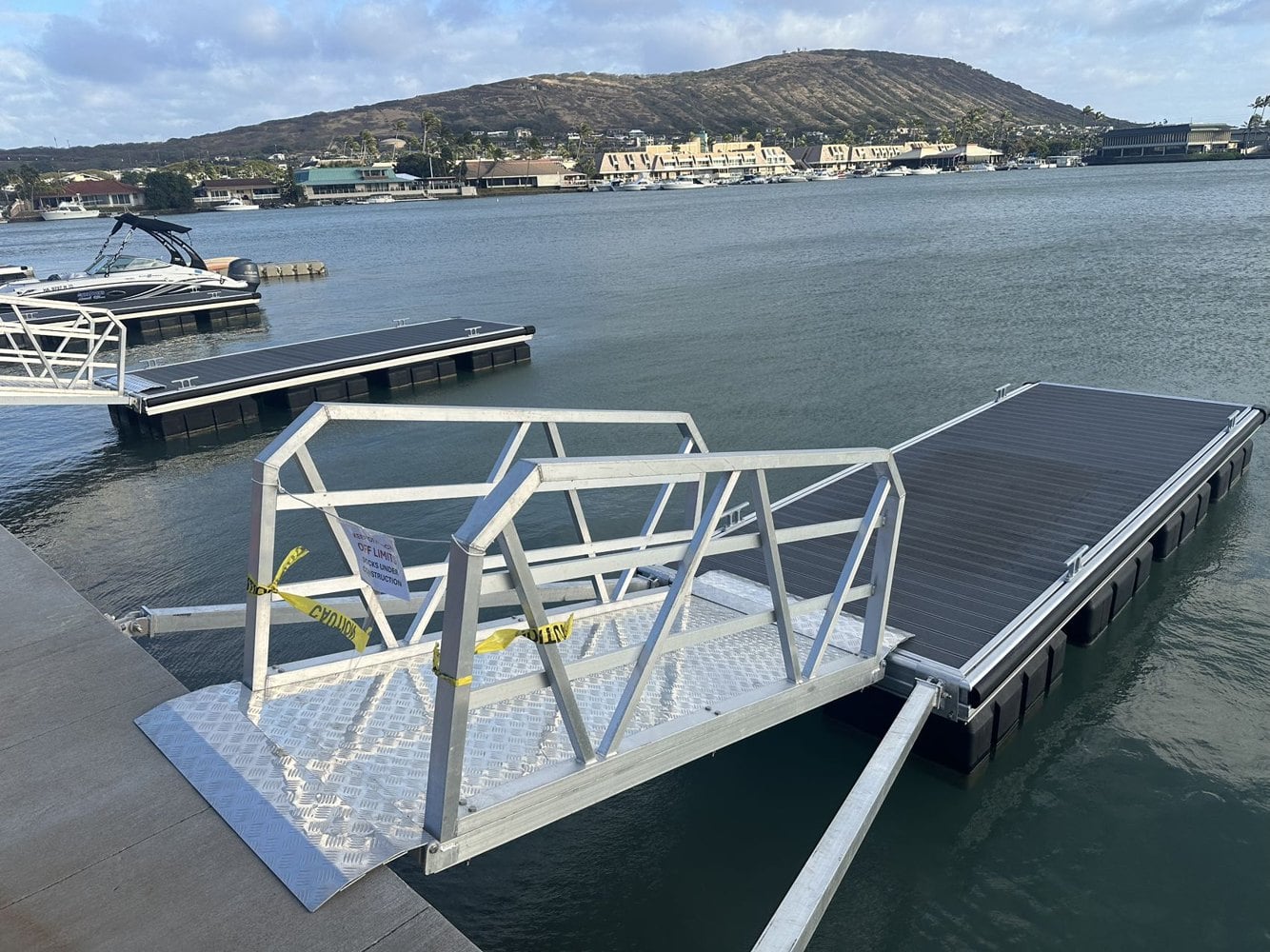
For example, EZ Dock lists an overall height of 8 inches and an unloaded freeboard of 5.5 inches for one rowing dock, about 203 mm and 140 mm respectively. These figures describe that model in the stated condition. To compare quotations, have each supplier identify the measurement point, installed accessories and load case. EZ Dock’s published example
Draw the rigger and dock edge against the same waterline
Ask the club to measure the underside of the dock-side rigger. At the point where it overlaps the dock in plan, find the highest part of the edging, joint or exposed fitting beneath it. Draw the shell afloat before boarding, then repeat for the crew aboard. As rowers move from dock to boat, the shell settles and the unloaded dock edge can rise. Both movements reduce the gap.
Worked example. In still water, suppose the rigger underside is 190 mm above the waterline and the fitting beneath it is 160 mm above it. Static clearance is 30 mm. If the shell settles 15 mm while the dock edge rises 10 mm, just 5 mm remains. These figures illustrate the calculation. Set the required allowance for the actual fleet, crew movement, wave exposure and installation tolerances.
What to record when an eight comes alongside
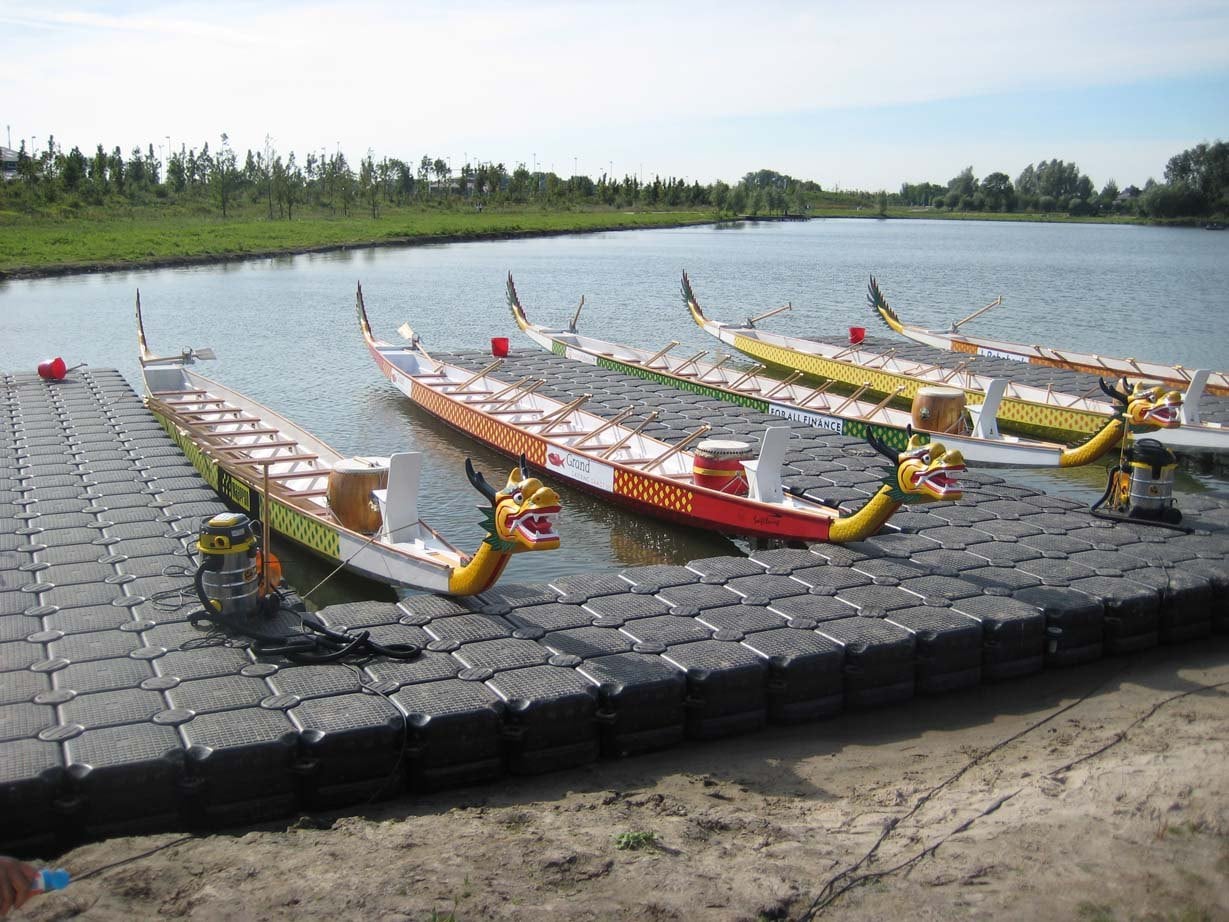
The crew first lines up on the dock, then boards in sequence. Give the designer the number and positions of people, who carries the weight of the shell at each stage and where the gangway bears on the dock. Ask for launch-edge freeboard, transverse heel and a local load check for the agreed conditions. Record the acceptance method before ordering.
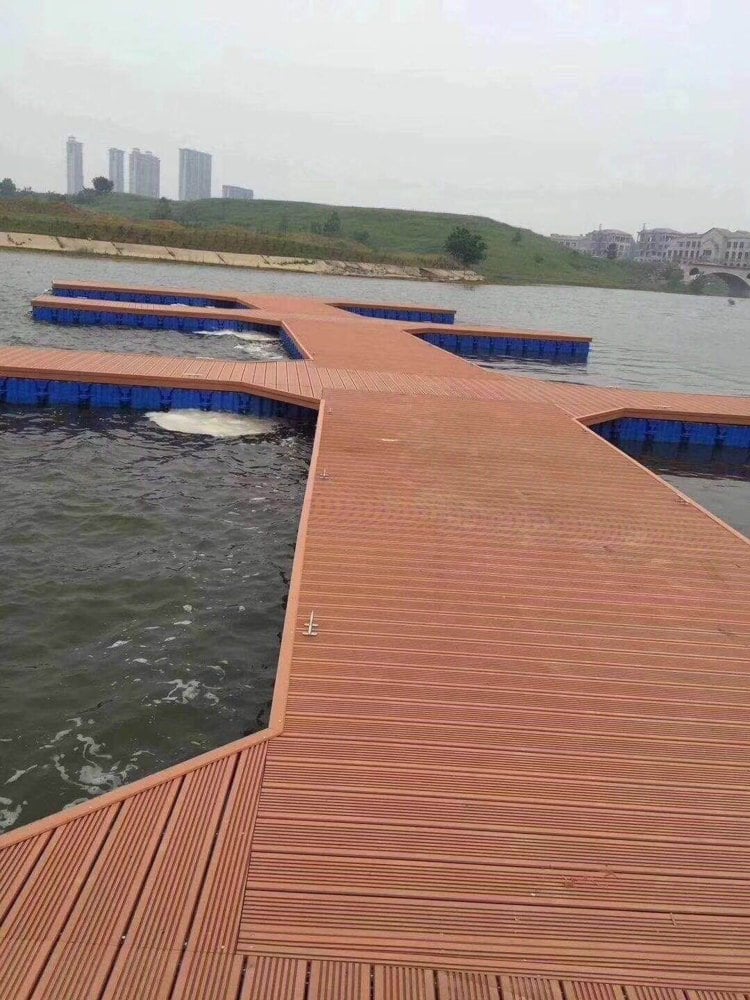
- Unloaded baseline. With all fittings installed, mark both ends and the midpoint of the launch edge, plus matching points on the opposite side. Record water conditions and freeboard at each mark.
- Carrying, lowering and boarding. Follow the project’s approved verification procedure. Recheck the same marks and measure clearance where the rigger actually overlaps the dock. Record the shell, occupied seats and readings together.
- Crew changeover. Trace a returning crew’s route to shore as the next crew prepares to launch. Identify where oars are laid down, where crews wait and who has priority on a narrow gangway.
What to send with a request for quotation
Our club intends to launch single sculls and eights from the same floating dock. Attached are the shell outlines, rigger cross-sections, carrying route, operating water levels and crew sizes. Please include a shore-to-water carrying plan, a section through the launch edge and freeboard and heel checks for the unloaded dock, the crew waiting on one side and boarding. Identify edging joints, exposed hardware, operating limits and on-site acceptance checks.
At the drawing review, ask the coach to point out the tightest turn, the designer to mark the smallest rigger clearance and the dock supervisor to show where the next crew waits. Their answers tell you whether the quoted layout will work on a training morning.

 English
 Thai
 Spanish
 French
 German
 Dutch
 Italian
 Arabic
 Indonesian
 Portuguese
 Turkish